
Last updated November 15, 2026
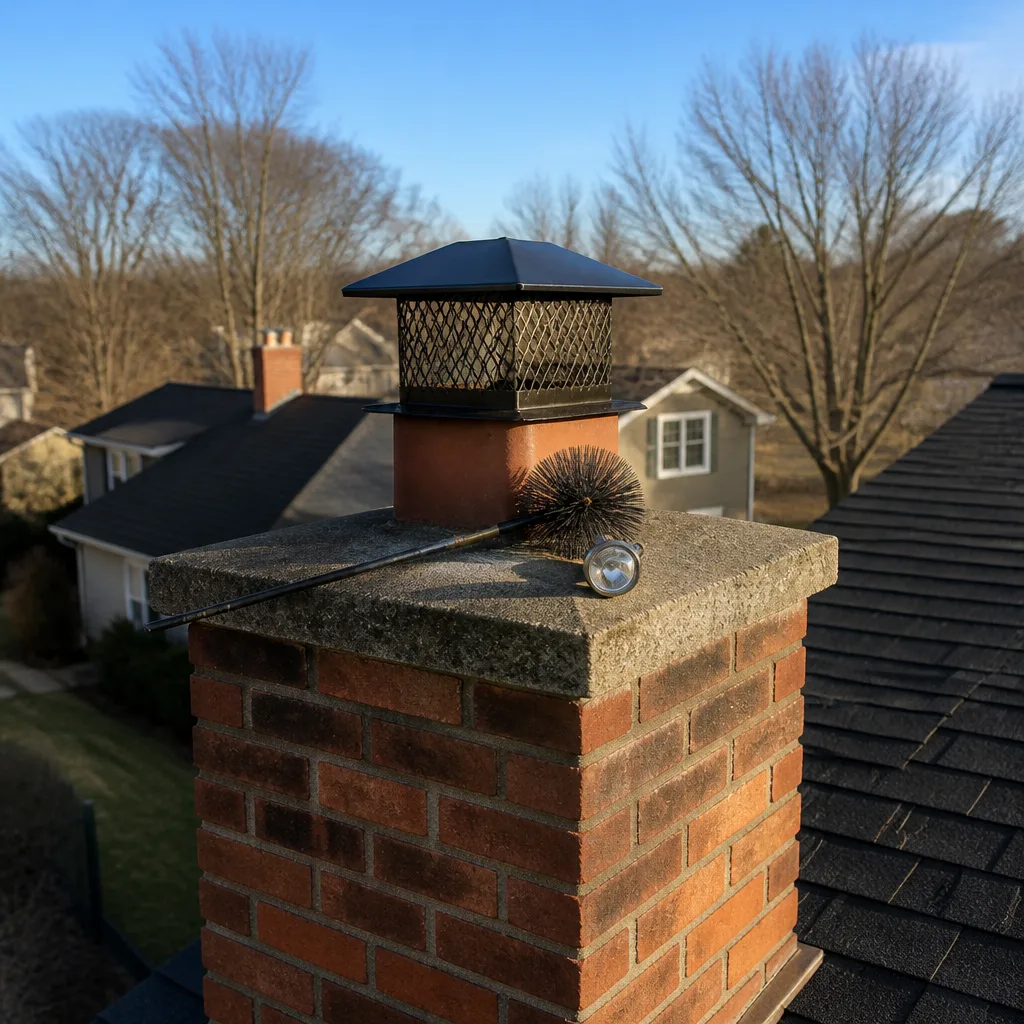 Sweep & inspection
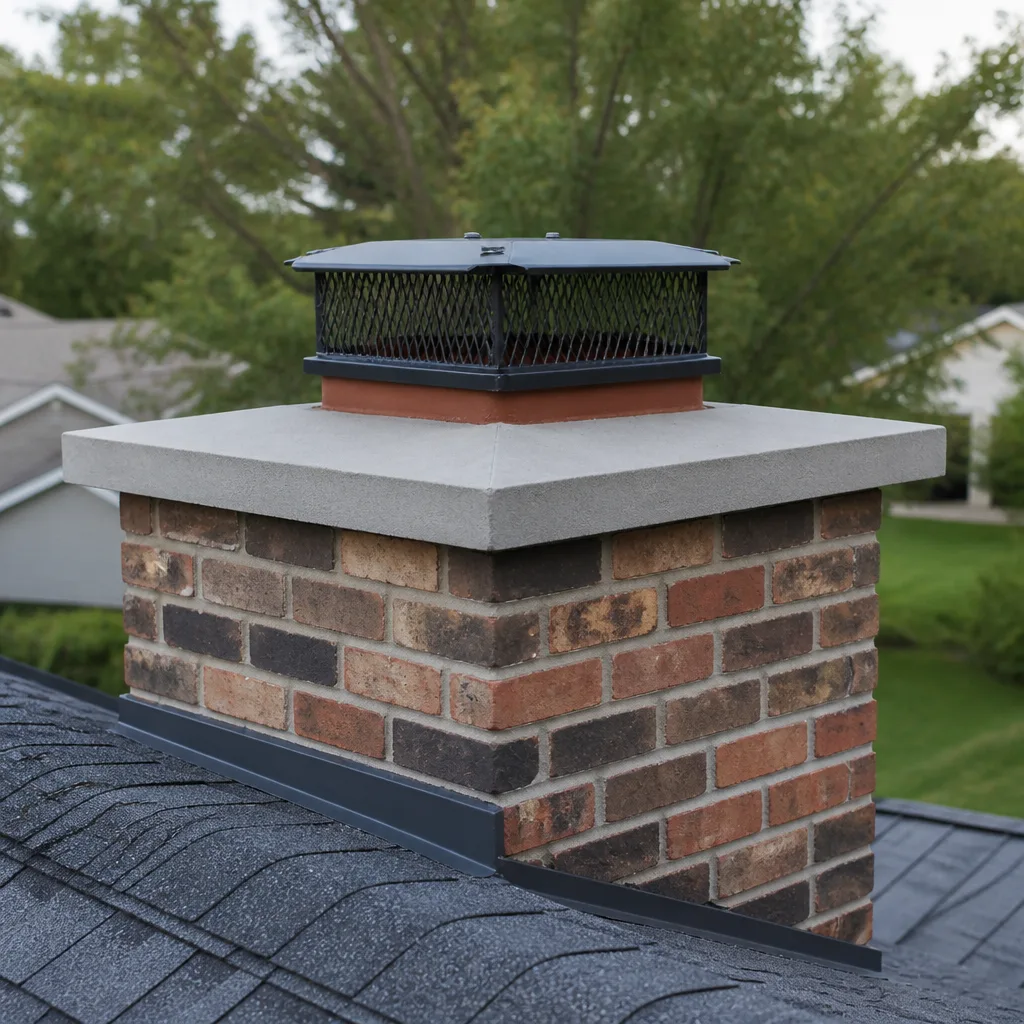 Caps & crowns
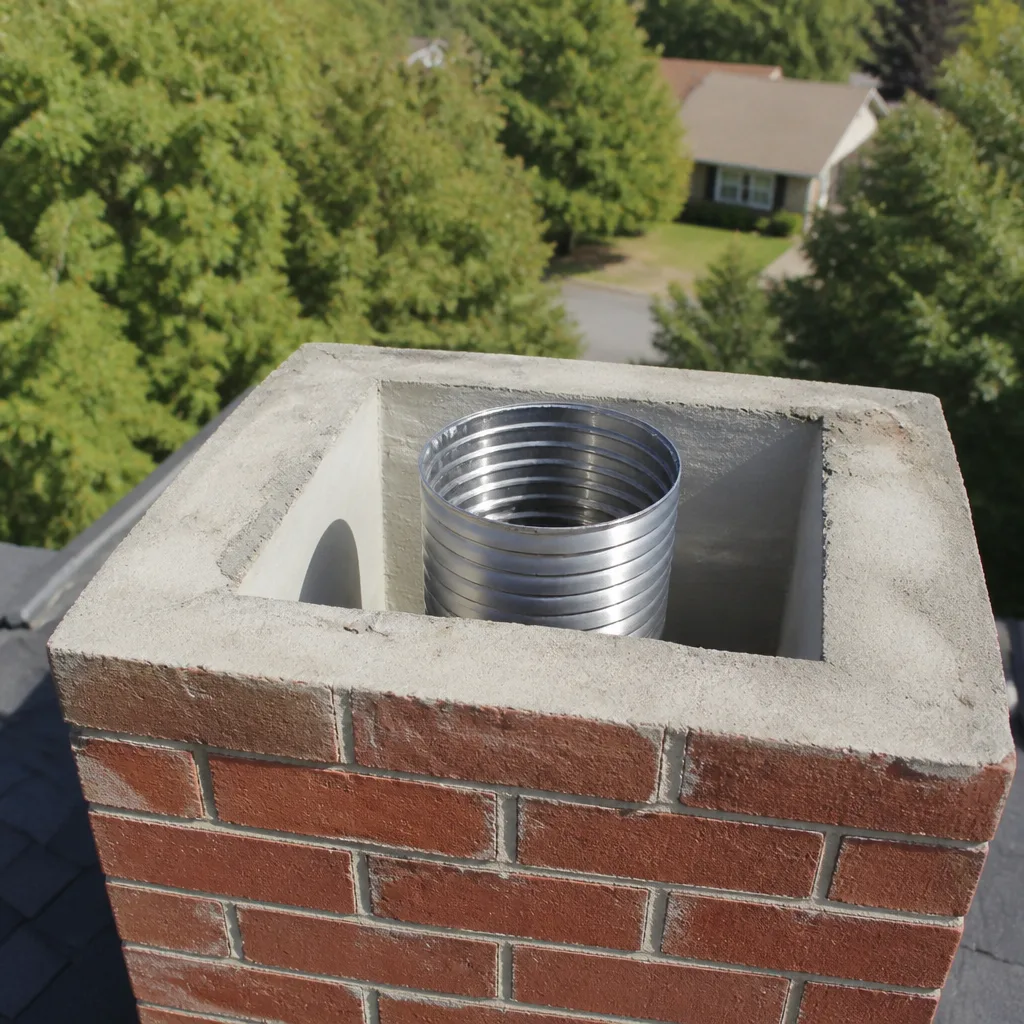 Flue relining
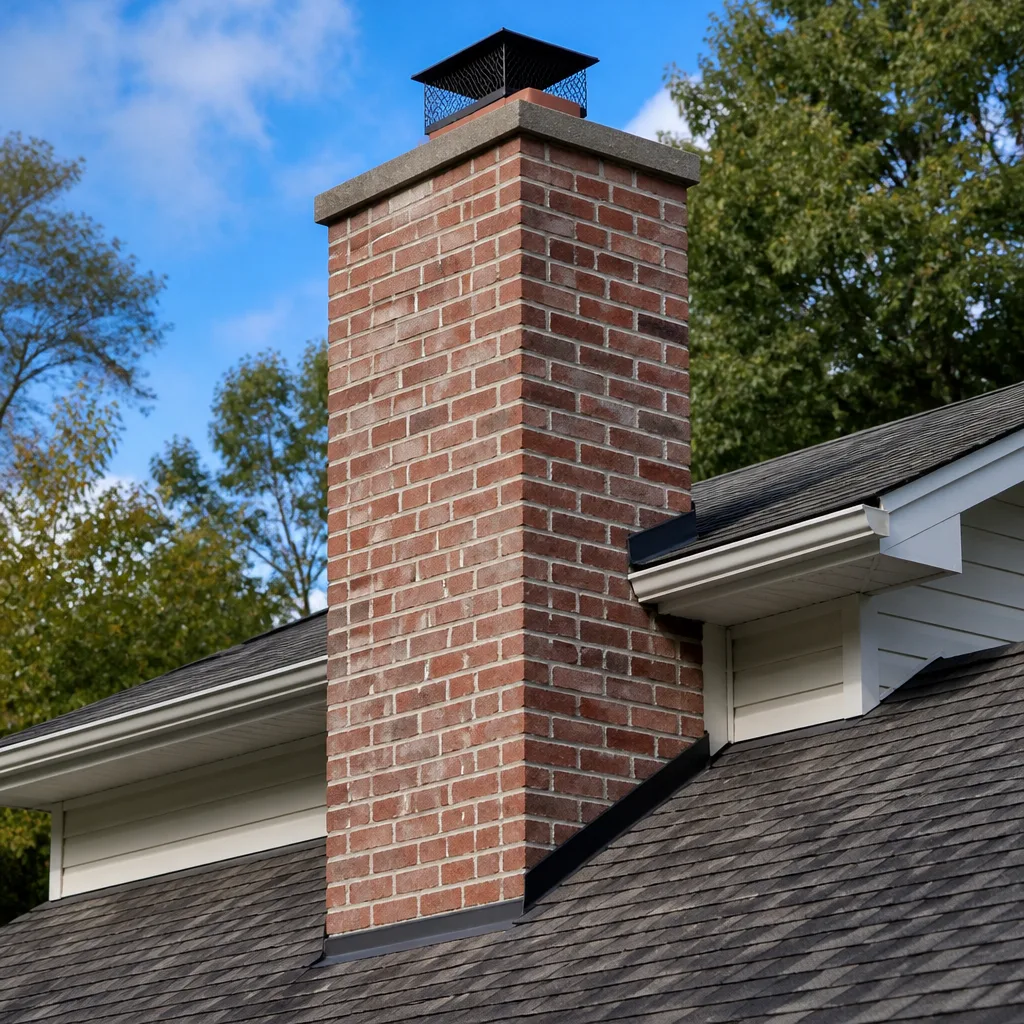 Masonry repair
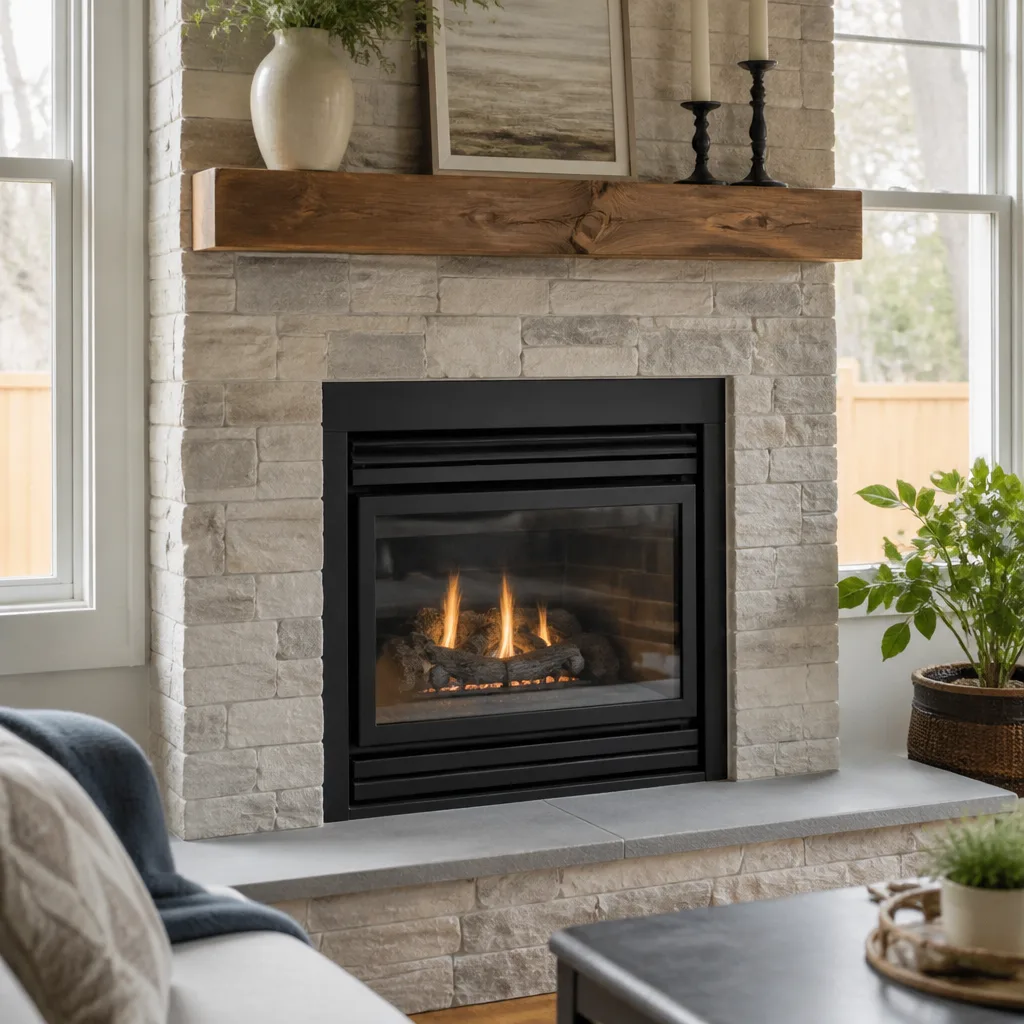 Gas fireplace service
Level 1 sweep and inspection to the NFPA 211 annual standard - flue, crown, cap, and flashing checked and photographed
Chimney sweep logs do not sweep chimneys. They loosen some creosote - which then falls where a brush and vacuum still have to collect it.
The Complete Guide to Chimney Cleaning in Highlands Ranch
At 5,800 feet elevation, wood burns differently than it does at sea level. The air is thinner, there’s less oxygen in every cubic foot feeding the fire, and incomplete combustion becomes the norm rather than the exception. That single fact changes how fast creosote accumulates inside a flue, and it’s why national chimney guides written for sea-level homes don’t quite fit here. Most homeowners in Highlands Ranch assume a yearly sweep is a janitorial chore, a quick brush-out before the season starts. In practice, a proper cleaning is a diagnostic event, and what a technician finds in the flue tells you far more about your fireplace’s safety than a tidy hearth ever will. This guide walks through how cleaning actually works at this elevation, what a real service includes, and how to tell whether the work was done correctly.
Quick Answer
Chimney cleaning in Highlands Ranch is an annual fire-safety service that removes creosote, soot, and blockages from the flue, then inspects the liner, smoke chamber, and venting to confirm the whole system vents safely. At this elevation, incomplete combustion tends to speed creosote buildup, so yearly cleaning and inspection matter even for fireplaces that see only occasional use. A proper cleaning includes a visible inspection of the flue liner and smoke chamber, not just a brush-through.
Styles & brands we work with
- Sweep & inspection
- Caps & crowns
- Flue relining
- Masonry repair
- Gas fireplace service
Table of Contents
- Why High-Altitude Combustion Changes Creosote Buildup
- What a Proper Chimney Cleaning Actually Includes
- Level 1, 2, and 3 Inspections: Which One Do You Need?
- Why Gas-Converted Fireplaces in Newer Highlands Ranch Homes Still Need Attention
- What to Expect Before, During, and After a Cleaning
- The Three Stages of Creosote and What They Mean for Repairs
- What to Check Yourself vs. What Requires a Technician
- How Much Chimney Cleaning Costs and How Often to Schedule
Why High-Altitude Combustion Changes Creosote Buildup
A wood fire needs three things to burn cleanly: fuel, heat, and oxygen. At 5,800 feet, the air holds less oxygen by volume than the air at sea level, and that shortfall means fires tend to smolder more than they blaze. A smoldering fire produces cooler flue gases, and cooler gases leave more unburned material behind on the flue walls. That residue is creosote, and it builds in layers.
The practical effect is this: a Highlands Ranch fireplace can accumulate creosote faster than the same fireplace in a lower-elevation home, even when the homeowner burns the same amount of wood. Add Colorado’s dry climate into the picture, and you get wood that may season unevenly depending on how it’s stored, which further affects how completely it burns. Damp or poorly seasoned wood is the single biggest accelerant of creosote buildup anywhere, and at elevation the margin for error is thinner.
What this means for you:
- Fireplaces used regularly through the cold months should be cleaned and inspected yearly, not every other year.
- Burning dry, well-seasoned wood matters more here because the fire already runs oxygen-lean.
- Small, hot fires burn more cleanly than large, smoldering ones at this elevation.
- Any fireplace that produces visible smoke rolling back into the room or a strong creosote smell should be looked at before the next fire.
This is the core reason a national “every other year is fine” rule of thumb doesn’t hold up in Highlands Ranch. The conditions that drive creosote production are local, and so is the maintenance schedule that keeps a flue safe.
What a Proper Chimney Cleaning Actually Includes
A proper chimney cleaning involves far more than running a brush down the flue. It’s a full assessment of the venting system, done at the same time as the sweep so that any problem found can be diagnosed on the spot. Here’s the rundown of what a complete service covers, and what cut-rate services tend to skip.
What a complete cleaning includes:
- Firebox and damper inspection. The technician checks the firebox for cracks in the masonry or refractory panels and confirms the damper opens, closes, and seals correctly.
- Flue sweep. The flue is brushed with the correct size and type of brush for the liner material, top to bottom, with a drop cloth or containment system protecting the room.
- Soot and creosote removal. Debris is vacuumed out with a HEPA system so the residue doesn’t migrate into the living space.
- Flue liner inspection. The liner is examined for cracks, gaps, spalling, and separation. This is the most commonly skipped step in cheap “brush-and-go” sweep jobs.
- Smoke chamber evaluation. The smoke chamber, the sloped area above the damper, is checked for creosote glazing and deterioration. It’s a fire-risk zone that requires a proper inspection mirror and light.
- Chimney crown, cap, and flashing check. The technician looks at the top of the chimney for a cracked crown, a missing cap, or failed flashing, all of which let water in and cause damage.
- Draft and venting check. The technician confirms the chimney actually drafts correctly and isn’t pulling combustion gases back into the home.
A sweep-only service that brushes the flue and leaves won’t tell you whether your liner is sound or your smoke chamber is glazed. Those are the parts that matter for fire safety. When we sweep a chimney in Highlands Ranch, the liner and smoke chamber get the same attention as the flue, because a clean flue on a compromised liner is still a hazard.
Level 1, 2, and 3 Inspections: Which One Do You Need?
Chimney inspections are categorized in three levels, and knowing which level applies to your situation helps you understand what you’re paying for and why. A routine cleaning usually pairs with a Level 1 inspection; a Level 2 is more thorough and applies to specific situations; a Level 3 is rare and involves opening up the structure.
Level 1 inspection. The standard inspection that comes with an annual cleaning. The technician examines all readily accessible parts of the chimney and venting system, including the firebox, damper, flue, and visible portions of the liner and exterior. It’s appropriate when the appliance and venting setup haven’t changed and you’re maintaining a regular schedule.
Level 2 inspection. More thorough and typically required when something has changed. A Level 2 applies when you’ve changed the fuel type or appliance, after a chimney fire or seismic event, when buying or selling a home, or when a Level 1 turns up a concern that needs a closer look. It includes a video camera scan of the flue interior, which shows problems the eye can’t reach. In Highlands Ranch, a Level 2 is common when a homeowner converts a wood fireplace to gas logs or installs a new insert, since the venting requirements change with the appliance.
Level 3 inspection. This is rare and involves opening up concealed parts of the chimney, such as removing drywall or masonry to access a hidden flue section. It’s only done when a serious problem is suspected and a Level 2 can’t resolve it.
Here’s how to think about which applies:
- Annual cleaning, no changes: Level 1.
- New appliance, fuel change, home sale, or a Level 1 concern: Level 2.
- Known or suspected hidden damage: Level 3.
Most Highlands Ranch homeowners start with a Level 1 each year, and a good technician will tell you plainly when a Level 2 is warranted rather than recommending one by default.
Why Gas-Converted Fireplaces in Newer Highlands Ranch Homes Still Need Attention
Plenty of the newer subdivisions across Highlands Ranch were built with gas fireplaces or had their wood-burning fireboxes converted to gas logs. It’s easy to assume a gas fireplace doesn’t need chimney service, since there’s no wood smoke and no creosote from burning logs. That assumption is where problems start.
Gas fireplaces vent combustion byproducts too, including moisture and, if the appliance isn’t venting properly, carbon monoxide. The venting pathway still needs to be clear and intact. A flue that once carried wood smoke can be coated with creosote residue, and that residue doesn’t disappear when the fuel source changes. If the appliance was swapped without a proper inspection, the venting may not match the new appliance’s requirements. That’s exactly the situation a Level 2 inspection exists to catch.
Beyond the flue, a gas fireplace has its own parts that wear: the burner, the logs, the pilot assembly, and the venting connections. A yearly visit keeps the whole system in check. And a gas-converted fireplace still benefits from the same diagnostic mindset as a wood-burning one, because the goal is confirming safe venting, not just a clean look.
There’s a related venting system in newer homes that deserves the same attention: the dryer vent. Lint buildup in a dryer vent is a recognized cause of house fires, and a home that’s been lived in for several years has likely accumulated more than the homeowner realizes. Pairing annual chimney service with dryer vent cleaning treats fire prevention as a whole-home system rather than a single appliance. If you’re not sure where your own fireplace falls on the gas-versus-wood spectrum, a technician can sort it out quickly during the visit.
What to Expect Before, During, and After a Cleaning
Knowing the sequence of a professional cleaning lets you verify the work was done right, rather than taking a technician’s word for it. Here’s how a proper appointment goes.
Before the appointment:
- Clear furniture and floor coverings away from the hearth so the technician has room to work and set up containment.
- Confirm whether the flue has been cleaned before and whether any appliance changes have happened since.
- Note any symptoms you’ve noticed: smoke rolling into the room, a strong smell, a slow draft, or soot on the glass.
- Don’t burn a fire in the hours before the visit, so the flue is cool and safe to work in.
During the appointment:
- The technician sets up drop cloths and a HEPA vacuum to contain soot and dust.
- The flue is brushed top to bottom with the appropriate brush for the liner.
- The firebox, damper, smoke chamber, and liner are inspected.
- Any problem found is explained to you directly, ideally with a camera image you can see for yourself.
After the appointment:
- The technician reviews findings with you and confirms the chimney is clear and safe to use.
- If repairs are needed, you get a written estimate rather than a vague warning.
- If nothing needs doing, you’re told that plainly.
- You leave with a clear picture of the venting system’s condition, not just a swept hearth.
In our experience, the after-appointment conversation is where a good service separates itself. A technician who can show you the condition of your liner, name what they found, and tell you exactly what – if anything – needs attention is giving you real information. One who hands you a list and leaves you guessing isn’t.
The Three Stages of Creosote and What They Mean for Repairs
Creosote builds in stages, and each stage calls for a different approach. Understanding the difference helps you follow a technician’s recommendations without feeling like you’re being sold something.
Stage 1: Sooty, flaky residue. The earliest stage, a light flaky coating that brushes off easily during a normal sweep. This is what annual cleaning is designed to remove, and it’s the stage you want to stay in.
Stage 2: Hard, crusty deposits. The creosote has bonded more firmly to the flue walls. It’s harder to remove and requires more aggressive brushing. In Highlands Ranch, the elevation-driven incomplete combustion makes Stage 2 more common than you might expect on a fireplace that doesn’t get regular cleaning.
Stage 3: Glazed, tar-like coating. The most dangerous stage. The creosote has baked onto the flue walls in a dense, shiny layer that’s difficult to remove and highly flammable. Stage 3 buildup raises fire risk significantly and often signals that the liner needs attention beyond cleaning.
When a technician finds Stage 2 or 3 creosote, the fix isn’t always a full liner replacement. This is where specialized repair capability matters. HeatShield liner resurfacing can restore a damaged or pitted flue by applying a resurfacing compound that smooths and seals the liner interior, often avoiding the cost and disruption of a full replacement. When resurfacing isn’t enough, a DuraFlex flexible stainless liner system relines the flue completely. Having both options available means the right repair gets chosen based on the actual condition of the flue, not on what the technician happens to offer. Repairs using products like Gelco and Olympia Chimney components are handled in the same visit where the problem is found, so you’re not left with a report and a referral.
What to Check Yourself vs. What Requires a Technician
Some chimney checks are safe for a homeowner to do. Others involve the interior of the flue, the liner, and the smoke chamber, where the real hazards live, and those are not a do-it-yourself job. Knowing the line keeps you safe.
Safe to check yourself:
- Look up the flue from the firebox with a flashlight for obvious blockages, such as a bird nest or leaves.
- Confirm the damper opens and closes smoothly.
- Check the firebox for visible cracks in the masonry.
- From the ground, look at the chimney cap and crown for obvious damage.
- Notice whether smoke rolls into the room or the fireplace smells strongly when not in use.
Requires a trained technician:
- Inspecting the flue liner for cracks, gaps, or separation.
- Evaluating the smoke chamber for glazed creosote.
- Scanning the flue interior with a camera for hidden damage.
- Removing Stage 2 or 3 creosote safely.
- Assessing whether the liner needs resurfacing or replacement.
- Evaluating venting for a gas appliance.
The interior of a flue and the liner that contains it are where chimney fires start and where carbon monoxide can escape. Creosote is highly flammable, and the deposits that cause the worst fires are the ones you can’t see from the firebox. A trained professional has the tools, the lighting, and the camera equipment to inspect what’s actually there. We always recommend a professional inspection before the first fire of the season, and never suggest a homeowner attempt to clear heavy creosote or inspect a liner themselves. The risk isn’t worth it.
How Much Chimney Cleaning Costs and How Often to Schedule
Costs vary with the chimney, the level of inspection, and the condition of the flue, so treat the following as typical estimates rather than a fixed price. The written estimate you receive before any work sets the final number.
- Standard cleaning with Level 1 inspection: typical for an annual sweep on a fireplace in regular use.
- Level 2 inspection with camera scan: typically more than a Level 1, and appropriate when an appliance has changed or a home is being sold.
- Liner resurfacing (HeatShield): a repair cost, typically less than a full reline, priced per job after inspection.
- Full reline (DuraFlex): priced per job based on flue length and configuration.
On frequency: an annual cleaning is the baseline for any fireplace in regular use, and at Highlands Ranch’s elevation, yearly is the right rhythm rather than every other year. A fireplace used heavily through the colder months, or one showing signs of Stage 2 creosote, may warrant a check more often. Gas-converted fireplaces still benefit from an annual visit to confirm safe venting.
The best way to think about cost is against the alternative. A cleaning and inspection is a modest, predictable expense. A chimney fire or a carbon monoxide problem is neither. Getting a written estimate up front, with the findings explained and shown to you, is the way to make sure you’re paying for real work on your actual flue.
Common Mistakes to Avoid
- Assuming a brush-through is a full cleaning. A sweep that skips the liner and smoke chamber inspection leaves the most important parts unchecked. Ask what the service includes before you book.
- Skipping the yearly sweep because the fireplace is used lightly. At this elevation, creosote accumulates faster than at sea level, and light use still produces buildup over a season. Yearly service is the baseline.
- Treating a gas-converted fireplace as maintenance-free. Gas appliances vent combustion byproducts and need the same venting checks. A fuel change without a Level 2 inspection can leave the venting mismatched to the appliance.
- Burning unseasoned or damp wood. In Colorado’s dry climate, wood that isn’t stored properly can still be too wet to burn cleanly, which accelerates creosote. Dry, seasoned wood burns hotter and cleaner.
- Accepting a repair recommendation with no evidence. A technician should be able to show you the camera image or the condition that justifies the work. If you can’t see the reason, ask for it.
- Ignoring the chimney cap and crown. A missing cap or cracked crown lets water in, which damages the liner from the inside. These get checked during a proper cleaning for a reason.
- Forgetting the dryer vent. Lint buildup is a recognized fire cause, and a home that’s had a dryer running for years has likely accumulated more than expected. It belongs on the same annual checklist.
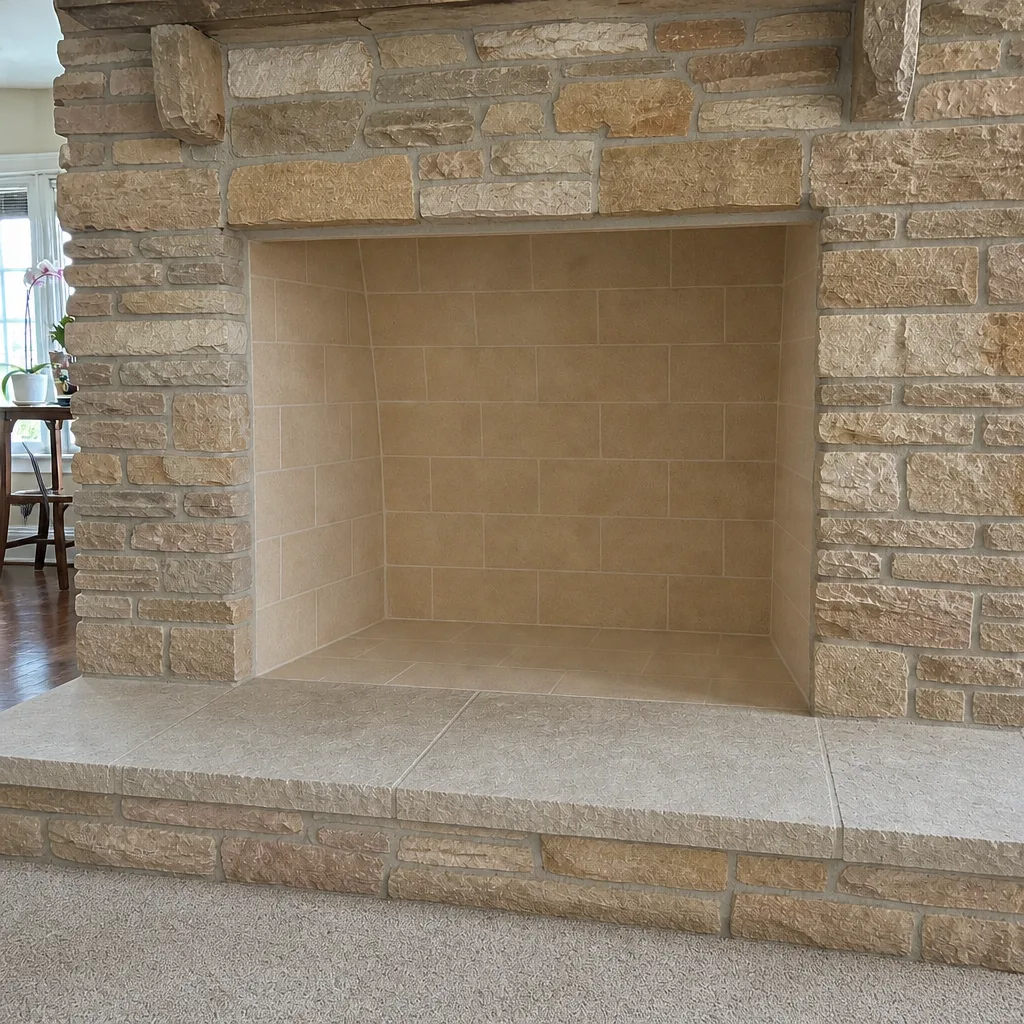
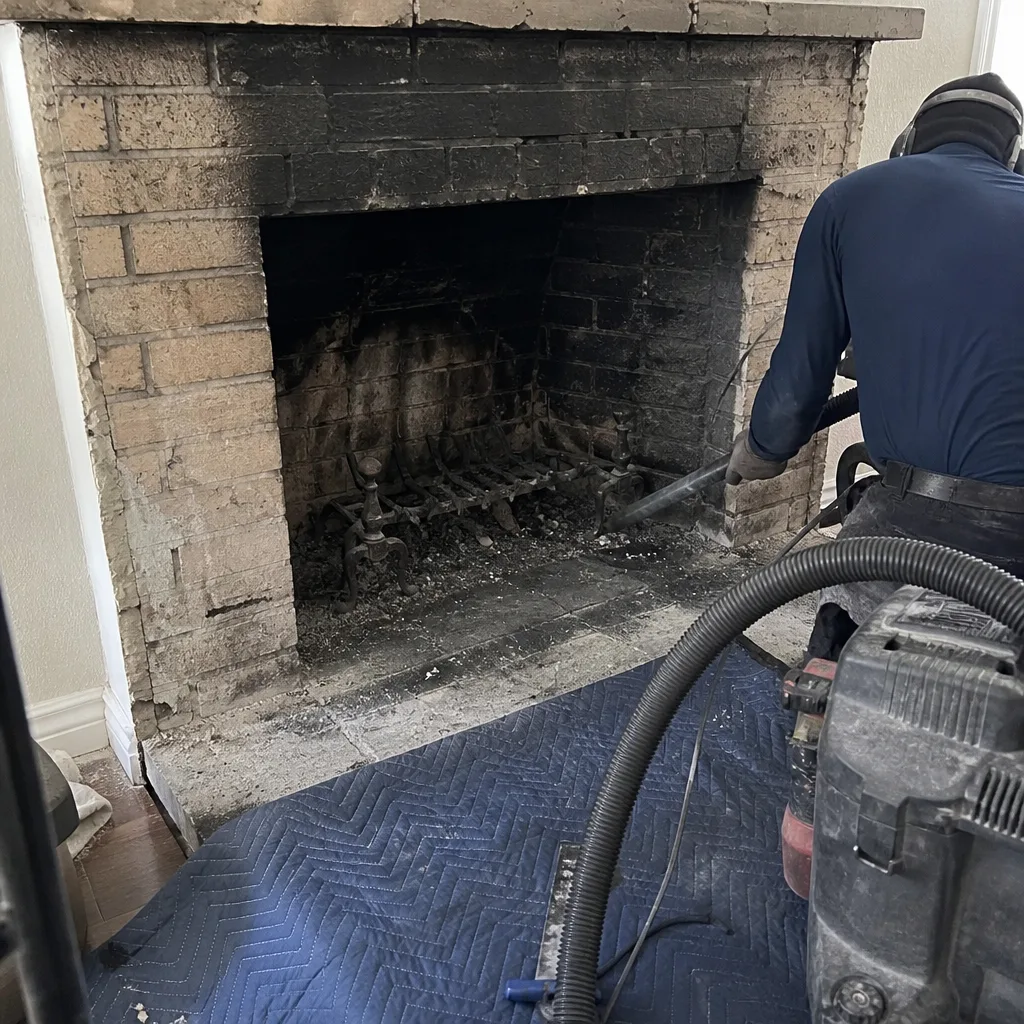
See the difference
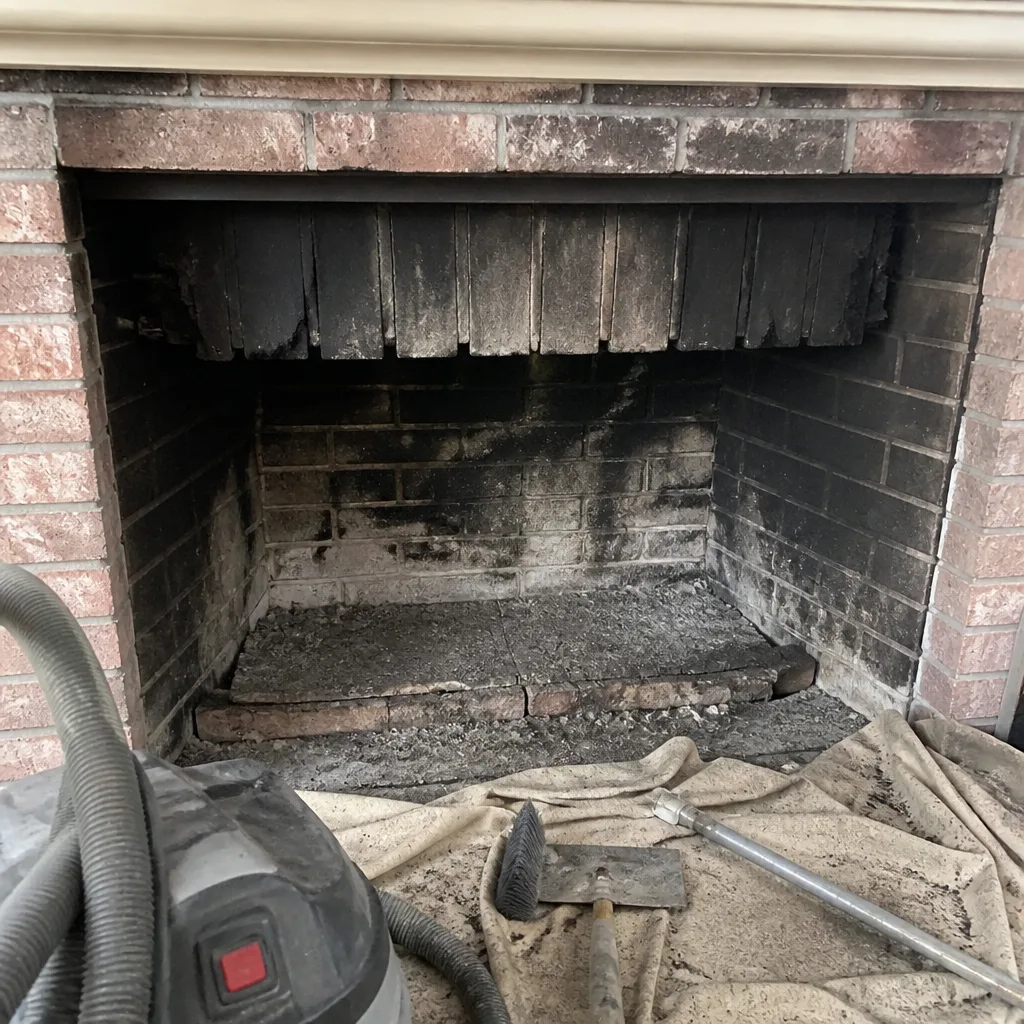 Before
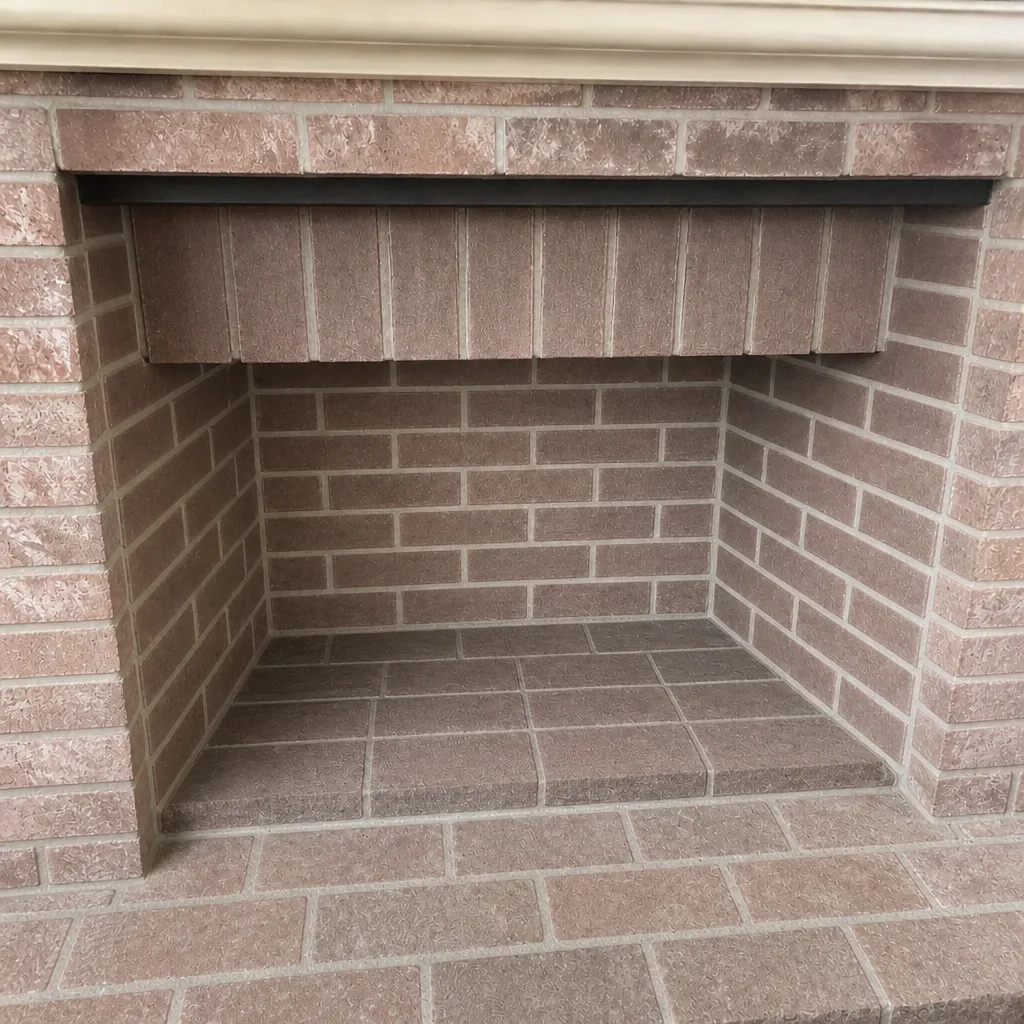 After
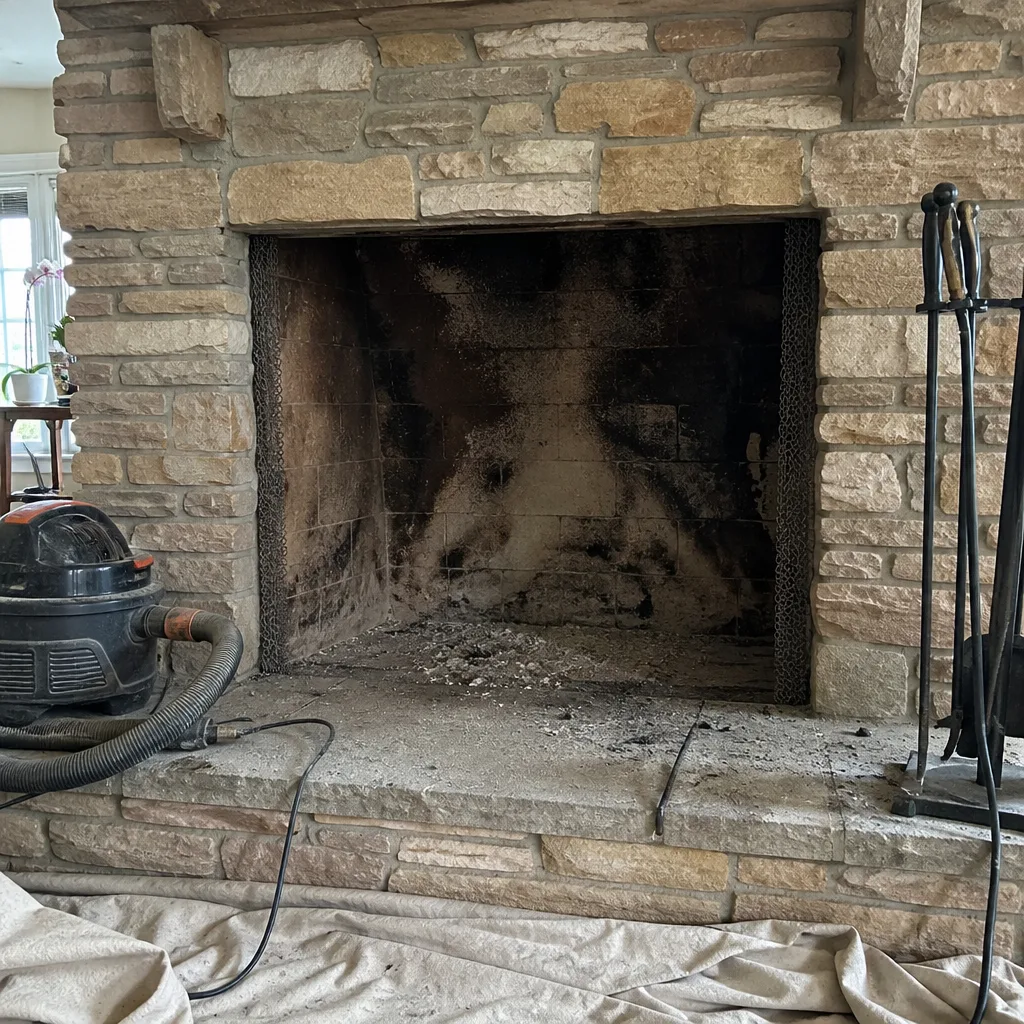 Before
 After
 Before
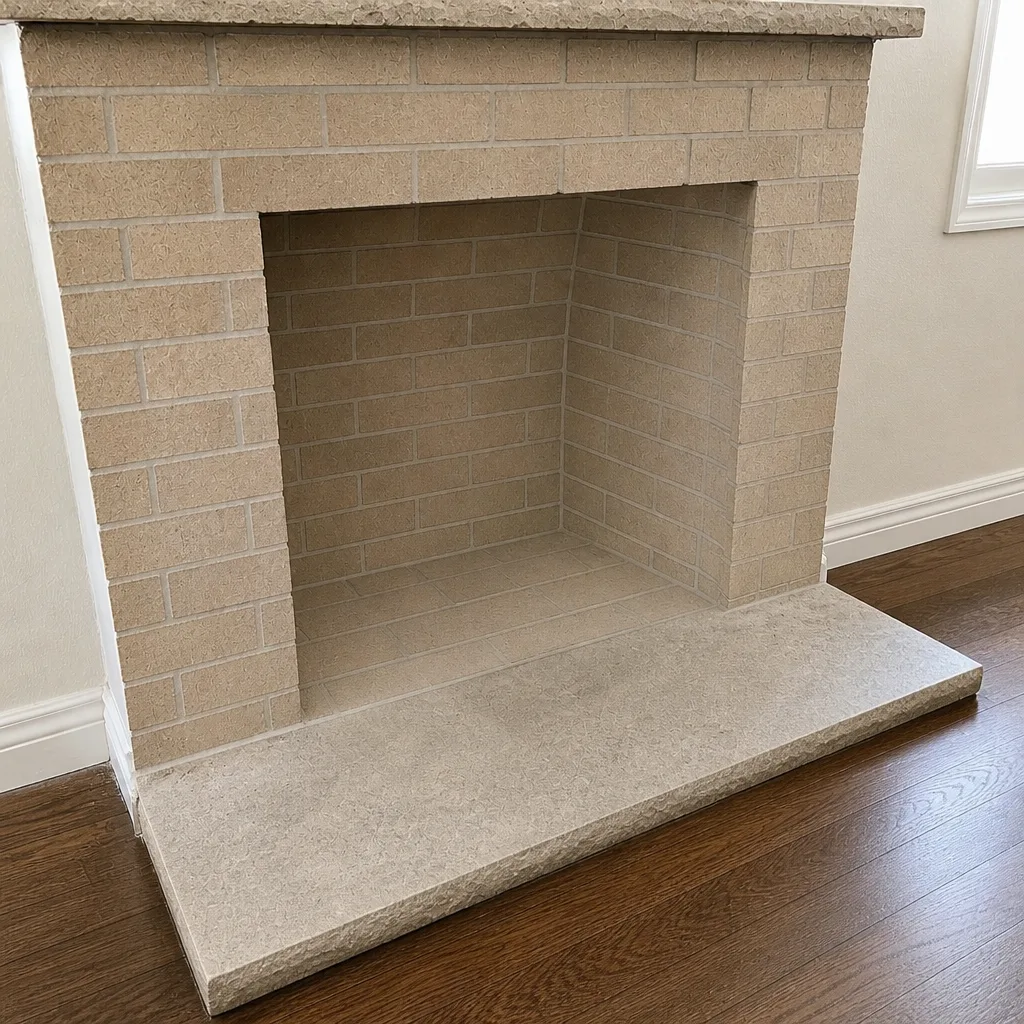 After
When to Call a Professional
Some situations call for a technician rather than a wait-and-see approach. Call if smoke rolls back into the room when you light a fire, if you smell a strong creosote odor even when the fireplace is cold, or if the damper or firebox shows visible damage. Call before using a fireplace that hasn’t been cleaned in more than a year, after any chimney fire (even a small one), or when you’ve changed the appliance or fuel type. If you’re buying or selling a home in Highlands Ranch, a Level 2 inspection before closing gives you a clear picture of the venting. And call if you see glazed, tar-like creosote inside the firebox, since that’s Stage 3 and needs professional attention. Grafton Chimney Sweep offers free estimates in Highlands Ranch. Call (833) 749-6226. We answer 24/7. Fast dispatch from 7am to 7pm, Sunday through Friday.
Frequently Asked Questions
A standard chimney cleaning with a Level 1 inspection is a modest, predictable expense, and the written estimate sets the final price. Costs vary with the chimney’s condition, the level of inspection, and whether repairs are needed. Call (833) 749-6226 for an exact quote. Estimates are free.
Once a year for any fireplace in regular use, and yearly is the right rhythm at this elevation even for lighter use because creosote accumulates faster than at sea level. Gas-converted fireplaces should also get an annual venting check. If you’ve noticed smoke or a strong smell, don’t wait for the yearly interval.
Not every damaged flue needs a full liner replacement. HeatShield liner resurfacing can restore many flues without a reline, and a full DuraFlex reline is reserved for cases where resurfacing isn’t enough. The right answer depends on what the inspection actually shows, which is why a technician should show you the camera evidence. If you can’t see the reason for the recommendation, ask to. Call (833) 749-6226 and we’ll walk you through it.
Yes. Gas appliances vent combustion byproducts including moisture and carbon monoxide, and the venting pathway still needs to be clear and intact. A fireplace converted from wood to gas may also have venting that doesn’t match the new appliance, which is exactly what a Level 2 inspection catches. Annual service keeps the whole system in check.
Creosote keeps building in layers, and at Stage 3 it becomes a glazed, highly flammable coating that raises fire risk and is hard to remove. A blocked or restricted flue can also cause combustion gases to back up into the home. Skipping the sweep doesn’t make the buildup go away; it just moves the problem toward a more expensive repair.
We repair what we find. HeatShield resurfacing and DuraFlex liner installation are handled as part of our service, so a problem found during the sweep can typically be addressed without sending you elsewhere. You get a written estimate before any repair work begins, so there are no surprises.
The Bottom Line
Chimney cleaning in Highlands Ranch is a diagnostic service, not a housekeeping chore. The 5,800-foot elevation means fires burn oxygen-lean and creosote builds faster, so yearly cleaning and inspection matters more here than the national guides suggest. A complete service covers the flue, the liner, and the smoke chamber, with a Level 1 inspection as the baseline and a Level 2 when something has changed. Newer homes with gas-converted fireplaces need annual attention too, and the dryer vent deserves a spot on the same checklist. When a problem turns up, resurfacing or relining keeps the repair in capable hands. If you want the work done right and the findings explained, that’s what a proper sweep provides. For chimney service in Highlands Ranch, call us for a free estimate and a clear look at what your flue actually needs.
Ready to schedule? Call Grafton Chimney Sweep at (833) 749-6226 for a free estimate on chimney sweep service, dryer vent cleaning, or chimney repair. We answer 24/7. Fast dispatch from 7am to 7pm, Sunday through Friday. Our technicians have up to 15 years of experience, and we work with professional-grade materials including HeatShield, DuraFlex, Gelco, Olympia Chimney, Famco, and Copperfield. We repair what we find, in the same visit, so you’re never left with a report and a referral.
Written by the team at Grafton Chimney Sweep.