
Last updated November 15, 2026
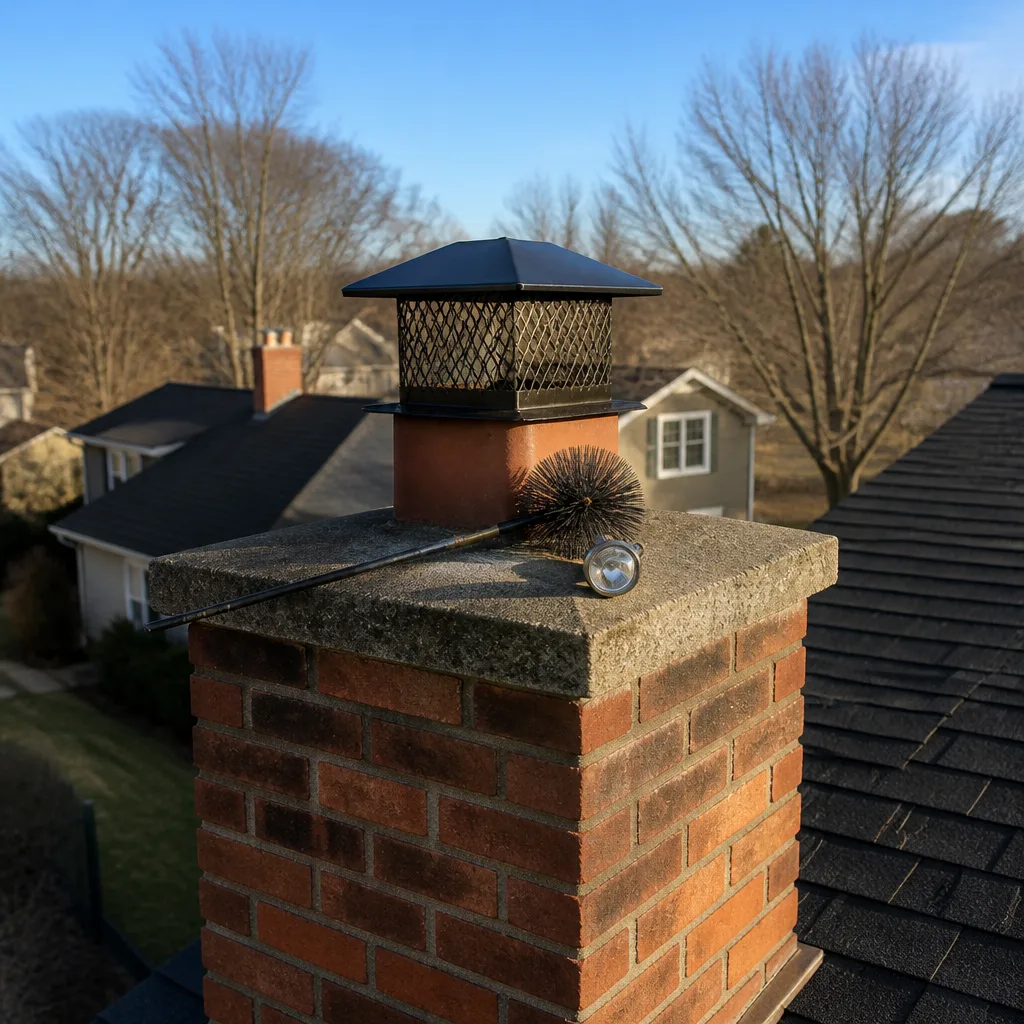 Sweep & inspection
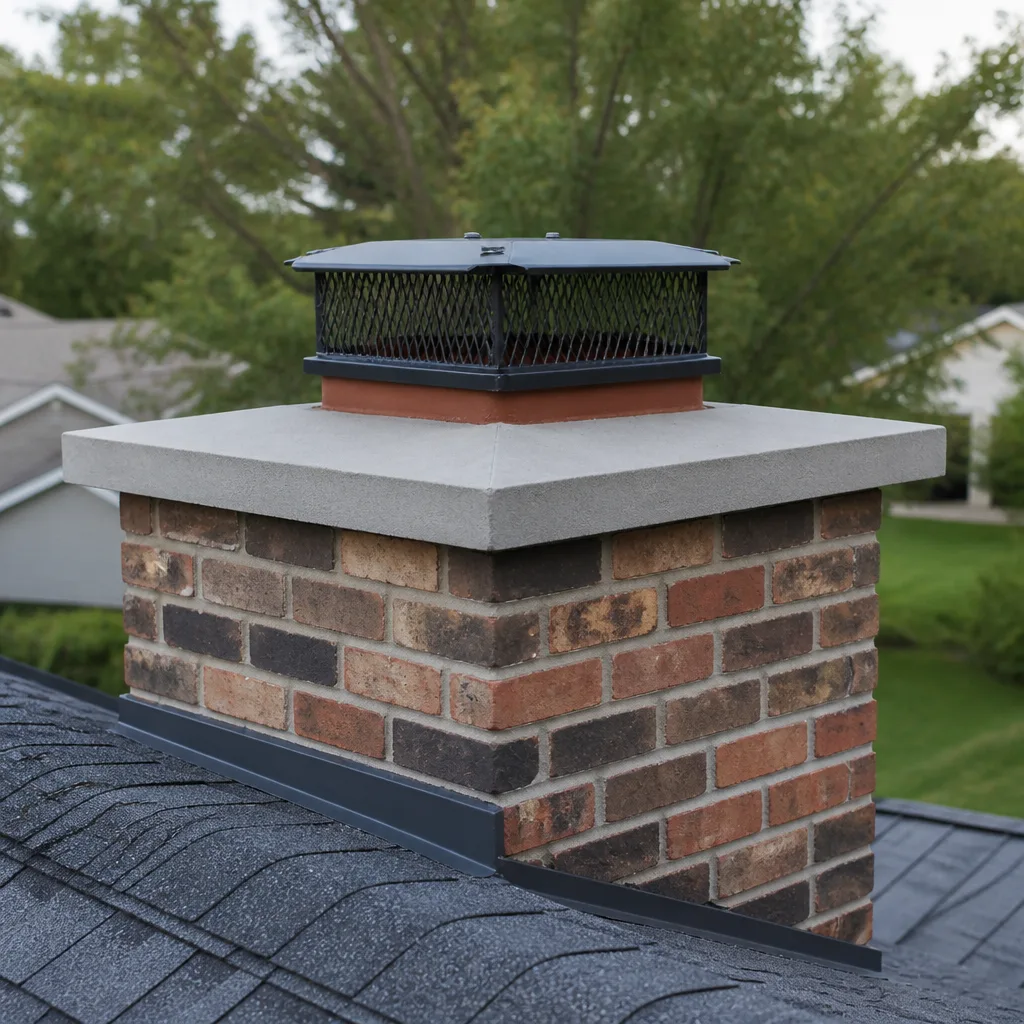 Caps & crowns
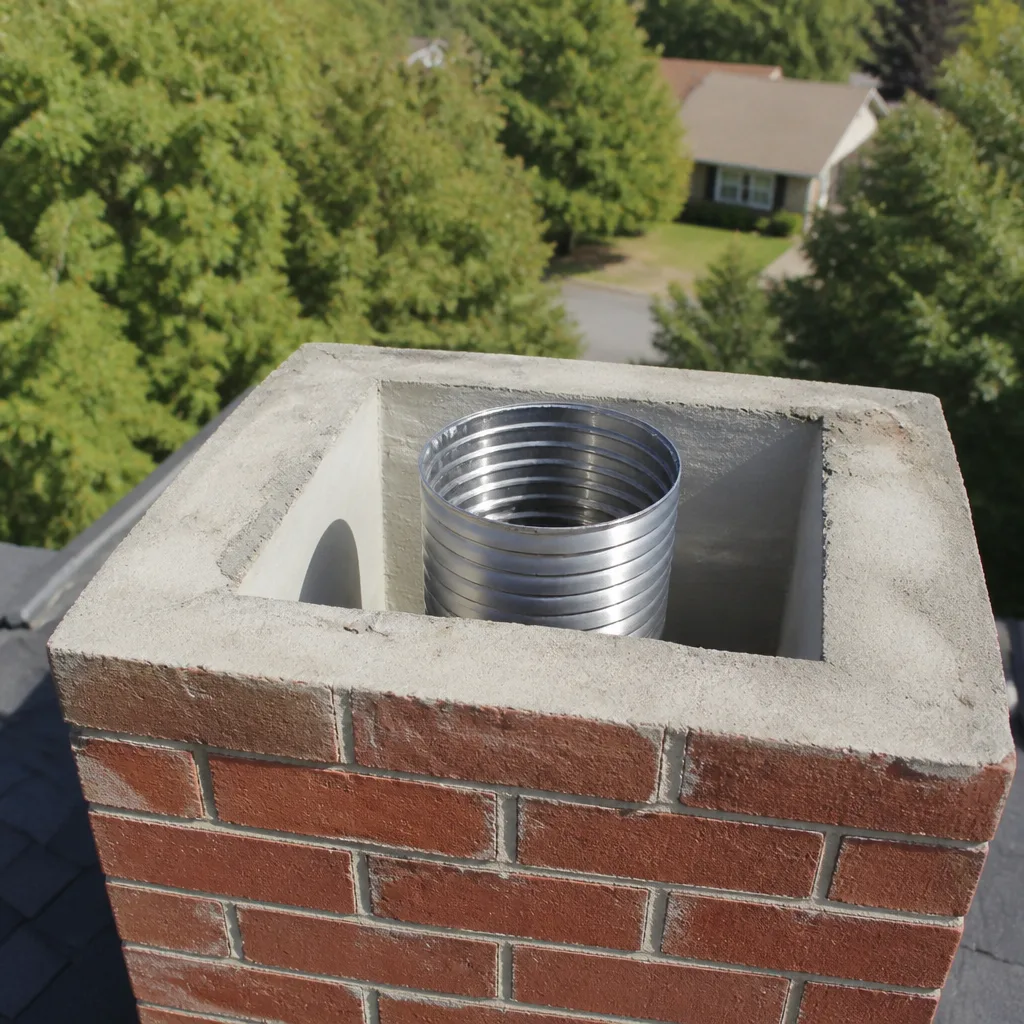 Flue relining
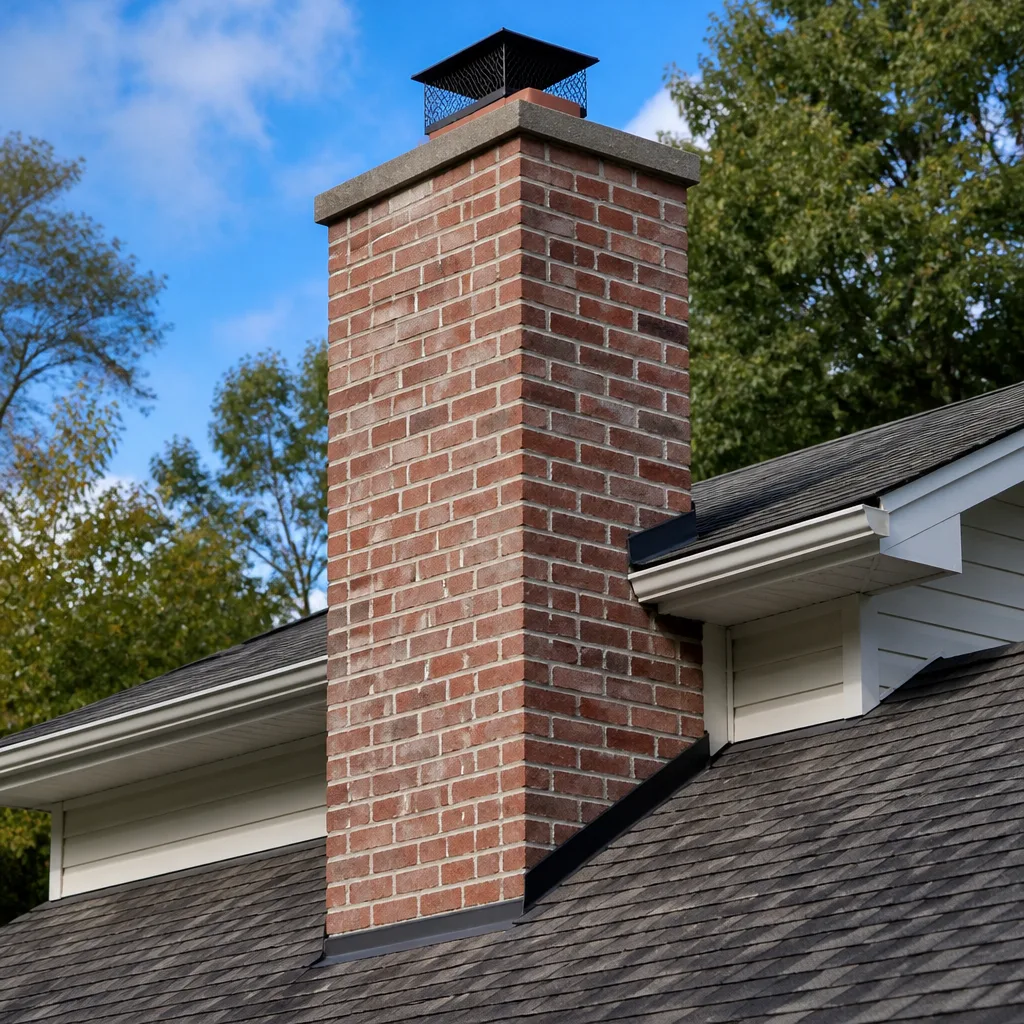 Masonry repair
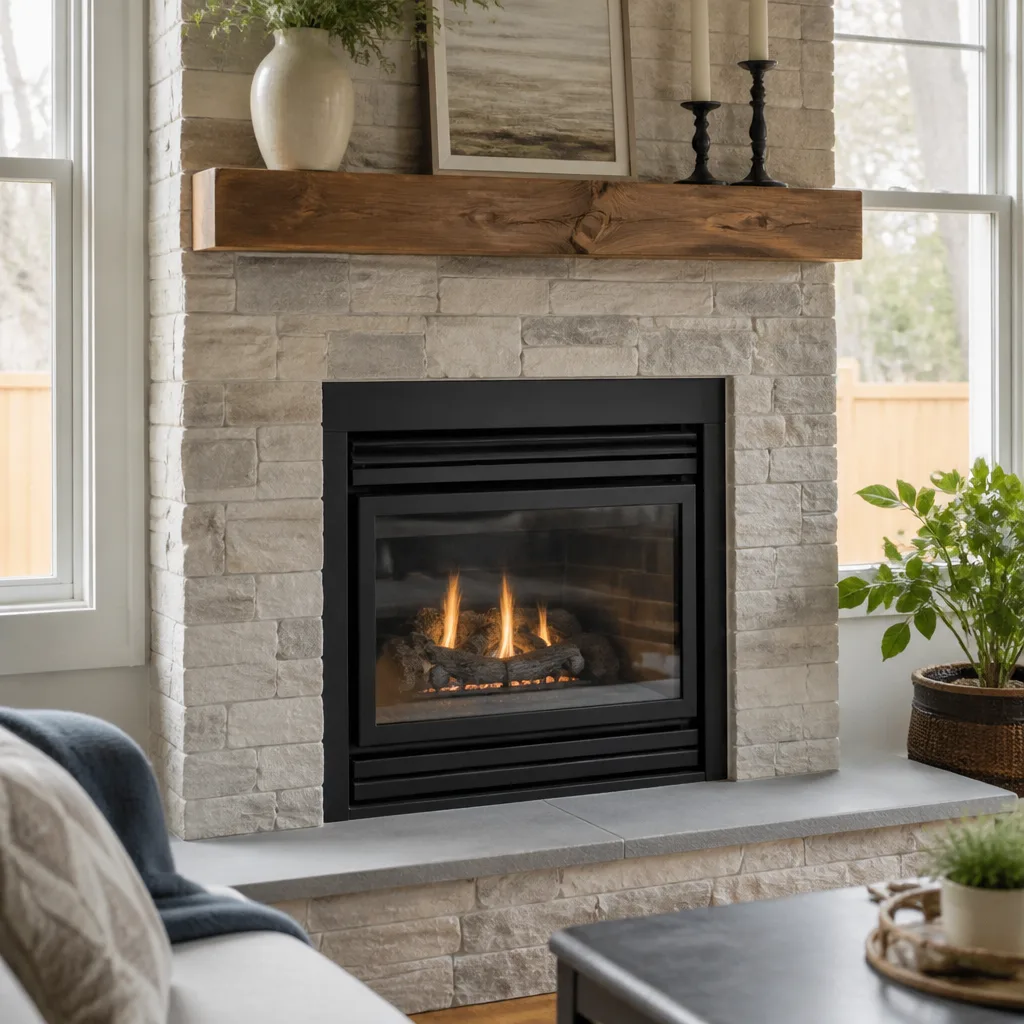 Gas fireplace service
Level 1 sweep and inspection to the NFPA 211 annual standard - flue, crown, cap, and flashing checked and photographed
Chimney sweep logs do not sweep chimneys. They loosen some creosote - which then falls where a brush and vacuum still have to collect it.
How to Hire a Chimney Cleaning Contractor in Highlands Ranch: A Step-by-Step Guide
Any handyman with a brush kit can call themselves a chimney sweep in Colorado. There’s no state licensing requirement for the trade, which means the credential vetting falls entirely on you. That’s the part most homeowners don’t realize until they’re standing in their living room listening to a pitch for a liner they can’t verify. Hiring well in Highlands Ranch comes down to knowing what to ask, what a real scope of work looks like, and how to tell a genuine trade professional from a franchise technician who cleans but can’t repair what he finds. This guide walks you through that screening process step by step, from the first phone call to the signed agreement.
Quick Answer
To hire a chimney cleaning contractor in Highlands Ranch, verify CSIA certification, ask specifically what the sweep includes and whether the company performs its own repairs, insist on a written estimate before any work starts, and compare bids line by line rather than by bottom-line total. The contractor should be able to show you what they found on camera and put the findings in writing. Expect an estimate that names the scope, the materials, and the warranty, and treat any pressure to approve repairs on the spot as a reason to slow down.
Styles & brands we work with
- Sweep & inspection
- Caps & crowns
- Flue relining
- Masonry repair
- Gas fireplace service
Table of Contents
- What Does CSIA Certification Actually Mean?
- What Questions Should You Ask a Certified Sweep?
- Why Hiring a Clean-and-Repair Contractor Matters
- How Do You Verify a Contractor Actually Stocks Repair Materials?
- How Do You Compare Quotes When Line Items Differ?
- What Should a Service Agreement Include?
- Red Flags Specific to Chimney Services
- The Step-by-Step Hiring Process
What Does CSIA Certification Actually Mean?
CSIA certification means the technician has passed a written and practical exam administered by the Chimney Safety Institute of America and maintains continuing education to keep it current. It is a voluntary credential, not a government license, and it is not required to hang a shingle in Colorado. That’s exactly why it carries weight: a sweep who pursued certification chose to be tested when nothing forced them to.
The certification covers the full scope of chimney and venting work, not just brushing a flue. A certified technician has been tested on inspection standards, venting principles, and the building codes that govern how a chimney should be constructed and maintained. That knowledge matters most during the inspection, which is where problems are actually found. A sweep who only knows how to run a brush will clean your flue and miss a cracked crown or a failing liner joint.
What certification does not tell you is whether the company can fix what it finds. Plenty of certified sweeps work for outfits that clean only and refer repair work elsewhere. Certification is the floor, not the ceiling. In our experience, the more useful question isn’t “are you certified” but “what does your certification let you do beyond cleaning.”
When you call, ask for the certification status of the technician who will actually be in your home, not the company generally. A firm can hold certification at the corporate level while sending an uncertified helper. There’s nothing wrong with a trained helper on the job, but the person performing the inspection should be the certified one.
What Questions Should You Ask a Certified Sweep?
Ask a certified sweep what they inspect, how they document findings, and whether their company performs the repairs they recommend. The answers separate a real trade operation from a brush-and-go service. Here are the questions worth asking before you book:
- What does the sweep include? A real answer names the flue, the firebox, the damper, the smoke chamber, and the cap. It should include a visual inspection at minimum, and a camera inspection if the company offers one.
- Will I see photos or video of what you find? A sweep who can show you the inside of your flue on a screen is a sweep you can trust to diagnose. If the answer is “you’ll have to take my word for it,” keep looking.
- Does your company do the repairs, or do you refer them out? This one question tells you whether you’re getting a full-service contractor or a lead generator.
- What brands of liner and repair materials do you install? Professional-grade materials have names. If the answer is vague, the materials probably are too.
- Can I get the estimate in writing before any work starts? Every legitimate contractor says yes. The ones who hesitate are telling you something.
- What’s your liability coverage? Ask whether the company carries liability insurance that covers damage to your home during the work. A contractor who can’t answer is a contractor who hasn’t thought about it.
You don’t need to ask all six in one call. Two or three will usually tell you what you need to know. A contractor who can talk fluently about flue liners, draft, and creosote build-up is a contractor who knows the trade. A contractor who talks only about price is a contractor selling a service, not performing one.
Why Hiring a Clean-and-Repair Contractor Matters
Hiring a contractor who can both clean and repair means problems found during the sweep get addressed in the same engagement, instead of becoming a report and a referral. This is the single biggest practical difference between a full-service chimney company and a sweep-only outfit. The sweep-only company cleans your flue, writes up a finding, hands you a business card for a liner installer, and leaves. Now you’re back to vetting a second contractor, and the installer has every incentive to agree that the liner needs replacing because that’s the work he does.
A contractor who performs both services has no such conflict of interest. The person who inspected the flue is the person who fixes it, which means the diagnosis and the repair are accountable to the same company. If the finding was wrong, they own it.
This matters in Highlands Ranch for a concrete reason. Homes here sit at elevation along the Front Range, where the heating season runs long and the furnace and fireplace work hard for months at a stretch. That’s not unique to Highlands Ranch, but the combination of extended burn seasons and the housing stock in neighborhoods like Northridge and Westridge means flues get used heavily and problems surface in the same places: cracked crowns, deteriorated mortar joints, and liner joints that loosen over time. A sweep who can only clean will note those problems and leave. A contractor who does liner resurfacing and flexible liner installation can resolve them.
Ask the question directly: “If you find a problem during the sweep, can you fix it?” The answer you want is a version of “yes, here’s how we’d approach it.” The answer you don’t want is “we’ll refer you.”
If you want to see what a full-service Grafton Chimney Sweep visit looks like in practice, the scope of what we clean and repair is laid out in plain terms.
How Do You Verify a Contractor Actually Stocks Repair Materials?
You verify a contractor’s material capacity by asking them to name the products they install and explain when they’d use each one. A contractor who genuinely stocks professional-grade materials can tell you the difference between a HeatShield resurfacing application and a DuraFlex flexible liner installation, because those are different tools for different problems. A contractor who doesn’t will speak in generalities.
Here’s what to listen for. If a flue is damaged but structurally sound, resurfacing products like HeatShield can restore the interior without pulling the whole liner out. If the flue is compromised enough that resurfacing won’t hold, a flexible stainless system like DuraFlex is the right path. Those are two different repair strategies, and a contractor needs both to be honest about which one your chimney actually requires. A company that only sells liners will always find a reason to sell you a liner.
Ask the contractor to walk you through which brand they’d use for your specific chimney and why. The answer should reference the condition of the flue, not the price of the material. Copperfield is another name worth recognizing, as are Gelco and Olympia Chimney. The point isn’t that you need to memorize brand names. The point is that specificity signals a contractor who works with professional-grade materials rather than commodity hardware-store substitutes.
One more verification step: ask whether the repair work is done in-house or subcontracted. A company that subcontracts its liner work is a company that doesn’t control the quality of the install. The materials it names may never touch your chimney. Full-service means the same company that found the problem is the one that fixes it.
How Do You Compare Quotes When Line Items Differ?
You compare quotes by normalizing them against a common scope, not by comparing totals. Bids for chimney work are notoriously hard to read side by side because contractors describe the same work differently. One bid says “sweep and inspect.” Another says “Level 1 inspection, flue cleaning, firebox cleaning, cap check.” They may be the same job or they may not, and the total tells you nothing about which.
The remedy is to build your own comparison grid. Write down every line item that appears on any of the bids you’ve collected, then check which bids include each one. The gaps are where the real differences hide.
- Scope of cleaning: Is the firebox, damper, and smoke chamber included, or just the flue?
- Inspection level: Visual only, or camera inspection with documentation?
- Documentation: Photos, video, or a written report included?
- Repair items: Cracked crown, mortar repair, cap replacement, liner work – listed separately or lumped in?
- Materials: Named brands, or “stainless liner” with no specification?
- Warranty: What’s covered, for how long, and on what?
- Cleanup and disposal: Debris removal included or an extra charge?
Once you’ve built that grid, the lowest total often turns out to be the bid with the thinnest scope. That’s not a reason to assume the cheapest contractor is cutting corners. It’s a reason to ask each contractor to confirm what’s included before you choose. A contractor who welcomes that conversation is a contractor who wrote a complete scope in the first place.
For a closer look at what a straightforward chimney sweep should cover, the standard scope is a useful baseline when you’re reading bids.
What Should a Service Agreement Include?
A legitimate service agreement should include the scope of work, the materials to be used, liability coverage, and warranty language, all in writing before any work begins. If any of those four are missing, the agreement isn’t finished. Here’s what each one should contain:
Scope of work. A written description of exactly what the contractor will do, itemized. Not “chimney service” but “sweep flue, clean firebox, inspect damper, photograph liner joints.” The scope should also state what is not included, so there’s no ambiguity about add-ons later.
Materials and methods. If repair or liner work is involved, the agreement should name the materials and describe the method. A HeatShield resurfacing application is different from a DuraFlex liner installation, and the agreement should say which one is being performed and why.
Liability and insurance. The agreement should confirm the contractor carries liability coverage for damage to your home. Ask for the certificate if you want to see it in writing. This is standard practice in the trade and a legitimate contractor will provide it without friction.
Warranty. Repair work should come with warranty language that states what’s covered, for how long, and what would void it. A liner installation without a written warranty is a liner installation you’re taking on faith.
Payment terms and estimate finality. The written estimate sets the final price. The agreement should say so, and it should state clearly whether the estimate is binding or subject to change if the contractor finds something unexpected once work starts.
Read the agreement before you sign it. If a contractor is unwilling to put the scope, materials, and warranty in writing, that’s the clearest signal you’ll get that the agreement isn’t meant to protect you.
Red Flags Specific to Chimney Services
Watch for vague scopes of work, pressure to approve repairs on the spot, and no written estimate. Those three cover most of the trouble homeowners run into. Here’s the fuller list of what to watch for:
- Vague scope of work. A contractor who describes the job as “a full chimney cleaning” without itemizing what’s included is keeping the scope loose on purpose. Ask for specifics in writing before you book.
- Pressure to approve repairs on the spot. A sweep who finds a problem and immediately pushes you to authorize repair work the same visit is rushing the decision. A legitimate contractor will show you the evidence, write up the finding, and let you decide on your own timeline. There’s no fire-safety reason a non-emergency repair can’t wait a day for you to think it through.
- No written estimate. If the price is delivered verbally and never put on paper, you have no protection. The written estimate sets the final price, and a contractor who won’t provide one isn’t giving you a price, they’re giving you a number.
- No camera or photo documentation. A sweep who can’t show you what they found is asking you to trust a diagnosis you can’t see. Camera inspection and a photo report are how a real contractor proves what they’re telling you.
- Repairs referred out. A sweep-only company that hands you a card for a liner installer is a company that doesn’t stand behind the repair. You want the same company doing the finding and the fixing.
- Materials described in generalities. “Stainless liner” and “professional-grade materials” mean nothing without brand names. Ask which products they install and why they’d choose one over another for your chimney.
- No liability coverage. A contractor who can’t confirm liability insurance is a contractor who’s leaving you exposed if something goes wrong in your home. Ask before you book, not after.
None of these red flags require you to be an expert to spot. They require you to ask the questions in this guide and to notice when the answers are thin.
The Step-by-Step Hiring Process
Here’s the hiring process condensed into the order you’d actually do it. Work through these steps in sequence and you’ll screen out the wrong contractors before they set foot in your home.
- Define the job. Decide whether you need a routine cleaning and inspection or whether you have a known problem to diagnose. Write down what you want done so you can compare bids against a fixed scope.
- Collect three bids. Get quotes from three contractors so you have a baseline. Two is too few to spot an outlier; four is more work than the decision warrants.
- Ask the six questions. Use the certification and scope questions above on each contractor. Note who answers fluently and who deflects.
- Verify certification and insurance. Confirm the technician’s CSIA status and the company’s liability coverage in writing.
- Ask about repair capability. Confirm the company performs its own repairs and ask which brands of liner and resurfacing materials it installs.
- Build your comparison grid. Normalize the bids against a common scope so you’re comparing the same work, not just the same total.
- Review the written estimate and agreement. Confirm the scope, materials, liability, and warranty are all in writing before you authorize any work.
- Book the sweep. Schedule the cleaning and inspection, and plan to be present for the findings so you can see the documentation yourself.
If you’re in a neighborhood like Highlands Ranch’s Northridge or Westridge and your home has an older masonry chimney, add a step between four and five: ask the contractor whether they perform resurfacing or only full relining. Those are different capabilities, and the answer tells you a lot about how the contractor will approach a damaged flue. A full-service company can offer both and explain when each is appropriate. A sweep-only company can offer neither, and a liner-only company will push a replacement before it’s necessary.
That last point is the one homeowners worry about most, and it’s worth saying plainly: nothing should be recommended without camera evidence you can see for yourself. If a contractor can’t show you the problem on screen, the recommendation isn’t verified. And some findings genuinely can wait. A hairline crack in a crown that isn’t causing water intrusion is a watch item, not an emergency. A legitimate contractor will tell you that.
Common Mistakes to Avoid
- Choosing on price alone. The lowest bid is often the thinnest scope, and you find out what’s missing after the contractor has left. Compare line items, not totals.
- Not asking whether the company does repairs. If you book a sweep-only outfit and they find a liner problem, you’re starting the vetting process over with a new contractor. Ask the question on the first call.
- Approving repair work on the spot without documentation. A contractor who pushes for same-day approval is rushing you past the evidence. Ask to see the camera footage before you decide anything.
- Skipping the written estimate. A verbal price gives you nothing to hold anyone to. The written estimate sets the final price, and it should exist before work starts.
- Not asking about materials by name. Professional-grade materials from recognized brands like HeatShield, DuraFlex, and Copperfield have names you can verify. Generic descriptions are a warning sign.
- Ignoring the dryer vent. Chimney and dryer vent safety go together. A contractor who cleans flues but never mentions the dryer vent is leaving part of the home’s fire risk unaddressed. Dryer vent cleaning is part of a complete safety visit, not an add-on.
- Assuming certification is a license. It isn’t. CSIA certification is a voluntary credential, which means it’s one useful signal among several, not a guarantee of the full scope of work.
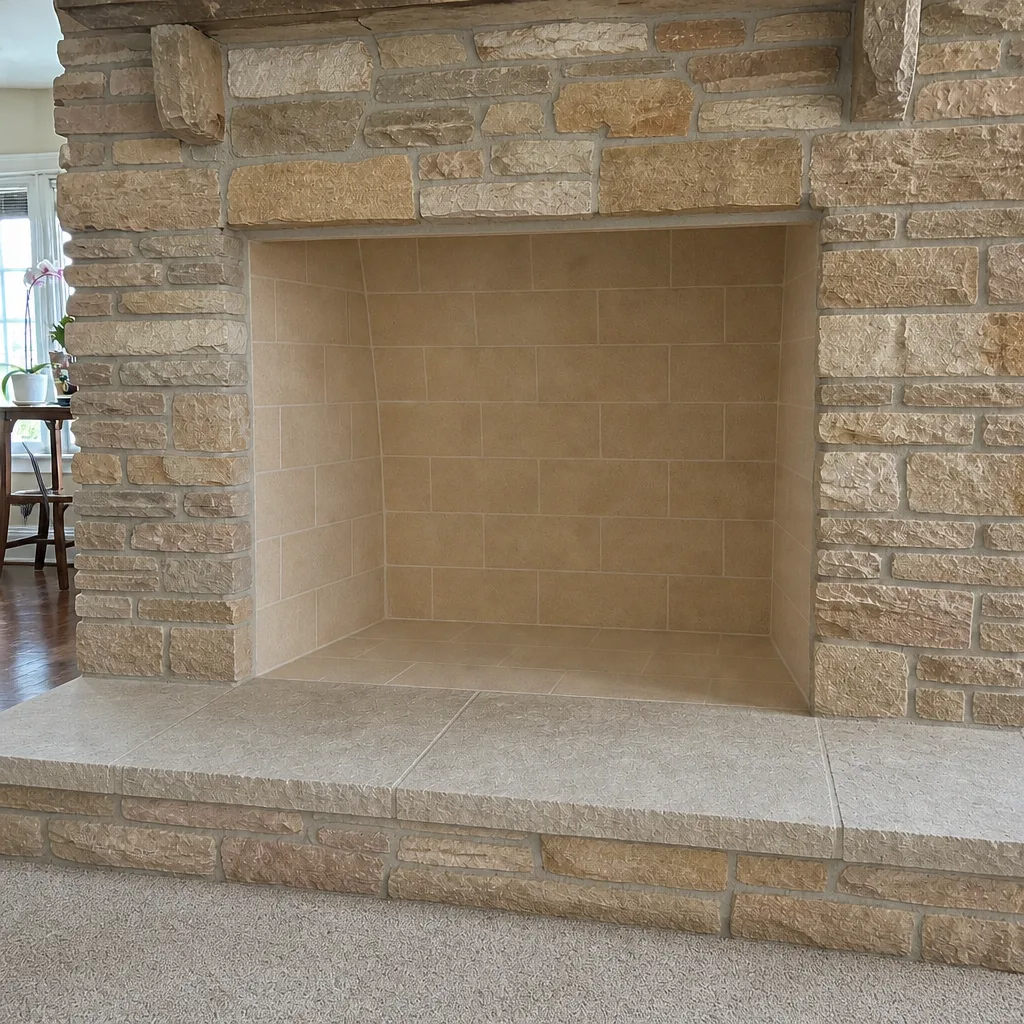
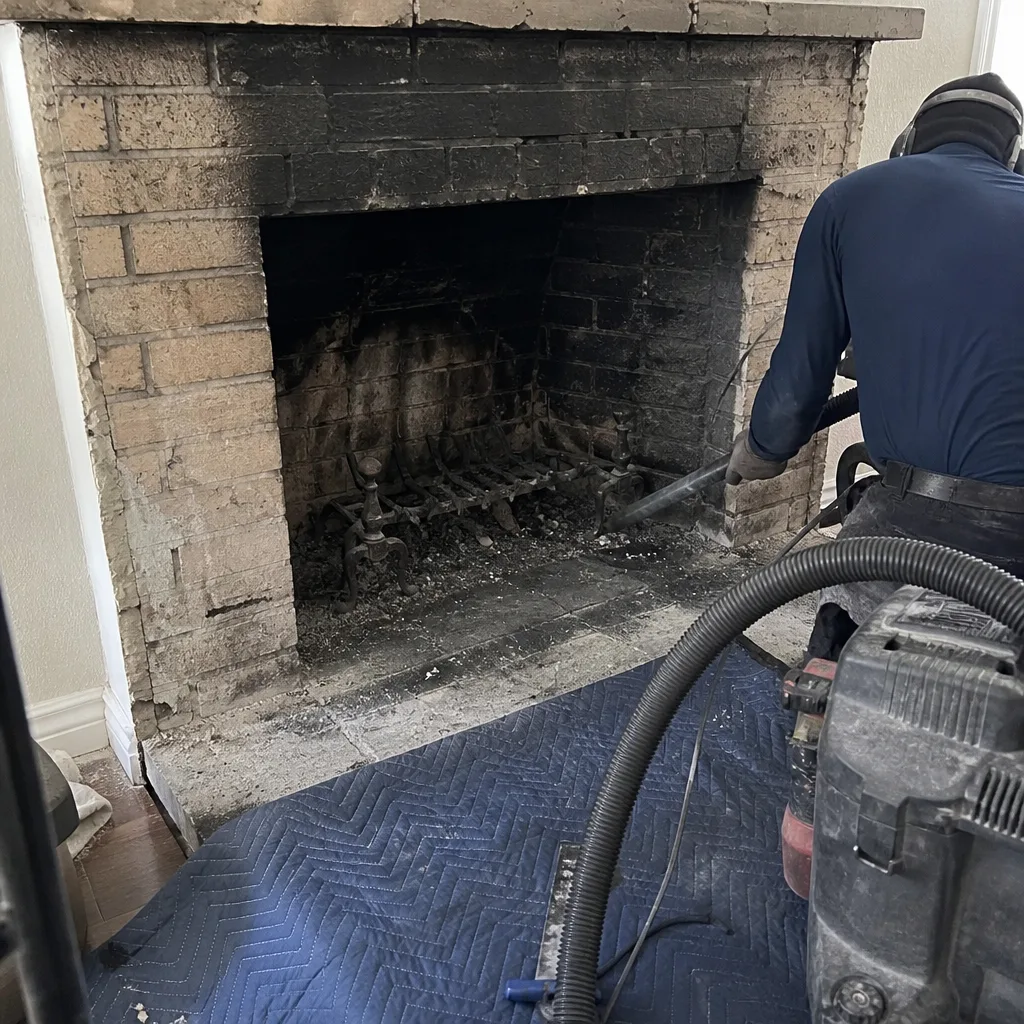
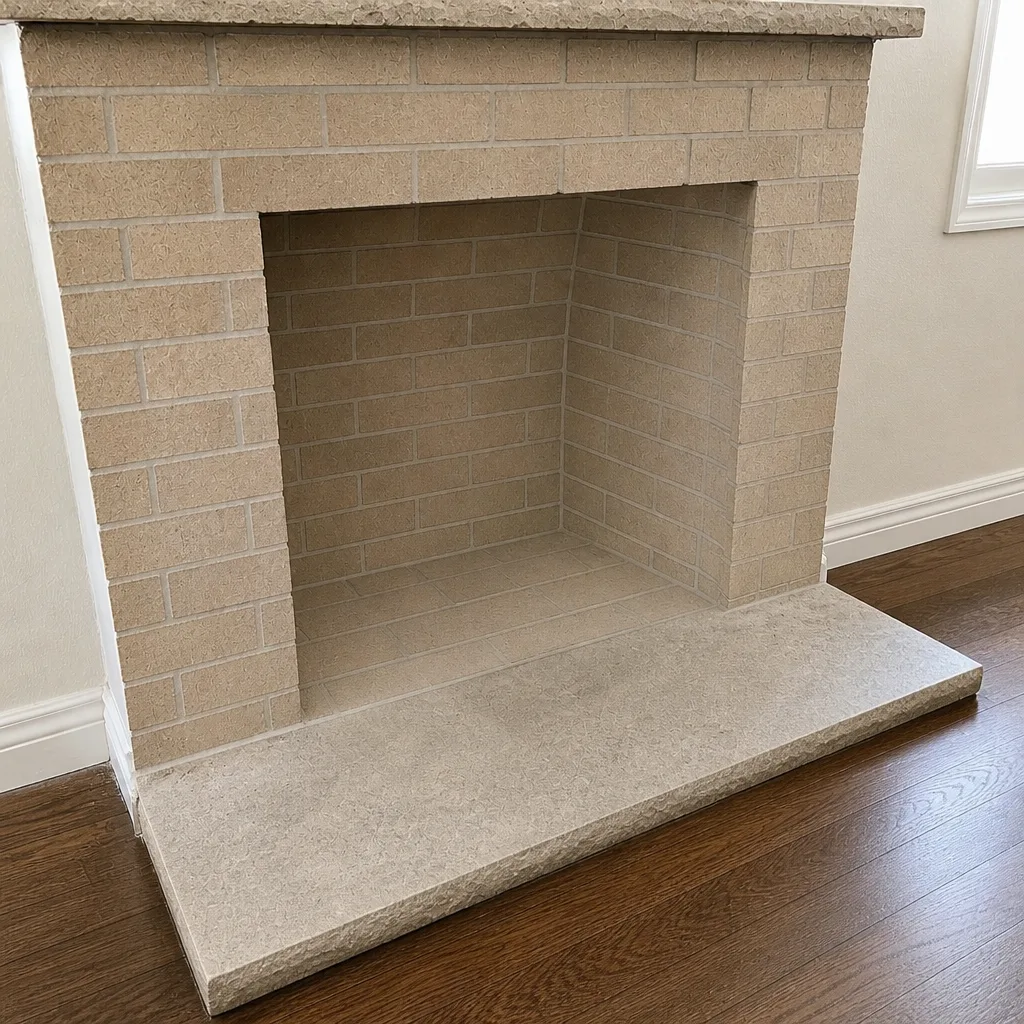
See the difference
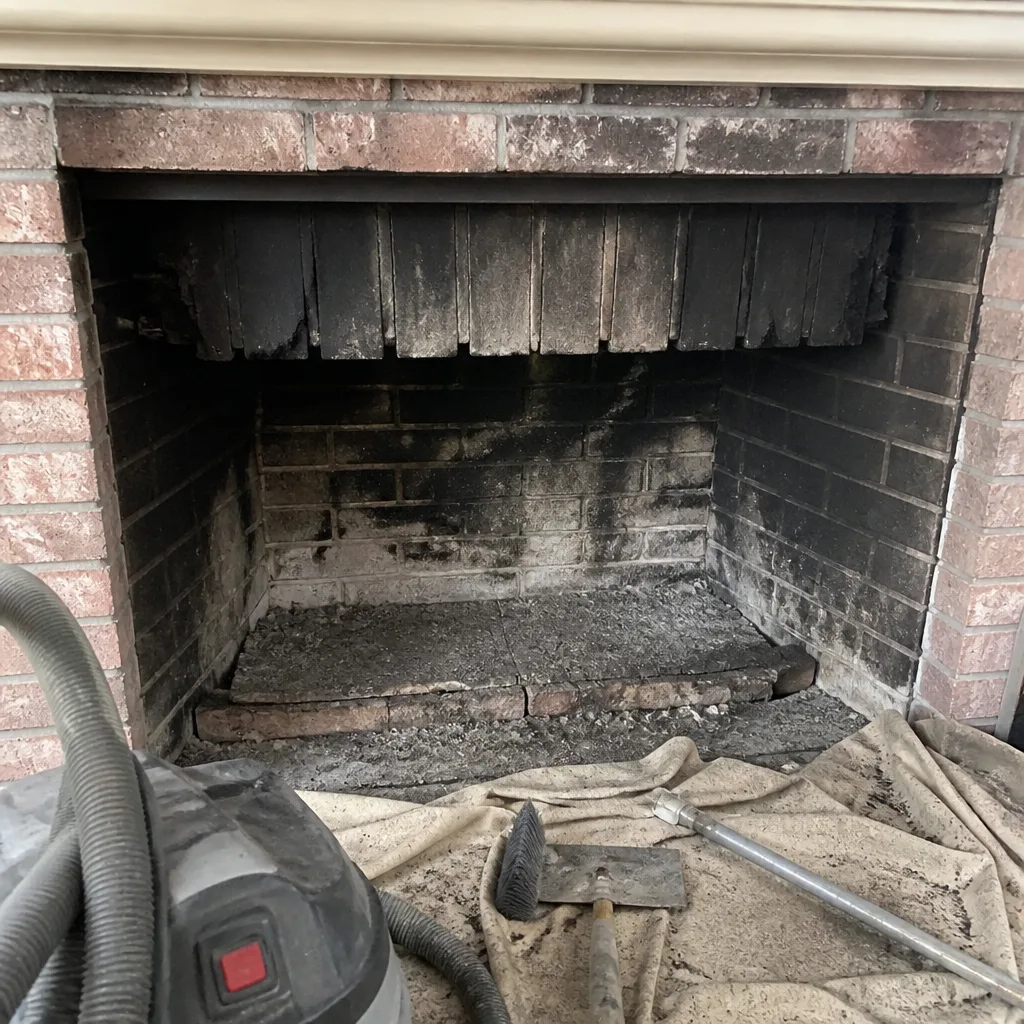 Before
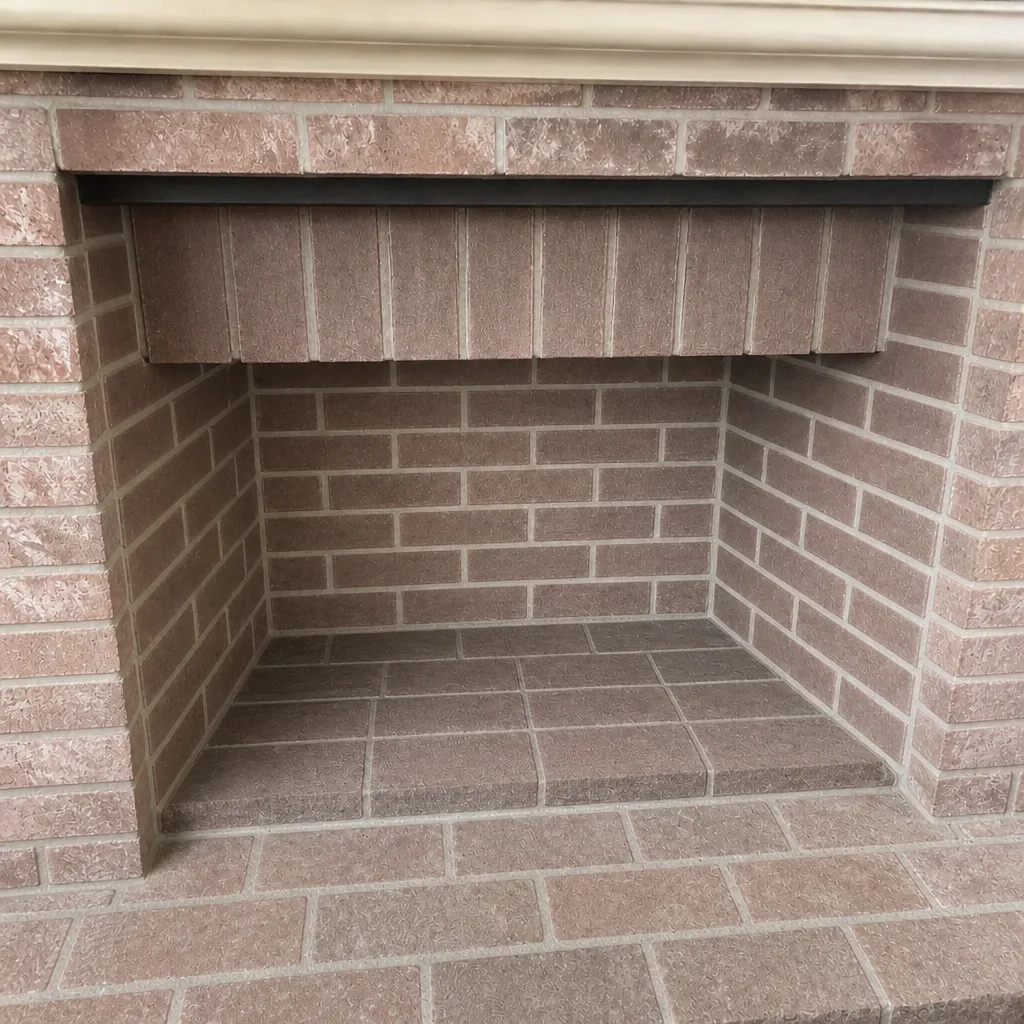 After
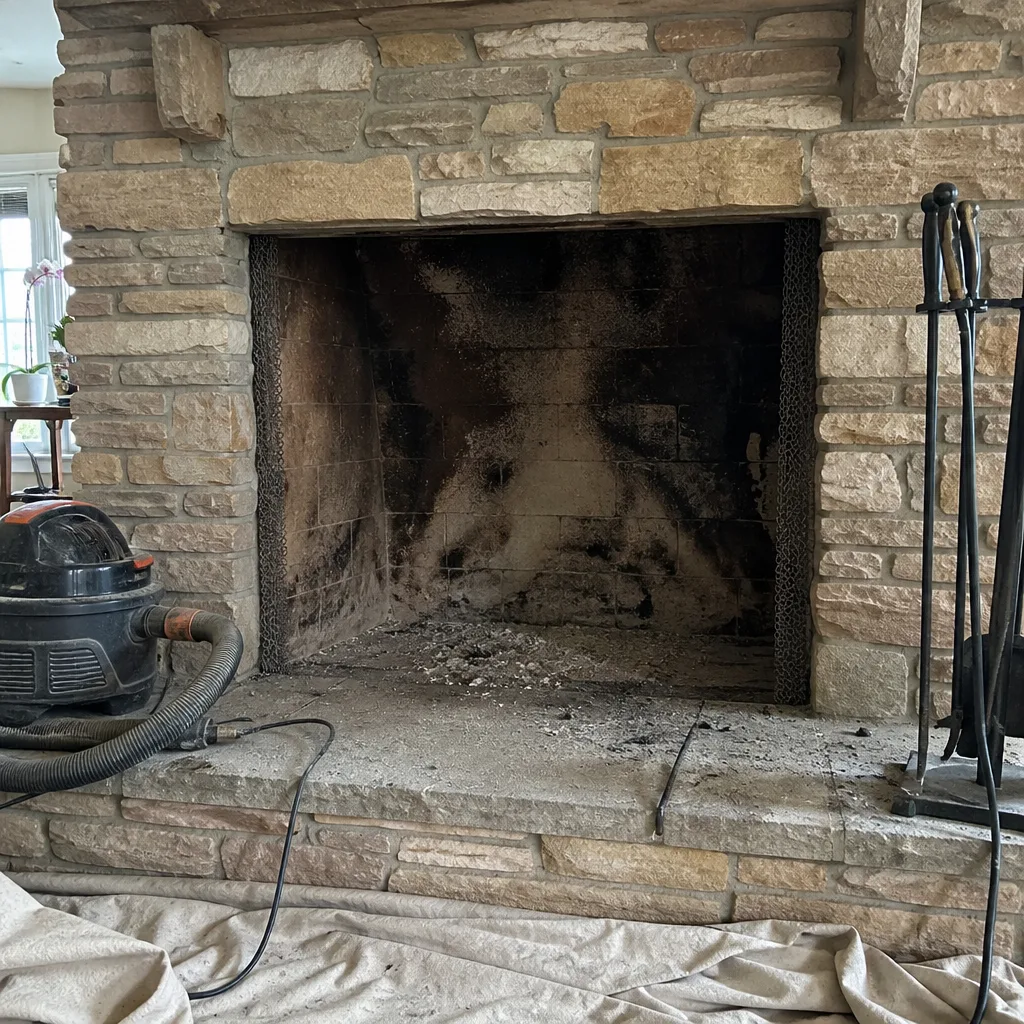 Before
 After
 Before
 After
When to Call a Professional
Call a professional when your flue hasn’t been cleaned in a year or more of regular burning, when you notice a strong creosote smell or soot falling back into the firebox, or when you see cracked masonry, a damaged crown, or loose flashing on the outside of the chimney. Call before burning season rather than after, since a clean flue and a verified liner are what let you burn safely through the winter. Call if you can’t remember the last time the chimney was inspected, or if you’ve never had the dryer vent cleaned. And call if a previous contractor handed you a repair recommendation you couldn’t verify: a camera inspection and a photo report will tell you what’s actually going on.
The single most common reason to call is fire prevention. Creosote buildup in the flue is what feeds a chimney fire, and it accumulates with every burn. A sweep removes it. A blocked or disconnected flue is what lets carbon monoxide back into the home instead of venting it outside, and a failing liner is one way that happens. Those two risks are why sweeping and inspection aren’t optional maintenance on a home with a working fireplace.
Grafton Chimney Sweep offers free estimates in Highlands Ranch. Call (833) 749-6226. We answer 24/7. Fast dispatch from 7am to 7pm, Sunday through Friday. Our technicians have up to 15 years of experience, and we repair what we find in the same engagement, so a sweep that turns up a liner problem doesn’t send you looking for a second contractor.
You can also see what service looks like in Highlands Ranch before you book.
Frequently Asked Questions
A legitimate chimney sweep in Highlands Ranch holds CSIA certification, provides a written estimate before work starts, documents findings with photos or video, and can tell you which brands of repair materials they install. Colorado doesn’t license the trade, so these checks replace the license verification you’d do in another state. Ask for the certification status of the technician who’ll actually be in your home, confirm the company carries liability coverage, and ask whether repairs are done in-house or referred out. A contractor who answers all of that fluently is the one you want.
Yes, it matters a great deal. A sweep-only company cleans your flue and hands you a report, and you’re left to vet a second contractor for the repair. A contractor who cleans and repairs in-house keeps the diagnosis and the fix accountable to the same company, and there’s no incentive to recommend a liner you don’t need because someone else sells it. Ask on the first call whether the company performs its own liner and repair work. If the answer is a referral, you’re talking to a cleaning service, not a full-service contractor.
Ask what’s included in the sweep, whether you’ll see camera footage of the findings, whether the company installs HeatShield resurfacing or DuraFlex liners, and whether the estimate is written. Certification proves the technician passed a test. It doesn’t prove the company does repair work or that their scope is complete. The follow-up questions are what tell you whether the certification sits on top of a real full-service operation or a brush-and-go shop.
Build a comparison grid: write down every line item that appears on any bid, then check which bids include each one. Scope of cleaning, inspection level, documentation, repair items, named materials, warranty, and cleanup should all be separate rows. The lowest total is usually the thinnest scope once you normalize the bids. Ask each contractor to confirm what’s included rather than assuming the numbers are comparable. The written estimate sets the final price on each job, so make sure the scope behind it is complete.
A chimney service agreement should include the scope of work, the materials and methods, the contractor’s liability coverage, and the warranty language, all in writing before work begins. The scope should itemize what’s being done and what isn’t. If repair work is involved, it should name the materials. Warranty language should say what’s covered and for how long. If any of those four are missing, the agreement isn’t finished, and you should ask the contractor to complete it before you authorize anything.
Yes. A home purchase is exactly when a camera inspection and a photo report are most useful, because you have no history with the chimney and no idea how the previous owner used it. Don’t assume the seller had it swept, and don’t assume they didn’t. Call for a sweep and inspection before your first burn, and ask for documentation of what the technician finds. If the inspection turns up something - a damaged liner, a cracked crown - you’ll want to know it before the house is fully your problem. Call (833) 749-6226 for a free estimate.
The Bottom Line
Hiring a chimney cleaning contractor in Highlands Ranch is a screening process, not a price comparison. Colorado doesn’t license the trade, so the burden of verification falls on you. Lead with CSIA certification, then ask the follow-up questions that reveal whether the company performs its own repairs and works with professional-grade materials. Get everything in writing: scope, materials, liability, warranty. Build a comparison grid so bids are measured against the same scope. And treat pressure to approve repairs on the spot as your cue to slow down. A contractor who can show you the evidence, explain the options, and put the price in writing is the one worth hiring.
Grafton Chimney Sweep performs chimney sweeping, repair, liner resurfacing, and dryer vent cleaning as a single full-service offering, using materials from HeatShield, DuraFlex, Copperfield, Gelco, Olympia Chimney, and Famco. Call (833) 749-6226 for a free estimate. We answer 24/7. Fast dispatch from 7am to 7pm, Sunday through Friday.
Written by the team at Grafton Chimney Sweep.