
Last updated November 15, 2026
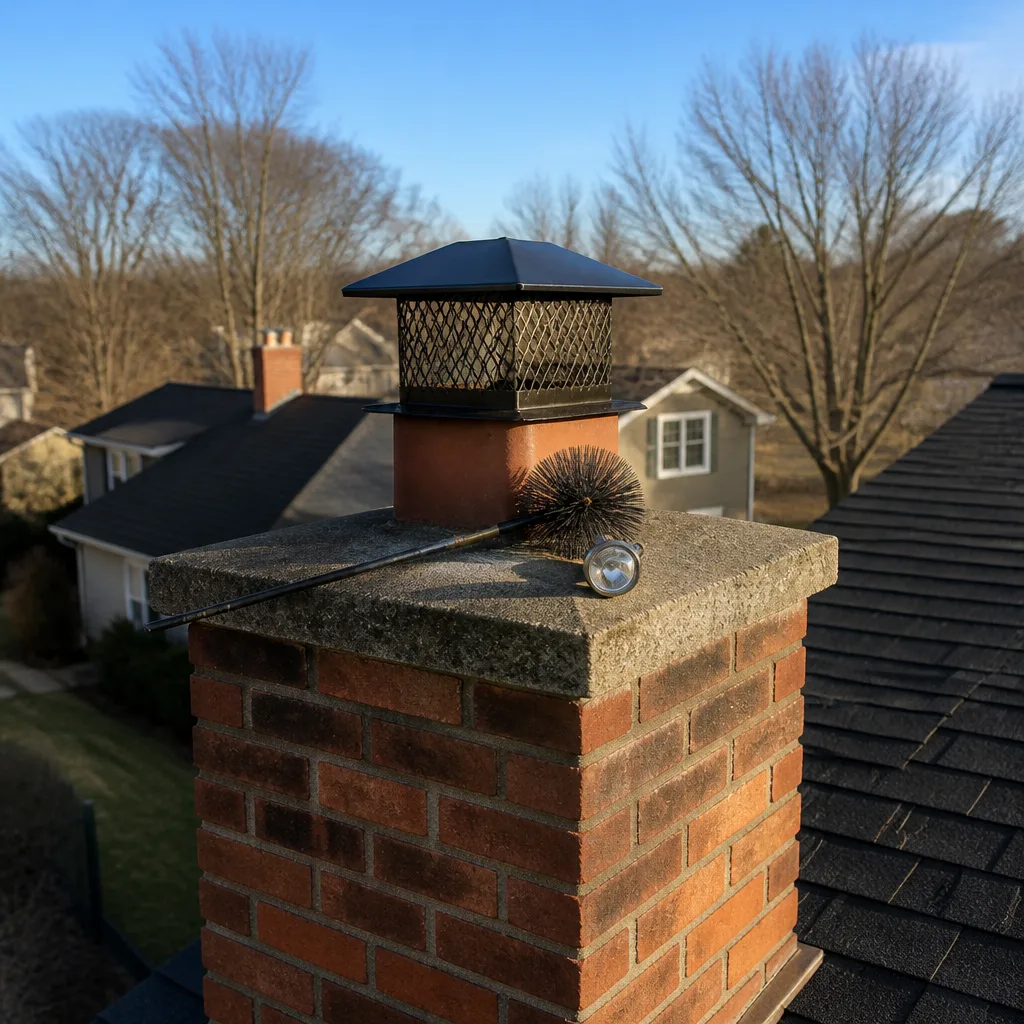 Sweep & inspection
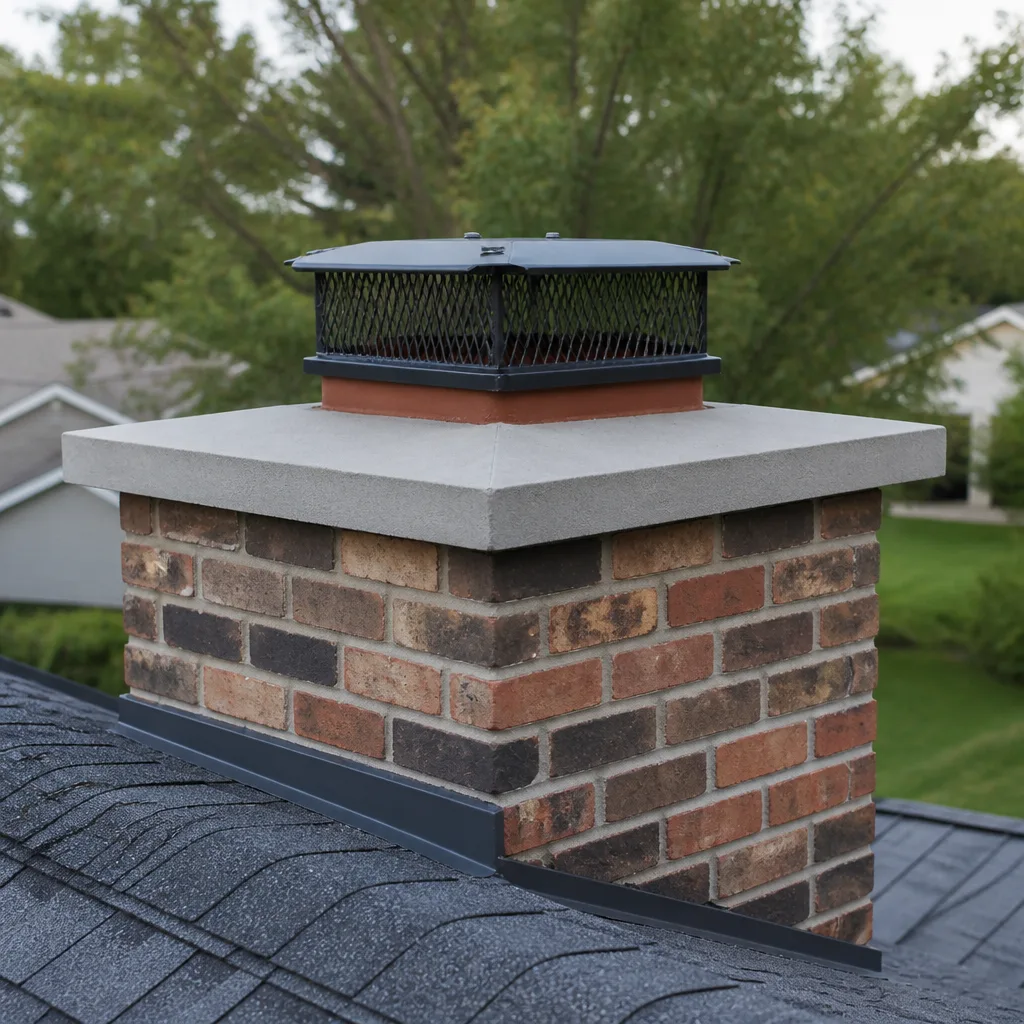 Caps & crowns
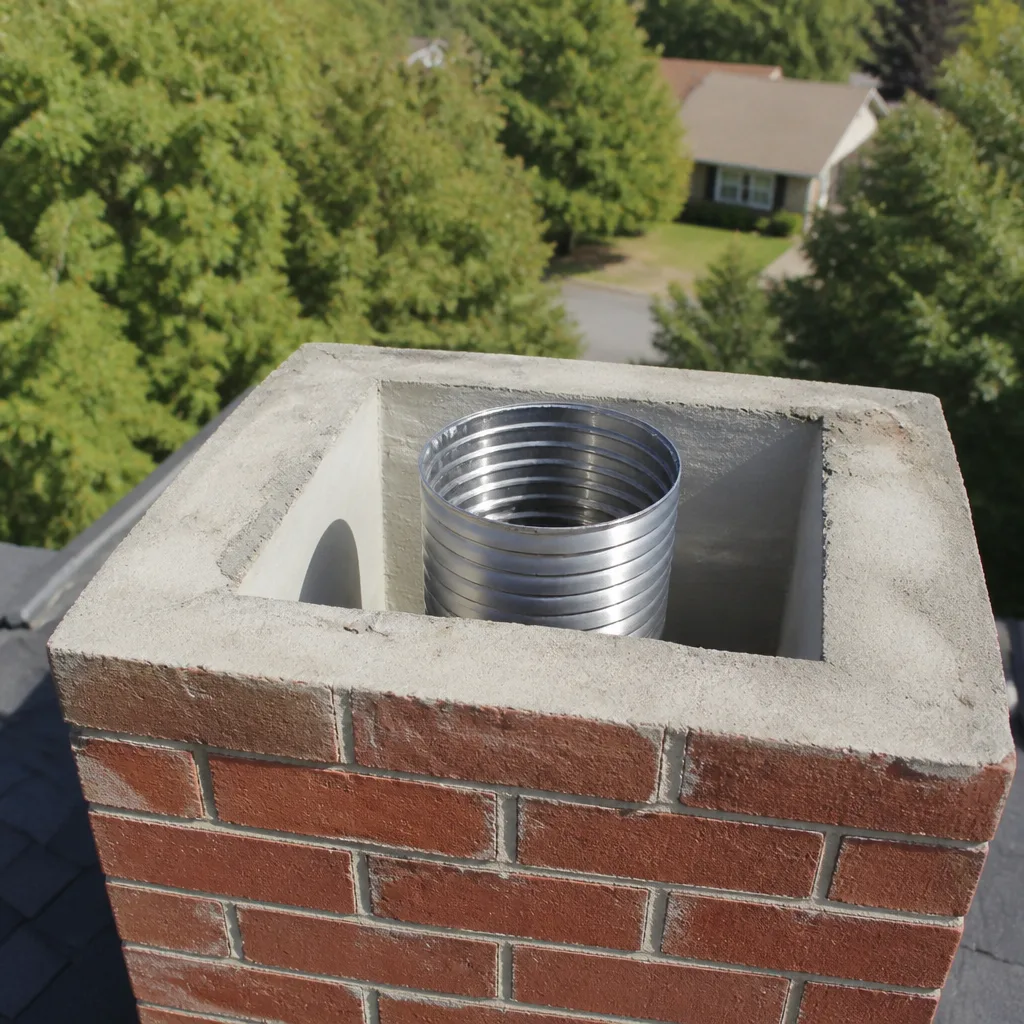 Flue relining
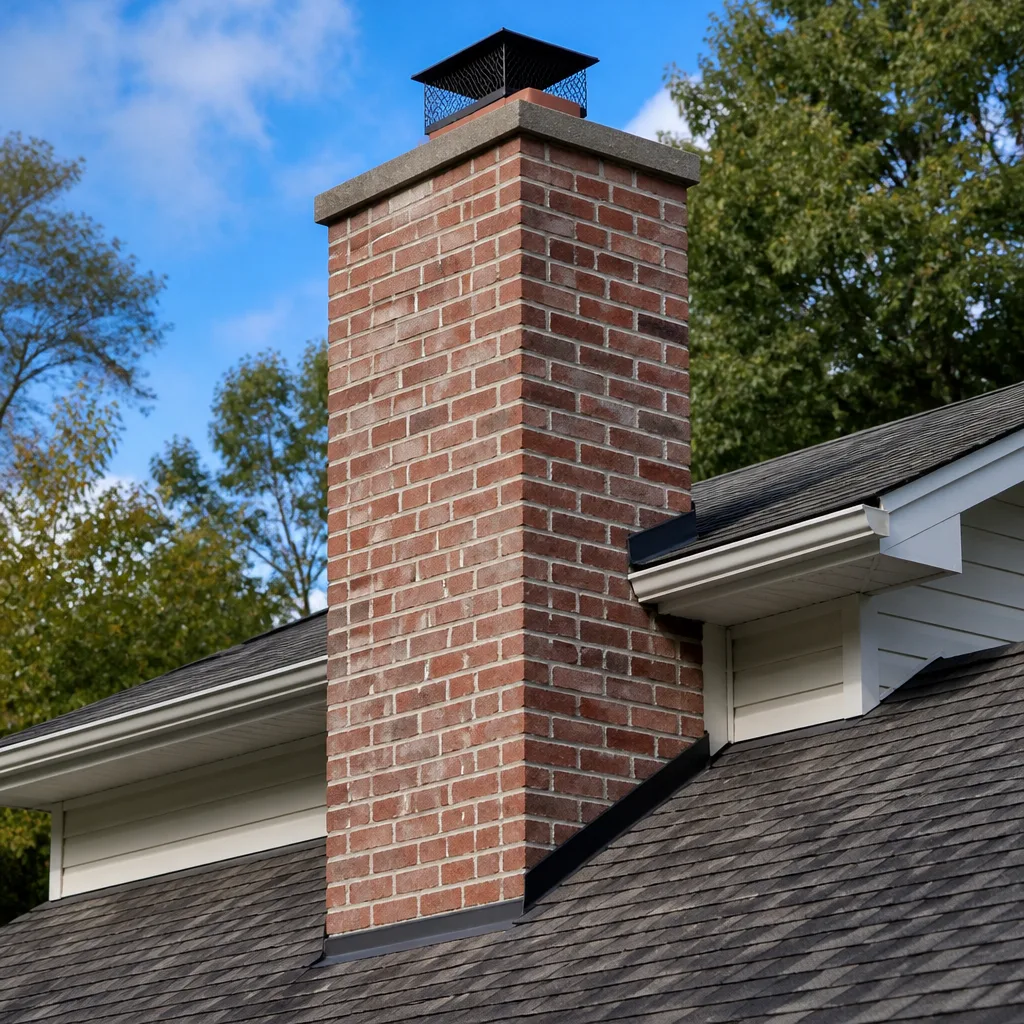 Masonry repair
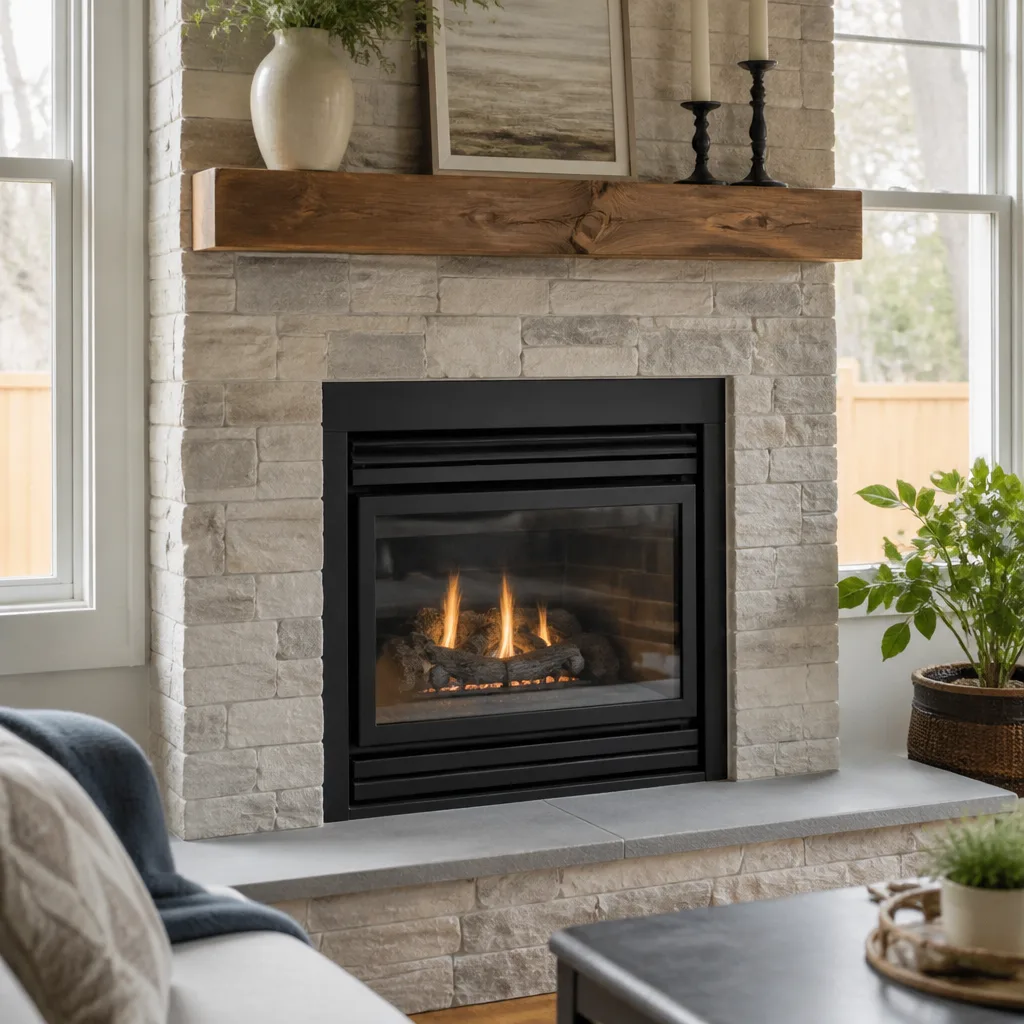 Gas fireplace service
Level 1 sweep and inspection to the NFPA 211 annual standard - flue, crown, cap, and flashing checked and photographed
Chimney sweep logs do not sweep chimneys. They loosen some creosote - which then falls where a brush and vacuum still have to collect it.
DIY vs Professional Chimney Cleaning: The Highlands Ranch Homeowner’s Decision Guide
Most chimney cleaning advice online starts with the brush. Ours starts with what the brush can’t see. A chimney brush removes surface soot from the flue walls, and it does that reasonably well. What it cannot do is tell you whether your liner has a hairline crack, whether your smoke chamber is letting gases escape where they shouldn’t, or whether your cap has been quietly letting moisture into the flue for a season or two. That gap between “the flue looks clean” and “the chimney is safe” is where DIY cleaning creates a false sense of safety, especially in Highlands Ranch homes where the liner is often doing more work than the homeowner realizes. This guide lays out exactly what DIY covers, what it misses, and how to make the decision honestly.
Quick Answer
DIY chimney cleaning is reasonable for a lightly used, already-inspected chimney with an intact liner and safe roof access, and it can remove surface soot and creosote. But DIY cannot inspect the liner, test draft, evaluate the smoke chamber, or catch moisture intrusion, and in Highlands Ranch those are the failure points that matter most. A professional cleaning pairs the sweep with the inspection that tells you whether the chimney is actually safe to use.
Styles & brands we work with
- Sweep & inspection
- Caps & crowns
- Flue relining
- Masonry repair
- Gas fireplace service
Table of Contents
- What DIY Chimney Cleaning Actually Covers
- What DIY Cannot See: The Inspection Gap
- Why Highlands Ranch Homes Need More Than a Brush
- The Safety and Equipment Requirements DIY Guides Understate
- When DIY Is a Reasonable Choice
- When DIY Creates Liability or Missed Hazards
- How to Do a Meaningful Post-Cleaning Self-Check
- What a Professional Cleaning and Inspection Involves
What DIY Chimney Cleaning Actually Covers
A DIY cleaning removes loose soot, ash, and light creosote from the accessible portion of the flue. That’s the honest scope. For a chimney that’s been swept recently, used lightly, and isn’t showing any symptoms, that removal is real work with real value, and a homeowner who does it carefully is not wasting their time.
Here’s what a brush and a shop vacuum can accomplish when done correctly:
- Surface soot removal from the flue walls in the straight run of the chimney.
- Light creosote in its flaky, brushable stage, which is the least dangerous form.
- Firebox and smoke shelf cleanup, including ash removal and clearing debris that falls during the sweep.
- Cap and screen debris removal from ground level, if the cap is reachable and visible.
- A visual pass of what you can see with a flashlight looking up the flue from the firebox.
That last item is where DIY starts to blur. A flashlight pointed up a flue shows you the bottom few feet of a dark tube. It doesn’t show you the middle of the liner, the transition at the smoke chamber, or the top of the flue where the cap sits. In our experience, the problems that matter most in Highlands Ranch chimneys don’t live in the bottom three feet. They live in the parts you can’t see from the firebox floor.
What a brush cannot do: remove glazed, tar-like creosote at the third degree, evaluate a liner for cracking or separation, test whether the chimney is drafting properly, check the smoke chamber for the corbeling problems common in older construction, or confirm the cap and crown are keeping water out. Those are inspection tasks, not cleaning tasks, and no brush substitutes for them.
What DIY Cannot See: The Inspection Gap
The most important part of a professional chimney service isn’t the cleaning. It’s the inspection that happens alongside it, and most of that inspection requires tools a homeowner doesn’t own and training most homeowners don’t have.
Here are the specific steps that require professional equipment:
- Camera inspection of the flue. A chimney camera runs the full length of the liner and shows cracks, gaps, missing mortar joints, and liner separation that no flashlight can reveal. This is the single most important diagnostic step, and it’s the one DIY skips entirely.
- Draft testing. A draft gauge measures whether the chimney is pulling combustion gases up and out at the rate it should. A chimney that looks clean can still draft poorly because of a flue that’s too large for the appliance, a blocked cap, or a pressure problem in the home. Poor draft means carbon monoxide has a path back into the living space.
- Smoke chamber evaluation. The smoke chamber is the sloped transition between the firebox and the flue. It’s where a lot of chimney problems hide, and it’s not visible from below without a camera.
- Crown and cap inspection from the roof. The crown is the concrete cap at the top of the chimney, and the cap sits above the flue. Cracks in the crown and rusted or damaged caps are the two most common entry points for water. You can’t evaluate either from the ground.
- Creosote stage assessment. Third-degree creosote is glazed and tar-like, and it doesn’t come off with a brush. A technician evaluates the stage and uses the right removal method. A homeowner who assumes the flue is clean because the brush came out gray may be leaving the most flammable deposit in place.
Each of these steps answers a different question. Together they answer the only question that matters: is this chimney safe to burn in? Cleaning without that answer is an incomplete job, and it’s the gap where DIY cleaning quietly becomes a risk.
Why Highlands Ranch Homes Need More Than a Brush
Highlands Ranch sits at elevation along the Front Range, and that changes how a chimney behaves in ways that flatland chimney advice doesn’t account for. The temperature swings here are wide, the heating season is long, and homes tend to run their fireplaces and inserts hard for months at a time. That’s more burn cycles per season than a milder climate produces, which means more creosote accumulation and more thermal cycling on the liner.
Two local realities make the inspection gap more important here than the brush:
- Liner condition matters more than soot removal. Highlands Ranch has a lot of homes built in the same general development waves, which means many chimneys are the same approximate age and were built with the same class of liner materials. When those liners reach the end of their service life, they tend to fail in similar ways, and the failure is internal. A brushed flue with a cracked liner is more dangerous than a sooty flue with an intact one, because a cracked liner lets heat and gases reach combustible framing.
- Moisture intrusion is a constant. The freeze-thaw cycles along the Front Range work on crowns, caps, and masonry joints. Water gets in, freezes, expands, and opens the crack wider. By the time a homeowner notices a stain on the ceiling or a musty smell in the room, the damage has usually been progressing for more than one season.
This is why the DIY-versus-professional question in Highlands Ranch isn’t really about cleaning at all. It’s about whether anyone is looking at the liner. A homeowner who sweeps the flue and never inspects it has done half the job and gotten none of the safety information. Our chimney sweep pairs the cleaning with that inspection, which is the part that actually protects the house.
There’s a practical angle too. Highlands Ranch homes often have fireplace inserts or gas appliances sharing the flue with other venting, and those setups require a technician who understands how the whole system interacts. A brush doesn’t know the difference. A trained technician does.
The Safety and Equipment Requirements DIY Guides Understate
Most DIY chimney cleaning instructions online treat the job as a brush, a ladder, and an afternoon. That’s an incomplete picture. The safety requirements are more serious than the typical tutorial suggests, and the equipment matters more than the procedure.
Here’s what a legitimate DIY setup actually requires:
- A properly rated respirator. Soot and creosote particles are fine enough to reach deep into the lungs, and a dust mask from the hardware store isn’t rated for it. You need a respirator rated for fine particulates, fitted properly, and worn for the whole job.
- Full containment of the work area. Drop cloths taped down, plastic sheeting over the firebox opening, and a sealed path to the door. Soot travels. Without containment, it ends up on every surface in the room and in the HVAC system.
- A HEPA-rated vacuum. A shop vac without HEPA filtration blows fine soot back into the air. That’s a health problem and a cleanup problem at the same time.
- Roof access that matches the pitch. Highlands Ranch roofs are often steep, and steep pitches are where ladder work goes wrong. If the cap or crown needs attention from the roof, that’s a fall hazard most homeowners underestimate. We don’t recommend roof access for anyone who isn’t comfortable and equipped for it, and we’d rather you call than take the risk.
- Correct brush sizing. A brush that’s too large can damage the liner. A brush that’s too small doesn’t clean the walls. Matching the brush to the flue is a measurement task, not a guess.
The point isn’t to talk you out of DIY. It’s to be honest that the safety bar is higher than the tutorials suggest. If you can’t meet all five requirements, the job isn’t a safe DIY candidate, and that’s a decision point worth taking seriously.
When DIY Is a Reasonable Choice
There are real scenarios where DIY cleaning makes sense, and we’d rather say so than pretend otherwise. A homeowner who understands the limits and meets the safety bar can handle a light cleaning between professional inspections.
DIY is a reasonable choice when:
- The chimney was professionally inspected recently and the liner was confirmed intact with no issues flagged.
- Use is light. A few fires a season, not daily burning through the winter.
- The creosote is at the brushable stage and hasn’t glazed over.
- Roof access isn’t required for the work you’re doing, so you’re staying off the roof.
- You have the right equipment, including the respirator, HEPA vacuum, and correctly sized brush.
- You’re doing it as maintenance between professional inspections, not as a replacement for them.
Notice the pattern. DIY works as a maintenance layer on top of a professional baseline, not as a substitute for one. A homeowner in Highlands Ranch who sweeps the flue halfway through the season, after a professional inspection in the fall confirmed the liner was sound, is doing something sensible. A homeowner who has never had the chimney inspected and decides to sweep it themselves is skipping the step that matters.
If you’re in the first group, the DIY cleaning is a fine supplement. If you’re in the second, the cleaning isn’t the job you need done. The inspection is.
When DIY Creates Liability or Missed Hazards
There are specific situations where DIY cleaning doesn’t just fall short, it actively creates risk by giving the homeowner a false sense of security. These are the scenarios where a professional sweep isn’t optional.
Call a professional instead of doing it yourself when:
- The chimney has never been inspected, or it’s been more than a year since the last inspection. You don’t know what the liner looks like, and a brush won’t tell you.
- You’re seeing symptoms. Smoke rolling back into the room, a strong creosote smell, water stains near the chimney, or a musty odor in the fireplace all point to problems a cleaning won’t solve.
- There’s glazed creosote. Third-degree creosote needs professional removal methods, and a brush will skate right over it.
- The liner is older or of unknown condition. In Highlands Ranch, where many liners are of similar age, this is more common than homeowners expect.
- You’re burning a fireplace insert or a gas appliance that shares venting with other systems. The interactions require a trained evaluation.
- Roof-level work is needed. Cap, crown, and flashing issues require getting on the roof, and that’s a job for someone equipped for it.
- You have any doubt about the liner. Doubt is the signal to call. A clean flue with a compromised liner is the exact scenario that leads to a chimney fire or carbon monoxide exposure.
Here’s the honest framing on safety. A chimney fire happens when creosote ignites, and a cracked or separated liner is what lets that fire reach the framing of the house. Carbon monoxide exposure happens when a flue that looks clean doesn’t draft properly, or when a liner has failed and gases escape into the structure. Neither of those failure modes announces itself with a visible sign at the firebox. Both are exactly what the inspection catches and the brush misses. We’re not trying to alarm anyone. We’re saying plainly that the risk DIY leaves on the table is the risk that matters most.
When a professional sweep finds a problem, the next question is what happens next. This is where the full-service model matters. A sweep-only company hands you a problem list and a referral. We repair what we find, using professional-grade materials from brands like DuraFlex for flexible liner systems and HeatShield for liner resurfacing. When a liner is damaged but not beyond saving, HeatShield can often restore it without a full replacement, which is a repair path many sweep-only companies can’t offer because they don’t do the work. When the liner is too far gone, a DuraFlex flexible stainless liner system handles the relining. Either way, the repair happens in the same engagement as the cleaning, not in a second appointment with a third party.
How to Do a Meaningful Post-Cleaning Self-Check
Regardless of who did the cleaning, a homeowner can run a useful self-check afterward. This isn’t a substitute for a professional inspection, but it catches obvious problems between visits and gives you specific things to report if something looks wrong.
Run through these steps after any cleaning, professional or DIY:
- Look up the flue with a strong flashlight. You’re checking for visible gaps, missing mortar, or obvious cracks in the liner. You won’t see the whole length, but the visible portion should look uniform.
- Check the firebox for cracks. Hairline cracks in the firebox brick or mortar are worth reporting. Larger gaps are worth a call.
- Inspect the damper. It should open and close smoothly and seal reasonably well. A damper that sticks or won’t seal is a draft problem.
- Look for water signs. Stains on the masonry, rust on the damper or firebox components, or a musty smell in the room all point to moisture intrusion from the crown or cap.
- Do a smoke test. Light a small fire or a smoke-producing test and watch whether the smoke draws up the flue cleanly or rolls back into the room. Rollback means a draft problem, and draft problems are a professional call.
- Check the cap from the ground. If you can see the cap with binoculars, confirm the screen is intact and the cap isn’t rusted through. Anything you can’t see clearly is a reason to schedule an inspection.
If any of these steps turns up something, write it down and call. Specific observations (“smoke rolled back when I tested it,” “rust on the damper”) help a technician diagnose faster than a general “something seems off.”
One more piece of the whole-home picture: the chimney isn’t the only vent in the house that needs attention. A clogged dryer vent is a leading cause of residential house fires, and it gets ignored far more often than the chimney because it’s out of sight. Our dryer vent cleaning is part of the same fire-safety scope, and it’s worth scheduling alongside the chimney service so the whole venting system gets looked at at once.
What a Professional Cleaning and Inspection Involves
Knowing what a professional service actually includes helps you evaluate what you’re paying for and what DIY leaves out. A proper chimney service in Highlands Ranch runs through a defined sequence, and the cleaning is only one part of it.
Here’s what the visit looks like:
- Setup and containment. Drop cloths, firebox protection, and a sealed path out of the house so soot stays contained.
- The sweep itself. Correctly sized brushes and rods clear the flue of soot and creosote, with the stage of creosote assessed as the work proceeds.
- Camera inspection. A camera runs the full length of the liner to check for cracks, gaps, and separation. This is the step that produces the information you can’t get any other way.
- Draft and smoke chamber evaluation. Draft is measured, and the smoke chamber is checked for the corbeling problems that reduce performance and safety.
- Crown, cap, and flashing check. The roof-level components are evaluated for water intrusion and damage.
- Findings and repair options. You get a clear picture of what was found, and because we do the repair work ourselves, problems can often be addressed in the same visit using professional-grade materials. When a repair can safely wait, we say so.
That last point is worth being direct about. The real hesitation with professional chimney work is being told you need a liner or masonry repair you have no way to verify. We show you the camera footage so you can see what we see. Nothing gets recommended without visual evidence, and when something can wait, we tell you it can wait. That’s the standard we hold ourselves to, and it’s how a homeowner can trust the recommendation without taking it on faith.
For a full picture of what we handle across the service area, our Highlands Ranch page covers the local scope. The technicians have up to 15 years of experience with the specific failure patterns these chimneys develop.
Common Mistakes to Avoid
- Assuming a clean flue means a safe chimney. The brush removes soot, not risk. A clean flue with a cracked liner is still a hazard, and only an inspection catches the difference.
- Skipping the inspection because the cleaning looked easy. In Highlands Ranch, where liners fail in similar ways at similar ages, the inspection is more important than the cleaning, not less.
- Using a dust mask instead of a rated respirator. Soot particles are fine enough to reach deep into the lungs, and a hardware-store dust mask doesn’t filter them. Get the right respirator or don’t do the job.
- Getting on a steep Highlands Ranch roof without fall protection. Roof pitches here are often steep, and the cap and crown work that requires roof access is a fall hazard for anyone not equipped for it. That’s a call, not a DIY task.
- Brushing over glazed creosote and calling it clean. Third-degree creosote doesn’t come off with a brush. If the deposits are shiny and tar-like, the job needs professional removal methods.
- Ignoring water signs. A stain near the chimney or rust on the damper means moisture is getting in through the crown or cap, and it’s been happening for a while. That’s a repair, not a cleaning.
- Treating the dryer vent as a separate concern. A clogged dryer vent is a leading cause of house fires, and it gets skipped because the chimney seems more urgent. Both are part of the same fire-safety picture.
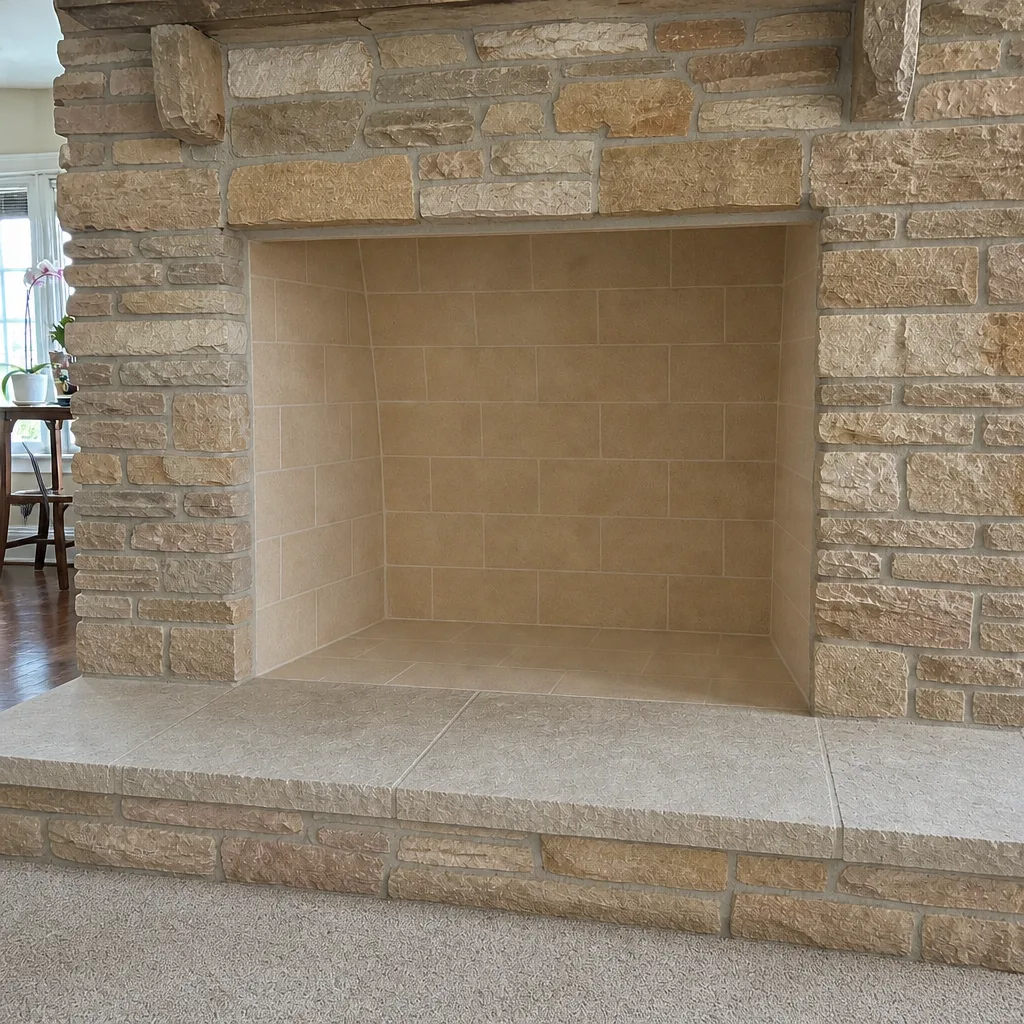
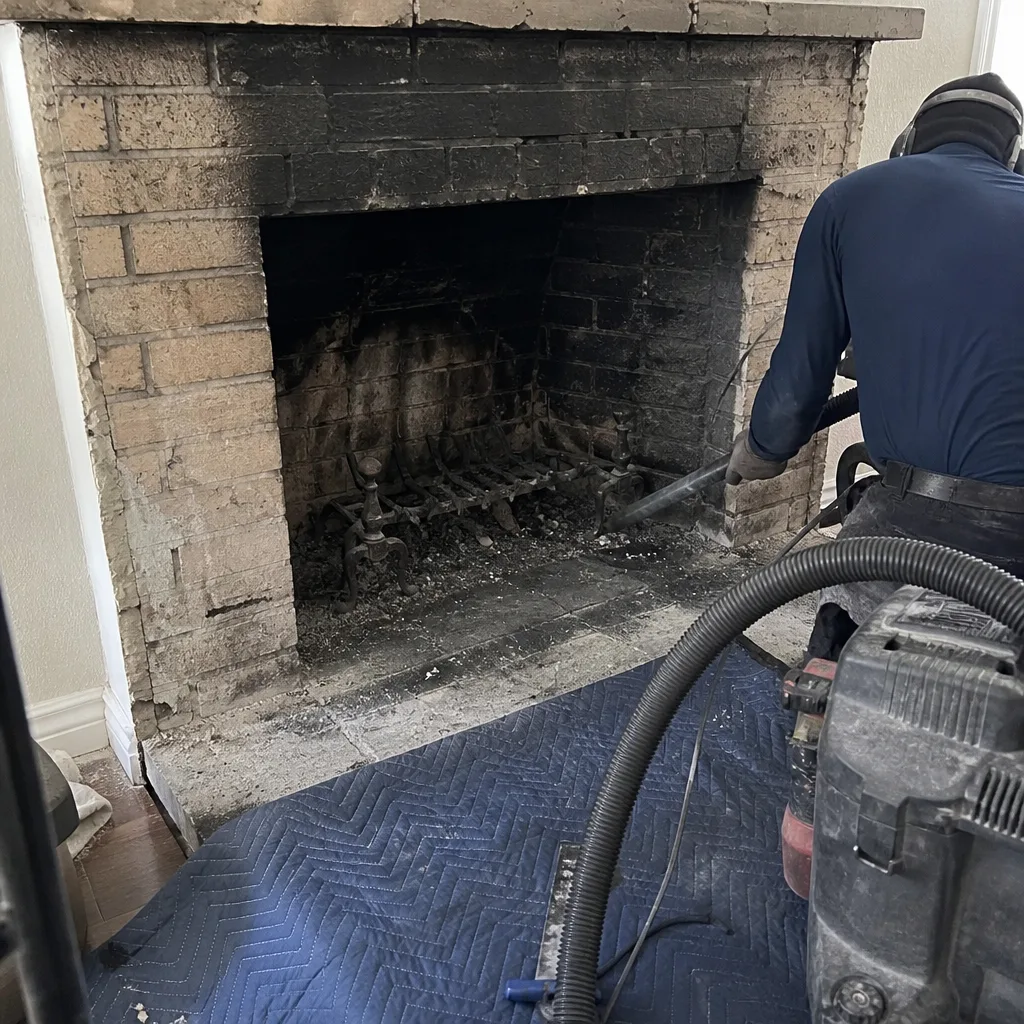
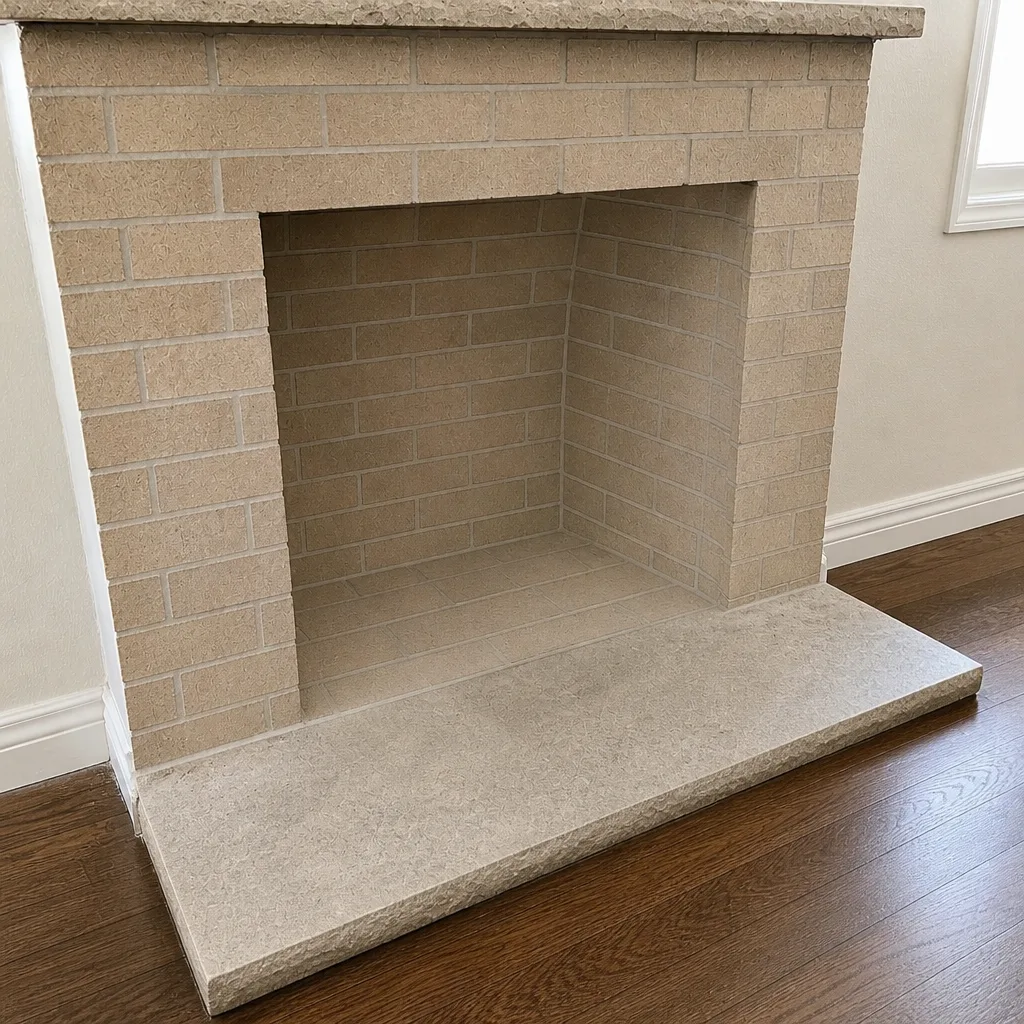
See the difference
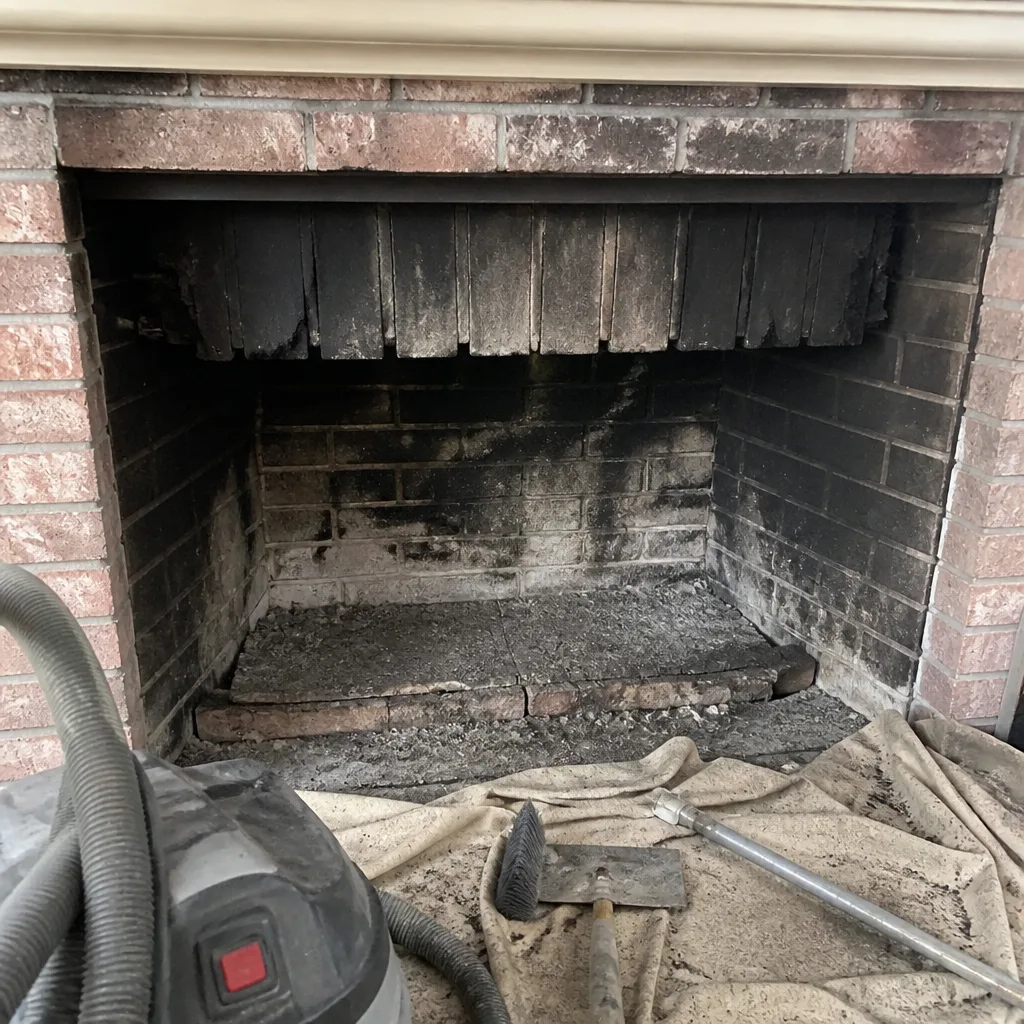 Before
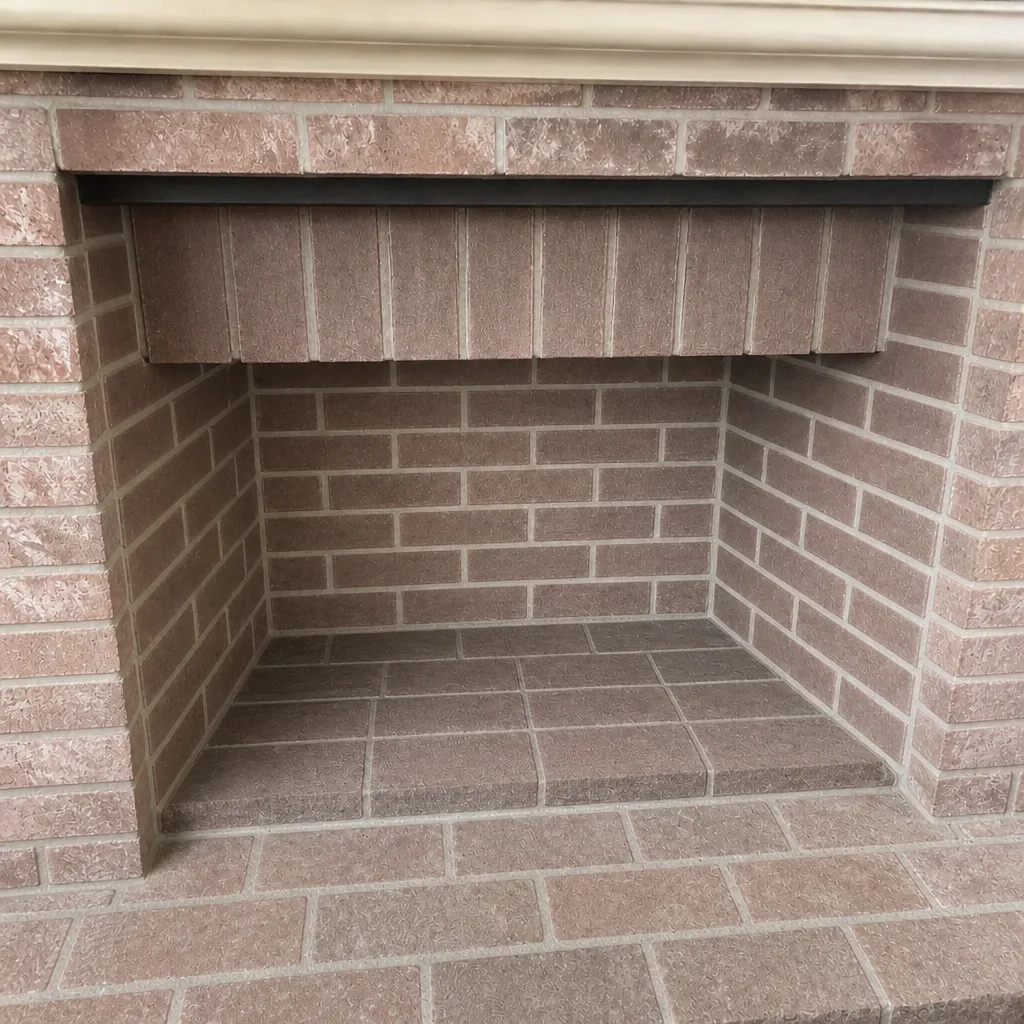 After
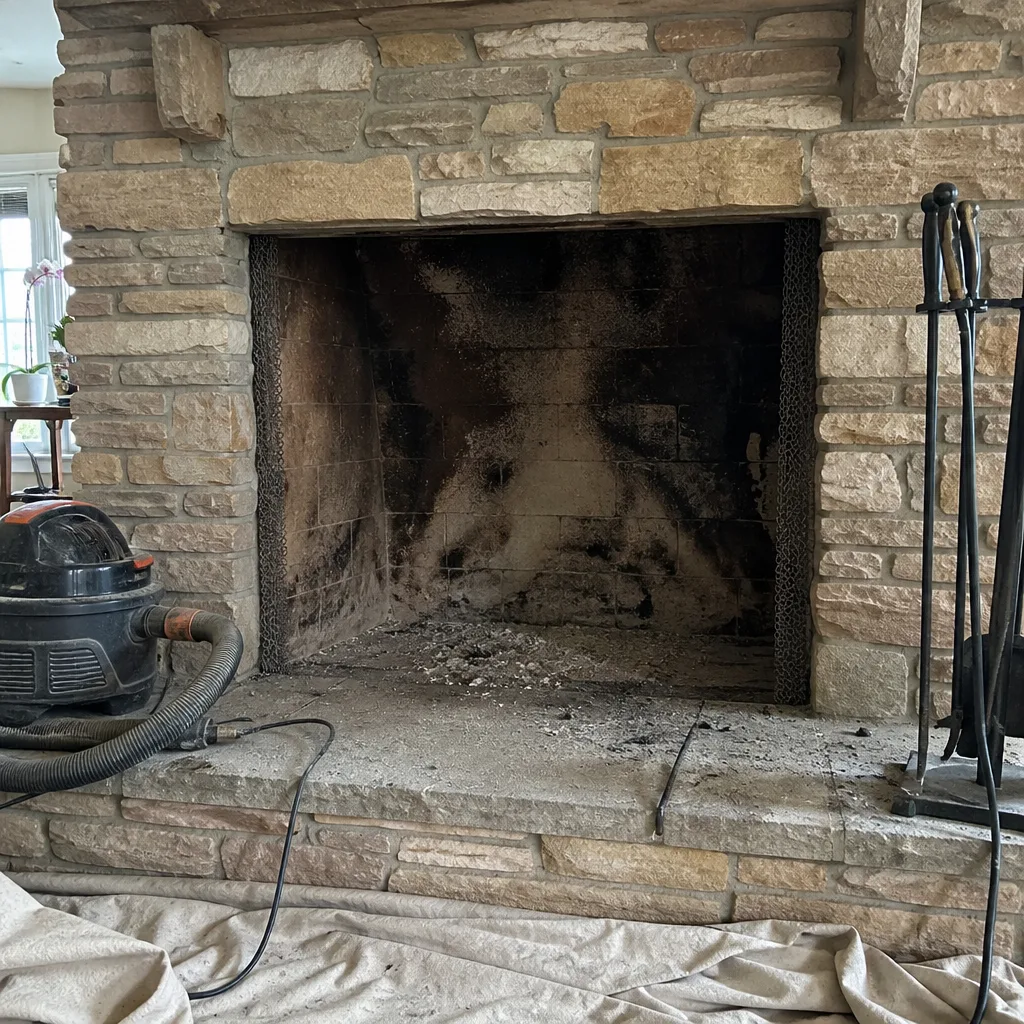 Before
 After
 Before
 After
When to Call a Professional
Call a professional when the chimney hasn’t been inspected in a year or more, when you’re seeing any symptom (smoke rollback, creosote smell, water stains, rust), when there’s glazed creosote, when the liner is older or of unknown condition, or when roof-level work is needed. Call when you have doubt about the liner at all, because doubt is the signal that the inspection matters. And call if the DIY safety bar isn’t something you can fully meet, including the respirator, the containment, and staying off a steep roof.
Grafton Chimney Sweep offers free estimates in Highlands Ranch. Call (833) 749-6226. We answer 24/7. Fast dispatch from 7am to 7pm, Sunday through Friday. The estimate is free, and the price is set per job by the written estimate.
Frequently Asked Questions
You can clean a lightly used, already-inspected chimney with an intact liner, provided you have a rated respirator, HEPA vacuum, proper containment, and correctly sized brushes, and you stay off the roof. What you can’t do is inspect the liner, test draft, or evaluate the smoke chamber, which are the failure points that matter most in Highlands Ranch homes. DIY works as maintenance between professional inspections, not as a replacement for them. Call (833) 749-6226 for a free estimate if you want the full job done right.
DIY cleaning misses the liner inspection, draft testing, smoke chamber evaluation, and the crown and cap check from the roof. Those are the steps that tell you whether the chimney is safe to burn in, and none of them can be done with a brush and a flashlight. In our experience, the problems that matter most live in the parts of the flue you can’t see from the firebox. Call (833) 749-6226 for an exact quote on a cleaning and inspection, estimates are free.
Most chimneys should be swept and inspected at least once a year, and more often if you burn heavily through the winter. Highlands Ranch’s long heating season means many homes accumulate creosote faster than a milder climate would produce. If it’s been more than a year since the last inspection, that’s the signal to book one. Call (833) 749-6226 for a free estimate.
Skipping maintenance lets creosote accumulate and lets liner damage go undetected, which is how chimney fires and carbon monoxide exposure happen. A cracked liner lets heat and gases reach the structure, and a flue that doesn’t draft properly can send combustion gases back into the home. Neither failure announces itself at the firebox, which is why the inspection matters. Call (833) 749-6226 for a free estimate before the burning season starts.
Many damaged liners can be resurfaced rather than replaced, and HeatShield is the material we use for that work. When a liner is too far gone for resurfacing, a DuraFlex flexible stainless liner system handles the full relining. We show you the camera footage before recommending either, so you can see what we see. Nothing is recommended without visual evidence, and if it can safely wait, we’ll tell you. Call (833) 749-6226 for a free estimate.
Yes, the estimate is free, and the price is set per job by the written estimate, so there’s no surprise number at the end. We answer 24/7, with fast dispatch from 7am to 7pm, Sunday through Friday. Call (833) 749-6226. A call outside dispatch hours is booked into the next opening, Sunday through Friday, 7am to 7pm.
The Bottom Line
DIY chimney cleaning is a real option for the right homeowner in the right situation: a lightly used chimney, recently inspected, with an intact liner and safe roof access. But the decision shouldn’t rest on confidence with a brush. It should rest on whether anyone is inspecting the liner, testing draft, and checking the crown and cap, because those are the steps that catch the hazards a cleaning leaves behind. In Highlands Ranch, where liner condition matters more than soot removal, that gap is the whole decision. Do the maintenance if you can do it safely. Get the inspection either way. And when something turns up, get it fixed by someone who handles the repair, not just the report.
If you’re ready to schedule a cleaning and inspection, or you want a professional opinion on what your chimney actually needs, call Grafton Chimney Sweep at (833) 749-6226 for a free estimate. We answer 24/7. Fast dispatch from 7am to 7pm, Sunday through Friday. Chimney and dryer vent safety are part of the same job, and we handle both.
Written by the team at Grafton Chimney Sweep.