
Last updated November 15, 2026
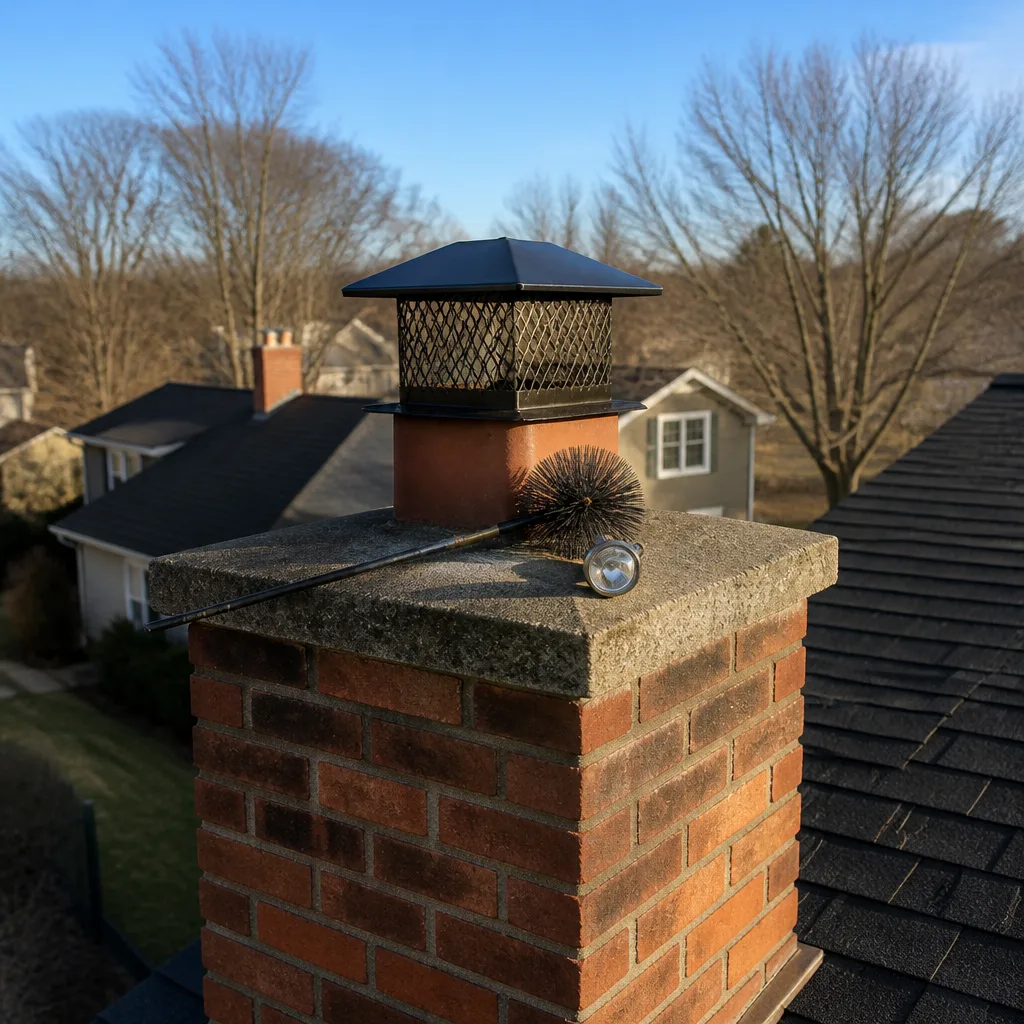 Sweep & inspection
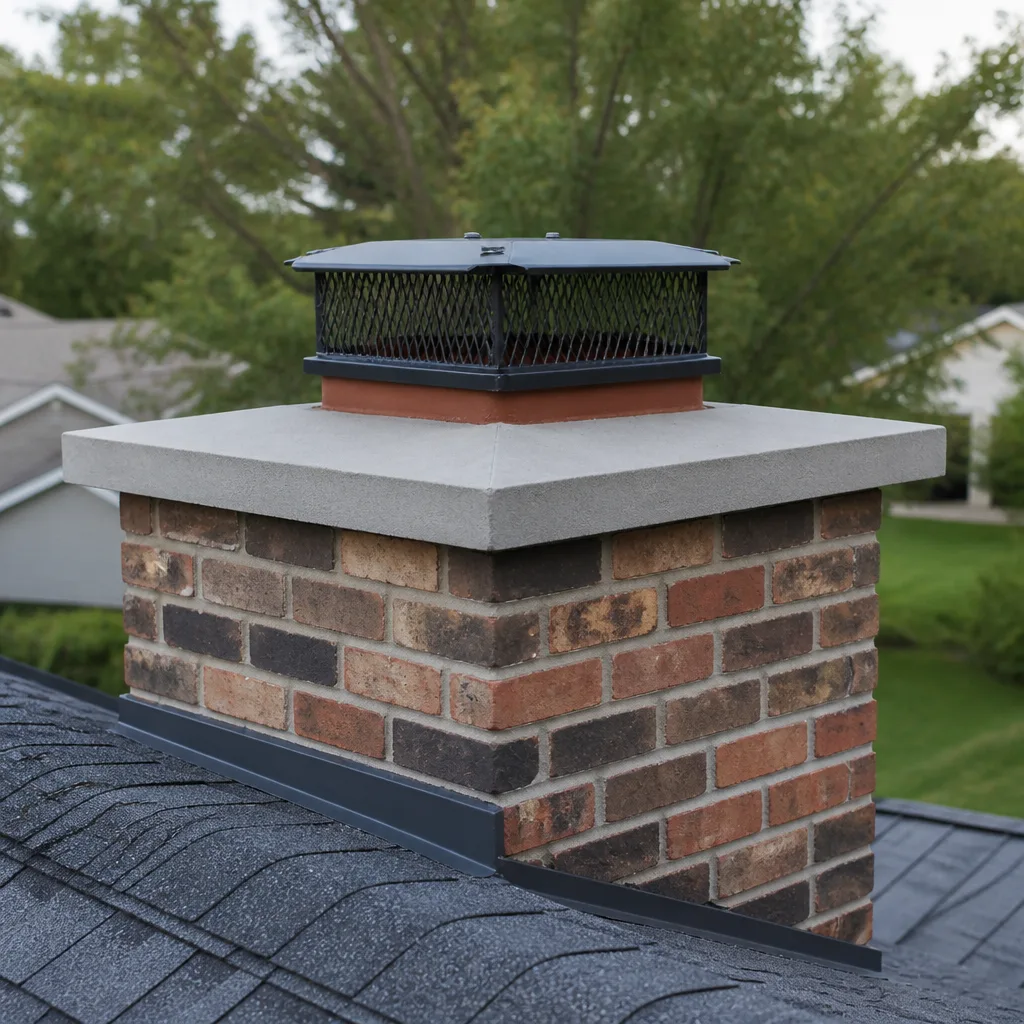 Caps & crowns
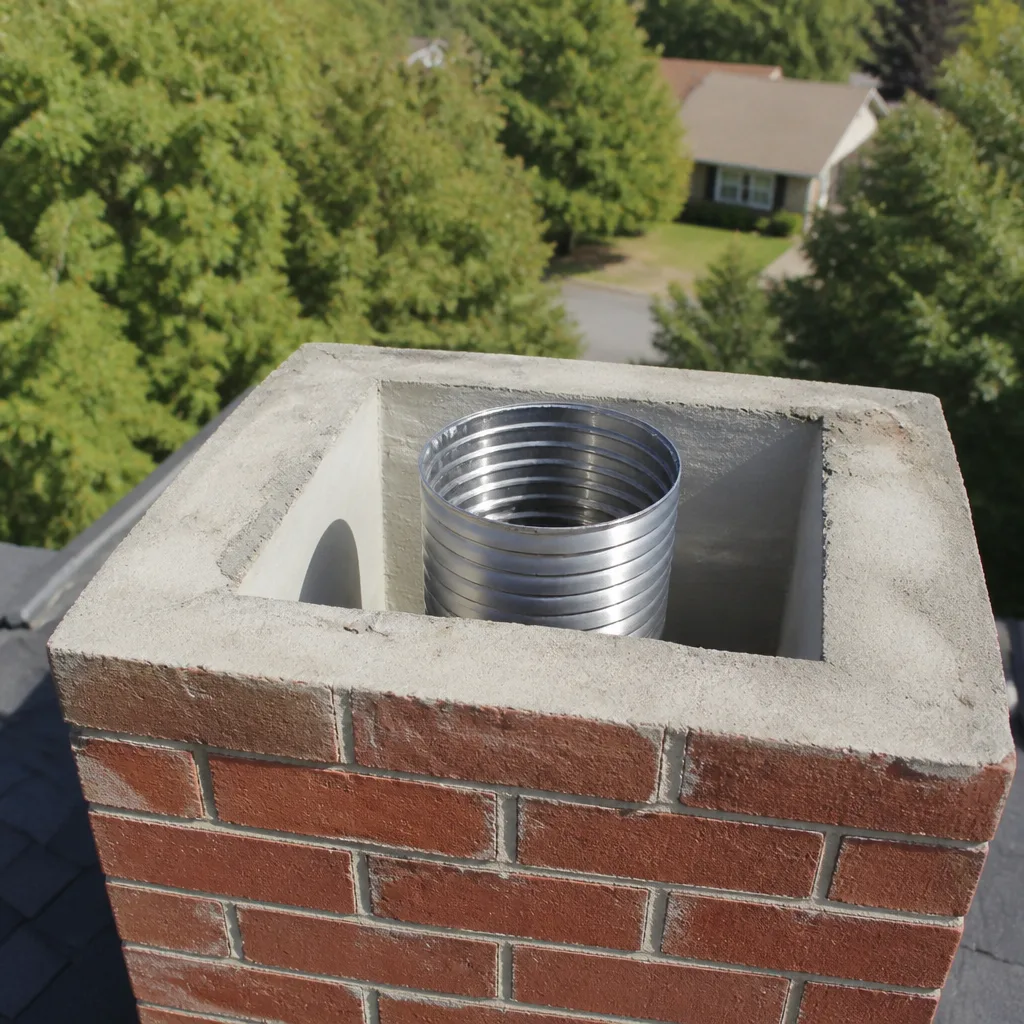 Flue relining
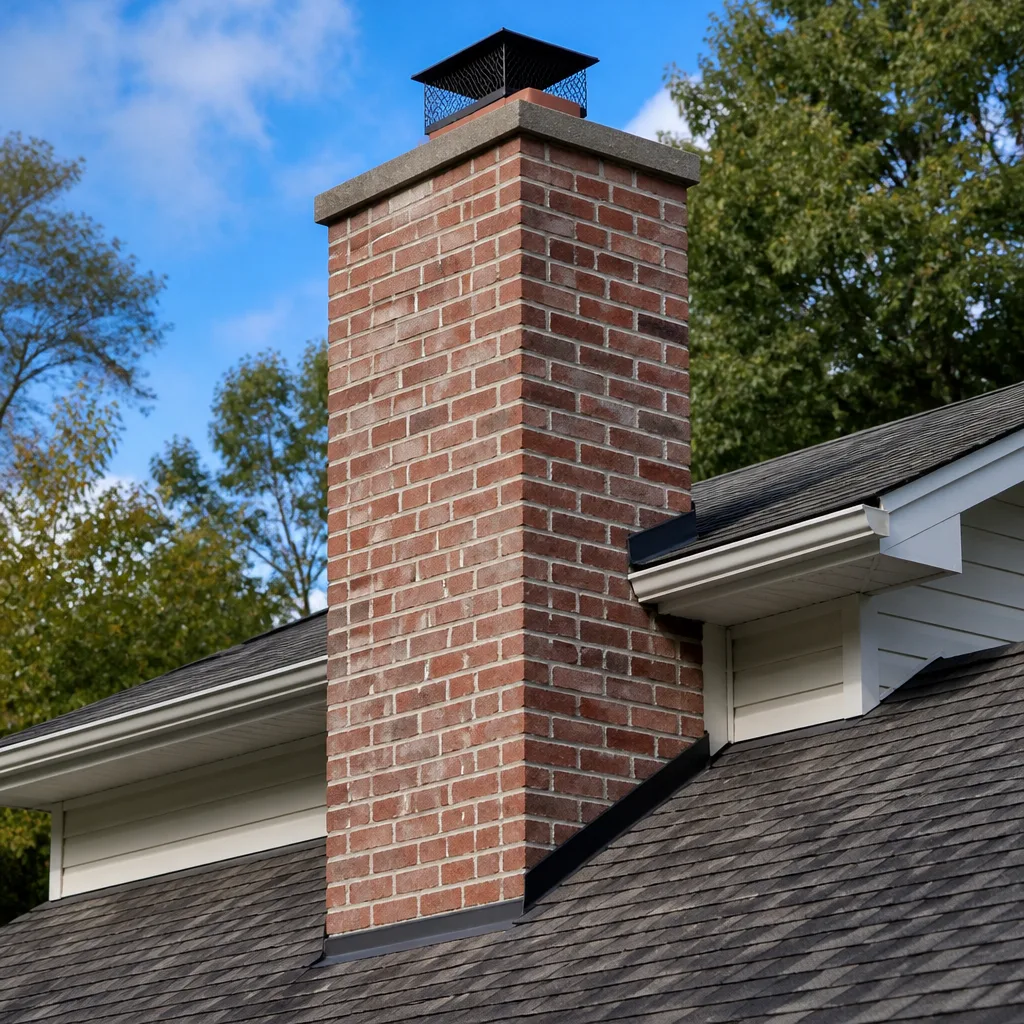 Masonry repair
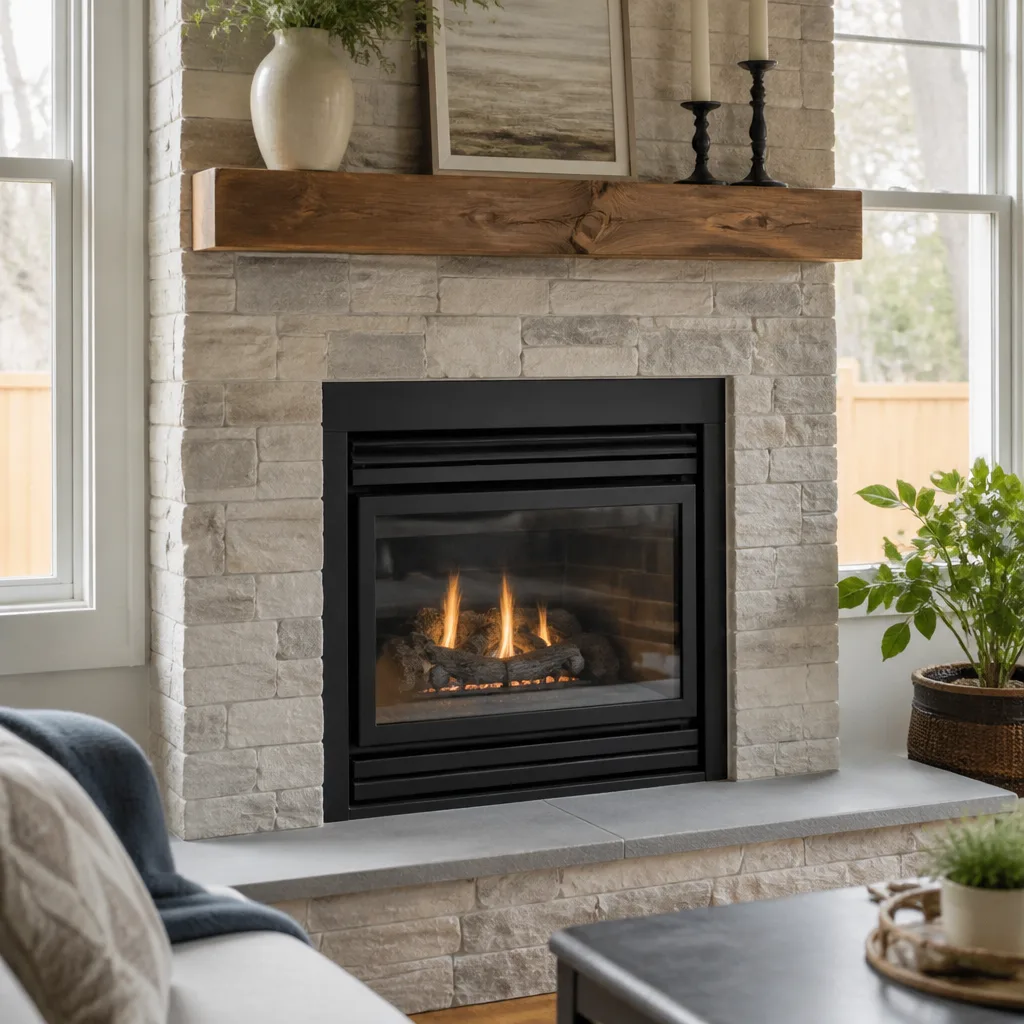 Gas fireplace service
Level 1 sweep and inspection to the NFPA 211 annual standard - flue, crown, cap, and flashing checked and photographed
Chimney sweep logs do not sweep chimneys. They loosen some creosote - which then falls where a brush and vacuum still have to collect it.
Choosing the Right Chimney Cleaning Brand: A Buyer’s Guide for Highlands Ranch
When a chimney sweep recommends a repair during your cleaning appointment, they’re also choosing the materials. That’s the part most homeowners never think to ask about. Not all chimney sealants, liner systems, or mortar products perform equally in Colorado’s climate, where freeze-thaw cycles work on masonry all winter and the dry air pulls moisture out of everything fast. A repair done with commodity materials can fail sooner than the component it replaced, and you may not find out until the next sweep. In this guide, we’ll walk through what industry-recognized material brands actually look like for liners, sealants, and mortar, how to ask about them during the hiring process, why full-service specialists cost less over time than cleaning-only outfits, and how to get warranty terms in writing before anyone puts a tool in your flue. We’ll use Highlands Ranch examples throughout, since that’s where we work.
Quick Answer
The right chimney cleaning brand in Highlands Ranch is one that uses professional-grade, industry-recognized materials (DuraFlex, HeatShield, Gelco, Olympia Chimney, Famco, Copperfield) for any repair work, not commodity hardware-store products, and that can perform that repair in-house rather than handing you a referral. Brand loyalty to a logo matters far less than the materials behind it, because a cleaning visit that turns into a repair is also a materials decision. Ask what brands a provider stocks and installs before you book, and get the warranty in writing.
Styles & brands we work with
- Sweep & inspection
- Caps & crowns
- Flue relining
- Masonry repair
- Gas fireplace service
Table of Contents
- Why “Brand” Matters More Than You Think in Chimney Work
- What Industry-Recognized Material Brands Look Like
- How to Ask About Materials Without Sounding Like an Interrogator
- Full-Service Specialist vs. Cleaning-Only Service: The Long-Term Cost Difference
- National Franchise Brands vs. Local Independents: Accountability and Follow-Through
- What “Warranty” Should Mean in Chimney Work
- Highlands Ranch Climate and Housing: Why Materials Matter Here
- When a Cleaning Visit Turns Into a Repair Visit
Why “Brand” Matters More Than You Think in Chimney Work
A chimney sweep is not just a person with a brush. On any given appointment, they’re also a materials selector. When they diagnose a cracked crown, a spalling flue, a deteriorated mortar joint, or a rusted liner, the products they choose to fix it determine how long that fix lasts. That’s the real “brand” question in chimney work: not which company name is on the truck, but which material manufacturer’s products end up inside your chimney.
In Highlands Ranch, this distinction has teeth. The local housing stock is heavy on stucco and masonry exteriors, and the climate swings hard between dry summers and freeze-thaw winters. A mortar patch mixed from a generic bag and applied without regard to the existing mortar’s composition can shrink, crack, and pull away after one or two winters. A liner sealant not rated for the temperature swings your fireplace produces can fail at the joint. None of these failures announce themselves. They show up as a carbon monoxide concern, a draft problem, or a water intrusion issue months or years later.
What we’ve seen in our work is that the cheapest repair is often the one that has to be redone. A sweep who pulls a tube of hardware-store silicone out of a bucket and calls it a crown repair has saved you a few dollars up front and cost you a second appointment later. That’s why we name our materials openly: DuraFlex for flexible liner systems, HeatShield for liner resurfacing, Gelco, Olympia Chimney, Famco, and Copperfield for the range of components and sealants a chimney actually needs. Those aren’t marketing brands. They’re the products a professional-grade repair is built on.
The takeaway for a Highlands Ranch homeowner: the question “which brand should I hire” is the wrong first question. The right first question is “what materials do you use, and why those?” The answer tells you almost everything about how the work will hold up.
What Industry-Recognized Material Brands Look Like
Chimney materials fall into three broad categories, and each has professional-grade products that a serious provider should be able to name. If a sweep can’t tell you what brands they use for liners, sealants, and mortar, that’s a signal worth paying attention to.
Liners and Liner Systems
A chimney liner is the flue’s inner wall, and it’s what keeps combustion gases and heat away from the structure of the house. When a liner is compromised, the fix is either resurfacing or replacement. On the resurfacing side, HeatShield is the product category that lets a damaged flue be restored from the inside without tearing out the existing liner. On the replacement side, DuraFlex flexible stainless systems are the workhorse for relining a flue that’s too far gone for resurfacing. Both are professional-grade materials that a full-service chimney provider should stock or source directly.
Why does the brand name matter? Because a flexible liner is not a commodity hose. Wall thickness, alloy composition, and the way the system connects at the top and bottom all affect how it performs under heat and how long it lasts. A provider who can tell you they install DuraFlex isn’t just name-dropping. They’re telling you they’ve committed to a specific product standard.
Sealants and Crown Repair Materials
The crown is the concrete cap at the top of the chimney, and it takes the worst of Colorado weather. Sealants and crown repair products need to flex with temperature and bond to masonry. Gelco and Copperfield are product lines in this space that show up in professional chimney work for exactly that reason. The difference between a proper crown sealant and a generic caulk is measured in seasons, not weeks.
Mortar, Components, and Accessories
Mortar mixes, damper components, caps, and flashing materials round out the material list. Olympia Chimney and Famco are brands that show up in the component and accessory side of professional chimney work. A provider who names these isn’t trying to impress you. They’re telling you the repair won’t be patched together from whatever was on the shelf.
What to Ask and What to Listen For
- Ask which brands they stock and install for liner work. A vague answer (“we use good stuff”) is not an answer.
- Ask whether they can resurface a liner or only replace it. If replacement is the only option, you’re being sold the bigger job by default.
- Ask whether repair work is done in-house or referred out. Referrals mean someone else chooses the materials.
- Ask for the warranty in writing, including what it covers and for how long.
How to Ask About Materials Without Sounding Like an Interrogator
Most homeowners don’t want to grill a contractor. That’s fair. But the material question is the one question worth asking plainly, because it’s the one that determines what ends up in your chimney. The good news is that it doesn’t have to feel like an interrogation. A few simple, friendly questions will get you what you need.
- Start with the appointment, not the materials. When you book a chimney sweep, ask what the visit includes. A full-service provider will tell you cleaning plus inspection plus repair capability. A cleaning-only provider will tell you cleaning plus a report.
- Ask the materials question as a curiosity, not a challenge. “What brands do you use if a repair comes up?” is a completely normal question. A professional will answer it directly and with specifics.
- Ask about resurfacing as an option. “Can you resurface a liner, or does it always have to be replaced?” is the single most useful question you can ask. It tells you whether the provider has the capability to offer you the less invasive fix when it’s appropriate.
- Ask whether the repair happens the same visit. If the answer is “we’ll send a report and you can schedule the repair separately,” you’re talking to a cleaning-only outfit. If the answer is “we handle it while we’re there,” you’re talking to a full-service provider.
- Ask for the warranty before you book. “What’s the warranty on the repair work, and can I see it in writing?” is a question that any professional provider will answer without flinching.
What you’re listening for in the answers is specificity. Numbers, brand names, and clear descriptions of what’s covered beat warm reassurances every time. If a provider gets defensive about a material question, that’s information. If they answer it in detail, that’s information too.
If you’d rather skip the interrogation and just get a straight answer, call us at (833) 749-6226. We answer 24/7. Fast dispatch from 7am to 7pm, Sunday through Friday.
Full-Service Specialist vs. Cleaning-Only Service: The Long-Term Cost Difference
On paper, a cleaning-only chimney service looks cheaper. You pay for a sweep, you get a sweep, you get a report, and you’re done. The catch is what happens when the report finds something. A cleaning-only provider hands you a document and a referral. You then book a second appointment with a different company, wait for it, and pay a second visit charge. The “cheaper” first appointment turns into a more expensive two-step process.
A full-service provider closes that loop. At Grafton Chimney Sweep, cleaning and repair are the same engagement. When we find a cracked crown, a deteriorated mortar joint, or a liner that’s failing at the seam, we can fix it while we’re there, using the professional-grade materials we stock. That’s the whole point of the model. We repair what we find, and you don’t end up holding a report with nowhere to send it.
The Cost Math Over Ten Years
- Cleaning-only: sweep fee + inspection report + second appointment for the repair + second appointment’s materials + the risk that the referred contractor uses commodity materials you didn’t vet.
- Full-service: sweep fee + repair materials + warranty on the repair, in one engagement.
- The delta is not just dollars. It’s also the time, the number of companies involved, and the accountability trail. When one provider does the cleaning and the repair, one provider owns the outcome.
There’s a second cost factor that most homeowners miss: the materials themselves. A repair done with a proper liner system lasts meaningfully longer than a repair done with commodity products, which means fewer repairs over the life of the chimney. A full-service provider who stocks DuraFlex, HeatShield, Gelco, Olympia Chimney, Famco, and Copperfield is not doing that because the logos look nice. Those are the products that hold up. That hold-up is the difference between a repair that lasts and a repair you redo.
For Highlands Ranch homeowners, the pattern is consistent. The homes here were built in waves, and the chimneys are at the age where original liners and crowns are reaching the end of their service life. That means more repairs, not fewer. A full-service model is the one that keeps those repairs in-house and accountable.
National Franchise Brands vs. Local Independents: Accountability and Follow-Through
National franchise chimney brands have real advantages. Recognizable name, standardized processes, a corporate warranty structure. If that’s what you want, it’s a legitimate choice. But there’s a tradeoff worth understanding, and it comes down to accountability and repair follow-through.
A franchise’s local operation is a franchisee. That’s good in the sense that a local owner is invested in the community. But the materials used in a franchise operation are often determined by the franchise agreement, not by the local technician’s judgment about what your specific chimney needs. A franchise that standardizes on one product line may be using the right product for the average chimney and the wrong product for yours.
An independent full-service provider like Grafton Chimney Sweep chooses materials job by job. If resurfacing with HeatShield is the right call for your flue, that’s what we use. If a full DuraFlex relining is what the chimney needs, that’s what we install. The decision is driven by the diagnosis, not by a corporate product standard.
What to Check on Either Side
- Who actually performs the repair? A franchise that subcontracts the repair has the same referral problem as a cleaning-only outfit.
- What brands are stocked and installed, and who chose them? A franchisee who can name the products and explain the choice is a good franchisee.
- What’s the warranty, and who honors it? A franchise warranty may route through corporate. An independent’s warranty is honored by the company that did the work. Both can work; you just need to know which one you have.
- What happens if the repair fails? Ask the follow-up question before you book. “If the repair fails, what do I do?” is a fair and revealing question.
We don’t think national franchises are villains. We think the answer is specific: ask the questions, listen to how specific the answers are, and hire the provider who can explain their material choices in plain language. That’s the same standard whether you’re in Highlands Ranch or anywhere else.
What “Warranty” Should Mean in Chimney Work
Warranty in chimney work is the most misunderstood part of the transaction, because most homeowners never ask what it actually covers until something fails. A chimney warranty should cover the workmanship on the repair, the materials installed, and the specific components that were replaced. What it should not do is cover damage caused by something else, like a chimney fire or water intrusion from a failed crown that wasn’t part of the repair.
What a Chimney Warranty Should Cover
- Workmanship. If the mortar joint pulls away within the warranty period, the provider redoes it at no charge.
- Materials. If a liner component fails under normal use within the warranty period, the manufacturer’s coverage plus the provider’s labor are both addressed.
- Specific scope. A good warranty names exactly what was repaired and exactly what is covered. A vague warranty is a marketing promise, not a warranty.
What to Get in Writing
- The scope. What, specifically, was repaired or replaced? Name the components.
- The duration. How long does the warranty run? A repair warranty is typically measured in years, not weeks.
- The materials named. If a DuraFlex liner was installed, the warranty should say DuraFlex. If HeatShield resurfacing was applied, the warranty should say HeatShield.
- The exclusions. What voids the warranty? Chimney fires, water damage from an unrelated source, and unauthorized modifications are standard exclusions.
- The remedy. Does the provider repair, replace, or refund? Get the answer in writing before the work starts.
What typical warranty durations look like in the trade varies by product and by provider. The safest move is to ask for the warranty document before you book, not after. A provider who won’t put it in writing is telling you something about how they handle accountability.
Highlands Ranch Climate and Housing: Why Materials Matter Here
Highlands Ranch sits at elevation in Douglas County, and the local climate is hard on chimneys in specific ways. The freeze-thaw cycles are aggressive. Winters swing between warm days and hard overnight freezes, and that cycle opens small cracks in masonry and works on any joint that isn’t properly sealed. Summers are dry, and the dry air pulls moisture out of materials fast, which can cause shrinkage and cracking in materials that aren’t rated for it.
The local housing stock adds another factor. Many Highlands Ranch homes were built in planned neighborhoods with consistent construction methods, and the chimneys are now at the age where original liners and crowns are reaching the end of their service life. That’s not a scare tactic. It’s a materials reality. A liner that’s twenty-something years old has been through a lot of freeze-thaw cycles. When it starts to fail, the fix needs to hold up to the same conditions that broke it.
Why the Material Choice Compounds Here
- Mortar. A mortar patch that doesn’t match the existing mortar’s composition will crack and pull away after one or two winters. The right mix matters more here than in a milder climate.
- Crown sealants. The crown is exposed to full sun, snow, and freeze-thaw. A flexible sealant rated for those cycles holds; a rigid one cracks.
- Liner systems. Flexible stainless liners need to handle temperature swings and the specific flue geometry of the house. A generic liner that’s cut to fit will have seams that fail. A DuraFlex system is engineered for the job.
- Dryer vent. Colorado’s dry air makes lint more combustible, and the fire risk is real. We treat dryer vent cleaning as part of whole-home fire prevention, not an add-on.
If you’re in a Highlands Ranch neighborhood and want an honest read on your chimney, we can help. Our technicians have up to 15 years of experience with the materials that hold up in this climate. Learn more about Highlands Ranch and what we do here.
When a Cleaning Visit Turns Into a Repair Visit
A chimney cleaning is a diagnostic appointment as much as a maintenance one. The sweep sees the flue from the inside, checks the crown and cap from the roof, and looks at the firebox and damper. What they find determines whether a repair is needed, and that’s the moment the materials question becomes real.
The Common Findings
- Cracked or spalling crown. Often patched with a flexible sealant or rebuilt with mortar. Gelco and Copperfield products show up here.
- Deteriorated mortar joints in the flue. Addressed with proper mortar mix, not hardware-store caulk.
- Compromised liner at the seam or the top plate. Addressed with HeatShield resurfacing if the liner can be restored, or a DuraFlex flexible liner system if it can’t.
- Rusted or missing damper components. Replaced with proper components from brands like Olympia Chimney or Famco.
- Blocked or deteriorated dryer vent. Addressed with dryer vent cleaning and, if needed, vent repair.
The distinction that matters is what happens next. A cleaning-only provider documents the finding and hands you a report. A full-service provider diagnoses and fixes the finding, using the materials we’ve named here, in the same engagement. That’s what we mean when we say we repair what we find.
Safety note: if a sweep flags anything involving the liner, the flue, or the firebox, take it seriously. A compromised liner is a carbon monoxide risk, and a compromised crown is a water intrusion risk. Neither is a “wait and see” item. Get it looked at by a trained professional.
Common Mistakes to Avoid
- Hiring on price alone. The cheapest sweep in Highlands Ranch is often a cleaning-only outfit that will hand you a report and a referral. You’ll pay twice to get the repair done.
- Not asking about materials. If you don’t ask which brands a provider stocks, you’re letting them choose what goes in your chimney without your input. That’s the whole point of this guide.
- Assuming replacement is the only option. A provider who can’t resurface a liner will always sell you a replacement. HeatShield capability is the difference between a repair and a rebuild.
- Accepting a verbal warranty. A warranty you can’t see in writing is a marketing claim, not a warranty. Get it in writing before the work starts.
- Ignoring the dryer vent. Dryer vents are one of the leading causes of residential house fires, and they’re often overlooked in Highlands Ranch homes. Treat dryer vent cleaning as core maintenance, not an upgrade.
- Skipping the annual sweep. Creosote buildup is a fire risk, and it accumulates quietly. An annual sweep catches problems before they become expensive ones.
- Booking a cleaning-only service when a full-service specialist is available. In Highlands Ranch, full-service providers with in-house repair capability are the ones who can close the loop on what they find.
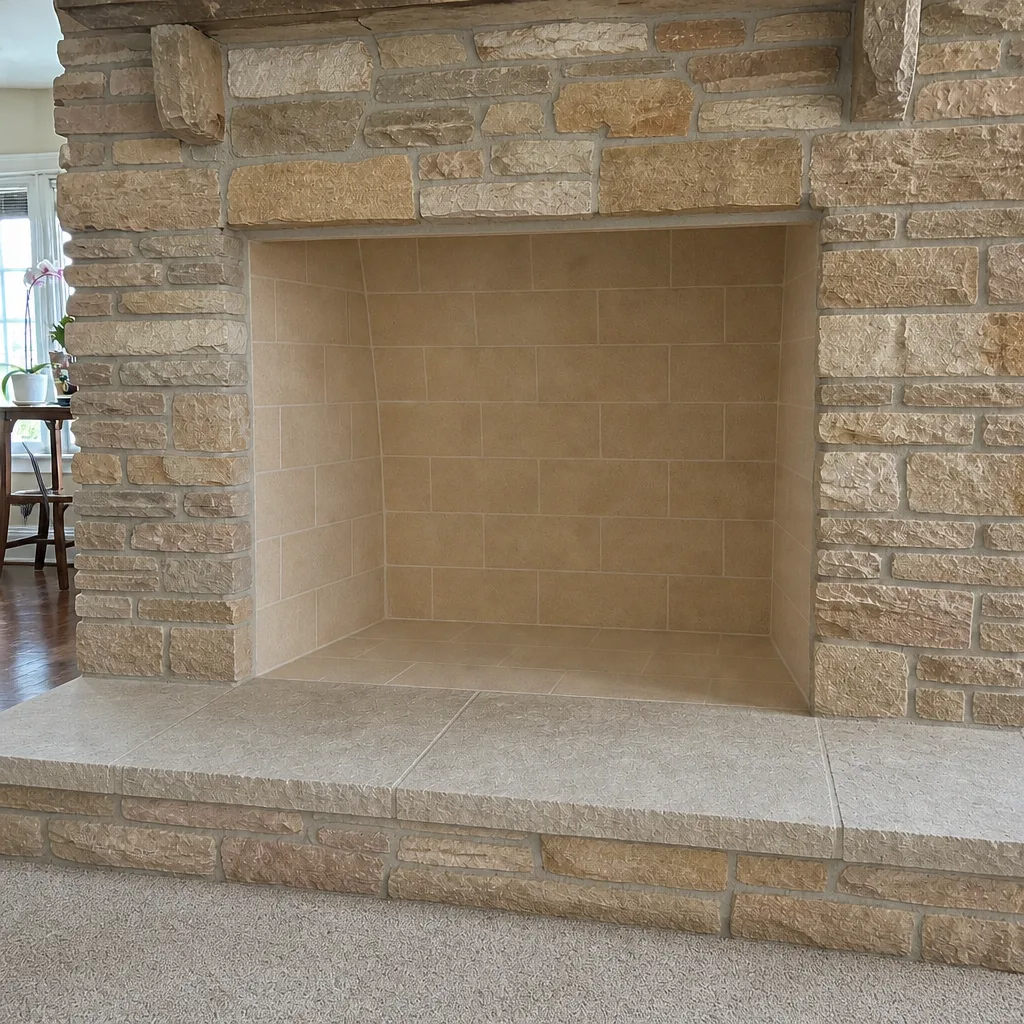
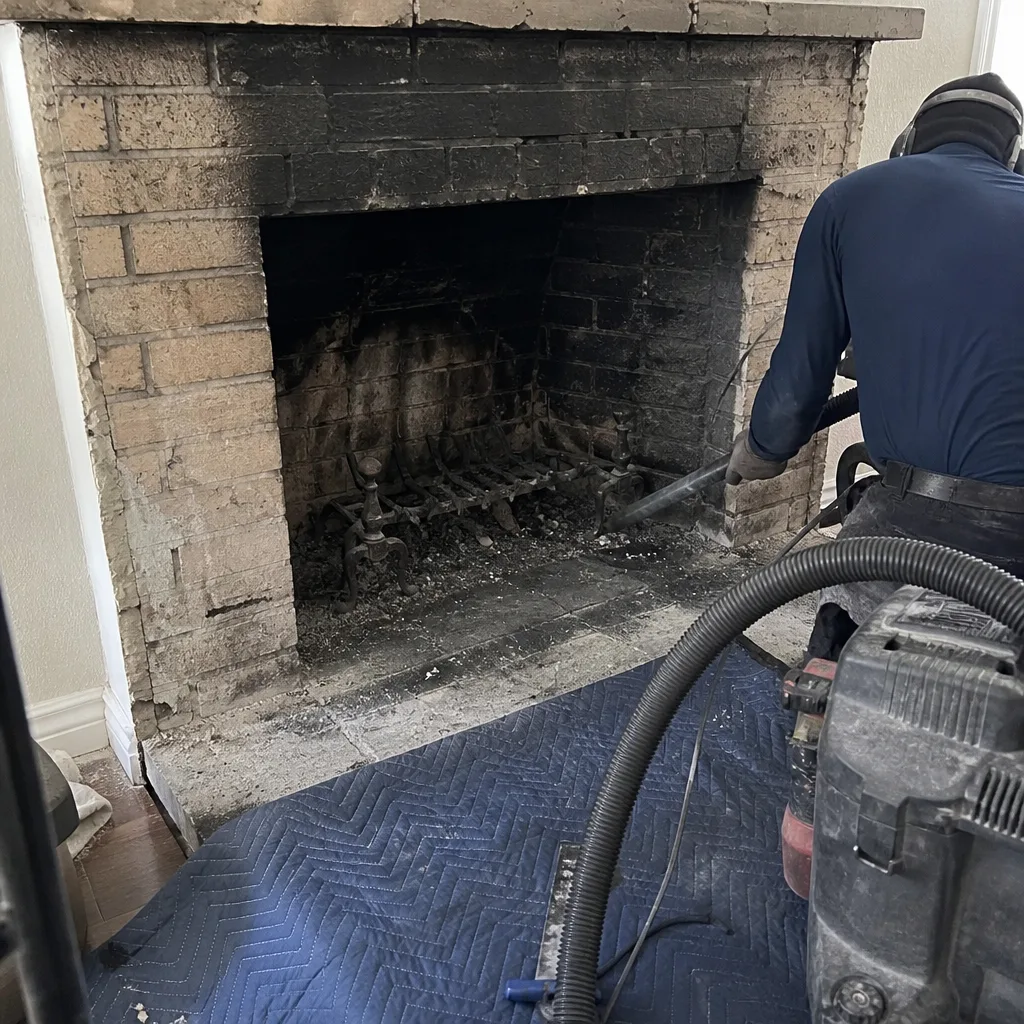
See the difference
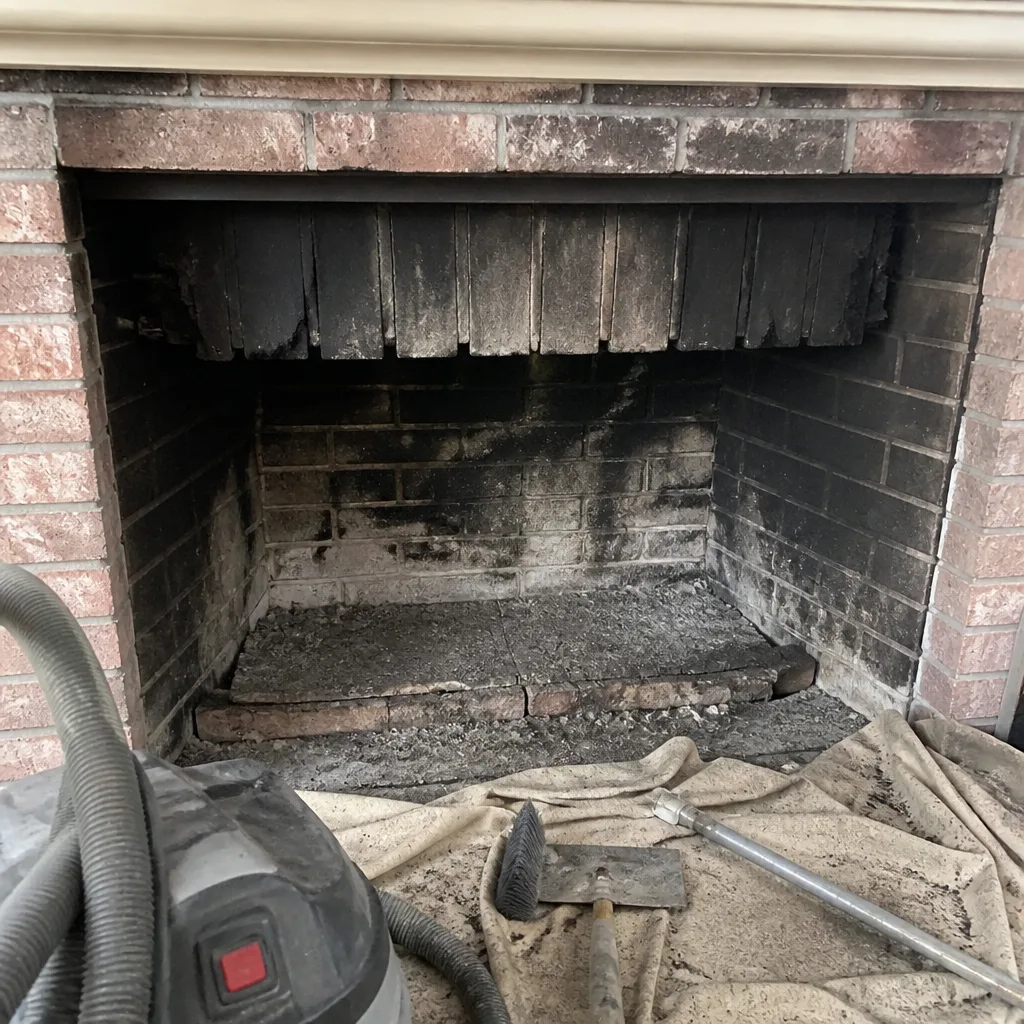 Before
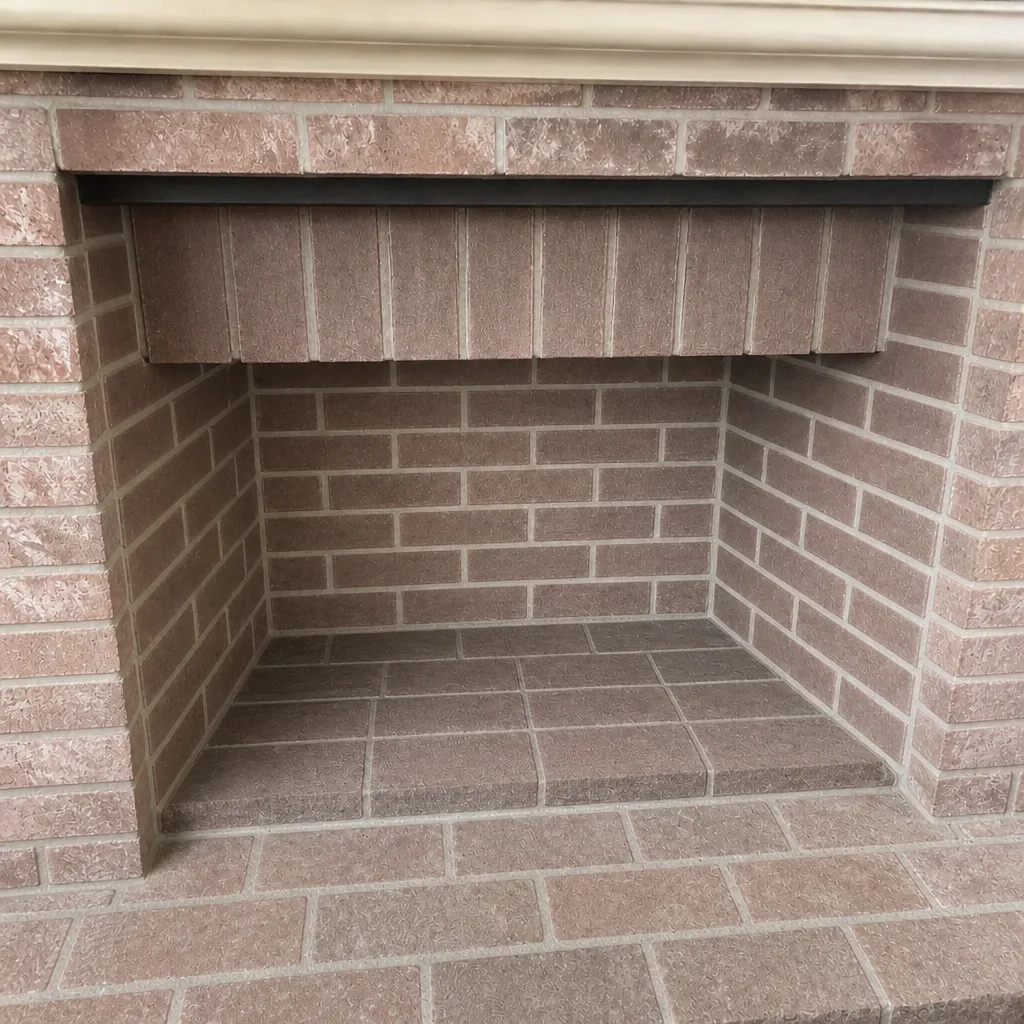 After
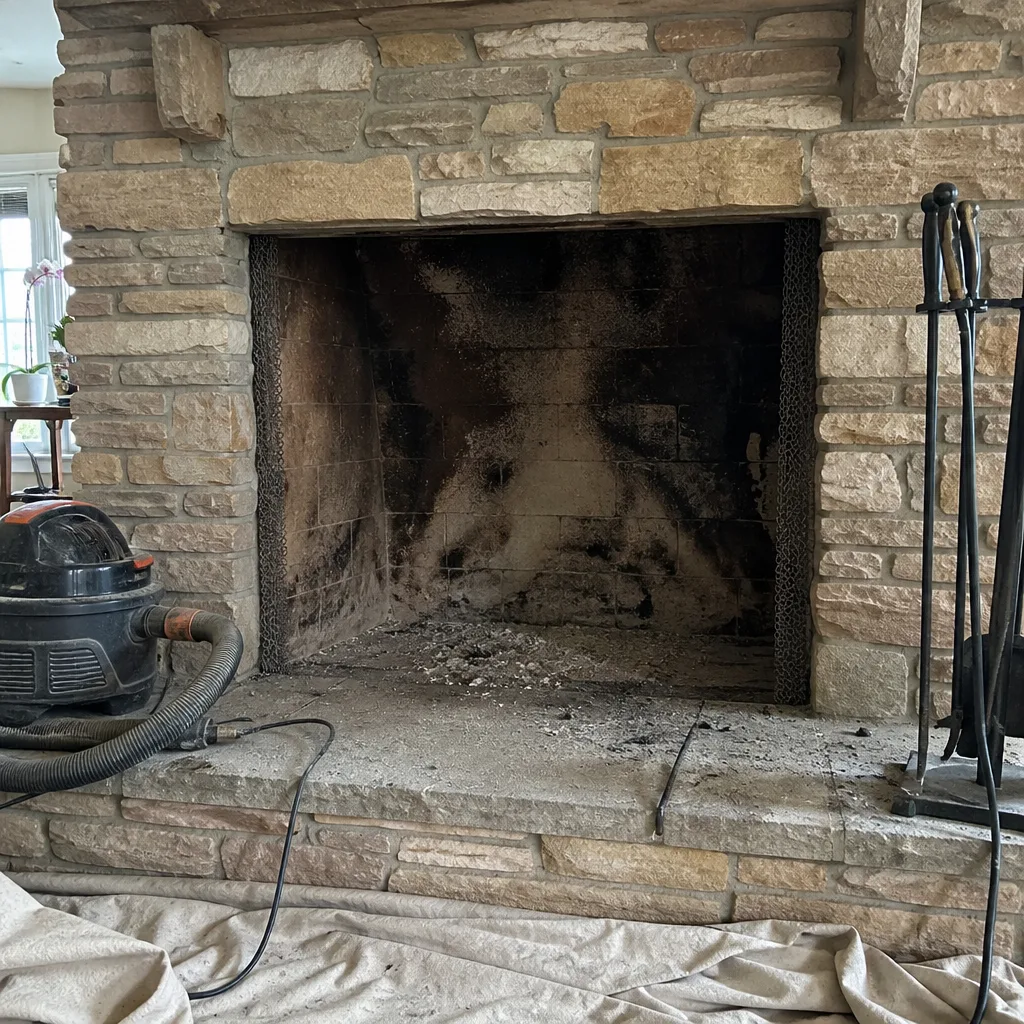 Before
 After
 Before
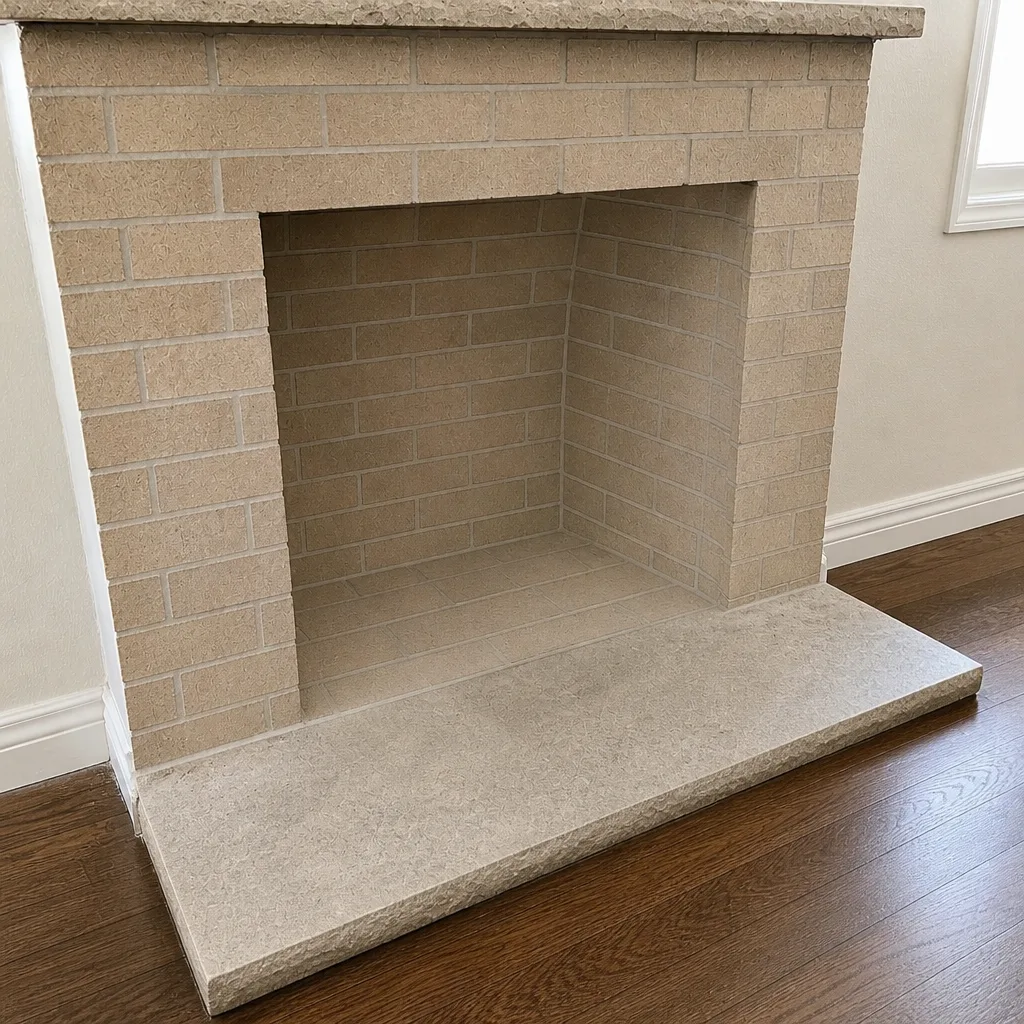 After
When to Call a Professional
Some chimney work is routine maintenance and some of it needs a trained technician. The line between the two is clearer than most homeowners expect. Call a professional if you haven’t had a sweep in over a year, if you smell smoke in the house when the fireplace is in use, if you notice creosote buildup on the flue walls, if the crown or mortar is visibly cracked or spalling, if you hear a rattle or draft problem in the flue, or if your dryer is taking longer than usual to dry a load. These are all signs that a trained eye should look at the system, and none of them are DIY items. Liner work, crown repair, and flue diagnosis involve height, combustion byproducts, and carbon monoxide risk. Grafton Chimney Sweep offers free estimates in Highlands Ranch. Call (833) 749-6226. We answer 24/7. Fast dispatch from 7am to 7pm, Sunday through Friday. Closed Saturday.
Frequently Asked Questions
The best choice is a full-service provider that uses professional-grade materials, can resurface or reline a flue in-house, and puts its warranty in writing. Price matters, but the materials question matters more, because it determines how long any repair will hold up in the local climate. Ask about brands, ask about resurfacing capability, and ask for the warranty before you book. Call (833) 749-6226 for a free estimate.
Look for DuraFlex for flexible liner systems, HeatShield for liner resurfacing, and Gelco, Olympia Chimney, Famco, and Copperfield for sealants, components, and mortar. These are industry-recognized product lines that a professional-grade repair is built on. If a provider can’t name the brands they use, that’s a signal to ask more questions. Call us if you’d like to talk through what your chimney needs.
Pricing is set per job by a written estimate, and the estimate is free. The cost depends on the flue’s condition, the number of flues, and whether a repair is needed during the visit. We don’t quote a flat number over the phone because a chimney in Highlands Ranch can look very different once we’re inside it. Call (833) 749-6226 for a free estimate.
Sometimes it can be resurfaced, and sometimes it can’t. HeatShield liner resurfacing restores a flue that’s damaged but structurally intact, and it’s a real option many sweep-only companies can’t offer. A full DuraFlex relining is the right call when the flue is too far gone for resurfacing. The diagnosis determines the answer, and we’ll explain what we found before we recommend anything. Call (833) 749-6226 to book an inspection.
Once a year is the standard baseline, and it’s a fire-safety matter rather than an optional upgrade. Highlands Ranch’s freeze-thaw cycles are hard on liners and crowns, so an annual sweep catches small problems before they become expensive ones. If you burn wood frequently, or if you notice smoke smell or draft problems, book sooner. Call (833) 749-6226 for a free estimate.
It’s necessary. Dryer vents are one of the leading causes of residential house fires, and lint buildup is the reason. Highlands Ranch’s dry climate makes lint more combustible, not less. We treat dryer vent cleaning as part of whole-home fire prevention, not an add-on. Call (833) 749-6226 to schedule.
The Bottom Line
Choosing the right chimney cleaning brand in Highlands Ranch is really a question about materials and follow-through. A cleaning-only provider hands you a report; a full-service provider repairs what they find, using professional-grade brands like DuraFlex, HeatShield, Gelco, Olympia Chimney, Famco, and Copperfield. That difference shows up in the long-term cost of your chimney, because a repair built on real materials lasts, and a repair built on commodity ones doesn’t. Ask the materials question. Ask for the warranty in writing. Ask whether resurfacing is an option before replacement is recommended. Those three questions will tell you almost everything you need to know about who you’re hiring.
If you’d like a straight read on your chimney from a provider that stocks and installs the brands we’ve named here, and that repairs what it finds in a single engagement, call (833) 749-6226 for a free estimate. We answer 24/7. Fast dispatch from 7am to 7pm, Sunday through Friday. You can also read more about us at Grafton Chimney Sweep.
Written by the team at Grafton Chimney Sweep.