
Last updated November 15, 2026
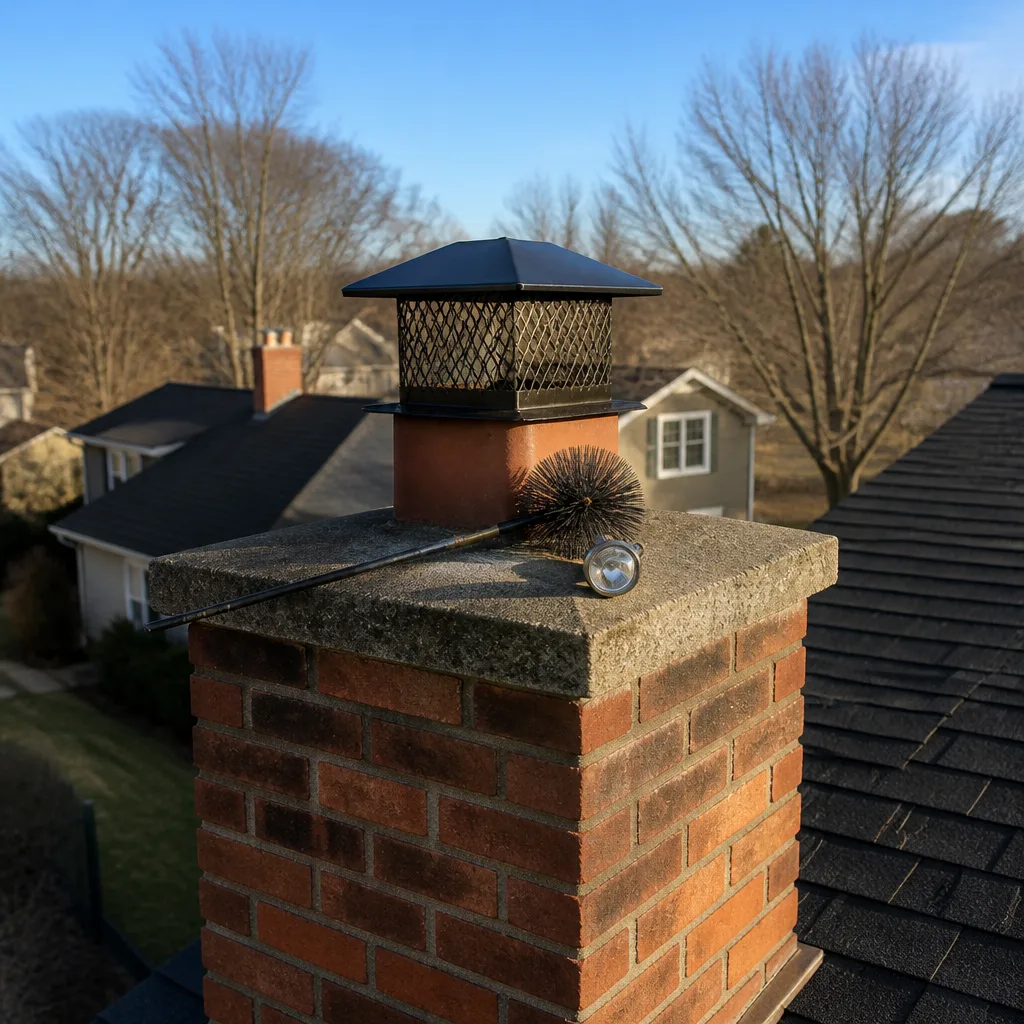 Sweep & inspection
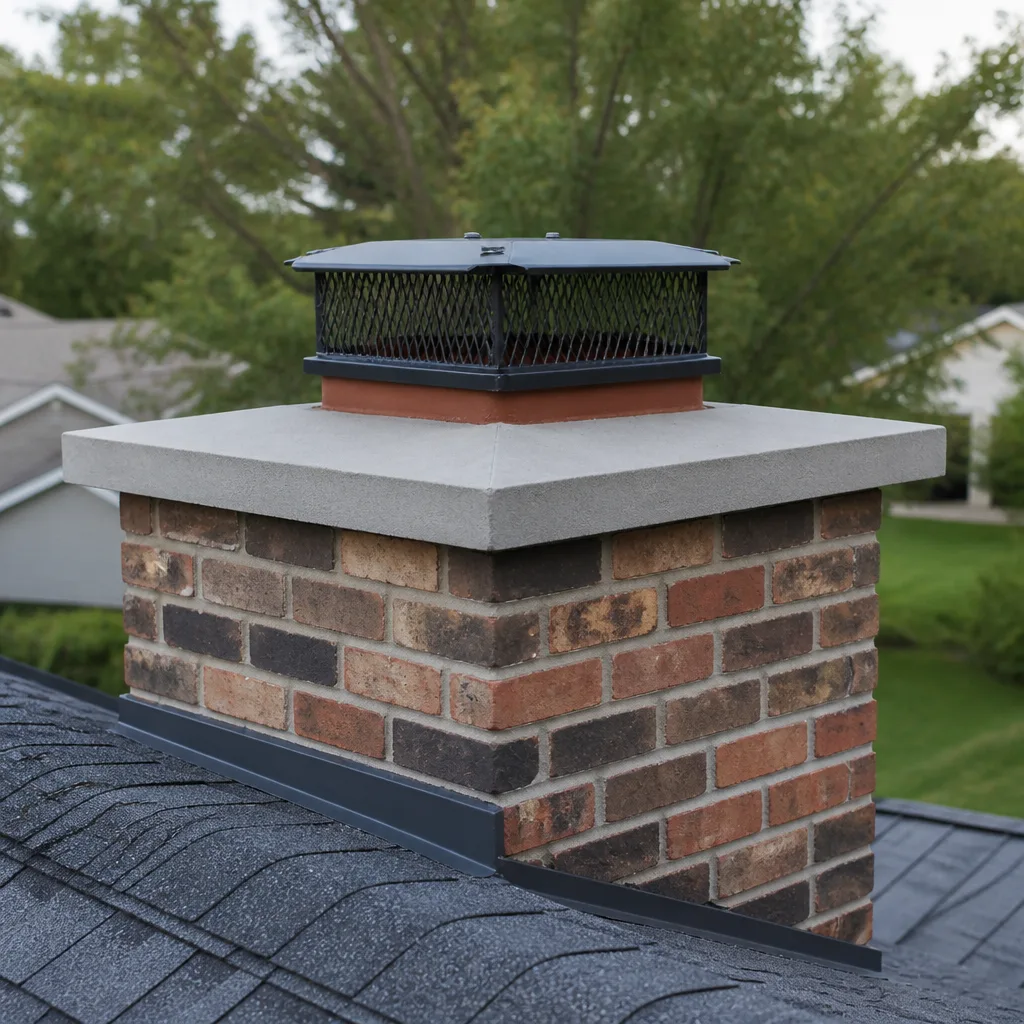 Caps & crowns
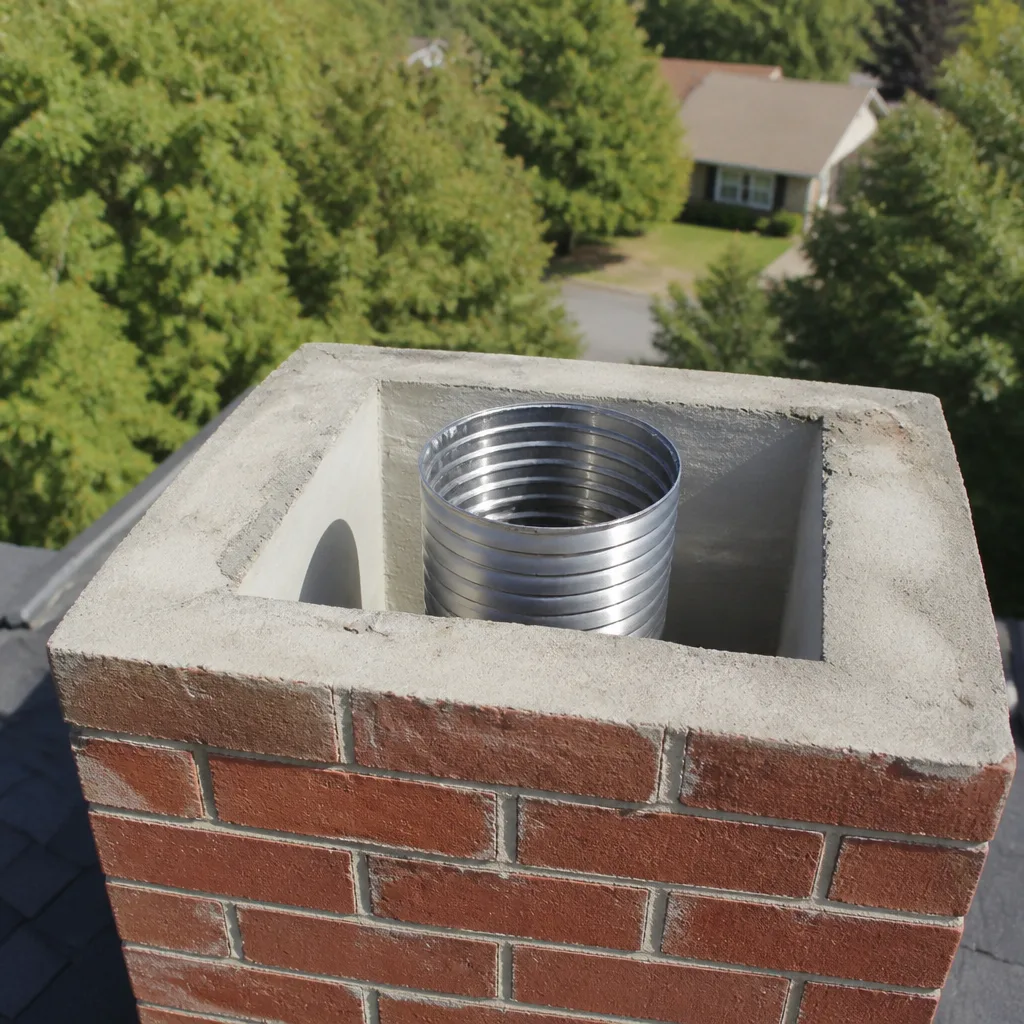 Flue relining
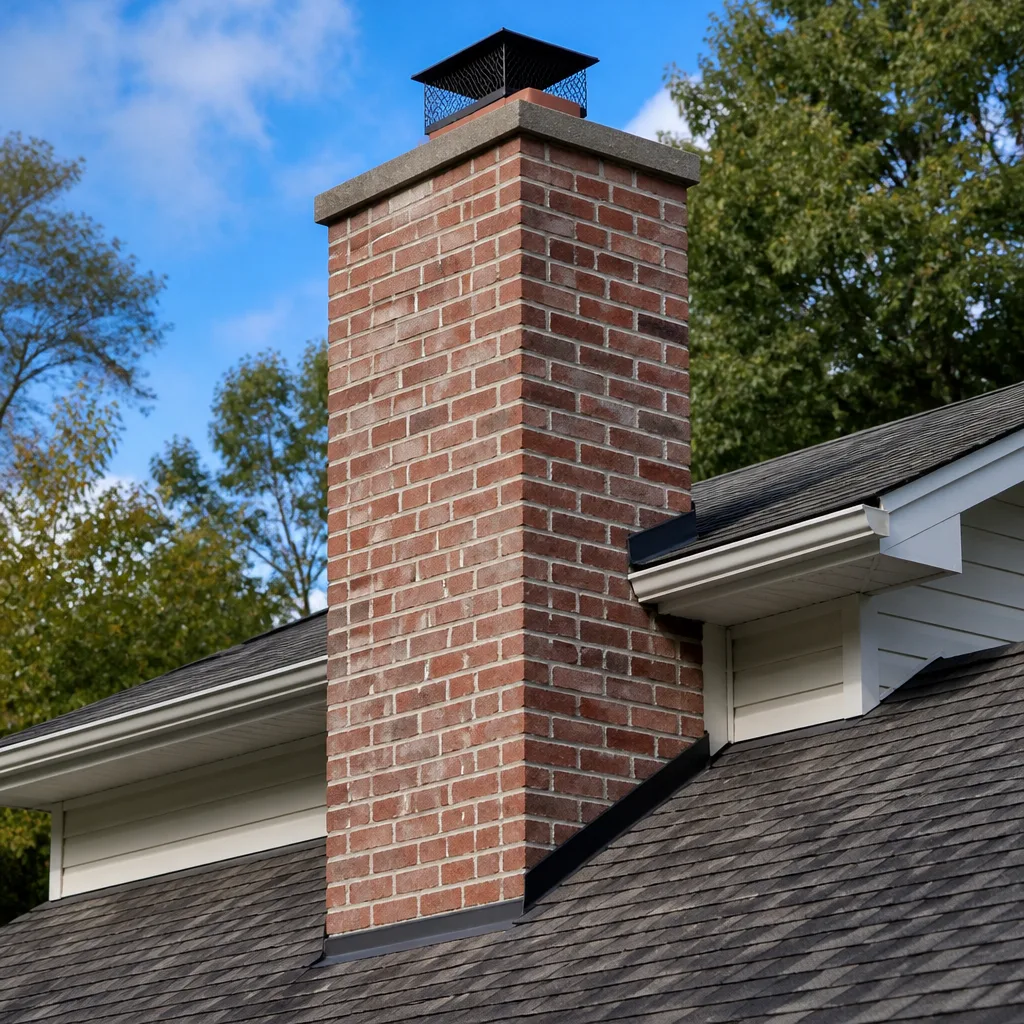 Masonry repair
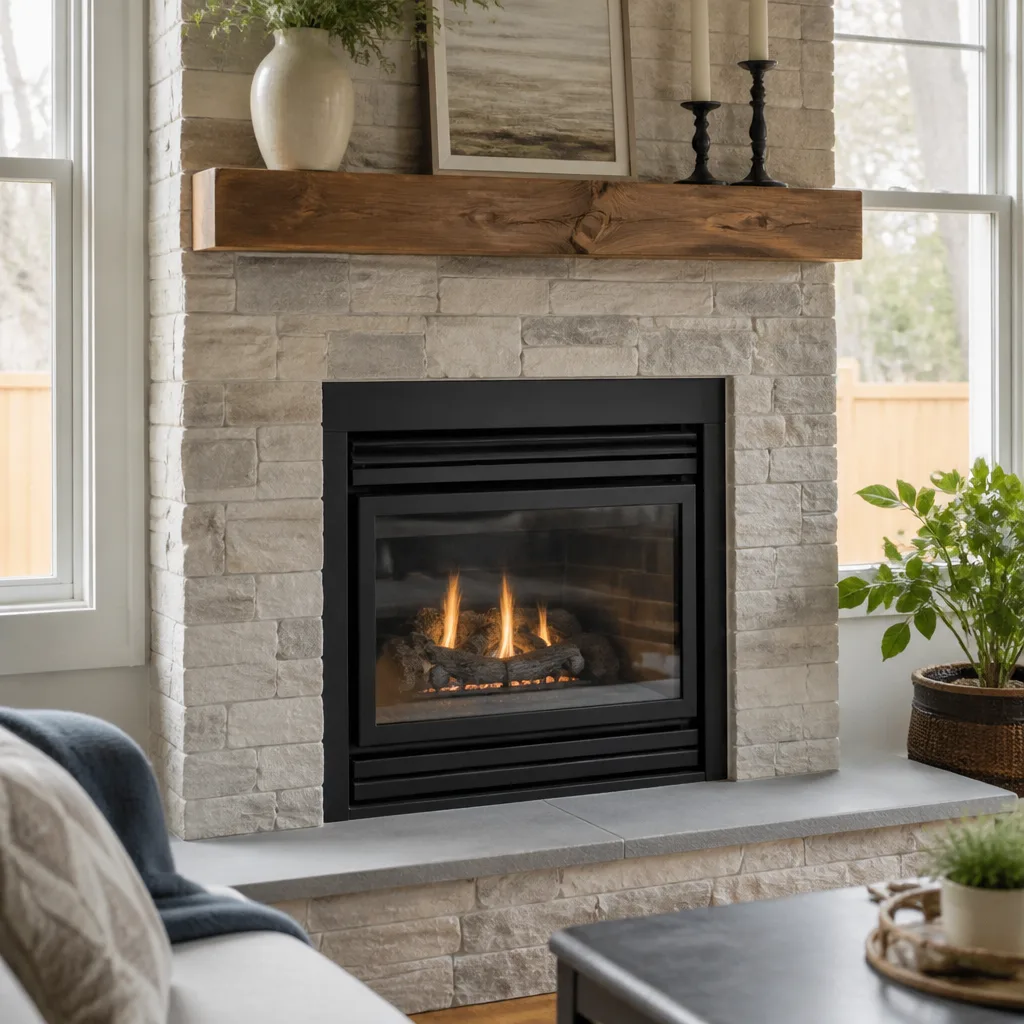 Gas fireplace service
Level 1 sweep and inspection to the NFPA 211 annual standard - flue, crown, cap, and flashing checked and photographed
Chimney sweep logs do not sweep chimneys. They loosen some creosote - which then falls where a brush and vacuum still have to collect it.
Seasonal Chimney Cleaning Care for Highlands Ranch: Year-Round Homeowner’s Guide
Most chimney advice treats fall as the only season that matters. Here in Highlands Ranch, that thinking gets homeowners into trouble twice over. By the time October arrives, the early fall fire season has already started, and the moisture damage from a wet summer has been sitting in your masonry for months. Chimney care in Highlands Ranch isn’t a single fall appointment. It’s a four-season rhythm shaped by freeze-thaw winters, dry late-summer fuels, and monsoon moisture that works on mortar joints long before you build your first fire. This guide walks you through what to check each season, when to book, and what you can safely handle yourself.
Quick Answer
Chimney care in Highlands Ranch should follow the local climate calendar, not the national habit of booking in October. The best professional service window is late summer, roughly August into September, before fire season and before the fall booking rush. Winter is when freeze-thaw cycles stress your crown and mortar joints, and summer monsoon moisture is when small cracks quietly widen. Schedule a professional visit in late summer and handle light off-season checks yourself the rest of the year.
Styles & brands we work with
- Sweep & inspection
- Caps & crowns
- Flue relining
- Masonry repair
- Gas fireplace service
Table of Contents
- Why Highlands Ranch Chimney Care Follows Its Own Climate Calendar
- Why Late Summer Is the Best Time to Book Your Sweep
- How Freeze-Thaw Cycles Damage Masonry Between November and March
- Spring: What to Check After the Heating Season Ends
- Summer: What Homeowners Can Do to Protect the Chimney
- Fall: Fire Season, First Burns, and the Booking Crunch
- How to Time Professional Visits Around the Booking Crunch
- Signs Your Flue Needs Attention Before the Next Season
Why Highlands Ranch Chimney Care Follows Its Own Climate Calendar
If you’ve owned a chimney in the humid Midwest, you learned to worry about moisture from the air. If you’ve lived on the mild Pacific Coast, you learned that winters are gentle and masonry rarely freezes. Highlands Ranch sits in neither world. Our climate runs on a cycle of dry heat, sudden wet spells, and hard freezes, and each phase stresses a chimney in a different way.
The practical result is that chimney care isn’t one job done once a year. It’s a rotating set of concerns:
- Late summer: the dry season builds fuel on the landscape and the fire season approaches. This is your window to get the flue clean and inspected before anyone lights a fire.
- Fall: the first cold snaps arrive, and the booking calendar fills up fast. Chimneys that haven’t been serviced are lit for the first time in months.
- Winter: repeated freezing and thawing works on the crown, the mortar joints, and any hairline cracks in the masonry.
- Spring: the heating season ends, and it’s time to see what the winter left behind.
- Summer: monsoon moisture and afternoon storms find their way into every gap. This is when small cracks grow.
None of these seasons is “the” time to think about the chimney. The point is that the chimney is always in a phase of exposure, and the work changes with the phase. A guide built around a single fall sweep misses three-quarters of the year. Here in Highlands Ranch, we see the same pattern year after year: a chimney that was fine in October comes out of winter with a cracked crown, and the homeowner has no idea until the next inspection.
So treat this page as a calendar, not a checklist. Read the season you’re in and the season coming up. We repair what we find, and knowing what to look for at the right time is how you keep small problems from becoming structural ones.
Why Late Summer Is the Best Time to Book Your Sweep
The single most useful habit in Highlands Ranch chimney care is booking your professional sweep in late summer, usually August into September. It’s not because the chimney is dirtier then. It’s because of two things that converge at once: fire season, and everyone else’s procrastination.
Here’s what most homeowners don’t realize. The busiest two weeks of the chimney-service year are the first two weeks of October. When the first cold morning arrives, homeowners who’ve been putting off the sweep all year pick up the phone. If you wait until October, you’re competing for the same limited appointment slots as everyone on your block, and you may end up burning in a flue that hasn’t been examined since the previous winter.
Booking in late summer solves both problems:
- The flue gets cleaned and inspected before the dry season peaks. Any creosote buildup or cracked tile is found while there’s still time to fix it.
- You avoid the crunch. Appointments are easier to schedule, and if a repair is needed, there’s time to complete it before the first fire.
- You give summer moisture damage a chance to be caught. A flue that sat through monsoon season may have cracks that need attention, and a late-summer sweep finds them.
- You get ahead of fire season. A clean, sound flue is safer when the surrounding landscape is dry and the first fire of the year is coming.
This is the one scheduling habit that changes everything else on this page. If you take nothing else from this guide, take the calendar: book the chimney sweep when the calendar is quiet, not when it’s full. It’s the difference between a routine appointment and a scramble.
How Freeze-Thaw Cycles Damage Masonry Between November and March
Winter is when Highlands Ranch’s climate does its quietest work on your chimney. The mechanism is simple and relentless. Masonry is porous. Water soaks into the brick, the mortar, and the crown. When temperatures drop below freezing, that water expands. When it warms up, the water thaws and flows deeper. Repeat that dozens of times in a single winter and you understand why freeze-thaw damage is the leading cause of masonry decline in our area.
The parts of the chimney most exposed to it:
- The crown. The concrete slab at the top of the chimney. Hairline cracks let water in, and the freeze-thaw cycle widens them each winter.
- Mortar joints. The material between the bricks. Freeze-thaw makes it crumble and fall out, which weakens the structure.
- The flue lining. A cracked tile is fine in September and a real problem in January, because water that gets into the crack freezes inside the flue.
You can’t prevent winter. But you can limit the damage. The best defense is a sound crown and intact mortar joints before the first freeze, which is another argument for late-summer service. Once winter is underway, watch for these signs between November and March:
- Pieces of mortar or brick on the roof or at the base of the chimney
- White, chalky staining on the masonry (a sign of moisture moving through)
- Rust or water stains on the firebox or damper
- Draft problems that appear only in cold weather
If any of these show up, note them and plan a spring inspection. Don’t ignore them because the chimney still “works.” In our experience, a crown crack that’s small in November is a crown repair in April, and a masonry repair we’d rather not describe by summer.
Spring: What to Check After the Heating Season Ends
Spring is the season of assessment. The heating season has ended, the freeze-thaw damage from winter is visible, and the chimney has a few quiet months ahead before summer moisture arrives. Use that window to look things over. This is a visual walk-around, not a DIY repair session. Anything structural is a job for a trained professional.
A spring walk-around you can do yourself:
- Look at the crown. From the ground with binoculars, or from a safe vantage point. Any visible cracks, missing chunks, or gaps at the edge are worth noting.
- Check the mortar joints. Crumbs of mortar on the roof or at the chimney base mean joints are failing.
- Inspect the firebox and damper. Look for water stains, rust, or a damper that no longer seals.
- Check the cap and screen. A cap that’s loose or a screen that has torn lets in birds, squirrels, and rain.
- Note the draft. A smoky fireplace in spring, when the weather is mild, may point to a flue issue that got worse over winter.
If your spring walk-around turns up anything, don’t wait for fall to address it. Our technicians have up to 15 years of experience and can assess cracks, mortar problems, and flue damage while the schedule is open. When the diagnosis calls for a liner fix, a HeatShield resurfacing application can often restore a damaged flue without a full replacement, and a DuraFlex flexible liner handles the cases where resurfacing isn’t enough. In both cases, the repair stays with us instead of being handed off to someone else.
Spring is also the right time to think about your dryer vent, which shares the same fire-safety logic as the chimney. Lint buildup is a leading cause of residential house fires, and a spring service of the dryer vent cleaning system keeps that risk handled before summer.
Summer: What Homeowners Can Do to Protect the Chimney
Summer brings a gift and a threat at the same time. The heating season is over, which means the chimney is out of use and there’s no fire risk from burning. But the monsoon season delivers moisture, and moisture is what feeds every crack the winter left behind. The right summer tasks are all about keeping water out of the masonry and the flue.
What you can safely do as a homeowner in summer:
- Keep the cap clear. Check that tree limbs or debris aren’t blocking airflow around the cap. A clear cap lets moisture evaporate instead of staying trapped in the flue.
- Watch for water inside. Any sign of dampness at the firebox mouth or a musty smell in the fireplace area means water is getting in somewhere.
- Trim nearby vegetation. Overhanging branches shade the masonry and keep it damp longer, which worsens moisture damage.
- Keep an eye on the crown after storms. Large hail or a hard downpour can open a fresh crack. Note changes and pass them along at your next inspection.
- Keep the chimney base clear. A clear area at the bottom means you’ll notice fallen mortar or brick right away.
What you shouldn’t do: seal cracks yourself with a caulk or a hardware-store patch, climb onto the roof to inspect the flue from above, or try to apply any surface coating to the inside of a flue. The flue lining is a safety-critical system, and work on it that’s done wrong creates a carbon monoxide risk rather than solving one. If summer moisture is finding its way in, that’s a call we want you to make, and we can put a camera inspection and a report in front of you so you can see the problem yourself.
For many Highlands Ranch homeowners, summer is the season where the chimney disappears from daily thought. That’s exactly why it’s the season when moisture damage does its best work. A five-minute walk-around a few times over the summer is all it takes to stay ahead of it.
Fall: Fire Season, First Burns, and the Booking Crunch
Fall is when three things meet: the first cold mornings, the first fires in the fireplace, and the fire season on the land around Highlands Ranch. All three point to the same advice, and it’s the one most homeowners ignore: the fall is the worst time to schedule a first sweep of the year.
The reason is creosote. Every fire you burn deposits a thin layer of creosote on the inside of the flue. That layer accumulates through the season, and by spring it can be thick. When you light the first fire in the fall without a sweep, you’re burning in a flue that’s been sitting with that buildup since the previous winter, and the first fire of the year is also the fire that’s most likely to catch a flue fire. A professional sweep before the first burn removes the buildup and forces a proper inspection before you commit to the season.
Fall at-home checks worth doing:
- Test the draft with a small piece of paper (not a fire) to see if smoke pulls upward properly.
- Check the cap and damper before the first fire, not after.
- Clear the firebox of ash and debris from last season.
- Confirm the flue is clear of bird nests or debris that may have accumulated over summer.
If you’re one of the homeowners who books the sweep in the fall, do it early, and expect a fuller calendar. If you can push the booking back to late summer next year, you’ll have the whole problem solved before the season starts. The best advice we can give about fall is to have done the work already.
How to Time Professional Visits Around the Booking Crunch
Timing is the whole game with chimney service in Highlands Ranch. The work itself doesn’t take long; it’s getting the appointment at the right moment that makes the difference between a routine visit and a fall of uncertainty. Here’s how to plan around the local pattern.
- Target late summer (August to early September) for the main annual visit. The flue is clean from the heating season, the inspection catches anything from summer moisture, and you’re ahead of both fire season and the fall rush.
- Book the next visit before you leave the current one. The simplest fix for the October crunch is a standing habit. Put the next appointment on the calendar while the current one is finished.
- If you must book in fall, aim for the earliest weeks. The crush is concentrated in the first two weeks of October. Anything earlier in September is easier.
- If you discover a problem in winter, book a spring inspection. Getting on the schedule in spring beats waiting for the fall appointment window to open.
- Plan the dryer vent service in the same window. Cleaning both systems in one visit keeps the whole home’s fire safety on the same calendar.
We’re not the only ones who noticed the October pattern. The difference is being deliberate about it. When you know the busy window is coming, you can plan your chimney work around it instead of into it. That’s true whether you live near the north end of Highlands Ranch or anywhere else in the community.
Signs Your Flue Needs Attention Before the Next Season
Sometimes the calendar isn’t the deciding factor. Sometimes the chimney tells you it’s time. These are the signals we’d act on, in any season:
- A smell of smoke in the house when the fireplace is lit or after it’s out. A sign of draft or flue problems.
- A build-up of dark, glazed, or flaky creosote visible inside the firebox or flue. The kind of buildup that raises flue-fire risk.
- Water stains, rust, or a loose damper. Moisture is getting in and something is degrading.
- Visible damage to the crown, cap, or masonry. A crack, missing chunk, or crumbled mortar joint.
- An unexplained loss of draft or a smoky room. Airflow has changed, usually for a structural reason.
- No sweep in the past year. If you can’t remember the last professional visit, it’s overdue regardless of the season.
Any of these is a reason to have a professional look. We can confirm what’s wrong with a camera inspection and a photo report, so you’re not taking anyone’s word for it. That matters because the biggest risk in chimney work isn’t the repair itself; it’s being persuaded to pay for thousands of dollars of work you have no way to verify. We won’t recommend a repair you can’t see the evidence for, and we’ll tell you plainly when work can safely wait.
Common Mistakes to Avoid
- Waiting until October to book the annual sweep. The first two weeks of October are the busiest of the year. Booking in late summer avoids the rush and catches problems early.
- Skipping the flue inspection because the chimney “works fine.” A flue that drafts well can still have a cracked tile or thick creosote. The inspection, not the draft, is what catches it.
- Assuming summer is the season to do nothing. Monsoon moisture is when cracks widen. A few summer checks prevent a much larger problem by fall.
- Ignoring masonry damage over the winter. A crumb of mortar on the roof in January is a warning. Waiting until October to act on it is how small cracks become structural repairs.
- Letting the dryer vent go a full year without service. Lint buildup is a leading cause of house fires, and it shares the same seasonal neglect pattern as the chimney. Both should be on the same calendar.
- Trying to seal or patch the flue yourself with hardware-store products. A flue is a safety-critical system. Improper repair creates a carbon monoxide risk rather than solving one.
- Hiring a sweep who can’t fix what they find. A sweep-only service documents a problem and leaves you to find someone else. Full-service repair in the same visit is what keeps your flue on schedule.
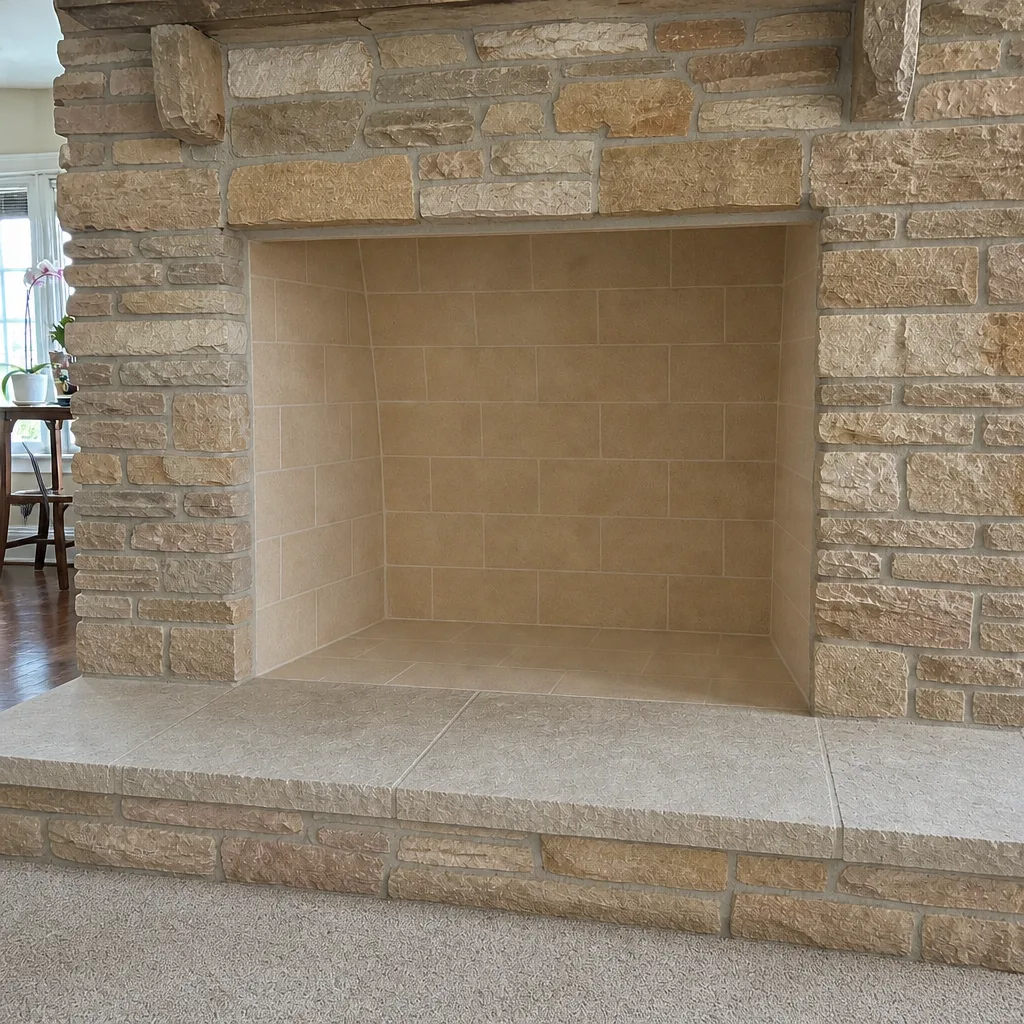
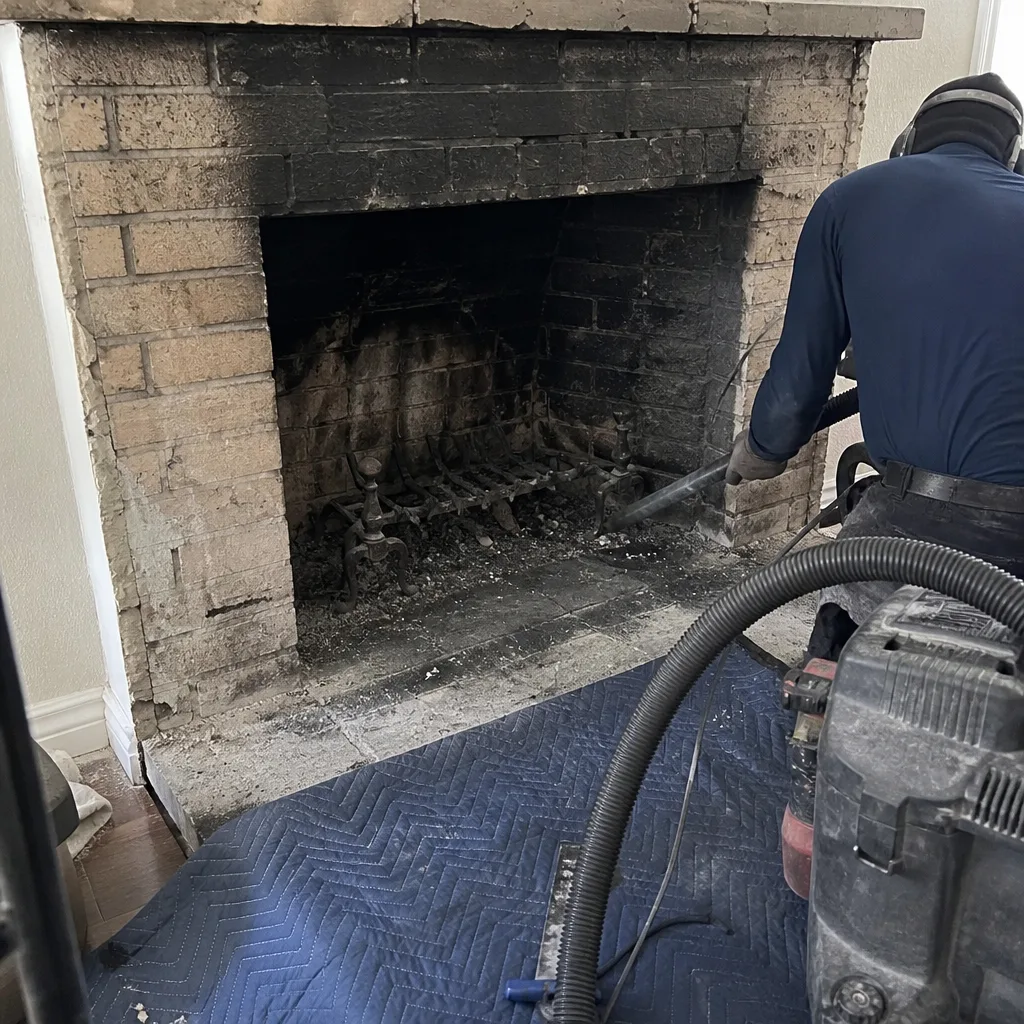
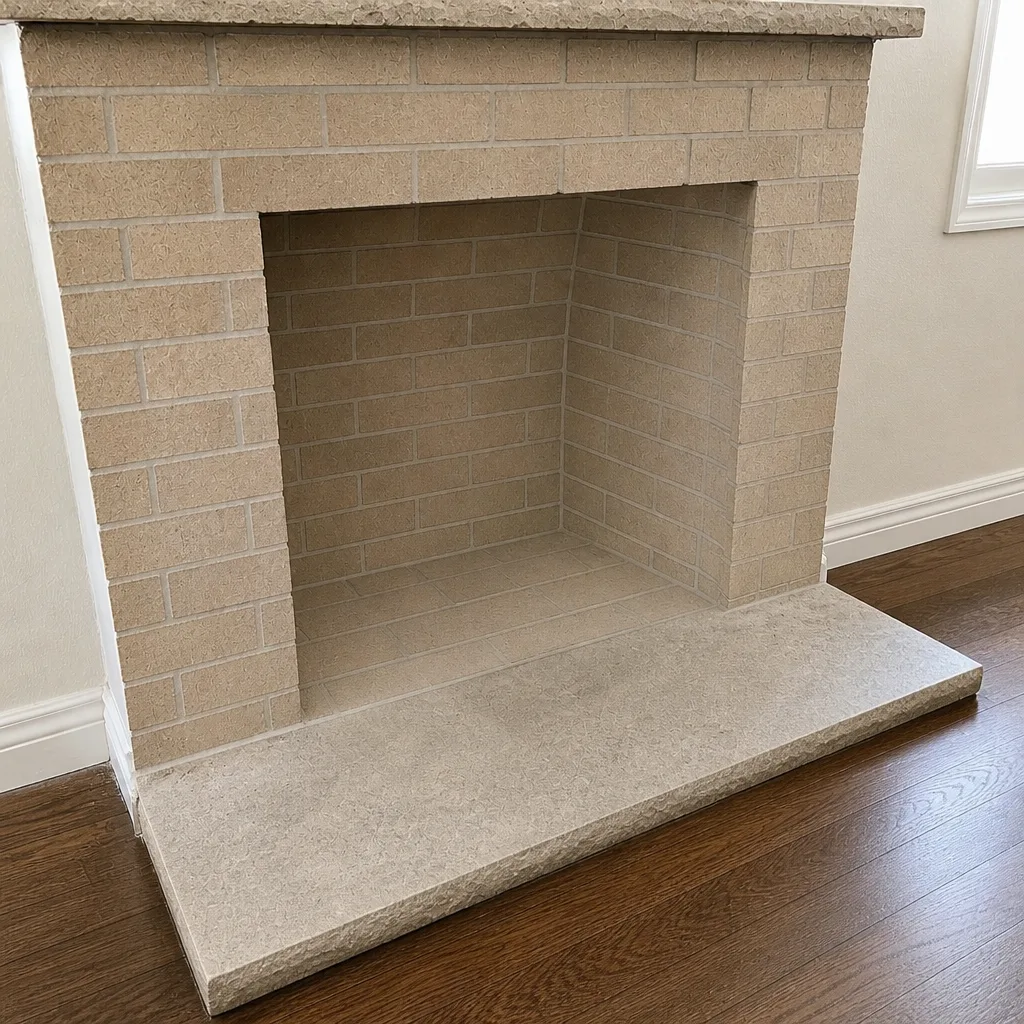
See the difference
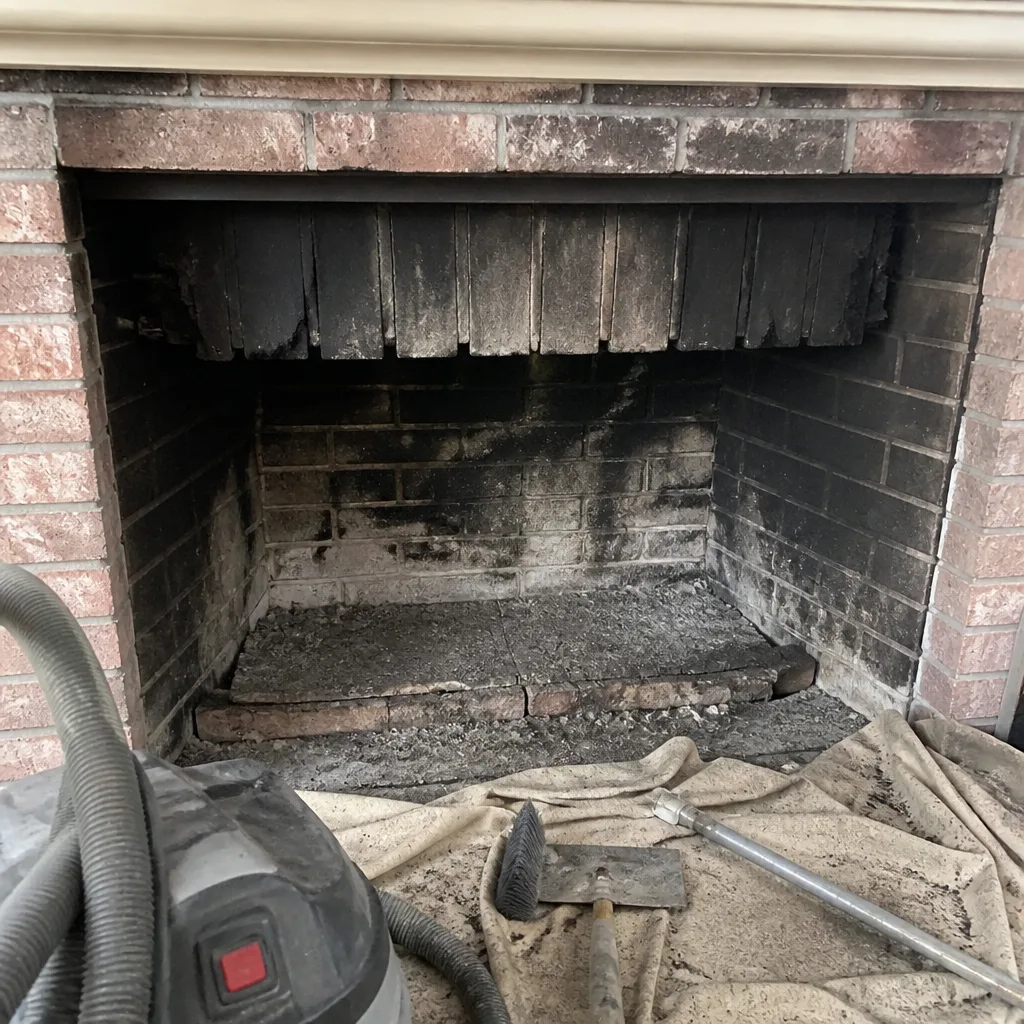 Before
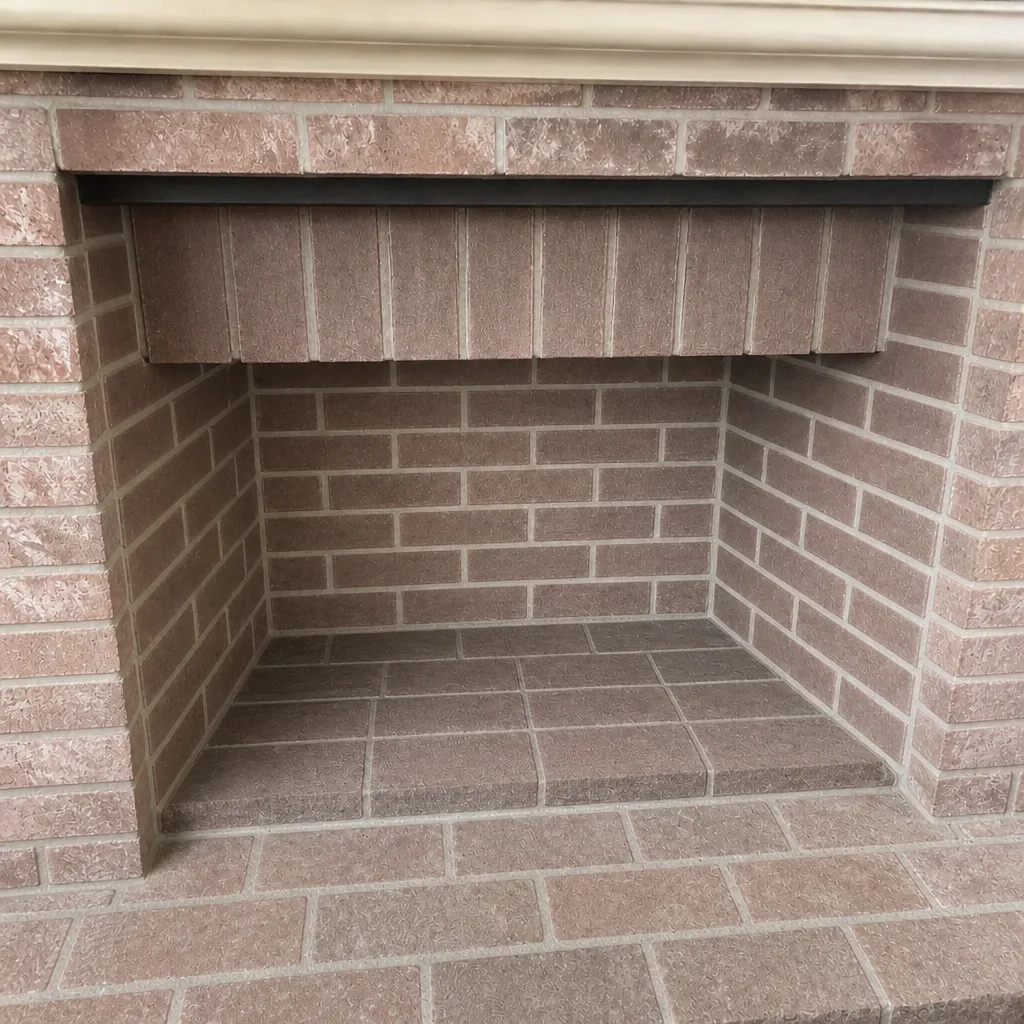 After
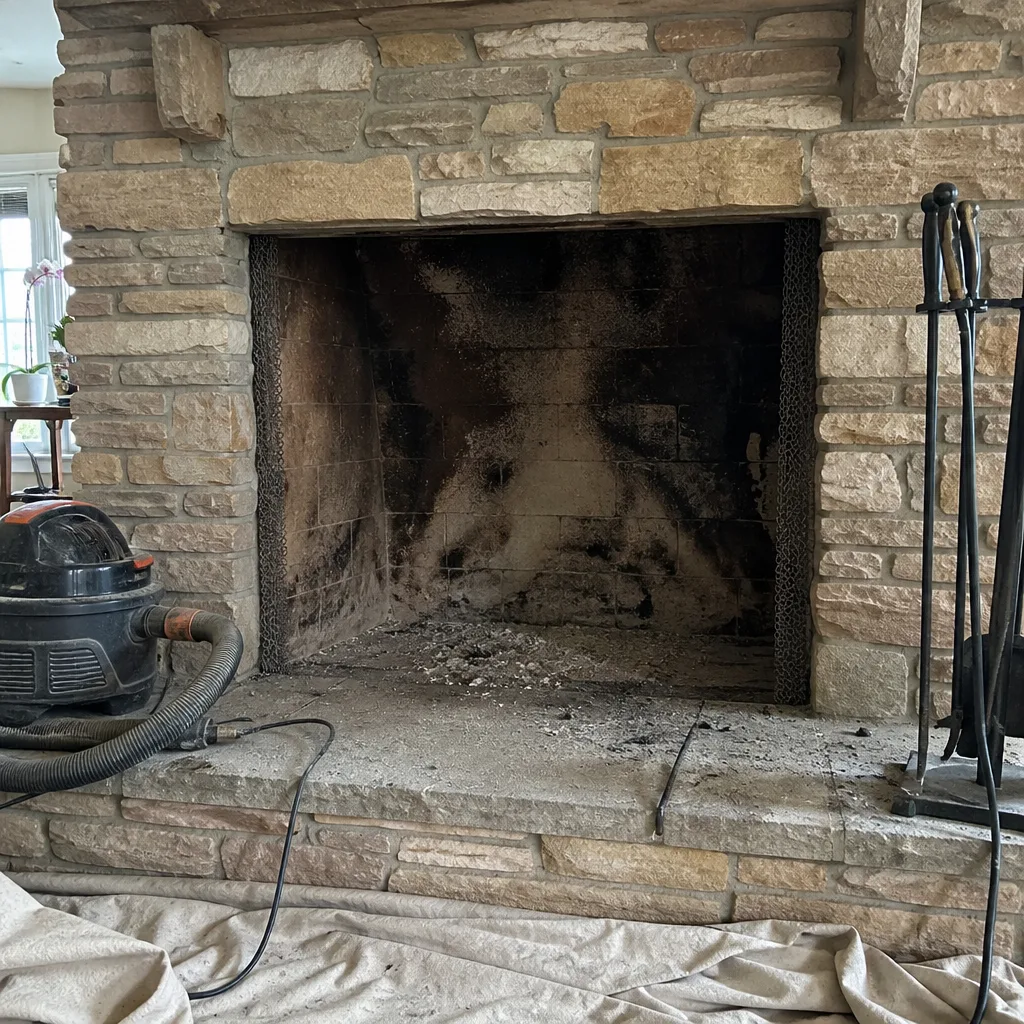 Before
 After
 Before
 After
When to Call a Professional
Call a professional when the sign is structural, the smell is unexplained, or the calendar says it’s time. Specifically: any visible crack in the crown, cap, or flue; a smell of smoke in the house when the fireplace isn’t lit; a fire that won’t draft properly; no sweep in the past year; or a sweep that turned up creosote buildup that needs more than a brush. Don’t try to diagnose a damaged flue or masonry from the ground, and never attempt to work on the flue lining yourself.
Grafton Chimney Sweep offers free estimates in Highlands Ranch. Call (833) 749-6226. We answer 24/7. Fast dispatch from 7am to 7pm, Sunday through Friday. Our technicians have up to 15 years of experience, and the price is set per job by a written estimate, so you know what you’re agreeing to before work starts. If the diagnosis calls for liner resurfacing or a flexible liner, we handle it in the same service visit rather than sending you to a second company.
Frequently Asked Questions
A standard chimney sweep in Highlands Ranch is typically a modest, per-job cost, and the exact number is set by a written estimate before any work begins. The price depends on the flue’s condition, whether an inspection finds damage, and what kind of access the chimney has. Call (833) 749-6226 for an exact quote. Estimates are free.
The best time is late summer, roughly August into September. That window gets your flue cleaned and inspected before fire season and before the October booking rush. It also gives summer moisture damage a chance to be caught before the heating season starts. If you’ve missed that window, book as early in September as you can.
Yes, an annual inspection is still worth it even for a lightly used fireplace, because the inspection is about more than creosote. It’s the chance to catch a cracked tile, a failing crown, or a damaged cap before those problems get expensive. The sweep and the inspection go together. Call (833) 749-6226 to get on the schedule.
Water soaks into the masonry, freezes, expands, and thaws, and each round widens small cracks. That cycle between November and March is the leading cause of masonry decline in our climate, and it’s why the crown and mortar joints fail faster here than in a mild climate. The best defense is a sound crown and intact joints before the first freeze.
You can keep the cap clear, trim nearby vegetation, watch for water stains inside the firebox, and note any new cracks after storms. What you shouldn’t do is seal cracks yourself, climb onto the roof to inspect the flue, or apply any coating inside the flue. Those are jobs for a trained professional. If you’re not sure, call (833) 749-6226 and we’ll tell you what to look for.
Yes, and we treat it as part of the same whole-home fire-safety picture. Lint buildup in a dryer vent is a leading cause of residential house fires, and it gets the same seasonal neglect as the chimney. Scheduling both services in the same visit keeps your home’s fire safety on one calendar. Call (833) 749-6226 for a free estimate.
The Bottom Line
Chimney care in Highlands Ranch isn’t a fall chore; it’s a four-season rhythm. Book your professional sweep in late summer, before fire season and before the October rush. Watch the crown and mortar joints for freeze-thaw damage through the winter. Do a light walk-around in spring and keep moisture out through the summer. And if the chimney signals a problem in any season, get it looked at rather than waiting for the calendar to catch up. The repairs stay with us too: HeatShield resurfacing, DuraFlex liner systems, and full-service diagnostics, all in one visit. A chimney that’s on the local climate calendar needs far fewer surprises than one that isn’t.
If you’re ready to get your chimney and dryer vent on a schedule that matches Highlands Ranch weather, we’d like to help. Grafton Chimney Sweep works with professional-grade brands including Copperfield, Gelco, HeatShield, and DuraFlex, and we repair what we find rather than handing you a problem list. Call (833) 749-6226 for a free estimate. We answer 24/7. Fast dispatch from 7am to 7pm, Sunday through Friday.
Written by the team at Grafton Chimney Sweep.