
Last updated November 15, 2026
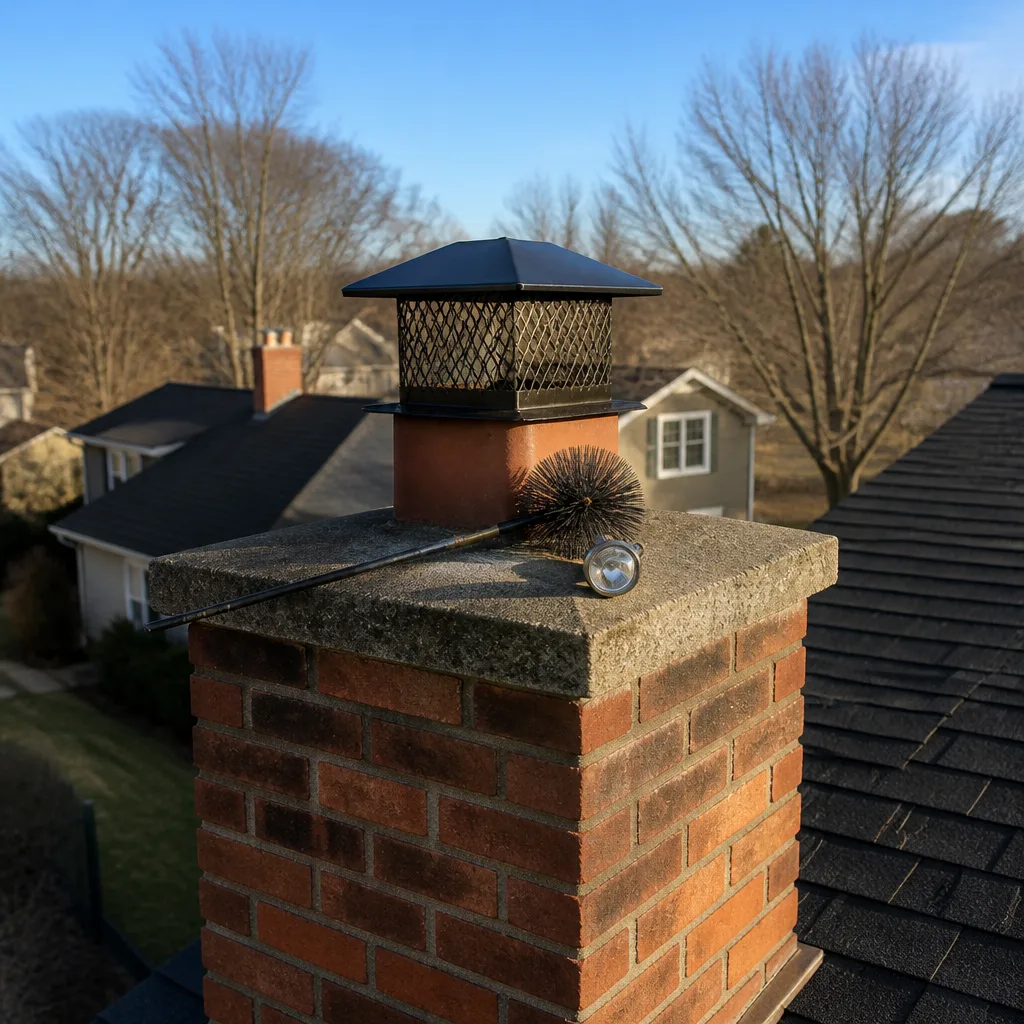 Sweep & inspection
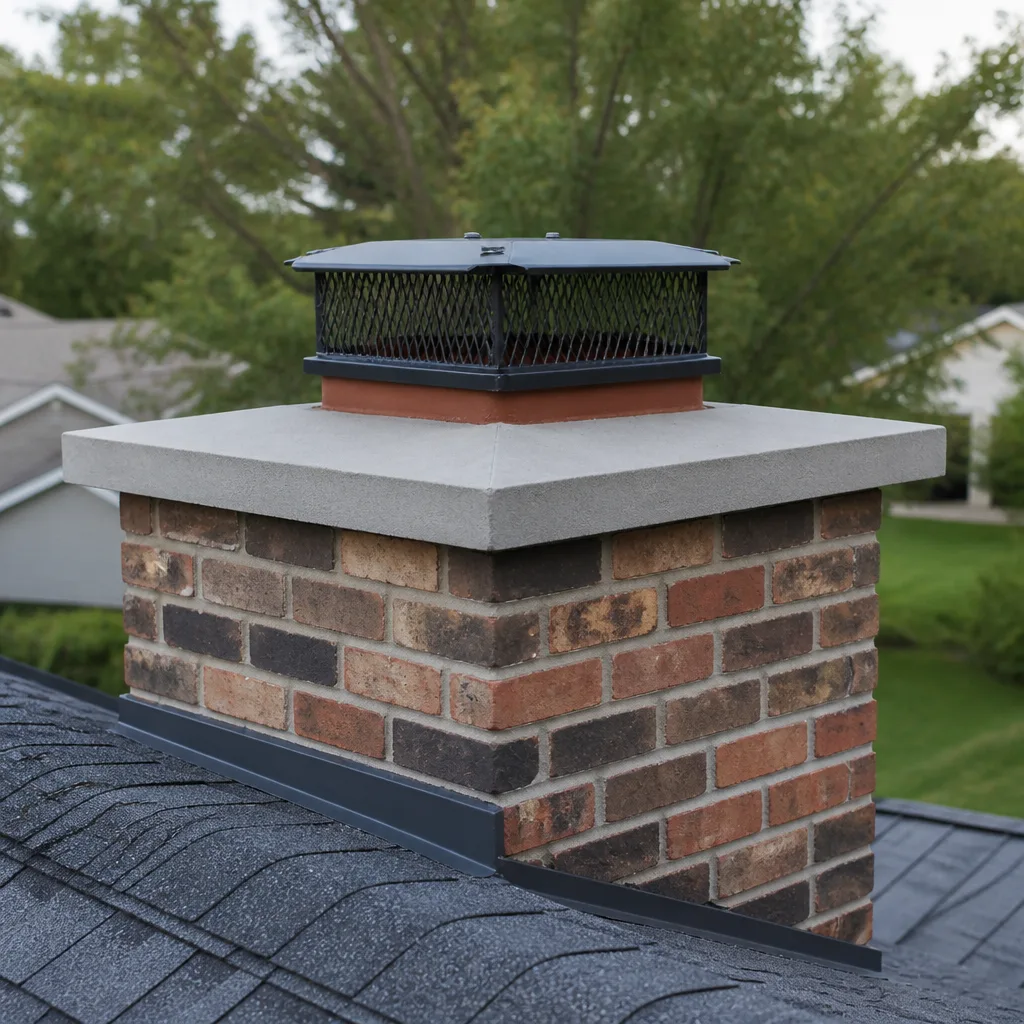 Caps & crowns
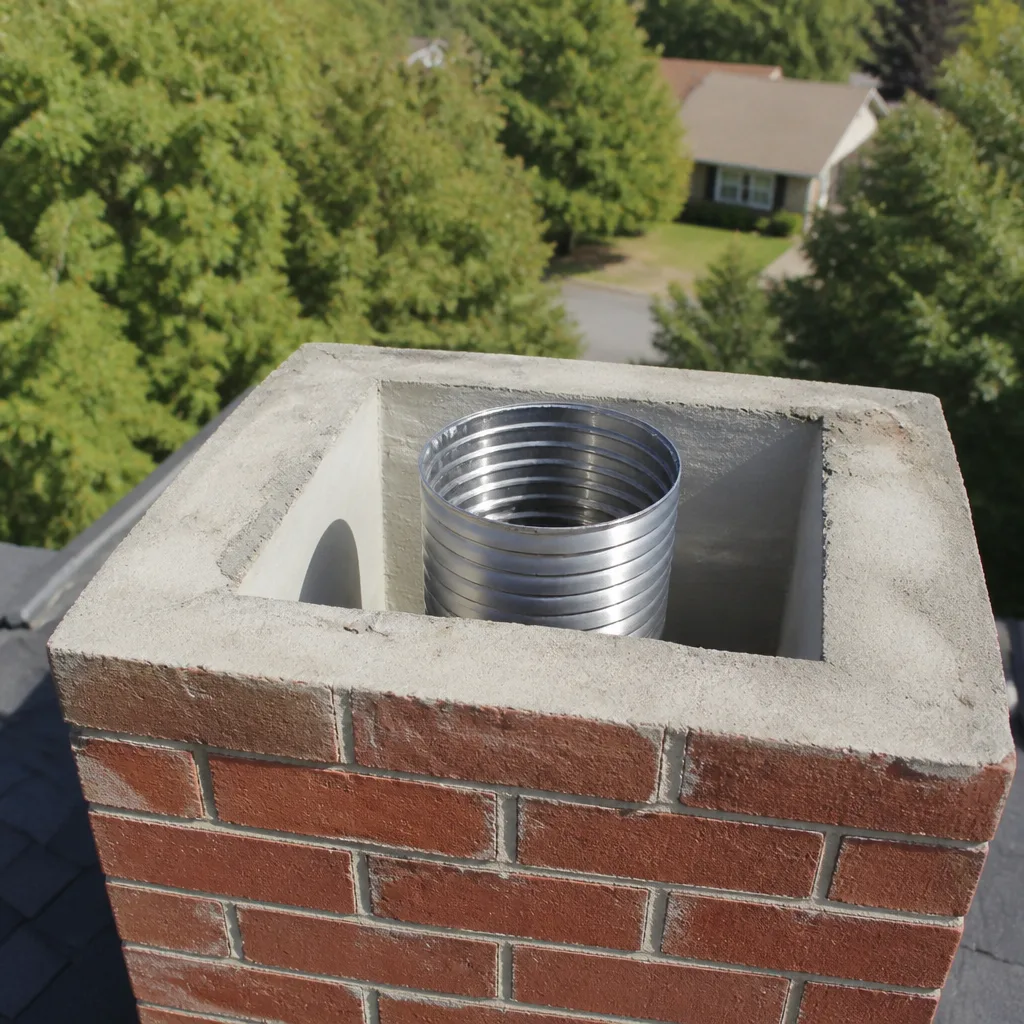 Flue relining
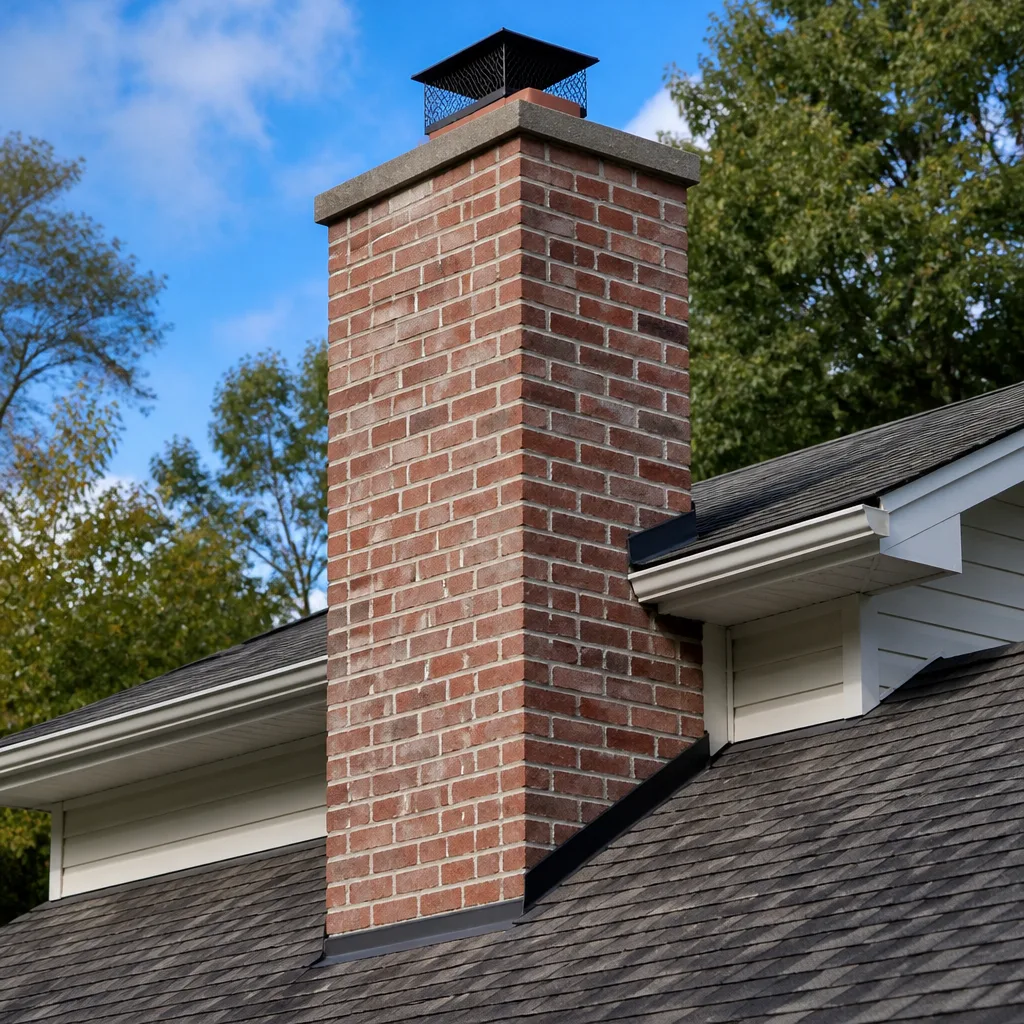 Masonry repair
 Gas fireplace service
Level 1 sweep and inspection to the NFPA 211 annual standard - flue, crown, cap, and flashing checked and photographed
Chimney sweep logs do not sweep chimneys. They loosen some creosote - which then falls where a brush and vacuum still have to collect it.
Chimney Cleaning Permits, Codes & Inspections in Highlands Ranch, CO: What You Need to Know
Here’s the part most homeowners miss: the sweep itself almost never needs a permit. Chimney cleaning is maintenance, the same category as having your gutters cleared. But the moment a technician finds a cracked flue liner and starts talking about a reline, or a mason recommends rebuilding a chimney crown, you’ve crossed into work that falls under Douglas County permitting and inspection. Homeowners in Highlands Ranch get caught off guard mid-project all the time, usually after a contractor has already quoted the price and nobody has raised the question of paperwork. This guide walks through what’s permit-required and what isn’t, how NFPA 211 sets the baseline, what the different inspection levels actually mean, how HOA covenants here can add a layer, and what to keep in your file afterward.
Quick Answer
Routine chimney cleaning in Highlands Ranch does not require a permit. Repairs and alterations to the chimney structure or flue system often do require one from Douglas County, and the work should end with an inspection that confirms the system meets NFPA 211, the national standard Colorado follows as its baseline. Inspection levels (1, 2, or 3) determine how much of the system gets examined, and Level 2 is the one that usually matters at a real estate transfer.
Styles & brands we work with
- Sweep & inspection
- Caps & crowns
- Flue relining
- Masonry repair
- Gas fireplace service
Table of Contents
- What Needs a Permit and What Doesn’t in Douglas County
- How NFPA 211 Applies to Your Chimney in Colorado
- Inspection Levels 1, 2, and 3: Which One You Actually Need
- Real Estate Transfers and Chimney Documentation
- How Highlands Ranch HOA Covenants Affect Exterior Chimney Work
- Getting the Repair Done in One Visit
- What Documentation to Keep After Any Chimney Work
- Why Highlands Ranch Chimneys Age the Way They Do
What Needs a Permit and What Doesn’t in Douglas County
The line between maintenance and construction is where the confusion lives. Cleaning, sweeping, and visual inspection are maintenance. Altering, repairing, or replacing components of the chimney system generally fall under the county’s building permit process because the chimney is part of the structure and part of the venting system for a fuel-burning appliance.
Here’s how we’d draw the line for a Highlands Ranch homeowner:
Usually no permit required
- Chimney sweeping and creosote removal
- Level 1, 2, or 3 inspection and the written report that comes with it
- Dryer vent cleaning and lint removal
- Minor cap adjustments that don’t change the structure
- Replacing a spark arrestor or a damaged cap screen with a like-for-like part
Often permit-required (verify with Douglas County before work begins)
- Relining the flue with a flexible stainless liner system
- Rebuilding or replacing a chimney crown
- Removing or altering any portion of the chimney structure above the roofline
- Changes to the chimney’s height relative to the roofline
- Converting from one fuel type to another in the firebox
- Installing a new appliance that requires a flue sized differently than the existing one
One point we make clear to customers: we don’t issue permits. The homeowner or the licensed contractor responsible for the work pulls the permit from Douglas County’s building department, and that’s who you should call with your specific address and project scope. Permit rules and fees are set at the county level and change, so the phone call to the county is worth making before anyone swings a hammer. If you’re in a townhome or condo within Highlands Ranch, the HOA and the master association documents may add another layer, which we cover further down.
A good habit: ask any contractor, “Are you pulling the permit for this?” If the answer is vague, that’s a signal. Reputable contractors will tell you plainly who is responsible for the permit and whether the work requires a final inspection.
How NFPA 211 Applies to Your Chimney in Colorado
NFPA 211 is the National Fire Protection Association’s standard for chimneys, fireplaces, vents, and solid fuel-burning appliances. Colorado doesn’t publish a competing state standard; local jurisdictions adopt building codes that incorporate NFPA 211 as the reference standard for chimney construction and inspection. So when an inspector or a technician says your chimney “meets code,” what that really means is that it meets the requirements of the adopted code and by extension NFPA 211.
What NFPA 211 covers in practical terms:
- Required clearances between the chimney and combustible framing
- Flue sizing relative to the appliance it serves
- Condition standards for clay tile liners, including cracks, spalling, and gaps at the joints
- Chimney height requirements above the roofline and the 10-foot rule for clearing nearby roof surfaces
- Requirements for the chimney cap, crown, and spark arrestor
- Inspection procedures and the three inspection levels
For Highlands Ranch, the relevant standard stays the same. The climate doesn’t change NFPA 211, but it changes how fast a chimney gets to the point where the standard matters. Which is a roundabout way of saying: the code tells you what “good” looks like, and local conditions tell you how fast your chimney stops looking like it.
A couple of things code does not do:
- It doesn’t set a cleaning schedule. The standard says the chimney must be swept when the creosote buildup reaches a certain level, not that it must be swept every year regardless of use. A fireplace used five times a season and one used every cold night don’t need the same cadence.
- It doesn’t prevent problems. A chimney can pass when it was built and still fail the standard ten years later. That’s why the inspection matters more than the original paperwork.
If you want to know what your existing chimney looks like against the standard, that’s what an inspection produces. A written report tied to a specific standard is worth more at resale than a verbal “looks fine to me.”
Inspection Levels 1, 2, and 3: Which One You Actually Need
The three levels come from NFPA 211 and correspond to how much of the system gets looked at. The level isn’t a price tier; it’s a scope decision based on what’s being asked and what’s happened to the chimney.
Level 1 Inspection
This is the routine inspection that accompanies a cleaning. It covers the readily accessible portions of the chimney: firebox, damper, smoke chamber, visible flue, chimney exterior at ground level, and the appliance connection. It’s what you’d get on a standard annual or seasonal visit when nothing has changed in the system and there’s no known problem. If you’re on a regular chimney sweep schedule and nothing out of the ordinary has happened, Level 1 is the normal scope.
Level 2 Inspection
Level 2 goes further. It’s required whenever there’s a change in the system or a transfer of ownership, and it’s what most home sales trigger. The scope includes everything in a Level 1 plus accessible portions of the attic, crawlspace, and other concealed areas, and it’s normally performed with video scanning of the flue interior.
Level 2 is required when:
- The property changes hands, whether it’s a sale or a transfer
- The appliance is replaced or its fuel type is changed
- An operational malfunction is suspected, such as a backdraft or persistent smoke spillage
- An external event, such as a chimney fire or a seismic event, may have damaged the system
- A Level 1 inspection produces evidence that suggests concealed damage
Level 3 Inspection
Level 3 is diagnostic and it’s the highest level. It’s performed when a Level 1 or 2 inspection has identified a serious hazard and access to the concealed portions requires removing or opening parts of the building or chimney. That can mean opening a wall, removing a chimney chase cover, or dismantling a section of the chimney to see what’s actually happening. This is not a routine visit, and it’s not something to schedule “just to be safe.” It’s the response to a specific finding.
The practical takeaway for a Highlands Ranch owner: know which level your situation calls for before you call. If you’re selling, ask for a Level 2 with video. If you’re maintaining, a Level 1 with a cleaning is normally the right scope. If you’ve had a chimney fire or a persistent draft problem, the conversation starts at Level 2 and may escalate.
Real Estate Transfers and Chimney Documentation
If you’re selling a home in Highlands Ranch, the chimney documentation question comes up during the inspection period more often than people expect. Buyers and their agents are more informed than they used to be, and a chimney that’s been swept recently with a clean written report is a much smoother conversation than a chimney with no paperwork at all.
What a good Level 2 report includes:
- The inspection level performed and the standard it was performed to
- Photos of the firebox, damper, smoke chamber, and flue interior
- Video scan findings, including any cracks, gaps, or spalling in the liner
- The condition of the crown, cap, and flashing at the roofline
- Clearance findings where visible
- Any deficiencies and the recommended corrective action
If you’re a buyer, a chimney that “was working fine” for the previous owner is not the same as a chimney that’s been inspected. Ask for the written report. If there isn’t one, negotiate an inspection before closing rather than after. Fixing a liner discovered post-closing is a homeowner project; fixing it during the inspection period is a negotiation.
One Highlands Ranch-specific detail: the housing stock here spans decades of construction, from the first homes built in the 1980s forward. A 1980s-era chimney that’s never been relined may still have the original clay tile; a more recent home may have a factory-built metal system with its own manufacturer’s service life. The paperwork from the original install, if the previous owner kept it, tells you which family of system you’re dealing with. If the paperwork is gone, a Level 2 with video is how you find out.
How Highlands Ranch HOA Covenants Affect Exterior Chimney Work
Highlands Ranch has architectural covenants that apply to exterior changes, and the chimney is part of the exterior. This layer sits on top of county permitting, not instead of it, and homeowners sometimes assume that because the county permit covers the work, the HOA doesn’t need to be involved. Typically the reverse is true: exterior modifications often need approval from the architectural review process independent of any county permit.
Where this usually comes up:
- Replacing or changing the chimney cap in a way that alters its appearance from the street
- Rebuilding a chimney crown with a different material or color
- Adding a chimney chase cover that wasn’t on the original design
- Reline work that requires visible penetrations at the roofline
- Any changes to the chimney’s height or silhouette
Reading the covenants before scheduling the work saves a lot of frustration. The architectural review process takes time, and starting a chimney rebuild before approval can put a homeowner in the position of undoing visible changes at their own cost. Our advice: check with the HOA’s architectural review contact early, keep the approval in writing with the rest of your project paperwork, and if the work is purely internal to the flue and invisible from the street, clarify with the HOA whether approval is needed before assuming it isn’t.
The chimney work itself doesn’t slow down from an approval process, provided the approvals are in hand before the day the crew arrives. This is one of the reasons a full-service Grafton Chimney Sweep visit starts with diagnosis: knowing what the project scope actually is determines what paperwork you need. A cracked crown replacement on a Highlands Ranch home with an original 1980s stack is a different review question than a liner resurfacing inside an existing flue.
Getting the Repair Done in One Visit
The single biggest frustration we hear from Highlands Ranch homeowners is the sweep who arrives, cleans the chimney, hands over a report listing four problems, and leaves with a referral to a mason who can’t come out for weeks. That model means two appointments, two scheduling windows, and often a scope that gets lost between the two contractors.
A different approach: sweep, diagnose, and where the fix is within our scope, handle it. We repair what we find.
For the most common finding, a compromised flue lining, there are usually two routes, and the choice depends on how bad the damage is:
- Liner resurfacing. HeatShield is a resurfacing system that reforms the interior surface of a damaged clay flue. It’s appropriate when the liner’s structural integrity is compromised but the overall system is serviceable. Resurfacing restores the flue’s interior without a full tearout.
- Full relining. When the existing liner is too compromised for resurfacing, or the flue needs to be resized, a flexible stainless liner system such as DuraFlex provides an entirely new flue interior inside the existing chimney. This is the heavier solution and it’s the right one when the existing tile can’t be brought back.
Which one is right depends on what the video scan shows. That’s the whole point of the scan: it’s the evidence behind the recommendation. If a technician tells you a reline is needed without showing you the video, ask to see it.
Beyond the liner, the other findings that come up in Highlands Ranch are cap and crown damage, missing spark arrestors, and deteriorated mortar at the roofline. These are usually fixable in the same visit as the cleaning, which is why having repair capability weighs more heavily than a lower cleaning price.
Something else worth knowing: dryer vent cleaning is part of the same fire-safety mission, and a lot of homeowners only think about the chimney when the vent behind the dryer is the higher-risk line. Lint accumulation in a dryer vent is a leading cause of residential house fires. If we’re already in the house, it makes sense to address both. More on that at our dryer vent cleaning page.
What Documentation to Keep After Any Chimney Work
Paperwork is the difference between “a sweep came out” and “here’s the evidence.” Keep everything in one place, physical or digital, because you’ll need it in two situations that don’t overlap: an insurance claim, and a sale.
Here’s the short list:
- The inspection report, including the level performed and the standard referenced
- Photos and video scan from inside the flue
- Before-and-after photos of any repair
- The written estimate and the final invoice, with the scope of work detailed
- Brand and product information for any materials installed (HeatShield, DuraFlex, or otherwise)
- The county permit number and the final inspection sign-off, if a permit was pulled
- HOA architectural approval, if exterior work was involved
- Manufacturer documentation for any new liner or component
A note on the permit sign-off: if a permit was pulled, the final inspection is what closes it out. That finaled inspection is the county’s confirmation the work was inspected, and it’s what an insurer or a buyer looks for. A project that pulled a permit but never got the final inspection is worse than one that never had a permit at all, because it flags in county records.
How long to keep it? The life of your ownership of the home. Chimney work has a long tail. The HeatShield application done eight years ago is relevant if a buyer’s inspector asks about the liner. The Level 2 report from a decade back tells you what the system looked like at that moment, which is a useful baseline when something changes later.
Why Highlands Ranch Chimneys Age the Way They Do
Highlands Ranch sits on the Front Range at elevation, and the climate here works on a chimney in ways that a homeowner from a different part of the country might not expect. If you moved from sea level or a humid climate, the local aging pattern can be genuinely surprising.
- Freeze-thaw cycles. Winter here brings repeated swings above and below freezing, sometimes within a single week. Water gets into small cracks in the crown or at the mortar joints, freezes, expands, and widens the crack. Repeat that dozens of times a winter and a hairline crack in October becomes a real failure by March.
- Dry, low-humidity air. The same dry air that makes a Highlands Ranch winter comfortable on the skin makes wood burn hot and fast and produces a different creosote profile than a damp climate would. Creosote that’s built up in a cold, dry climate is often flakier and more prone to ignition than the glazed material homeowners from wet climates expect.
- Elevation and draft. Chimneys at elevation have a different draft profile than at sea level, and a chimney that was built for one climate may behave differently in yours, especially if it was originally sized for one appliance and later connected to another.
- Strong sun and hail. Summer sun bakes the crown and the cap, and hail season in the Front Range adds its own impact wear to the exposed chimney top, the cap screen, and the crown edges.
The practical result: Highlands Ranch chimneys need a look at the crown and cap more often than a homeowner from a wetter climate expects, and a chimney that’s only being swept isn’t getting the exterior examined. A sweep and inspection on the same visit is how you catch both.
For a broader look at how we approach the Highlands Ranch climate and housing mix, the pillar page covers it in more depth. The short version is that the local climate accelerates two things: exterior masonry wear at the crown and cap, and creosote buildup in a well-used flue.
Common Mistakes to Avoid
- Assuming a cleaning visit includes inspection of the crown and cap. A cleaning that stops at the firebox and flue is only part of the picture. Ask whether the visit includes a look at the exterior chimney top, and confirm what gets photographed.
- Letting the permit question wait until after the estimate. The permit requirement should be settled before work is scheduled. If a contractor doesn’t know whether a reline or crown replacement needs a Douglas County permit for your address, ask them to confirm before you book.
- Skipping the HOA architectural review on exterior work. A rebuilt crown or a new cap in a different color can trigger a covenant issue. Get approval in writing before work begins, not after.
- Accepting a “you need a whole new liner” without seeing the video. The video scan is the evidence. If you can’t see it, you can’t verify what’s being recommended. Resurfacing with HeatShield is a middle option that many homeowners never hear about because the company recommending work only offers a full reline.
- Not keeping the finaled county inspection. A permit without a final inspection is an open permit in county records. Insurers and buyers both look at it. Keep the sign-off.
- Treating the dryer vent as a separate, unrelated chore. Lint in a dryer vent is a fire risk in the same category as creosote. It’s part of whole-home venting safety and it’s worth handling on the same visit as the chimney.
- Ignoring the crown until the chimney is visibly failing. The freeze-thaw cycle in Highlands Ranch makes small cracks grow. A crown repair in the fall is a smaller job than a crown rebuild after a winter of water intrusion.
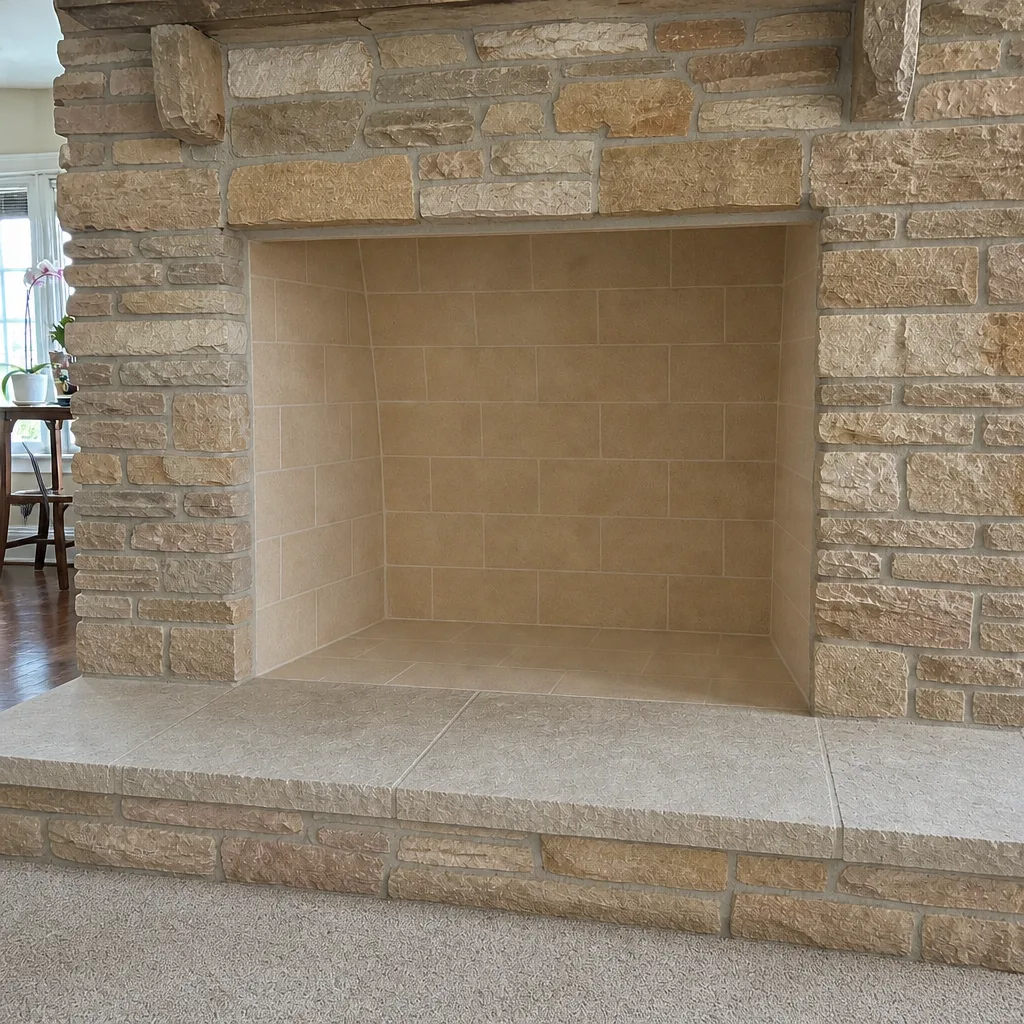
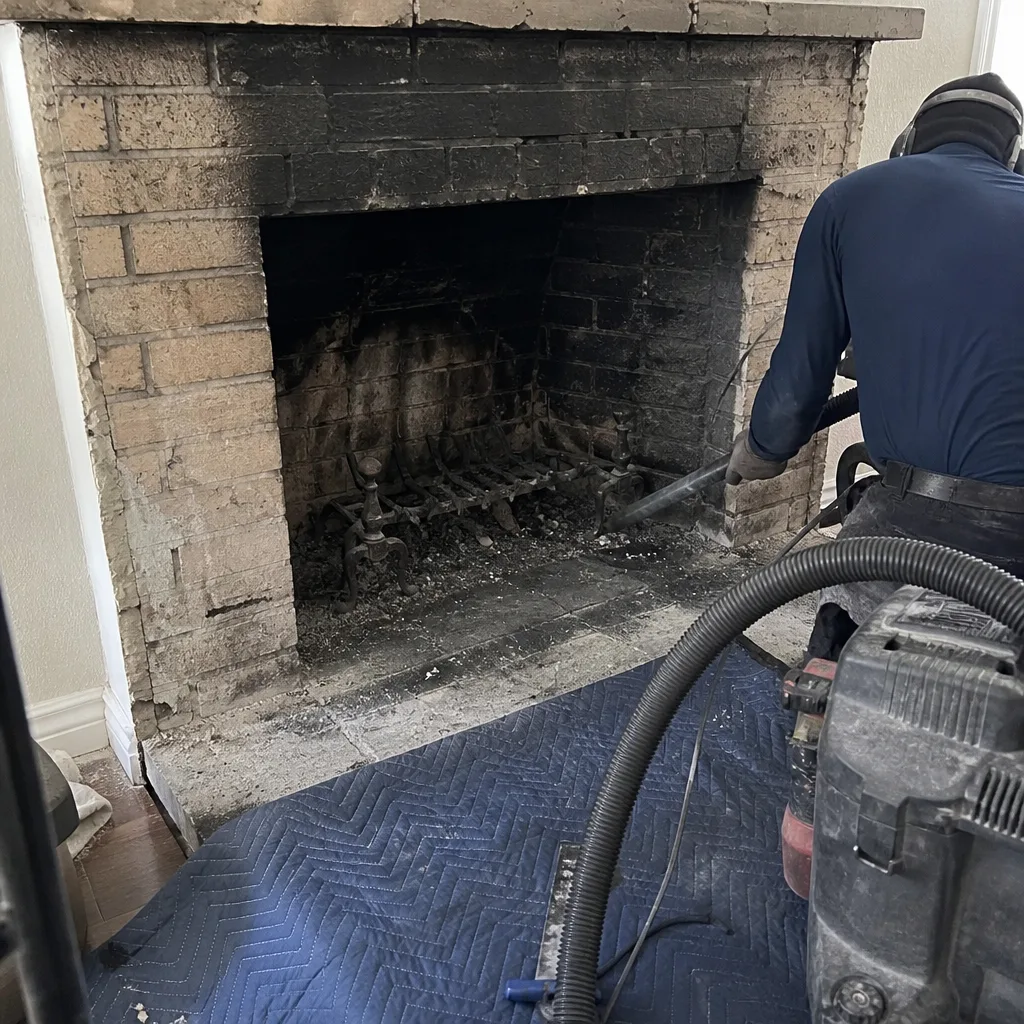
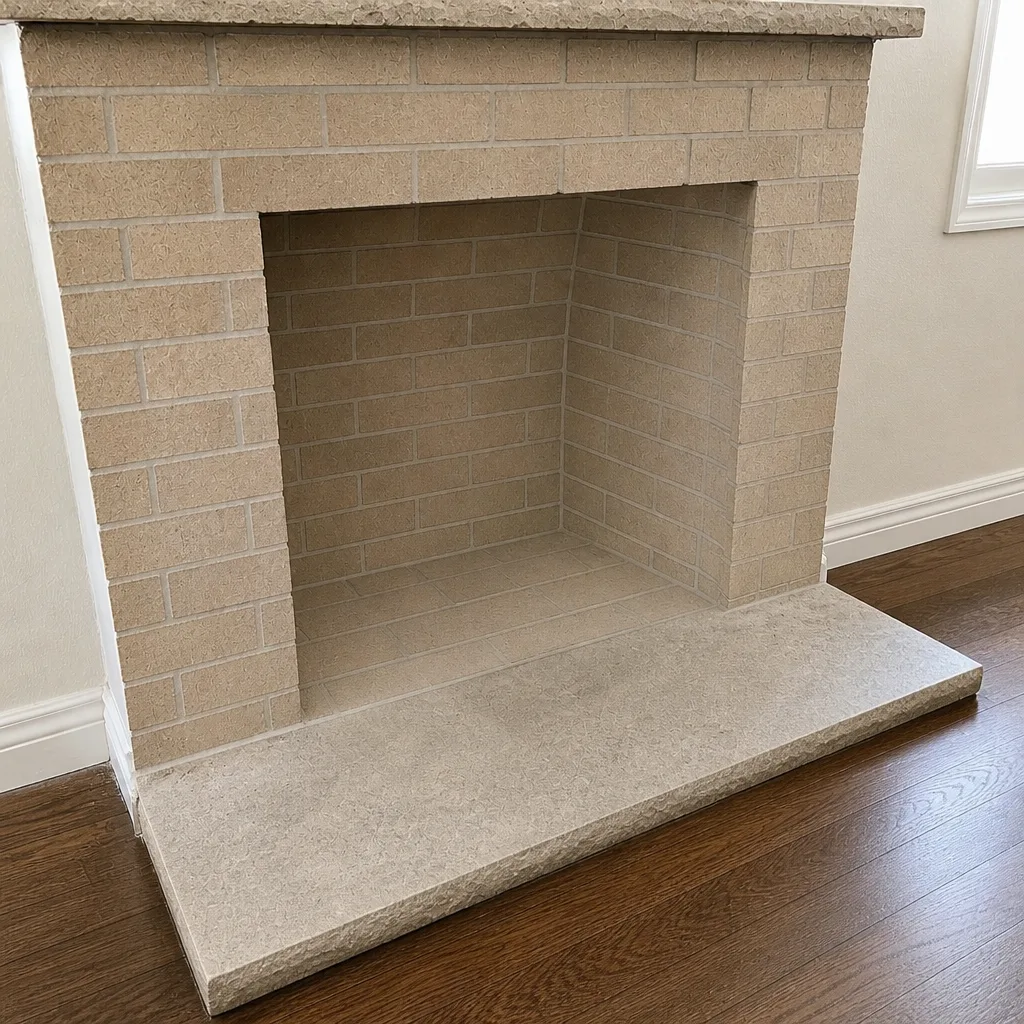
See the difference
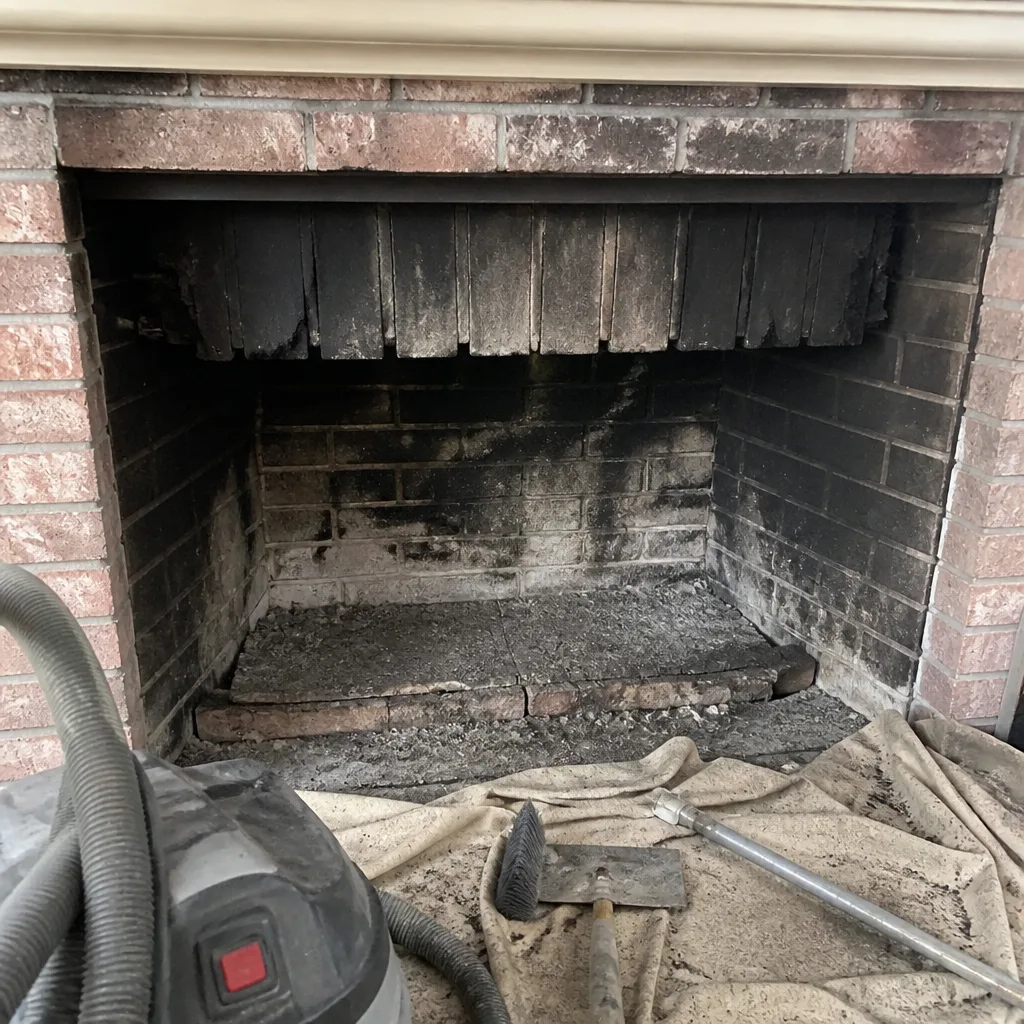 Before
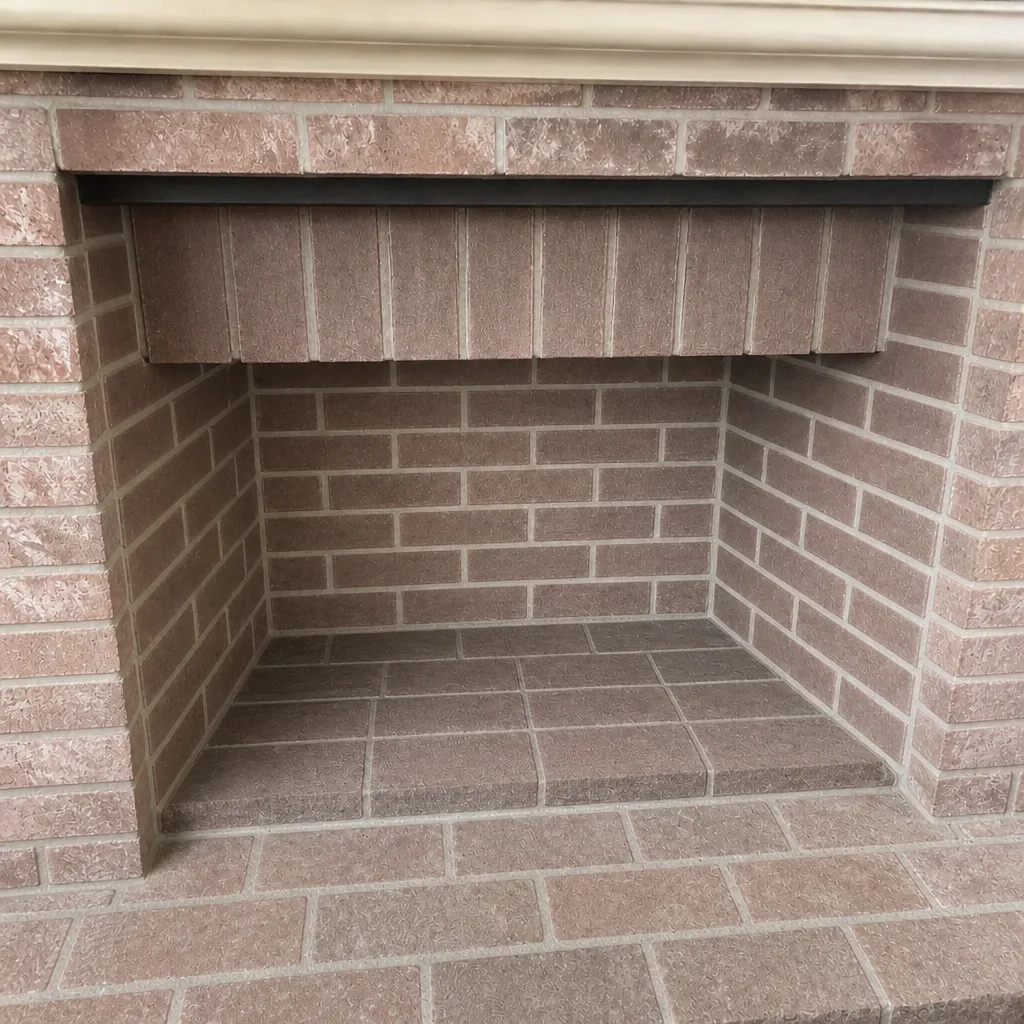 After
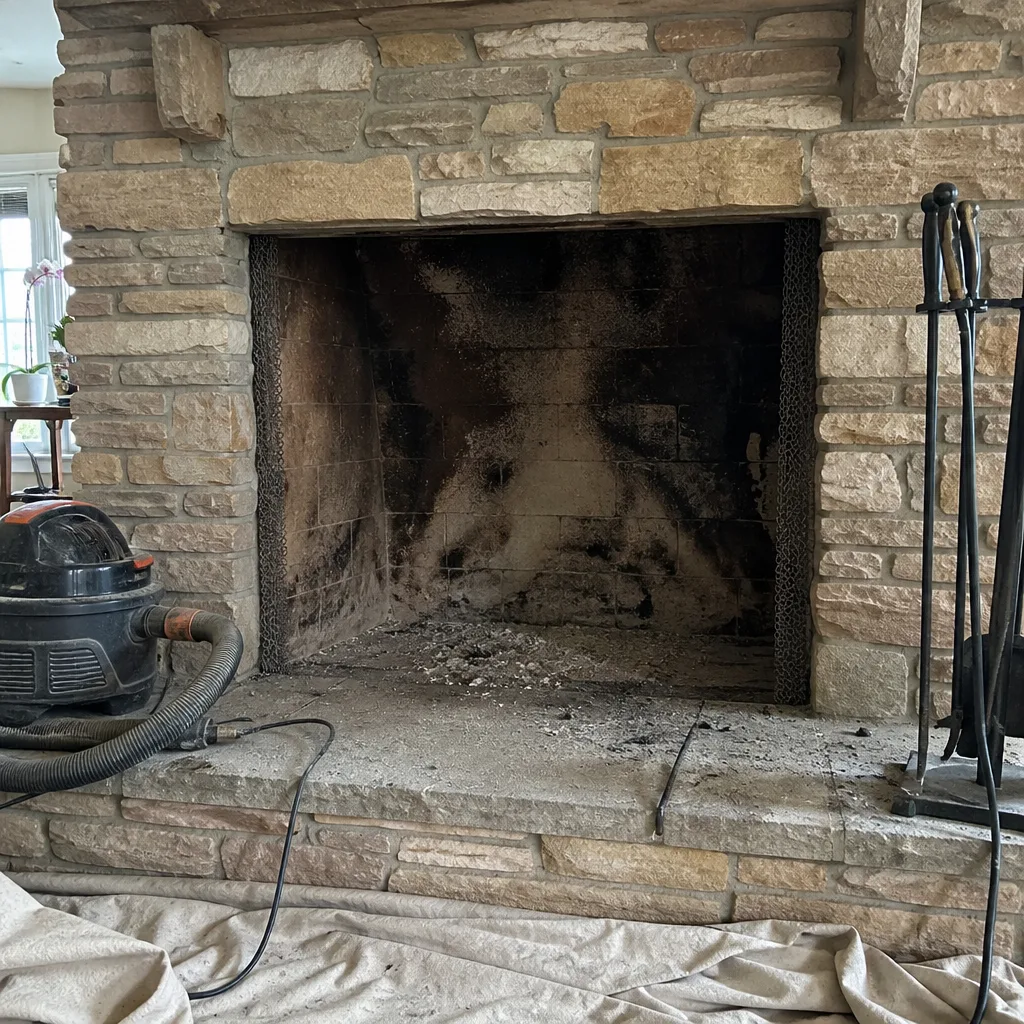 Before
 After
 Before
 After
When to Call a Professional
Some jobs are clearly technician work. A cracked flue liner, a failed crown, a cap that’s come loose in a windstorm, and any persistent draft problem all need professional diagnosis. So does anything involving the roof: we don’t recommend homeowners spend time on the roof or inside the chimney chase. The height, the fall risk, and the carbon monoxide and chimney fire hazards of working inside a flue are all reasons to have a trained technician there.
If your chimney has been through a chimney fire, even a small one, or if you’ve never had the system inspected since you bought the home, a professional look is the right starting point. If the answer to “when was the last time this was swept” is “I don’t know,” that’s a call.
Grafton Chimney Sweep offers free estimates in Highlands Ranch. Call (833) 749-6226. We answer 24/7. Fast dispatch from 7am to 7pm, Sunday through Friday. Estimates are free, and the written estimate sets the price.
Frequently Asked Questions
No. Routine chimney cleaning and inspection do not require a permit in Highlands Ranch or anywhere in Douglas County. A permit is usually required when the work becomes a repair or alteration to the chimney structure or flue, such as a reline, a crown rebuild, or a change to the chimney’s height. Ask Douglas County’s building department to confirm for your specific address before the work is scheduled. Call (833) 749-6226 for a free estimate.
NFPA 211 ties the need for sweeping to creosote buildup, not a fixed calendar. For a Highlands Ranch fireplace used regularly through the winter, an annual inspection with a sweep when buildup warrants it is the standard most homes follow. A fireplace used only a handful of times a season can go longer. The inspection tells you whether a sweep is actually needed this year. Call (833) 749-6226 for a free estimate.
Resurfacing can be enough when the flue’s structural integrity is compromised but the system is otherwise serviceable; a full flexible liner is the right call when the tile is too far gone or the flue needs resizing. The decision comes down to what the video scan shows. Nothing should be recommended without camera evidence you can see for yourself, and if the lining can safely wait, we’ll tell you that. Call (833) 749-6226 for a free estimate.
A Level 2 inspection is typically the scope triggered by a real estate transfer, and it includes video scanning of the flue interior plus accessible parts of the attic and crawlspace. A Level 1 is the routine scope that accompanies a cleaning when nothing has changed. If the seller can’t produce a recent written report, negotiating a Level 2 during the inspection period is a much better position than discovering a liner problem after closing. Call (833) 749-6226 for a free estimate.
Exterior changes often need approval through the HOA’s architectural review process, separately from any Douglas County permit. Crown rebuilds, cap replacements that change appearance, and any work visible from the street are the usual triggers. Purely internal flue work such as liner resurfacing is less likely to involve the HOA, but confirm with your association before assuming. Get any approval in writing and keep it with the project paperwork. Call (833) 749-6226 for a free estimate.
A chimney can pass inspection when it’s built and still develop a problem years later, and the failure points (a cracked liner, a failed crown, restricted clearances) don’t announce themselves. Skipping the inspection doesn’t create risk on its own, but it means you don’t know the condition of the system. The safety concern is real: a compromised flue can allow heat and combustion gases into the structure. It’s worth knowing, at minimum, where you stand. Call (833) 749-6226 for a free estimate.
The Bottom Line
Chimney cleaning in Highlands Ranch is maintenance and doesn’t need a permit. Repairs and relines often do, and that’s the crossover most homeowners get surprised by. NFPA 211 sets the baseline that Colorado’s adopted codes reference, and the inspection level matters: Level 1 for routine maintenance, Level 2 for real estate transfers and system changes, Level 3 only when a specific hazard requires opening things up. HOA covenants add a layer on exterior work, and the freezer-thaw cycle here shortens the lifespan of crowns and caps. Keep every report, photo, and permit sign-off. If a technician recommends a reline, ask to see the video. Call Grafton Chimney Sweep at (833) 749-6226 for a free estimate. We answer 24/7. Fast dispatch from 7am to 7pm, Sunday through Friday.
Written by the team at Grafton Chimney Sweep.