
Last updated November 15, 2026
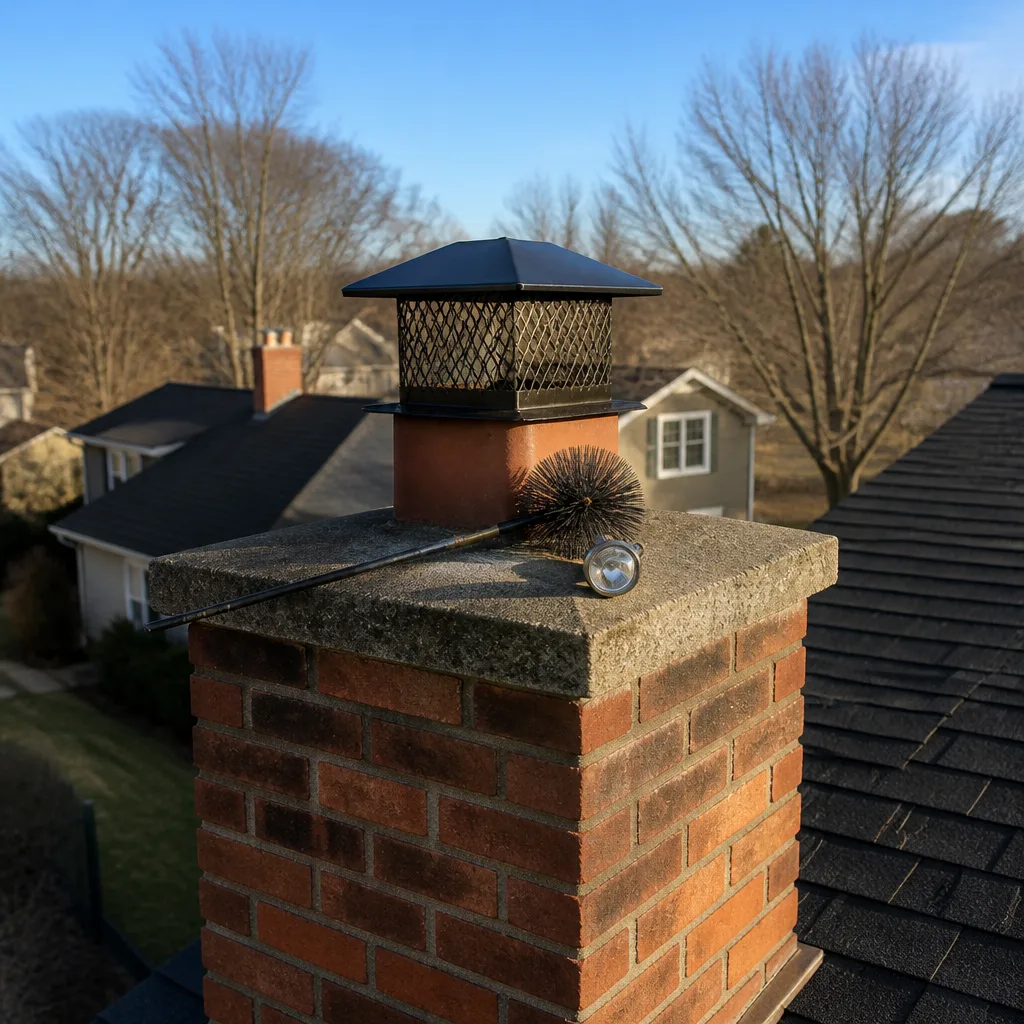 Sweep & inspection
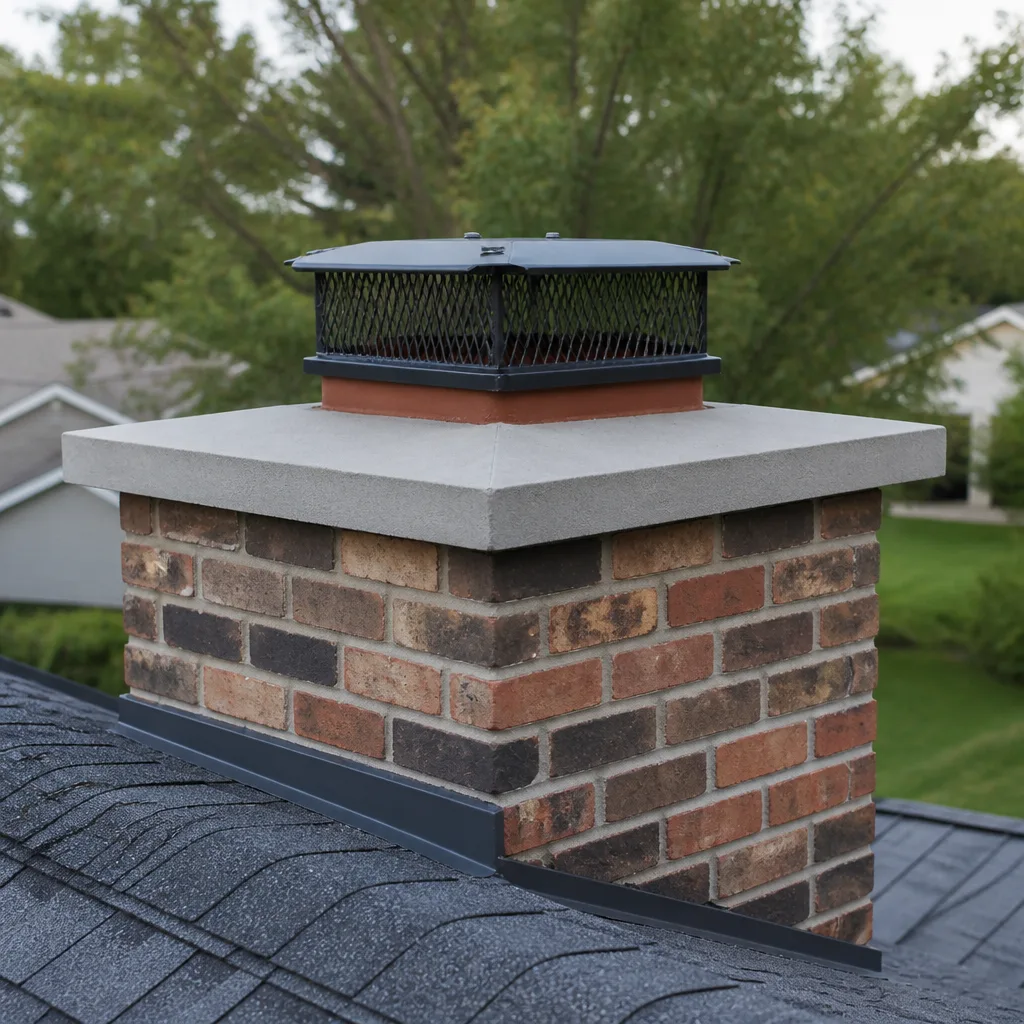 Caps & crowns
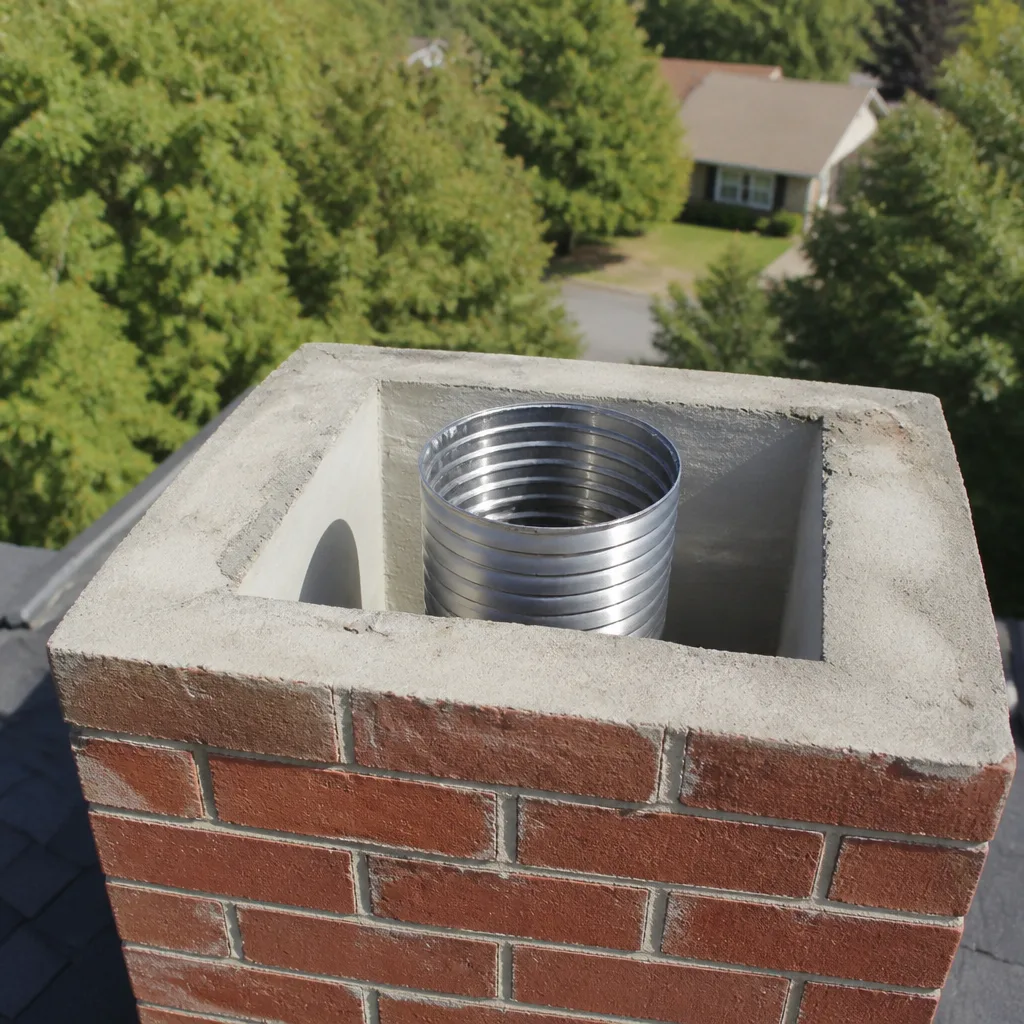 Flue relining
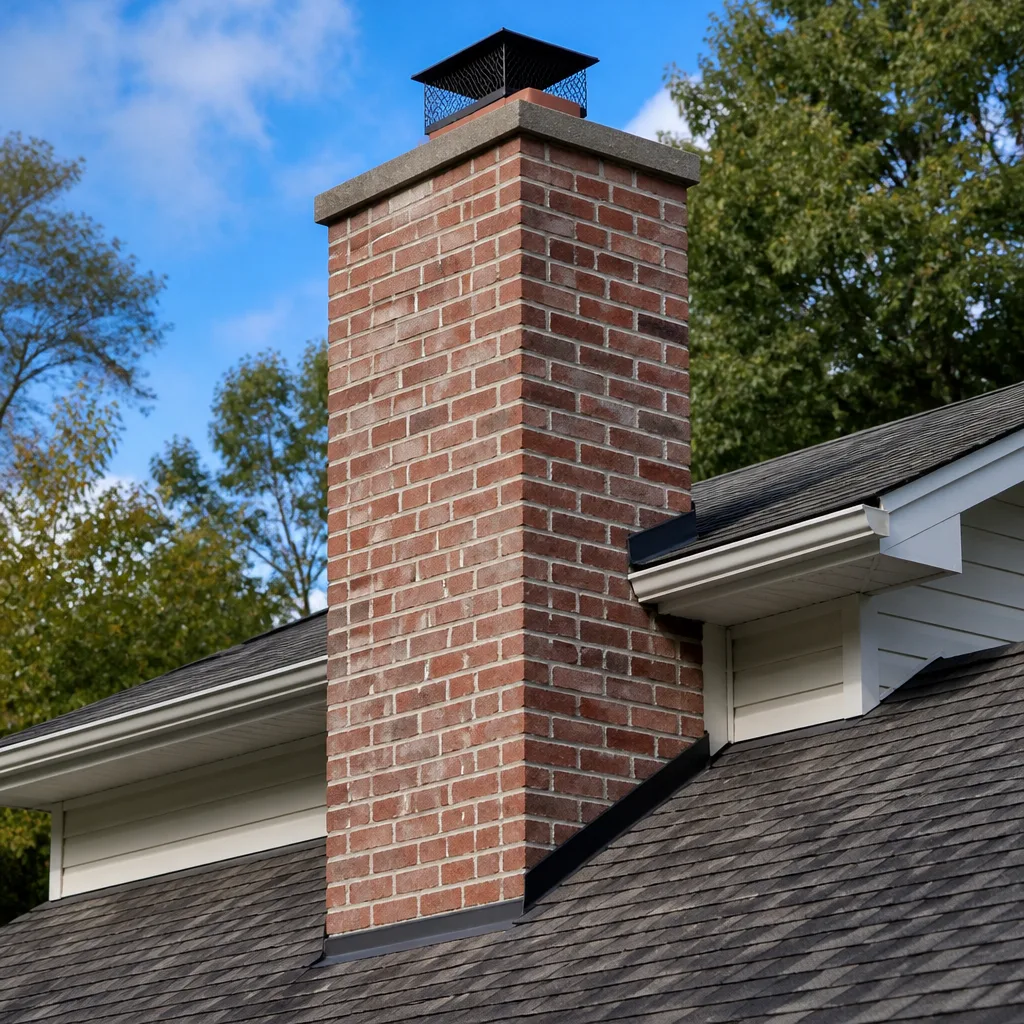 Masonry repair
 Gas fireplace service
Level 1 sweep and inspection to the NFPA 211 annual standard - flue, crown, cap, and flashing checked and photographed
Chimney sweep logs do not sweep chimneys. They loosen some creosote - which then falls where a brush and vacuum still have to collect it.
Chimney Cleaning Cost Breakdown: The Highlands Ranch Homeowner’s Reference for 2026
A $79 chimney cleaning special almost always means one thing: a sales appointment where the real offer is a $1,200 repair package. The low price isn’t a cleaning price. It’s a customer acquisition price, and the technician who shows up is often paid to find problems rather than to sweep. We’ve seen homeowners in Highlands Ranch hand over four figures for liner work they never needed, and we’ve seen others pay twice for the same sweep because the first invoice never included a real inspection. This guide breaks down what chimney cleaning actually costs in the Highlands Ranch market for 2026, line by line, so you can read a quote and know what you’re buying before anyone steps onto your roof.
Quick Answer
A standard chimney cleaning and Level 1 inspection in Highlands Ranch typically runs $225 to $400 in 2026, depending on chimney type, access, and how much creosote has built up. A Level 2 inspection with camera and photo documentation usually adds $150 to $275 on top of the sweep. Common repairs found during a cleaning – a damaged crown, a cracked flue tile, a missing cap – generally fall between $250 and $1,800, and liner work runs higher. A legitimate quote is written, itemized, and tied to photographic evidence you can see for yourself.
Styles & brands we work with
- Sweep & inspection
- Caps & crowns
- Flue relining
- Masonry repair
- Gas fireplace service
Table of Contents
- What Actually Drives Chimney Cleaning Cost in Highlands Ranch?
- 2026 Price Ranges for Cleaning, Inspection, and Common Repairs
- What a Legitimate Chimney Cleaning Invoice Should Include
- How Chimney Type Changes the Scope and the Price
- The Real Cost of Deferring a Cleaning for a Year or Two
- How to Tell a Legitimate Repair Recommendation From an Inflated One
- Highlands Ranch Factors That Shape Your Quote
- Questions to Ask Before You Book
What Actually Drives Chimney Cleaning Cost in Highlands Ranch?
Two homeowners on the same street can get quotes $200 apart for what sounds like the same job. The difference is almost never the sweeping itself. It’s the scope behind the sweep: how the chimney is built, how it’s been used, how accessible it is, and whether the company is actually inspecting or just brushing.
The biggest cost variable in Highlands Ranch is creosote. Our climate swings hard between dry summers and cold, damp winter nights, and a wood-burning fireplace that runs hard through January and February builds glazed creosote in stages. Stage 1 creosote is soot and flaky residue that brushes off easily. Stage 2 is a denser, tar-like deposit that takes more time and more tooling. Stage 3 is glazed, hardened creosote that a standard brush will not remove at all – it requires chemical treatment or, in severe cases, liner work. A sweep quoted without knowing your stage is a guess, not a quote.
Access is the second variable. A chimney on a simple single-story roofline with a clean cap takes less time than one tucked behind a steep pitch with a screen that hasn’t been removed in years. In Highlands Ranch, two-story homes with rear-facing chimneys and tight side-yard access show up often, and that affects labor time. So does the flue configuration – a straight flue cleans faster than one with an offset.
Finally, the inspection level drives price more than most homeowners expect. A Level 1 inspection is visual and covers what’s reachable from the firebox and the roof. A Level 2 adds a camera run through the flue and photo documentation, and it’s the level most real estate transactions and post-chimney-fire assessments require. If a company quotes you a flat price without naming the inspection level, you don’t yet know what you’re buying.
2026 Price Ranges for Cleaning, Inspection, and Common Repairs
These are typical estimated ranges for the Highlands Ranch market in 2026. They are not promises, and the written estimate you receive after a technician sees the chimney sets the final price. Use them to sanity-check a quote, not to negotiate one down.
Cleaning and Inspection
- Standard cleaning with Level 1 inspection (wood-burning): $225 – $400
- Cleaning with Level 1 inspection (gas or insert): $175 – $300
- Wood stove cleaning: $250 – $425
- Level 2 inspection with camera and photo report: adds $150 – $275
- Heavy creosote removal (Stage 2 or 3): adds $100 – $350, and sometimes more if chemical treatment is needed
Common Repairs Found During a Cleaning
- Chimney cap replacement: $250 – $550
- Crown repair or rebuild: $400 – $1,200
- Flue tile crack repair: $350 – $1,000
- HeatShield liner resurfacing: $1,200 – $2,800
- DuraFlex flexible stainless liner installation: $2,500 – $5,500
- Dryer vent cleaning: $150 – $275
The gap between a HeatShield resurfacing and a full DuraFlex reline is real, and it matters. HeatShield restores a damaged flue from the inside, which is often enough when the original clay liner is still structurally sound. A full flexible liner is for chimneys where resurfacing won’t hold. A company that only sells full relines may quote you a $4,000 job when a $1,500 resurfacing would have been correct.
What a Legitimate Chimney Cleaning Invoice Should Include
An invoice tells you what kind of company you hired. A real cleaning invoice has a paper trail. A sales-driven one has a price and a recommendation and nothing else. Here’s what should appear on yours.
- The inspection level performed (Level 1, 2, or 3). If the invoice doesn’t name it, the inspection wasn’t documented.
- Creosote stage and location in the flue. “Heavy creosote” is not a stage. Stage 1, 2, or 3 tells you what was actually found.
- Before-and-after photos. Most companies photograph the flue and firebox. If they don’t, ask why.
- Camera inspection report for a Level 2. A written report with images, not a verbal summary on the driveway.
- Itemized fees. Cleaning, inspection, and any repair as separate line items – not a single bundled number.
- A written estimate for any recommended repair, with the material named. HeatShield and DuraFlex are named products. “Liner work” or “masonry repair” is not.
- The company’s contact information and the technician’s name. A legitimate invoice identifies who did the work.
If the invoice is missing more than one of these, that’s your signal. The absence of photo documentation is the most common red flag, and it’s the one that matters most. You should never be asked to authorize liner work you can’t see evidence for.
How Chimney Type Changes the Scope and the Price
The type of chimney you have changes what a cleaning actually involves. A quote that doesn’t ask about your chimney type is a quote that’s guessing.
Wood-Burning Fireplace
This is the highest-variable job. Creosote buildup depends on how often you burn, how dry the wood is, and whether the flue is insulated. A wood-burning chimney needs the flue brushed full length, the firebox cleaned, the smoke shelf cleared, and the damper checked. If your chimney has an offset, the brush has to be worked around it, and labor goes up.
Gas Fireplace
Gas chimneys don’t build creosote the way wood does, but they do accumulate dust, rust, and debris, and the venting itself needs verifying. Gas cleaning is typically the least expensive because the flue is easier to clear. The cost driver here is the venting system – a direct-vent setup cleans faster than a B-vent chimney that runs the height of the house.
Wood-Burning Insert
An insert sits inside the firebox and changes access. Removing the insert for a thorough flue cleaning adds labor, and reinstalling it correctly matters for clearance and venting. Inserts often run $50 to $100 above a standard wood-burning cleaning because of the extra step.
Wood Stove
Wood stoves have shorter, more direct flue runs, but the stove pipe itself needs disassembly and cleaning, and the baffle and gasket need inspection. A stove cleaning costs roughly the same as an insert cleaning and sometimes more, depending on how much creosote has built in the pipe.
Whatever your setup, we’re familiar with all of them. If you want to know what a sweep looks like for your specific chimney, look at our chimney sweep page – it walks through the process step by step.
The Real Cost of Deferring a Cleaning for a Year or Two
Almost nobody plans to skip a cleaning. It happens because the fireplace goes unused through a mild winter, or because the last cleaning seemed fine, or because life got busy. The question worth answering honestly is what deferral actually costs.
For one skipped year on a chimney that was cleaned to a clean baseline, the added creosote is usually modest – Stage 1 building toward Stage 2. The delta on your next cleaning is typically $50 to $150, not a full second sweep. That’s not a scare number. It’s the real cost of one year.
The math changes at the two-year mark, and more sharply if you burn a lot. Creosote that has sat for two seasons hardened into glazed deposits takes significantly longer to remove, and glazed creosote is the condition most closely associated with chimney fires. It’s also the condition that pushes a cleaning into a resurfacing or relining job, because the flue tile can suffer heat stress over repeated seasons. A $250 cleaning that becomes a $1,500 HeatShield resurfacing in two years is a real scenario, not a sales tactic.
There’s a second deferral cost that gets talked about less: the carbon monoxide risk. A blocked or partially blocked flue from debris, a bird nest, or a collapsed tile sends exhaust back into the house. That’s a safety issue, not a maintenance one, and it’s the reason annual cleaning is the standard recommendation for wood-burning chimneys and gas fireplaces alike. If you’re new to Highlands Ranch and this is your first winter in the house, our guide to Highlands Ranch chimney and venting basics is a useful starting point.
And the third deferral cost is dry, and often ignored: dryer vent cleaning. It’s not a chimney issue, but it belongs in the same annual safety rhythm. Lint buildup in a dryer vent is a documented fire cause, and a dryer vent cleaning is an inexpensive way to close that loop. If you’re already booking a sweep, ask about doing both in the same visit.
How to Tell a Legitimate Repair Recommendation From an Inflated One
This is the section most homeowners want and few guides provide. A recommendation to repair is not automatically an upsell – sometimes the crown really is cracked and the flue really does need work. What distinguishes a legitimate recommendation from an inflated one is evidence and specificity.
A legitimate repair recommendation includes camera or photographic evidence of the problem. Not a verbal description. Not “I felt it from the roof.” You should be shown the image, told what you’re looking at, and given the chance to look at the chimney yourself if you want to climb up after. If a technician tells you the flue is cracked but won’t show you where, that’s the moment to slow down.
A legitimate recommendation names the repair, the material, and the alternative. If the flue needs work, the two options are typically HeatShield resurfacing or a full DuraFlex liner. A legitimate company will explain why one fits and the other doesn’t, and will offer the less expensive option if it’s the correct one. If the only option presented is the expensive one, ask what else is possible.
A legitimate recommendation will tell you when it can safely wait. This is the one most people don’t expect. Not every repair is urgent. A minor crown spall that isn’t letting water in can often wait until the next season. A cracked flue tile that’s affecting draft is not a wait. A company confident in its work will tell you which one you’re looking at, plainly.
Here are specific questions to ask when a repair comes up:
- Can I see the photo or camera footage of the problem?
- What happens if I don’t do this repair this year?
- What are my options, and why are you recommending the one you are?
- Are you doing this work in-house, or sending it to someone else?
- What material or brand will be used, and what’s the warranty?
- Is this a code requirement or a recommendation?
- Can you write the estimate itemized?
A reasonable, honest company answers all seven without hesitation. Our team handles repair work in-house, which means the person diagnosing the problem is the person who can fix it – and there’s no referral pipeline nudging the recommendation toward the biggest job.
Highlands Ranch Factors That Shape Your Quote
Highlands Ranch isn’t a generic market. Some local realities genuinely affect what you’ll pay in 2026.
Housing stock. Much of the established housing in Highlands Ranch was built in the 1990s and early 2000s. Those chimneys are now 25 to 30 years old, which is exactly when original clay flue tiles, crowns, and caps begin to show their age. You’re more likely to find crown spalling and tile cracking during a cleaning than you would in a newer neighborhood, and those findings can add to the visit.
Elevation and burn behavior. We’re at roughly 5,900 feet, and fireplaces burn differently at this elevation than at sea level. Wood burns cooler, draft is weaker, and creosote can accumulate faster in some setups. That’s a reason the annual cleaning recommendation matters here, not a reason to add services you don’t need.
Dry climate and crown stress. Our summers are dry and hot, and masonry crowns and mortar joints take a beating. Small cracks that open in summer can let water in through fall and freeze-thaw in winter, so the crown is one of the items we look at most during a cleaning.
Two-story rooflines. The typical Highlands Ranch two-story with a rear or side chimney adds roof access time. Expect that to show up in the labor but not in the base cleaning price – and expect a quote that accounts for it, not one that finds out on the day.
HOA considerations. Some Highlands Ranch HOAs have rules about exterior modifications, including visible chimney caps and certain liner terminations. If a repair involves anything visible from the street, it’s worth checking with your HOA before work begins. That’s a quick call, and it prevents a post-job problem.
Questions to Ask Before You Book
The right questions up front save the difficult conversation later. Here’s what to ask any company before you schedule.
- “What inspection level is included in this price?” If the answer is vague, the quote isn’t complete.
- “Do you provide photo documentation?” Any answer other than a clear yes is a no.
- “Are you doing repair work in-house, or do you refer it out?” In-house means the diagnosis and the fix come from the same place.
- “What brands do you work with?” DuraFlex, HeatShield, and Copperfield come up because they’re recognized professional-grade materials – not commodity hardware-store parts.
- “Will the quote be written and itemized?” A verbal number on the phone isn’t a quote.
- “What happens if you find something during the cleaning?” The best answer is that it’s documented, photographed, and estimated in writing before anything is authorized.
- “Do you clean dryer vents too?” If you’re already paying for one visit, doing both in the same trip is efficient.
Grafton Chimney Sweep offers free estimates in Highlands Ranch. Call (833) 749-6226 to book a sweep or discuss a repair. We answer 24/7. Fast dispatch from 7am to 7pm, Sunday through Friday. For more on how we work, you can start at Grafton Chimney Sweep.
Common Mistakes to Avoid
- Booking a $79 or $99 “special” without asking what’s included. Those prices are loss leaders, and the appointment that follows is a sales call. Ask what inspection level the price includes and what happens if they find a repair.
- Authorizing liner work before seeing photo evidence. If the technician can’t show you the problem on camera, don’t authorize anything. The camera report is the whole reason a Level 2 inspection exists.
- Assuming a gas fireplace doesn’t need cleaning. Gas chimneys build dust, rust, and debris, and they need venting verification just like wood-burning setups. Skipping it leaves a known fire-safety gap in your house.
- Using the counter “no” during a pitch instead of asking questions. A general “no” invites a hard sell. Ask the seven questions in the upsell section instead – it’s a fair, specific way to slow it down.
- Skipping the sweep when the fireplace is used lightly. One skipped season is manageable. Two seasons on a chimney that burns a few weeks a year is still enough for creosote to harden into a condition that requires resurfacing.
- Ignoring the dryer vent because it’s not the chimney. Lint buildup in the dryer vent is a documented fire cause, and it’s the easiest piece of whole-home fire safety to fix. Pair it with the sweep.
- Booking a contractor who refers all repair work out. Two companies means two invoices and two chances for the diagnosis and the fix to get disconnected. Ask whether the repair is handled in-house before you book.
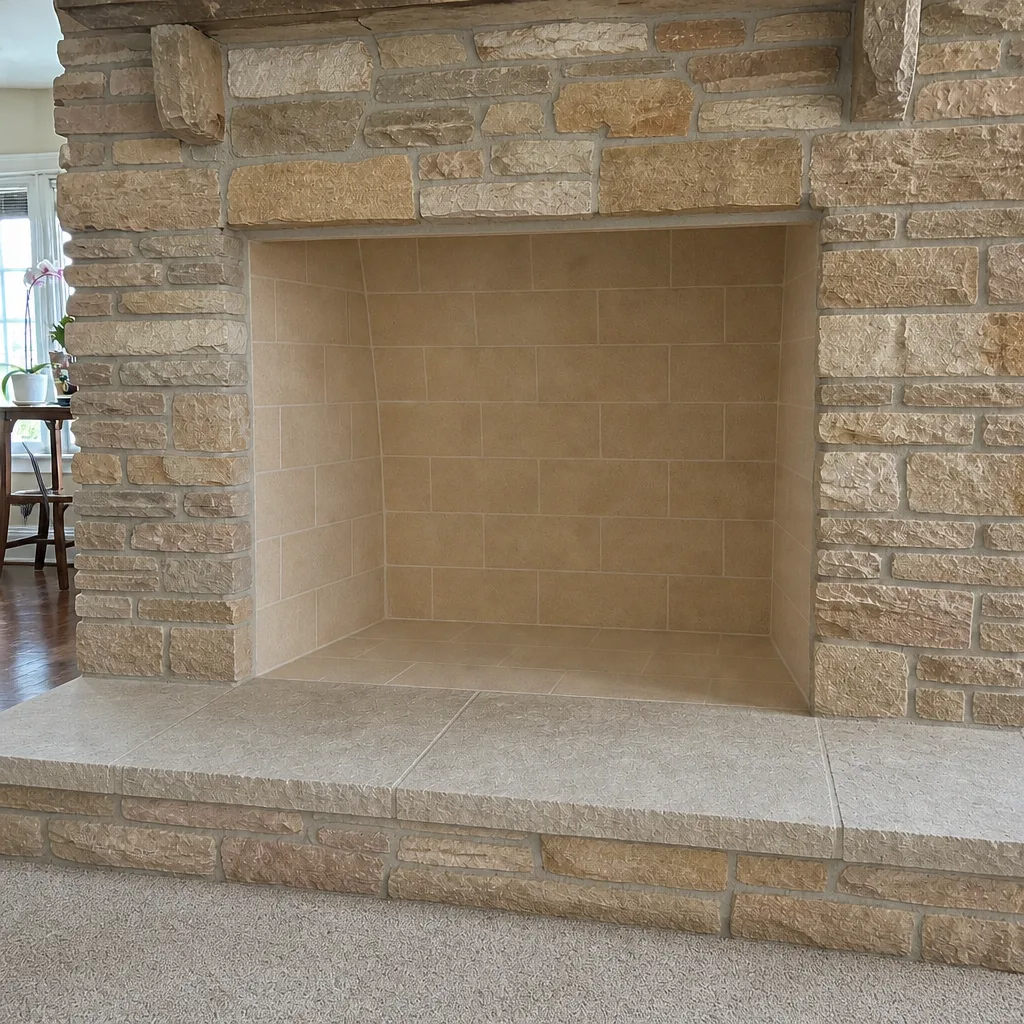
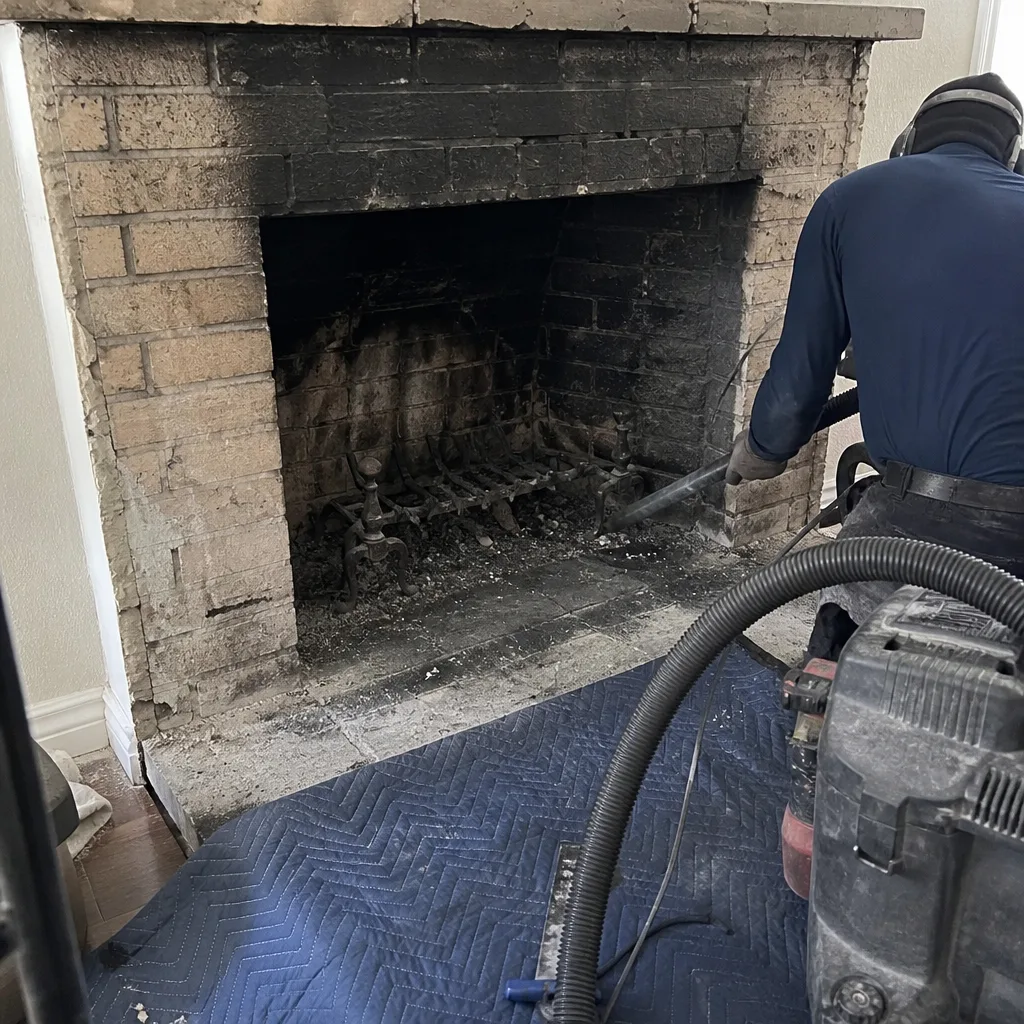
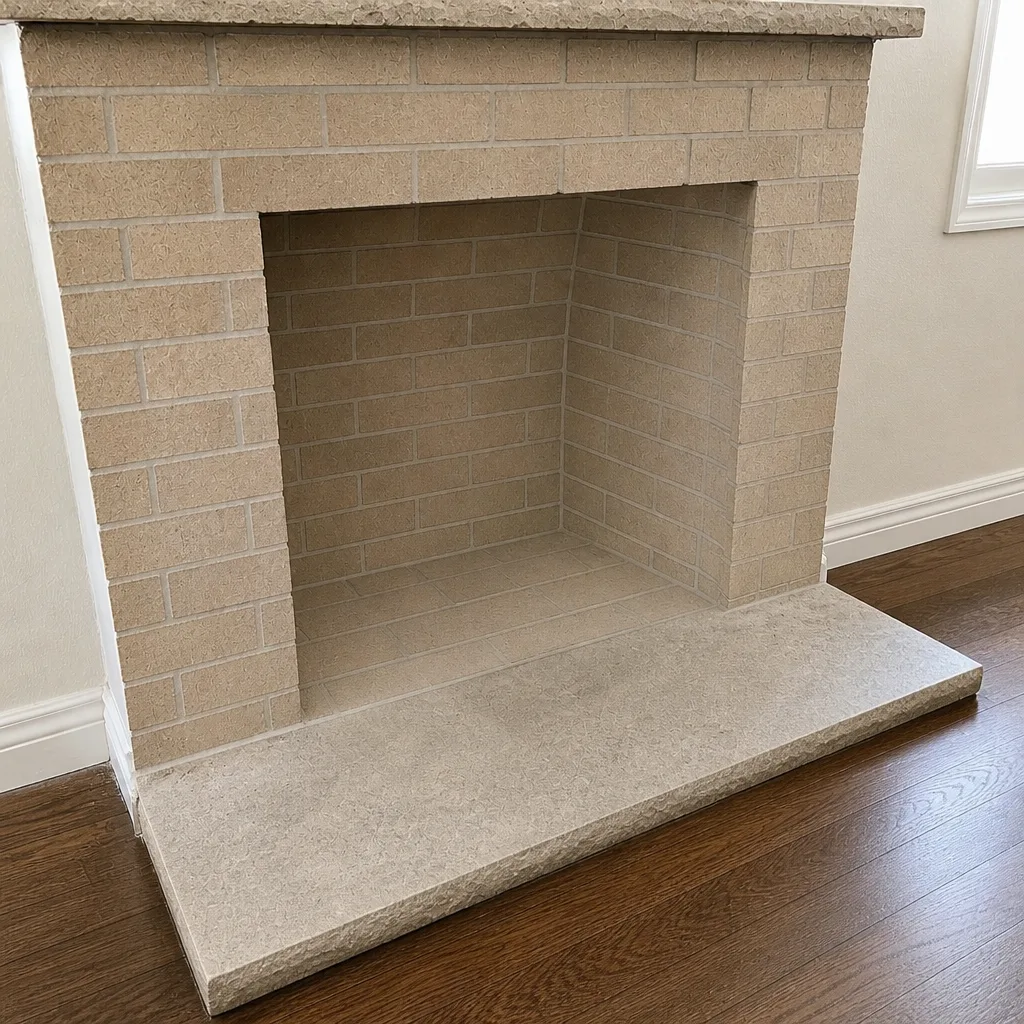
See the difference
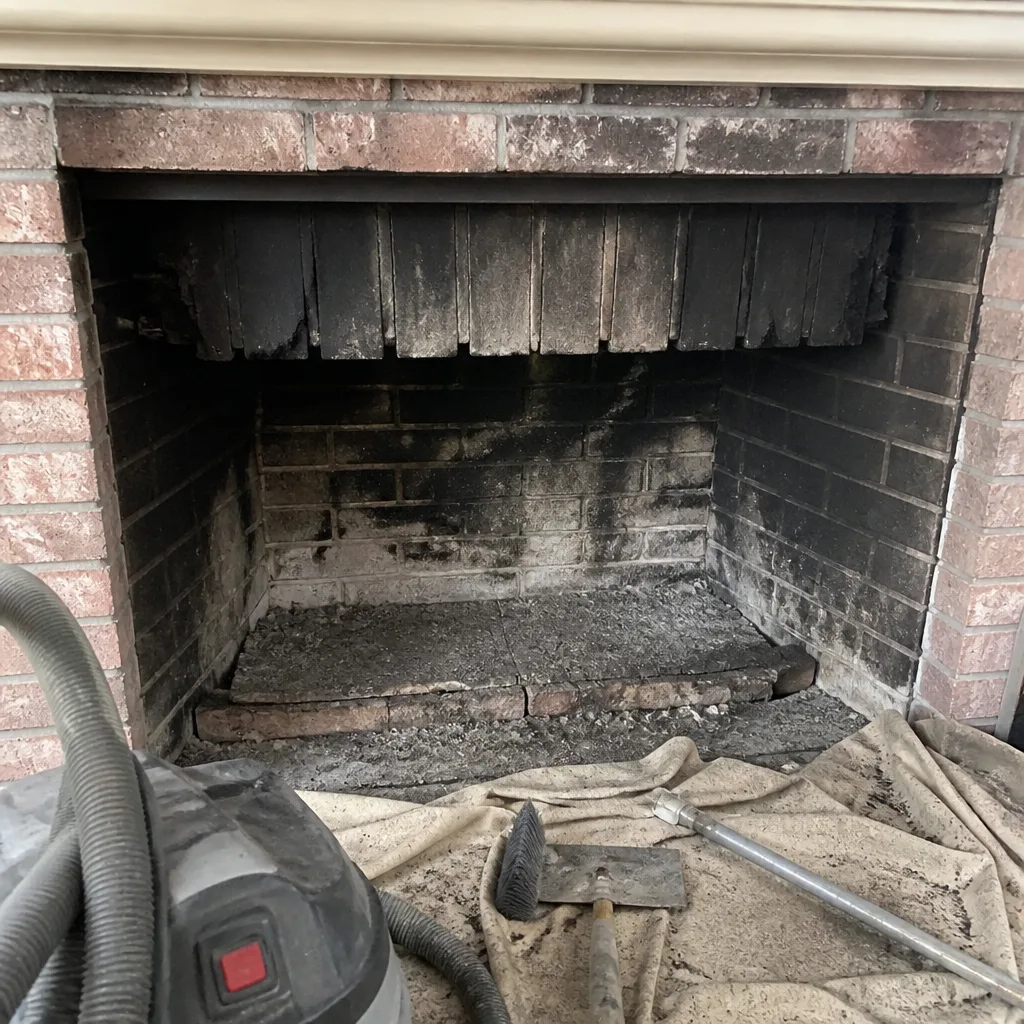 Before
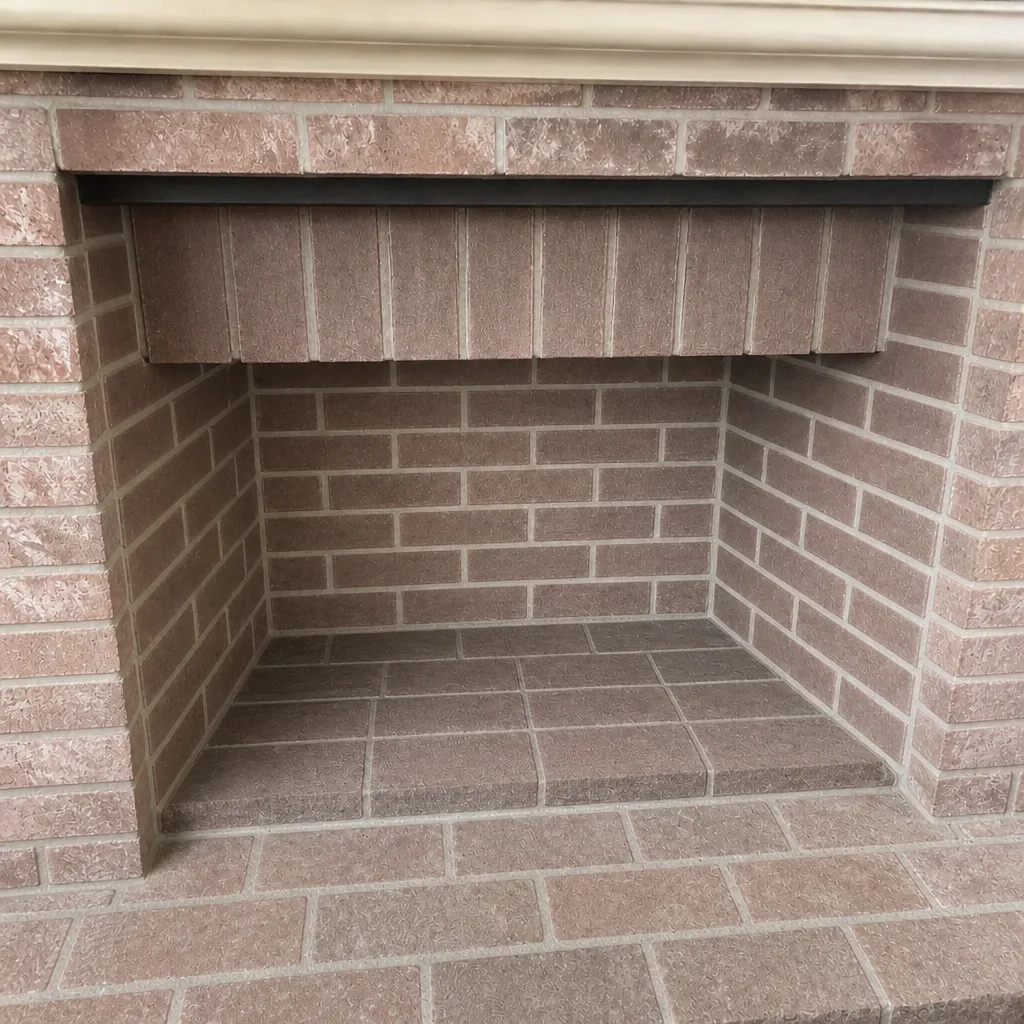 After
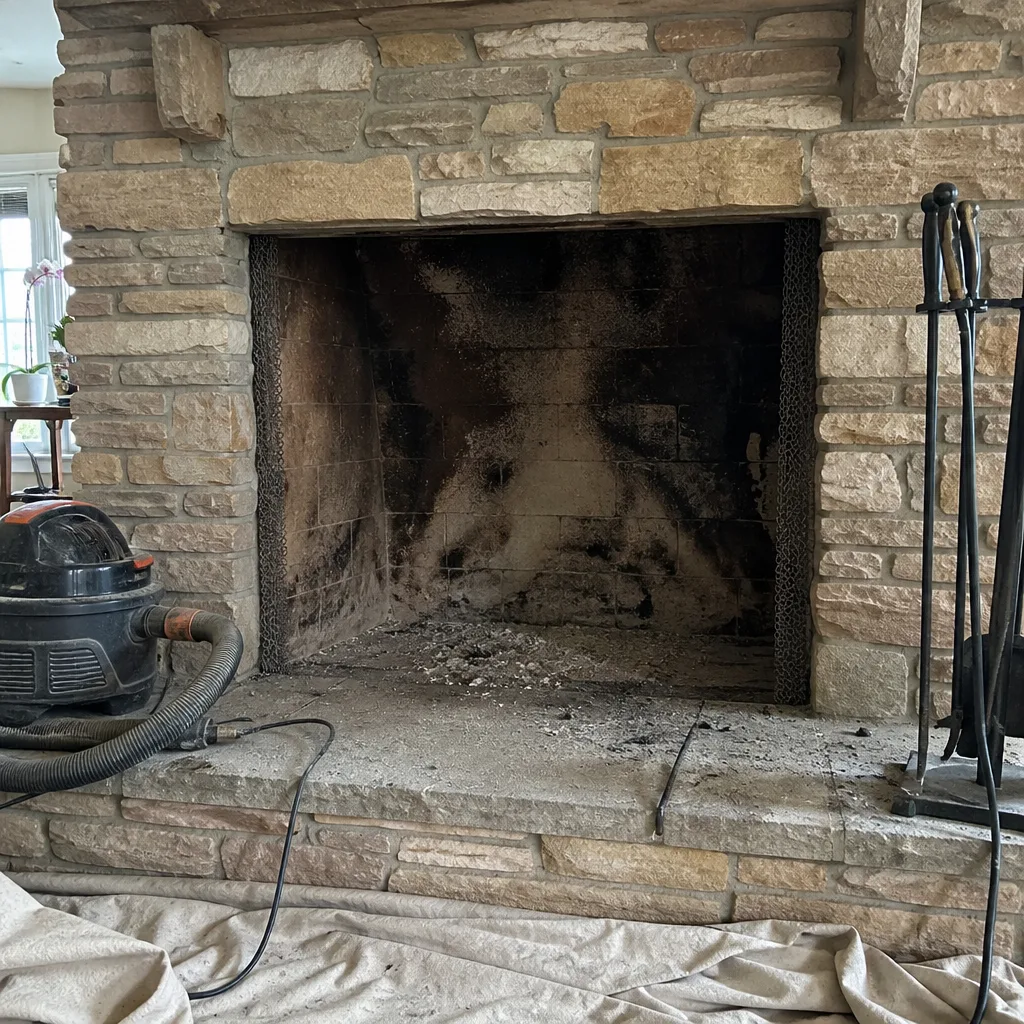 Before
 After
 Before
 After
When to Call a Professional
Some findings can wait. Some can’t, and the difference matters. Call a professional if you smell smoke inside the house when the fireplace is burning, or if the draft feels weaker than it used to – both point to a partial blockage from soot, debris, or a damaged tile. Call if you see visible creosote glazing in the firebox, or if a chimney fire has ever occurred – even a small one – because a chimney fire can damage the flue in ways you can’t see from inside. Call if you’ve just moved into a Highlands Ranch home and there’s no record of a recent sweep, or if the firebox has rust or moisture. And call if the chase flashing is pulling away from the roofline – water intrusion is a repair problem, not a cleaning problem. Grafton Chimney Sweep offers free estimates in Highlands Ranch – call (833) 749-6226.
Frequently Asked Questions
A standard chimney cleaning with a Level 1 inspection in Highlands Ranch typically costs $225 to $400 in 2026, with gas and insert cleanings on the lower end and wood stoves near the top. A Level 2 camera inspection adds $150 to $275. Call (833) 749-6226 for an exact quote – estimates are free.
Not always. If the original clay flue is still structurally sound but has cracked or deteriorated tiles, HeatShield liner resurfacing often solves the problem at a fraction of the cost of a full reline. A new DuraFlex flexible stainless liner is the right call when the flue won’t hold a resurfacing – so the honest answer is that both need to be on the table until the camera shows which fits. Call (833) 749-6226 and we’ll walk through the options with the photo evidence in front of you.
Once a year is the standard recommendation for wood-burning fireplaces, wood stoves, and inserts, and it holds for gas fireplaces as well because venting needs verification. Homes that burn frequently or use green wood may need it more often. In Highlands Ranch’s dry climate and at our elevation, annual is the baseline – call (833) 749-6226 to book a cleaning so you’re not guessing.
Creosote accumulates in the flue, and it hardens over time into glazed deposits that are closely associated with chimney fires and that a standard brush cannot remove. You also lose the early warning that an annual inspection provides, which is where most serious issues – cracked tiles, a failing crown, a blocked flue – are caught while the repair is still small. The cheapest cleaning is the one you do before deferral years turn a $250 sweep into a $1,500 resurfacing. Call (833) 749-6226 and we’ll schedule you.
Yes, when the timing allows. Dryer vent cleaning is part of the same fire-safety rhythm as a chimney sweep – lint buildup in the vent is a known fire cause – and doing both in one visit is efficient. Grafton Chimney Sweep offers both. Call (833) 749-6226 to schedule them together.
No. A Level 1 visual inspection is appropriate for routine annual cleaning when nothing has changed. A Level 2 with camera footage is the right call after a chimney fire, when you’ve moved into a new home, when you’ve changed the fuel type or appliance, or when a repair has been recommended. If someone quotes you a Level 2 every year without a reason, ask why. Call (833) 749-6226 to talk through which level fits your chimney.
The Bottom Line
Chimney cleaning prices in Highlands Ranch vary by hundreds of dollars mostly because the scope varies, not because one company is cheaper. A base sweep with a Level 1 inspection runs $225 to $400 in 2026, a Level 2 adds $150 to $275, and repairs – from crown work to HeatShield resurfacing to a full DuraFlex reline – run from a few hundred to several thousand. What separates an honest quote from a sales pitch is evidence: photo documentation, itemized pricing, a named inspection level, and a company willing to tell you when a repair can wait. Whatever your chimney’s condition, our technicians have up to 15 years of experience and the repair capability to fix what they find in the same visit.
Ready to book a sweep or get a written estimate in Highlands Ranch? Call Grafton Chimney Sweep at (833) 749-6226. We answer 24/7. Fast dispatch from 7am to 7pm, Sunday through Friday.
Written by the team at Grafton Chimney Sweep.