
Last updated November 15, 2026
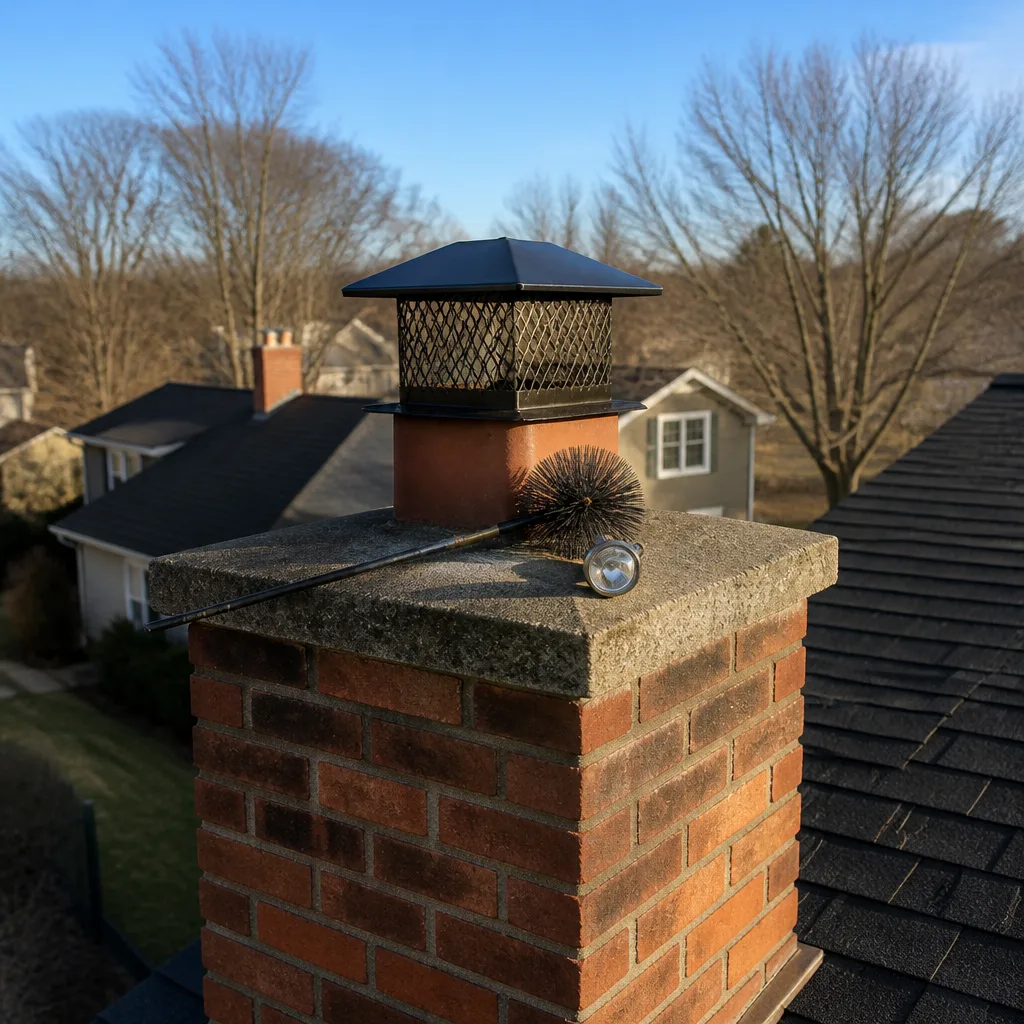 Sweep & inspection
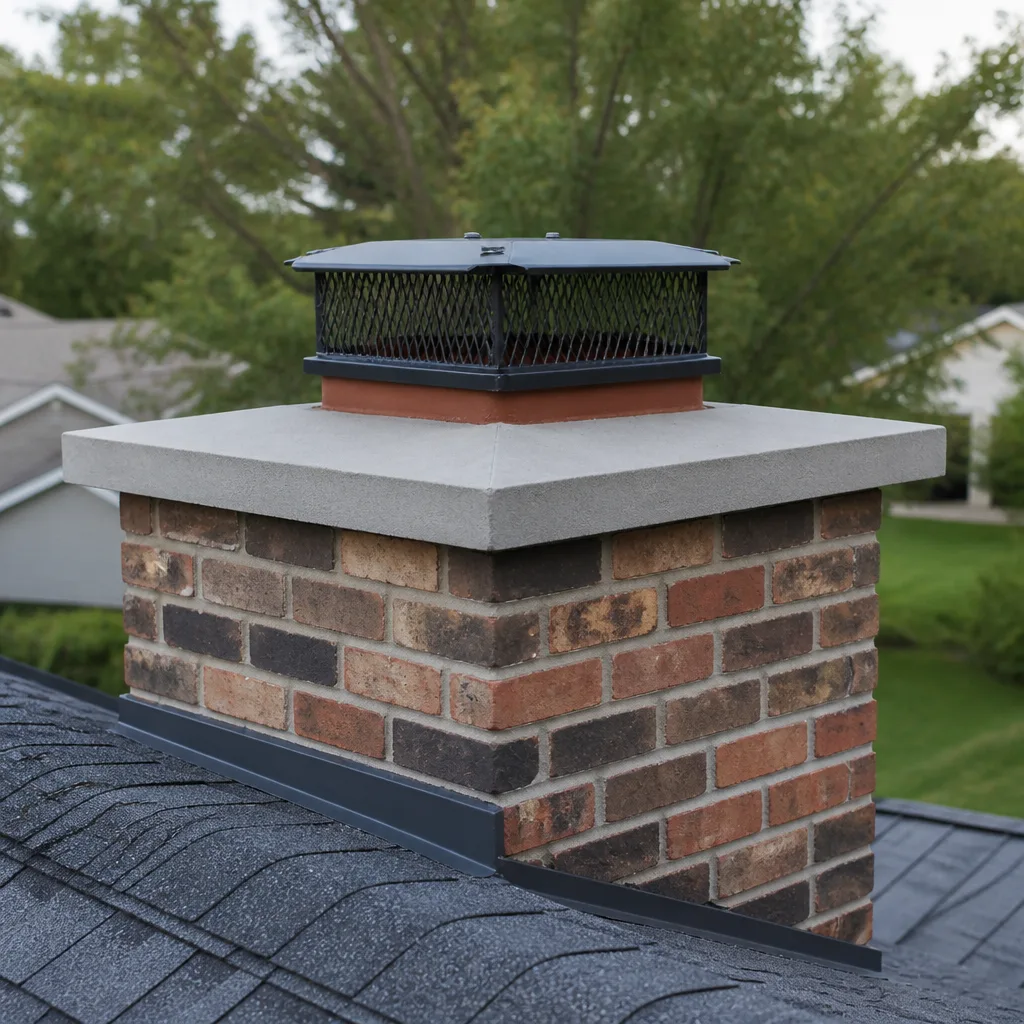 Caps & crowns
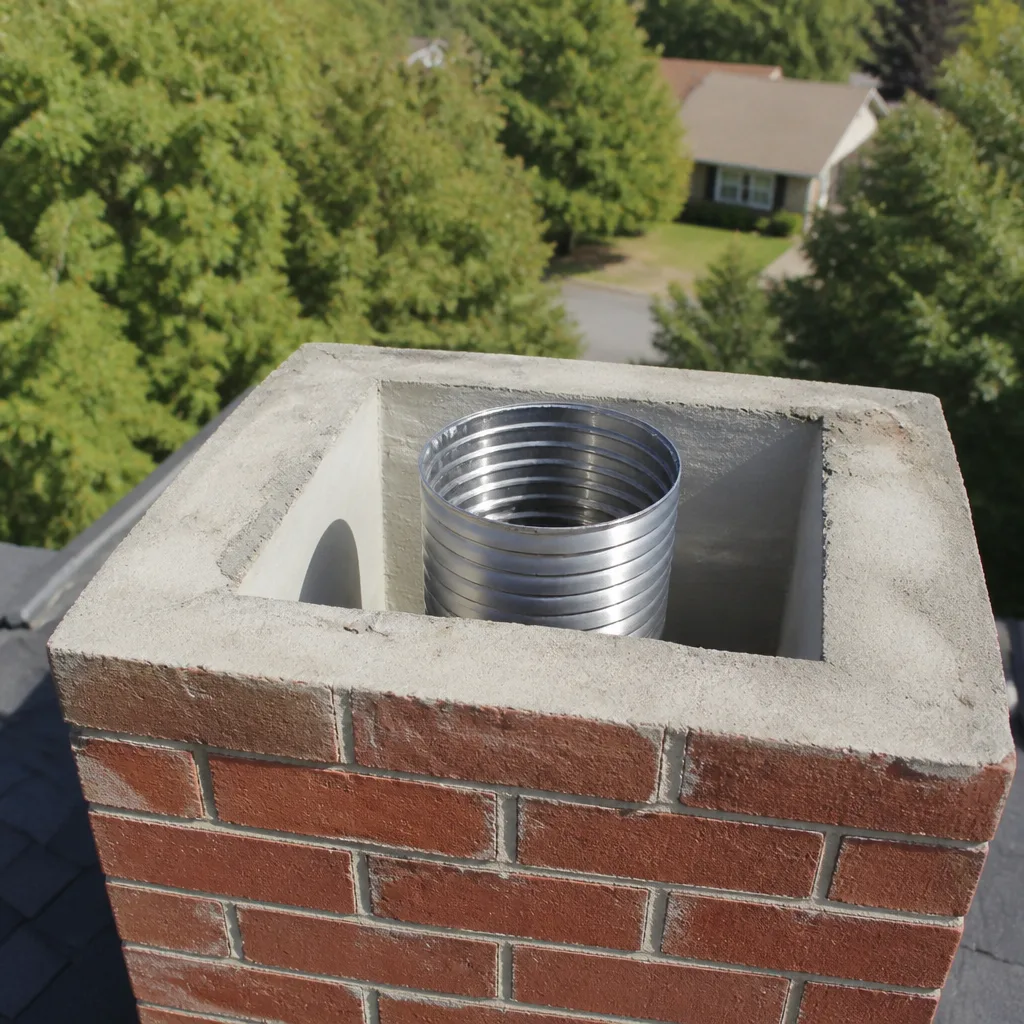 Flue relining
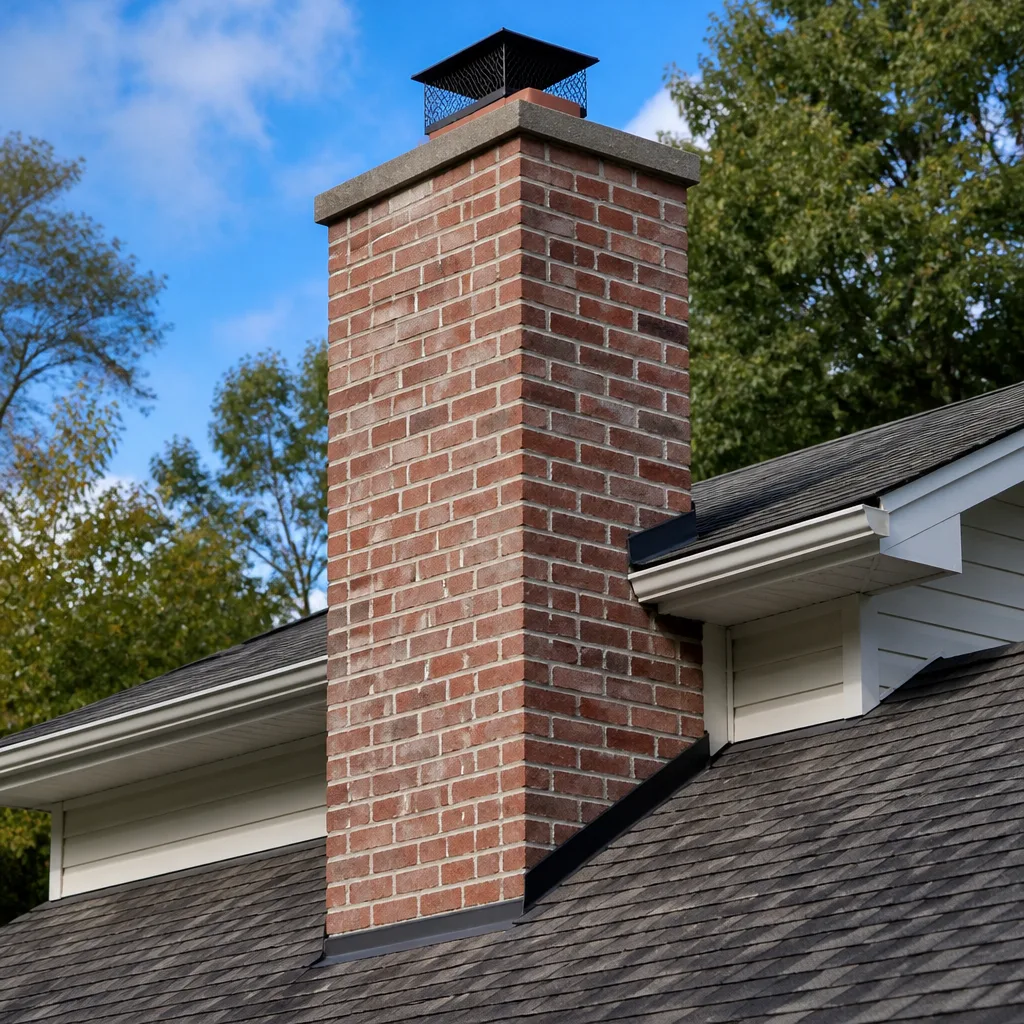 Masonry repair
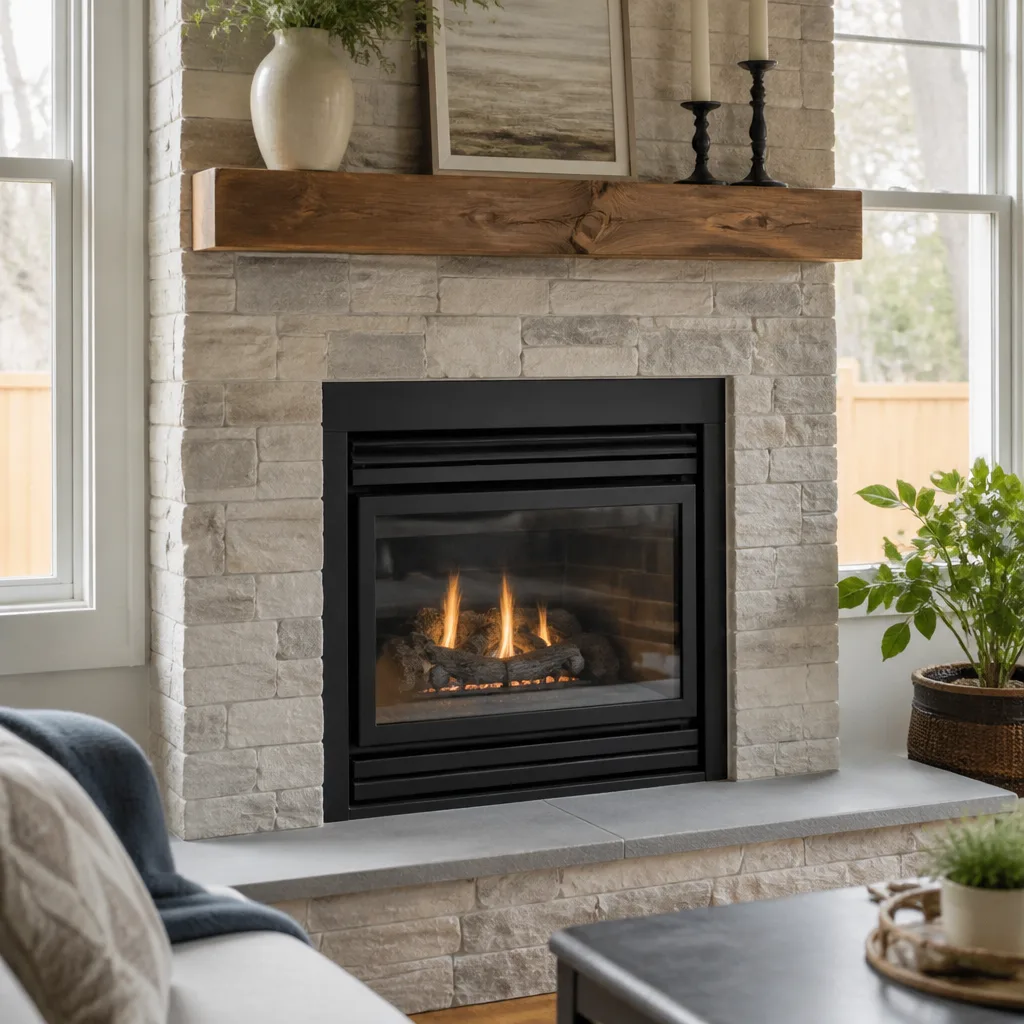 Gas fireplace service
Level 1 sweep and inspection to the NFPA 211 annual standard - flue, crown, cap, and flashing checked and photographed
Chimney sweep logs do not sweep chimneys. They loosen some creosote - which then falls where a brush and vacuum still have to collect it.
Chimney Cleaning Emergency Preparedness Guide for Highlands Ranch Homes
A chimney fire doesn’t always sound like a roaring inferno. Many burn slow and silent inside the flue, smoldering in a bed of creosote while the house above it feels completely normal. Homeowners in Highlands Ranch have discovered the damage only when we ran a camera after the fact and found cracked flue tiles or warped metal they never heard a thing about. The fireplace popped and crackled the way it always does, the room stayed warm, and nothing seemed wrong until it was. That’s the part people don’t expect: the emergencies tied to chimneys tend to announce themselves quietly or not at all. This guide covers what to do before, during, and immediately after the four scenarios we see most in Highlands Ranch: chimney fires, carbon monoxide events, animal intrusions, and storm damage. It’s written to be read now, while things are calm, so you know exactly what to do later.
Quick Answer
The most important thing to know about a chimney emergency is that you usually can’t see or hear it clearly, so preparation matters more than reaction. Before an emergency, have your flue inspected and swept, confirm your carbon monoxide alarms work, and know where your flue and cleanout access are. During a suspected chimney fire, call 911 first if you see flames or heavy smoke outside the chimney, get everyone out, and don’t try to fight it. After any event, document everything with photos before cleanup and have a professional run a camera to confirm the flue is still sound.
Styles & brands we work with
- Sweep & inspection
- Caps & crowns
- Flue relining
- Masonry repair
- Gas fireplace service
Table of Contents
- How Do You Recognize an Active Chimney Fire?
- What Should You Do During a Chimney Fire Before Firefighters Arrive?
- Carbon Monoxide Risks in Tightly Built Highlands Ranch Homes
- How Do You Handle an Animal Intrusion Safely and Legally?
- Storm Damage and What to Check After
- Post-Emergency Documentation for Insurance Claims
- Prevention: The Maintenance Signals People Ignore
How Do You Recognize an Active Chimney Fire?
An active chimney fire has a handful of reliable signs, and they fall into two groups: what you hear and what you see. The quiet ones are the dangerous ones. A slow-burning chimney fire can produce almost no sound from inside the house, yet leave real damage in the flue. In our experience running cameras after the fact, the evidence shows up as cracked tiles, warped metal liners, or a swollen creosote glaze that flaked and puffed – none of which the homeowner heard happen. Learning the indicators ahead of time is what lets you act on the ones that do present.
Audio indicators
- A low rumbling that sounds less like a fire and more like a distant train or a heavy wind gust inside the chimney.
- Popping or a rapid tapping sound, sometimes described as sounding like a woodpecker on the roof.
- A roar that builds quickly, which usually means a hot, fast-moving fire and calls for an immediate 911 call.
- Whistling or a sucking sound from the fireplace opening, caused by air being pulled hard up the flue.
Visual indicators
- Dense smoke or sparks coming from the top of the chimney, even if the firebox looks normal.
- Creosote flakes or dark pieces landing on the roof or in the yard near the chimney cap.
- A warped or discolored damper, or a fireplace glass door that has cracked or clouded.
- Heat you can feel on the chimney breast or the wall behind the fireplace when no fire is burning – a serious sign.
- Visible flames or glowing at the chimney top, which is a call 911 now situation.
Most chimney fires in Highlands Ranch that leave structural damage are the quiet type. A loud fire is easier to catch, but the silent one is the reason regular inspection matters: you’re not checking for a fire you’d notice, you’re checking for the creosote buildup that makes one possible, and the flue damage after one you may have slept through. If you’ve had any of these signs at any point and can’t remember a sweep since, that’s your cue to book a chimney sweep and get a camera inspection on the record.
What Should You Do During a Chimney Fire Before Firefighters Arrive?
The single most important action during a chimney fire is to call 911 if you see flames or heavy smoke at the chimney top, hear a roaring sound, or feel heat on the chimney structure – and to call it before you do anything else. Chimney fires can spread into the framing of a house quickly, and the fire department needs to be on the way while you take the steps below. What follows is not a substitute for that call; it’s what to do in the minutes while help is coming.
- Get everyone out of the house. Move people and pets outside or to a safe distance. A chimney fire that breaches framing can turn into a house fire without warning.
- Call 911 and stay on the line. Give your address clearly and say you have a suspected chimney fire. Fire crews would rather respond to something that turns out to be minor than arrive late to something that isn’t.
- Close the fireplace glass doors and the damper only if you can do it safely. Cutting the air supply can slow a fire, but do not reach into a hot firebox or stand in smoke to do it. If it isn’t quick and safe, leave it.
- Do not pour water into the firebox. Water on a very hot flue can crack tiles and send steam and debris back at you.
- Do not close the chimney or block the top. Choking off the flue at the cap can push smoke and carbon monoxide back into the house.
- Turn off the HVAC system if you suspect smoke is being drawn into the house, so you’re not circulating it room to room.
- Wait for the fire department’s all-clear before re-entering. Once they’ve cleared the structure, have a professional inspect the flue before you burn again.
We’d rather you err on the side of a 911 call you didn’t strictly need than a delay on a fire you misjudged. After any suspected event, don’t relight the fireplace until someone has run a camera and confirmed the flue is sound. If you’re not sure whether what you experienced was a real chimney fire, that’s exactly the situation for a professional inspection – guessing is how quiet damage becomes expensive damage.
Carbon Monoxide Risks in Tightly Built Highlands Ranch Homes
Carbon monoxide is the emergency that gives no warning at all, which makes chimney and venting integrity a life-safety matter rather than a housekeeping one. In a tightly built home, the air sealed inside doesn’t leak out the way it does in older, draftier construction, so a flue that’s blocked, cracked, or back-drafting can push combustion gases into the living space instead of up and out. Highlands Ranch homes tend to be newer and tighter, which is good for efficiency and less forgiving when the venting system has a problem.
Where carbon monoxide comes from in a chimney system
- A blocked or partially blocked flue, often from creosote, a nest, or a collapsed liner.
- A cracked or deteriorated flue liner that lets gases escape into the chimney structure and beyond.
- A disconnected or damaged vent connector on a gas appliance tied into the same chimney.
- Back-drafting, where pressure differences pull exhaust back down the chimney into the house.
- A dryer vent that’s clogged or routed wrong, adding to indoor air and pressure problems in a tight home.
What to do if your CO alarm sounds
- Get everyone outside into fresh air immediately. Don’t stop to open windows first or investigate where it’s coming from.
- Call 911 from outside. Tell them your CO alarm has activated and whether anyone has symptoms.
- Don’t re-enter until the fire department clears the home.
- Call a professional to inspect the chimney, flue, and any appliance venting before using the fireplace or gas appliances again.
Carbon monoxide alarms and working venting go together. A working alarm is your backstop, not your plan – the real fix is keeping the flue and vents clear and intact. This is the same reason we treat dryer vent cleaning as part of whole-home safety rather than an optional extra; a clogged dryer vent is its own fire and airflow risk in a sealed house. If your home in Highlands Ranch has never had the flue camera-checked, that inspection is the single most useful thing you can do to lower your CO risk from the chimney side.
How Do You Handle an Animal Intrusion Safely and Legally in Douglas County?
An animal in the chimney is the most common “emergency” we hear about that rarely needs to be an emergency at all – handled calmly and legally, it’s an inconvenience with a clear resolution. Raccoons, birds, and bats are the usual visitors, drawn to a warm, protected cavity with a convenient opening on top. The key is to not turn a manageable situation into a dangerous one: don’t chase, don’t light a fire to drive anything out, and don’t assume a problem you can solve by force.
What to do, step by step
- Confirm what you’re dealing with. Scratching, chittering, or flapping sounds from the flue or firebox are the usual clues. Keep the fireplace doors closed and the damper shut so nothing gets into the room.
- Don’t burn a fire to smoke anything out. It’s cruel to the animal, dangerous to you, and can back smoke into the house.
- Call for help based on the animal. Bats in Colorado are protected and shouldn’t be handled by homeowners; call Colorado Parks and Wildlife or a licensed wildlife professional for guidance. Raccoons and birds are best handled by a wildlife professional or animal control. Douglas County residents can also contact their local animal services line for direction.
- Understand the legal line. Bats especially are legally protected, and handling or killing them is generally not permitted. Let a licensed professional advise on removal.
- Keep the area sealed until removal is done. Once the animal is out and the chimney is clear, have the cap and any gaps inspected and repaired so it can’t happen again.
After any animal intrusion, the flue needs more than a look – nesting material and droppings are a fire hazard and a health concern, and an animal can dislodge a liner component scrambling around. A proper cleaning and inspection with a camera confirms nothing was left behind and the flue is still intact. It’s part of why we handle this in the same visit as the inspection: find it, clear it, fix the access point, all in one trip.
Storm Damage and What to Check After
Highlands Ranch sits up against the Front Range, where hail, high wind, and fast-moving summer storms are a routine part of the calendar, and a chimney is one of the most exposed parts of a house. Storm damage doesn’t always announce itself as a missing cap; often it’s a hairline crack in the crown, a loose cap, or a flue tile that shifted – invisible from the yard and obvious only from the roof or on camera. Knowing what to check after a big storm keeps a small repair from becoming a water intrusion problem that spreads into the ceiling and framing.
What to inspect after a storm
- The chimney cap and spark arrestor – is anything bent, taped, missing, or sitting crooked?
- The crown at the top of the chimney – any visible cracks, spalling, or missing mortar?
- Flashing where the chimney meets the roof – lifted, torn, or separated metal is a leak waiting to happen.
- Masonry joints – loose or missing mortar on the outside of the chimney.
- The cap screen – hail can punch through or flatten it, which opens the door to birds and bats.
If you can safely look from the ground or with binoculars, do that. Stay off the roof after a hailstorm or high wind – wet, loose roofing and a damaged chimney are not a combination to walk on yourself, and a fall is another emergency to add to the list. Call for a professional inspection instead. Anything that affects the cap, crown, or flashing should be photographed as-is before anyone touches it, especially if you’ll be calling your insurer.
When damage is found, the repair can usually happen the same visit as the inspection. For masonry and flue issues, we work with proven materials like HeatShield for resurfacing a damaged flue and DuraFlex flexible liner systems for a full reline when resurfacing isn’t enough – so a storm that cracks a liner doesn’t leave you with a report and no path forward.
Post-Emergency Documentation for Insurance Claims
What separates a smoothly handled insurance claim from a frustrating one is usually the photos taken in the first hour, before any cleanup begins. Adjusters work from evidence, and a chimney fire or storm claim is far easier to process when there’s a clear record of the damage as it was found. We’ve seen claims get complicated simply because a well-meaning homeowner swept up before anyone documented the scene. Take the photos first. Cleanup can wait.
What to photograph before cleanup
- The chimney top – cap, spark arrestor, crown, and the visible flue opening, from as many angles as you safely can from the ground or with a phone on a pole.
- The firebox and damper – including any warping, discoloration, or cracked glass.
- The wall and ceiling around the chimney – any smoke staining, heat discoloration, or cracked drywall.
- Any smoke or soot inside the room – wide shots and close-ups.
- Creosote flakes, charred material, or debris in the firebox, on the roof, or in the yard.
- The roof and flashing around the chimney, if you can see it safely.
What a professional should provide for the claim
- A written inspection report describing the damage found and likely cause.
- Camera photographs of the flue interior with the damage visible.
- A clear scope of the repair, with the materials specified – HeatShield resurfacing, a DuraFlex liner, a new cap, or masonry work as the case may be.
- An itemized estimate you can submit with the claim.
Keep your paperwork in one place and give your insurer the professional report alongside your own photos. The combination of a homeowner’s “as found” record and a professional’s written findings is what moves a claim along. When we inspect after an event, the camera evidence and written findings are part of the service, not an extra – you should be able to see exactly what we see.
Prevention: The Maintenance Signals People Ignore
Nearly every chimney emergency is preceded by a maintenance signal that was easy to dismiss – and that’s the quiet truth under this whole guide. The weak draft that got blamed on the weather. The black glaze you meant to have looked at last year. The cap that lost a screw and rattled. In our experience, these signals sit on a list until a burn or a storm turns them into an incident. Prevention is not glamorous, and it isn’t complicated either. It’s a sweep, a camera inspection, and a repair done while the problem is still small.
The signals worth acting on
- You can’t remember the last time the flue was swept.
- You’re burning more, or burning wood that hasn’t dried enough, and the creosote glaze is building.
- Your carbon monoxide alarm has chirped or been replaced once without the flue being checked.
- The chimney cap is loose, missing, or dented from a past storm.
- You hear animals or birds in the flue, or see droppings around the firebox.
- The dryer is taking longer to dry clothes, a sign the dryer vent needs attention.
The right maintenance rhythm depends on how and how much you burn, but an annual inspection and a sweep at the manufacturer’s recommended creosote level is the general practice. If you’ve been putting it off through a couple of seasons, book a sweep before the next burning season – that timing matters more than an arbitrary date. And if you’re in a part of Highlands Ranch where the wind and hail hit harder, check the cap and crown after every big storm rather than waiting for the annual visit.
Prevention is also where the repair side pays off. A flue that’s starting to deteriorate can often be resurfaced with HeatShield before it needs a full DuraFlex reline, and catching it early keeps the job smaller. That’s the value of finding problems on an inspection visit rather than a crisis visit: we repair what we find, in the same engagement, instead of leaving you a list of concerns.
Common Mistakes to Avoid
- Ignoring a quiet fire. If you suspect a chimney fire even briefly, don’t assume it was nothing and carry on burning – a silent fire can leave cracked tiles or a damaged liner that only a camera will reveal.
- Waiting to call 911. Homeowners often want to “handle it” first. If you see flames or heavy smoke at the chimney top or feel heat on the structure, call immediately; a delay of minutes is what turns a chimney fire into a house fire.
- Lighting a fire to drive out an animal. It’s dangerous to you, harmful to the animal, and can back smoke and carbon monoxide into a tightly built Highlands Ranch home. Close the doors and call a licensed professional, especially for bats, which are protected in Colorado.
- Cleaning up before documenting. Sweeping the firebox or tossing storm debris before you’ve photographed it is the fastest way to weaken an insurance claim. Photograph as-found first, clean later.
- Skipping the camera inspection after an event. A visual all-clear from the firebox tells you almost nothing about the flue interior. Without a camera, you can’t confirm the flue is sound, and the damage hiding in there is exactly what causes the next emergency.
- Climbing on a storm-damaged roof. After hail or high wind, the roof and chimney are the last place a homeowner should be. Inspect from the ground with binoculars and let a professional get on the roof.
- Assuming a working CO alarm means you’re safe. The alarm is a backstop, not a fix. If it has ever sounded, or if your flue has never been camera-checked, get the chimney and venting inspected before the next burning season.
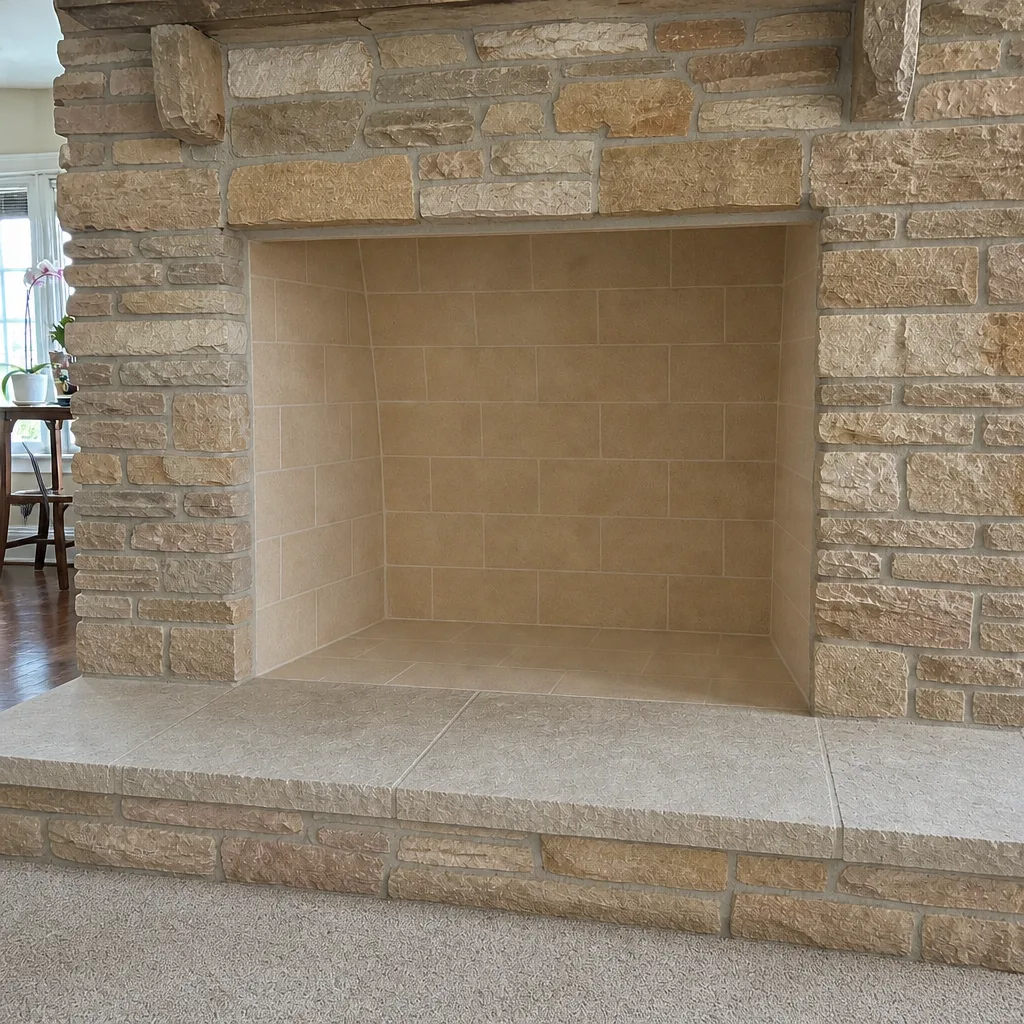
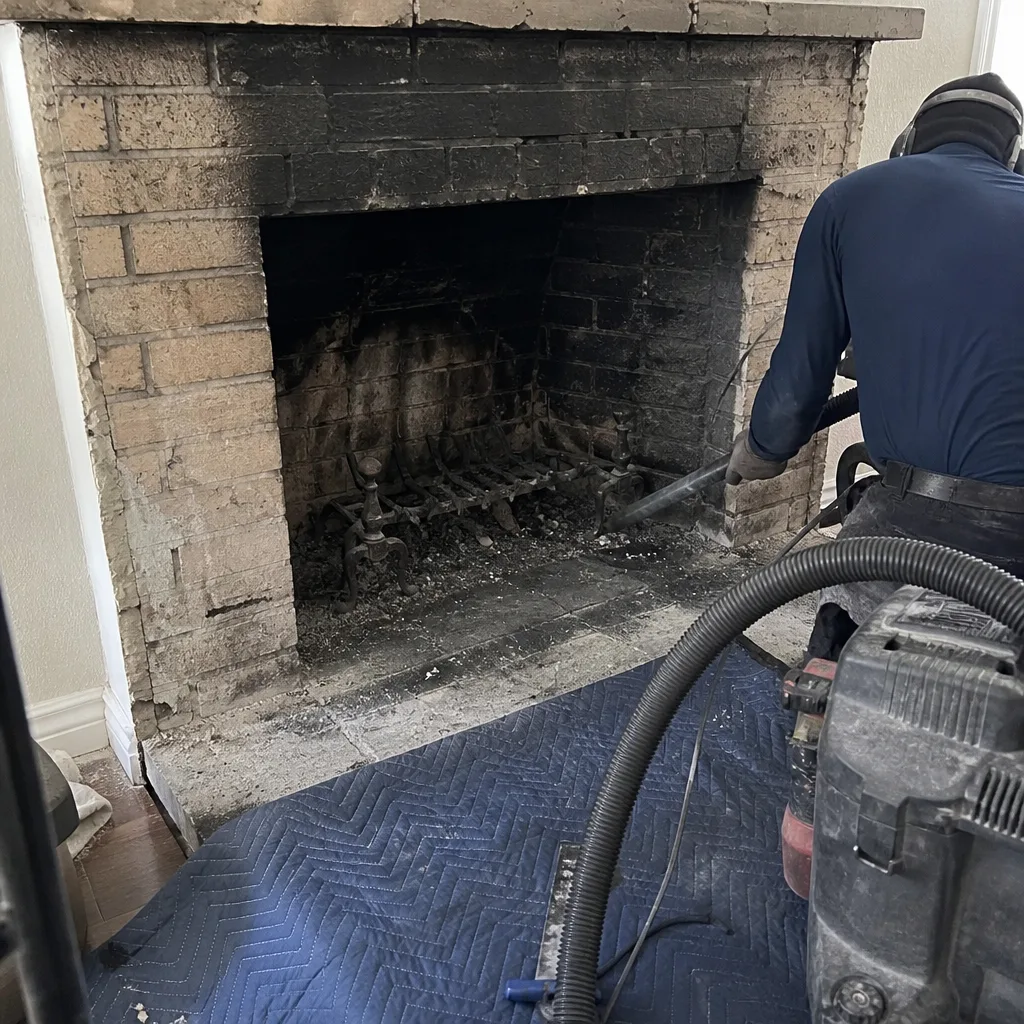
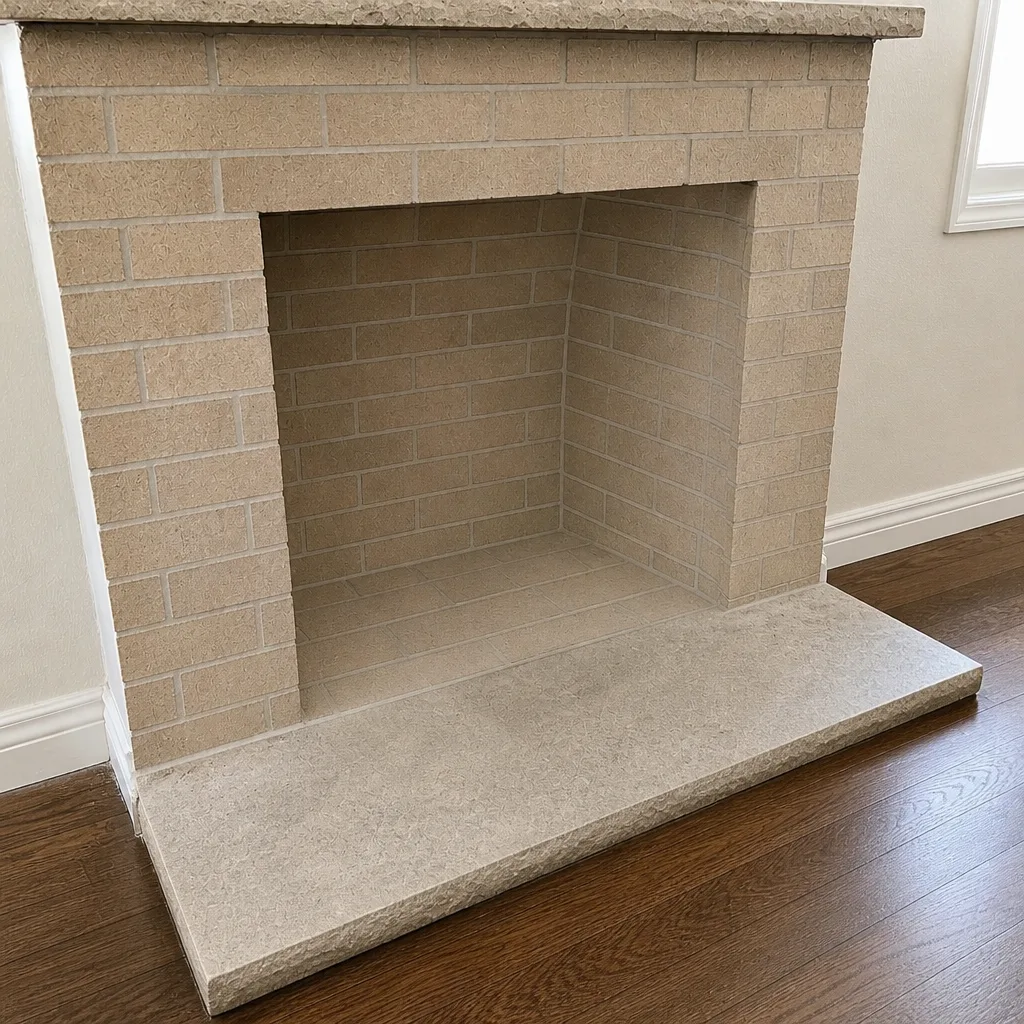
See the difference
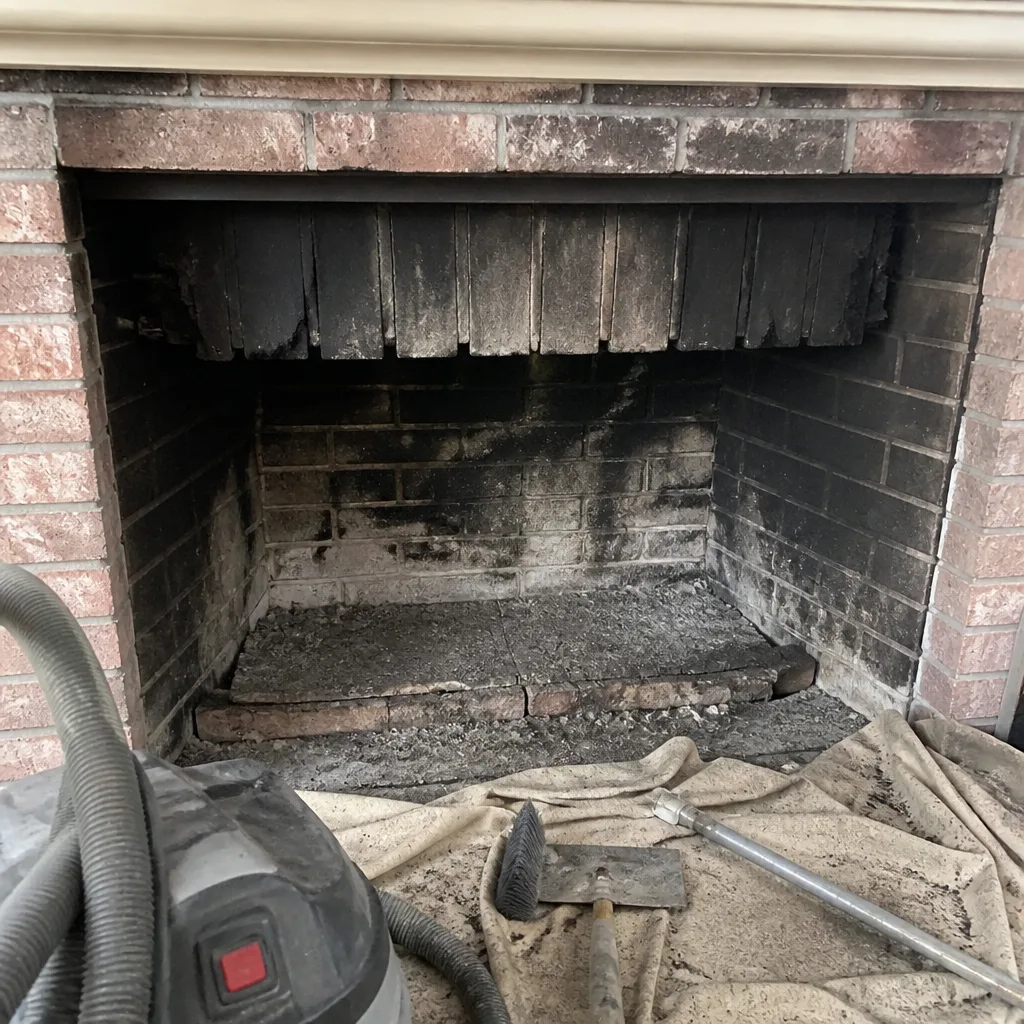 Before
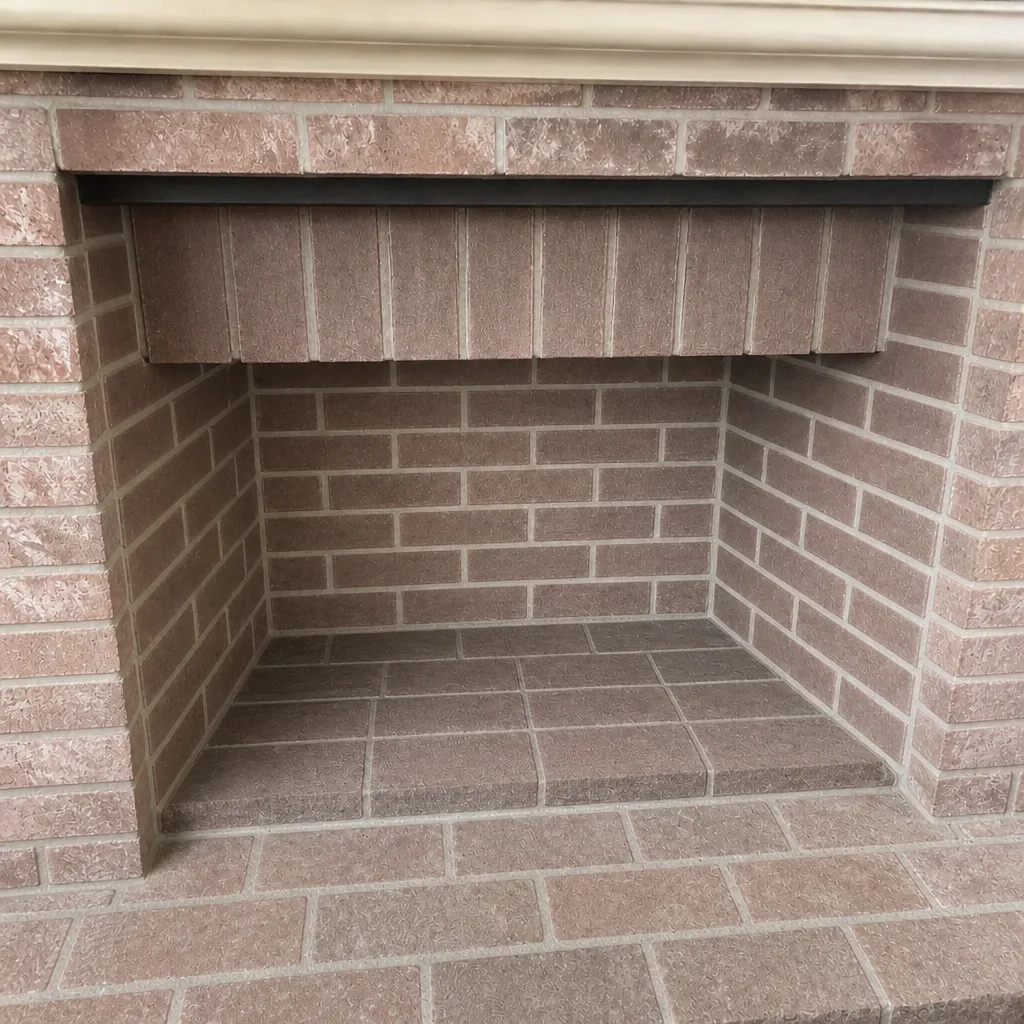 After
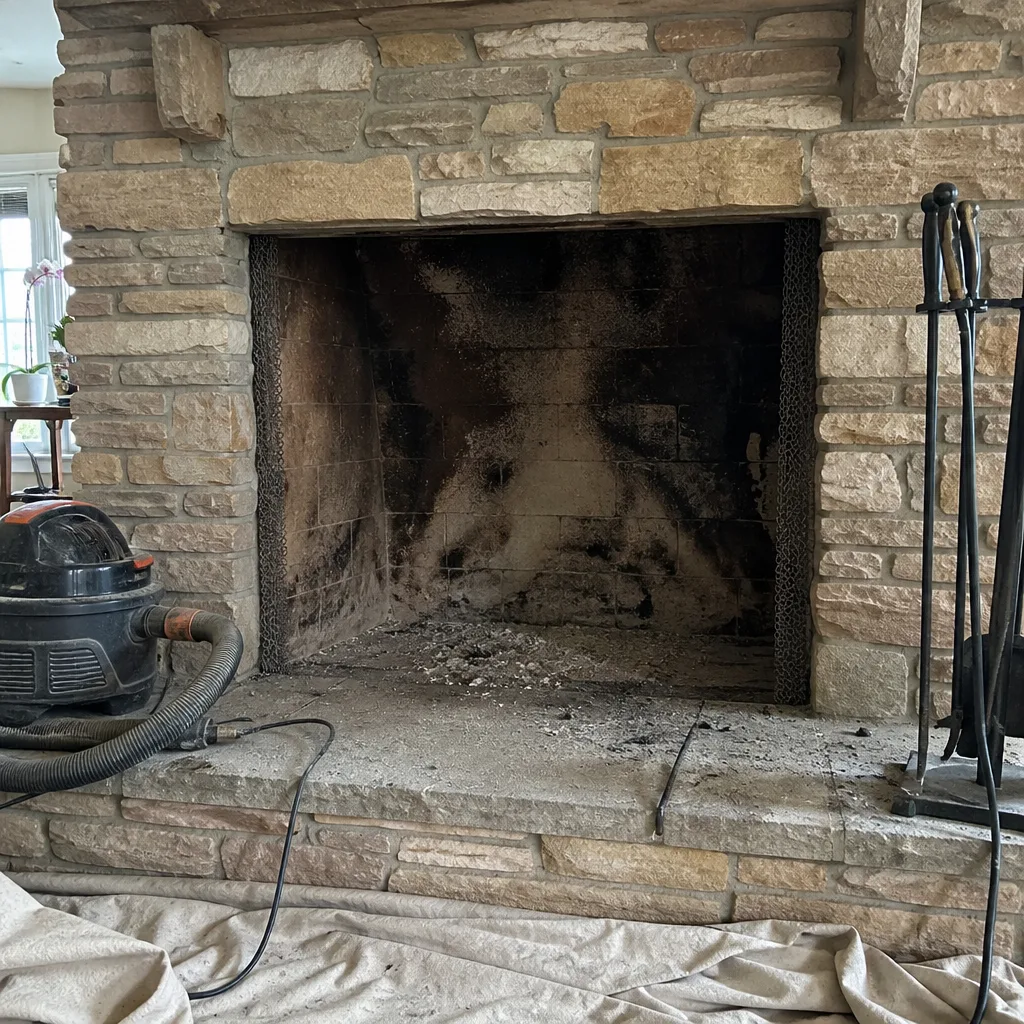 Before
 After
 Before
 After
When to Call a Professional
Call a professional for any suspected chimney fire, any carbon monoxide alarm activation, any animal intrusion, and any storm damage you can see on the cap, crown, or flashing. Call for a camera inspection if you can’t remember the last sweep, if you’re burning more than usual, or if you’ve just moved into a Highlands Ranch home and don’t have a service record for the flue. Grafton Chimney Sweep offers free estimates in Highlands Ranch – call (833) 749-6226. We answer 24/7, and fast dispatch runs from 7am to 7pm, Sunday through Friday (we’re closed Saturday). Our technicians have up to 15 years of experience, and because we repair what we find, you’re not left with a report and nowhere to take it.
Frequently Asked Questions
You often won’t know from sound alone, which is the whole problem with quiet chimney fires. Signs to look for include a rumbling, roaring, or popping from the chimney, smoke or sparks at the top, creosote flakes on the roof, a warped damper, or heat on the chimney structure. If any of those happened, have the flue camera-inspected before burning again. Call (833) 749-6226 for an exact quote on an inspection – estimates are free.
If you see flames or heavy smoke at the chimney top, hear roaring, or feel heat on the structure, call 911 first and get everyone out of the house. Then move pets and people to safety and wait for the fire department’s all-clear before re-entering. Have a professional inspect the flue afterward before lighting another fire. Call (833) 749-6226 to book a post-event inspection – estimates are free.
Tighter construction holds inside air better, so a blocked, cracked, or back-drafting flue has fewer places to vent gases safely than in an older, draftier house. That makes flue and venting integrity a life-safety issue, not a maintenance chore. Keep working CO alarms and have the chimney camera-checked before the burning season. Call (833) 749-6226 for an inspection estimate – it’s free.
Keep the fireplace doors and damper closed and don’t light a fire to drive it out. Bats are protected in Colorado and shouldn’t be handled by homeowners, so call Colorado Parks and Wildlife or a licensed wildlife professional; raccoons and birds are best handled by animal control or a wildlife pro. Once it’s removed, have the flue cleaned and the cap repaired. Call (833) 749-6226 – estimates are free.
Photograph the chimney top, cap, crown, and flue opening from the ground, then the firebox, damper, and the wall and ceiling around the chimney, plus any creosote flakes or debris. Take wide shots and close-ups. Do this before sweeping or clearing anything. Then have a professional run a camera and provide a written report with photos and an itemized repair estimate for your claim. Call (833) 749-6226 – estimates are free.
Often, yes – a flue that’s deteriorated but not structurally gone can be resurfaced with HeatShield rather than fully relined, and a compromised or outdated flue that needs it can get a DuraFlex flexible liner system. Both are handled in-house, so you’re not sent elsewhere for the repair. A camera inspection tells you which applies. Call (833) 749-6226 – estimates are free.
The Bottom Line
Chimney emergencies in Highlands Ranch – fires, CO events, animal intrusions, storm damage – are usually preceded by maintenance signals that were easy to ignore, and the quiet ones are the dangerous ones. Prepare before the season: get the flue swept and camera-inspected, keep CO alarms working, and check the cap and crown after storms. During an event: call 911 if you see flames or heavy smoke, get out, and don’t fight it yourself. After: photograph as-found before cleanup and get a professional report for your claim. Most of all, don’t let a small problem wait until it’s a crisis. A Grafton Chimney Sweep visit finds and fixes what’s wrong in one engagement, and we treat the Highlands Ranch flue and dryer vent together because both are fire-safety systems under your roof.
If you’ve read this and realized you can’t remember the last time your flue was inspected, that’s your signal. Call (833) 749-6226 for a free estimate in Highlands Ranch. We answer 24/7, with fast dispatch from 7am to 7pm, Sunday through Friday. Whether it’s a routine sweep, a post-storm inspection, or a damaged flue that needs HeatShield resurfacing or a DuraFlex reline, we repair what we find – so you’re not handed a problem list and a referral. Book before the next burning season and know your chimney is ready.
Written by the team at Grafton Chimney Sweep.