
Last updated November 15, 2026
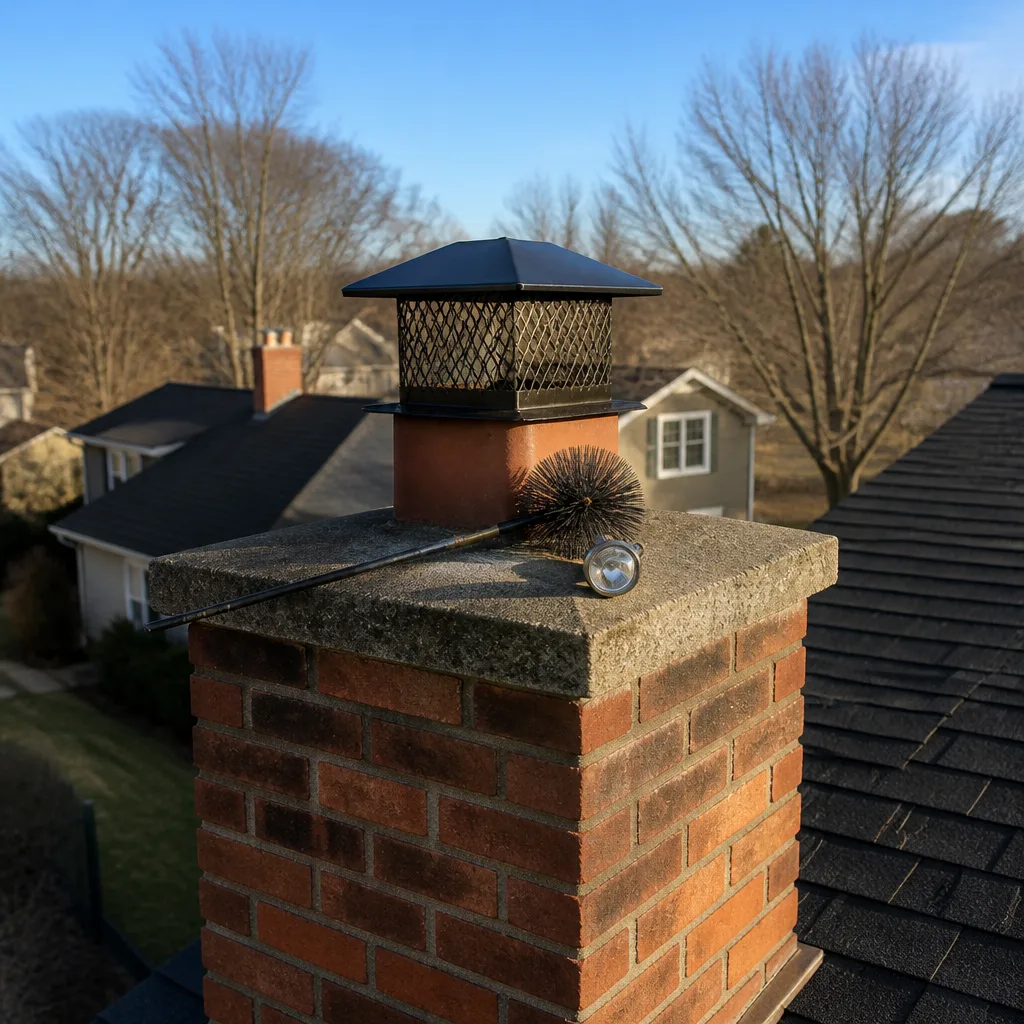 Sweep & inspection
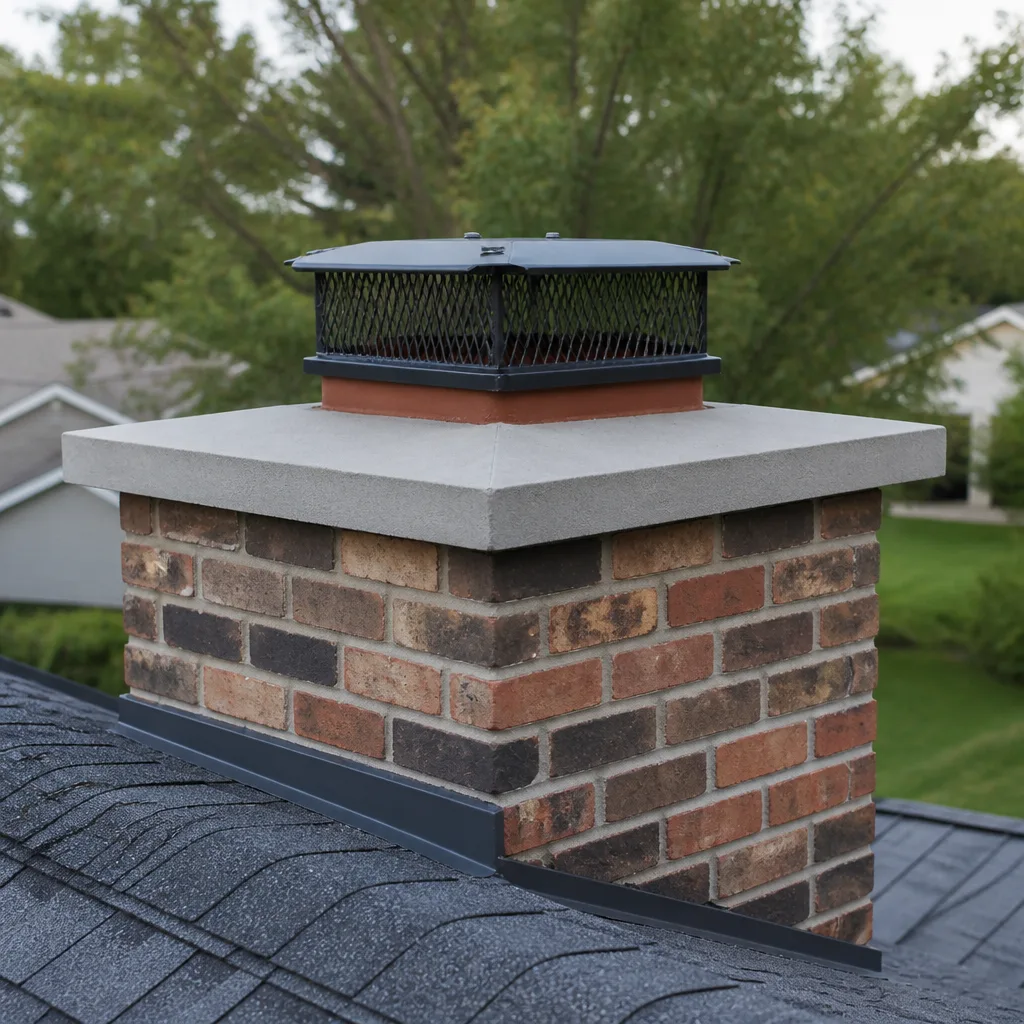 Caps & crowns
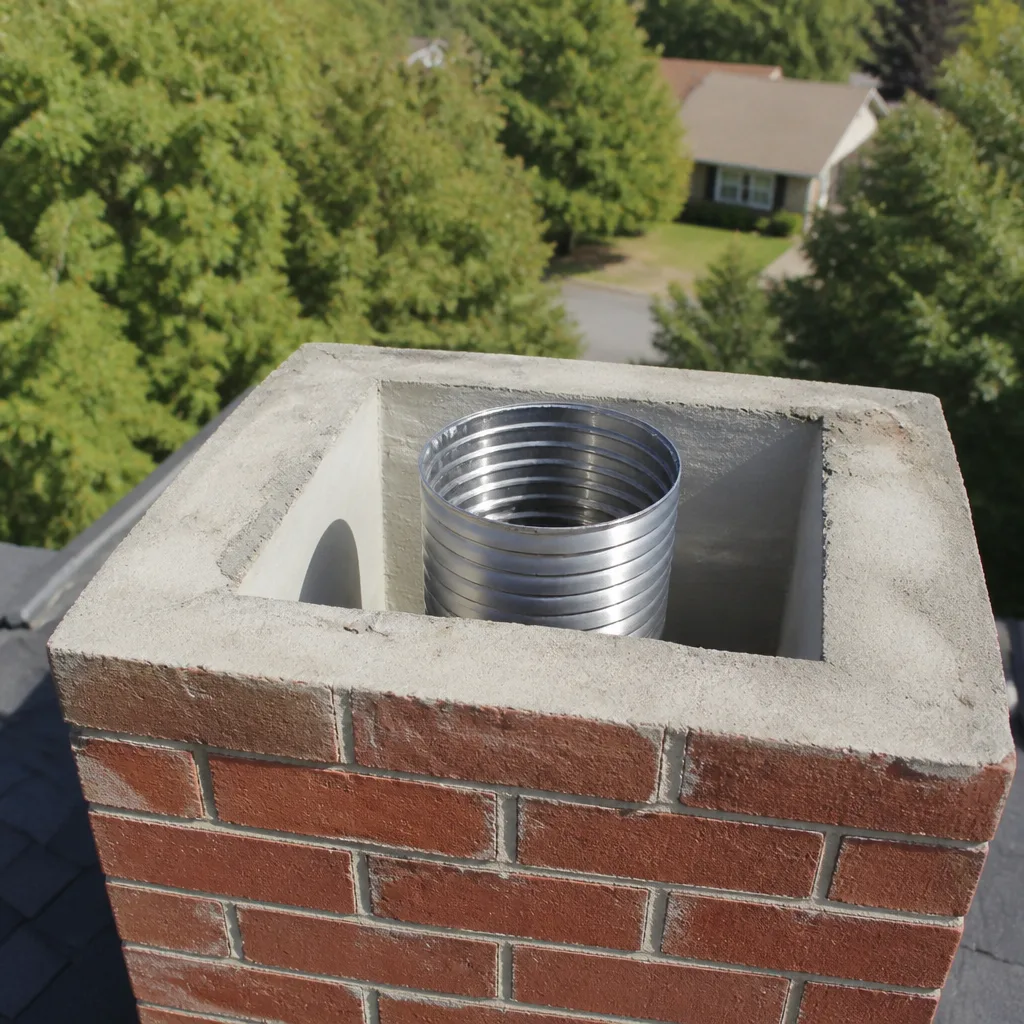 Flue relining
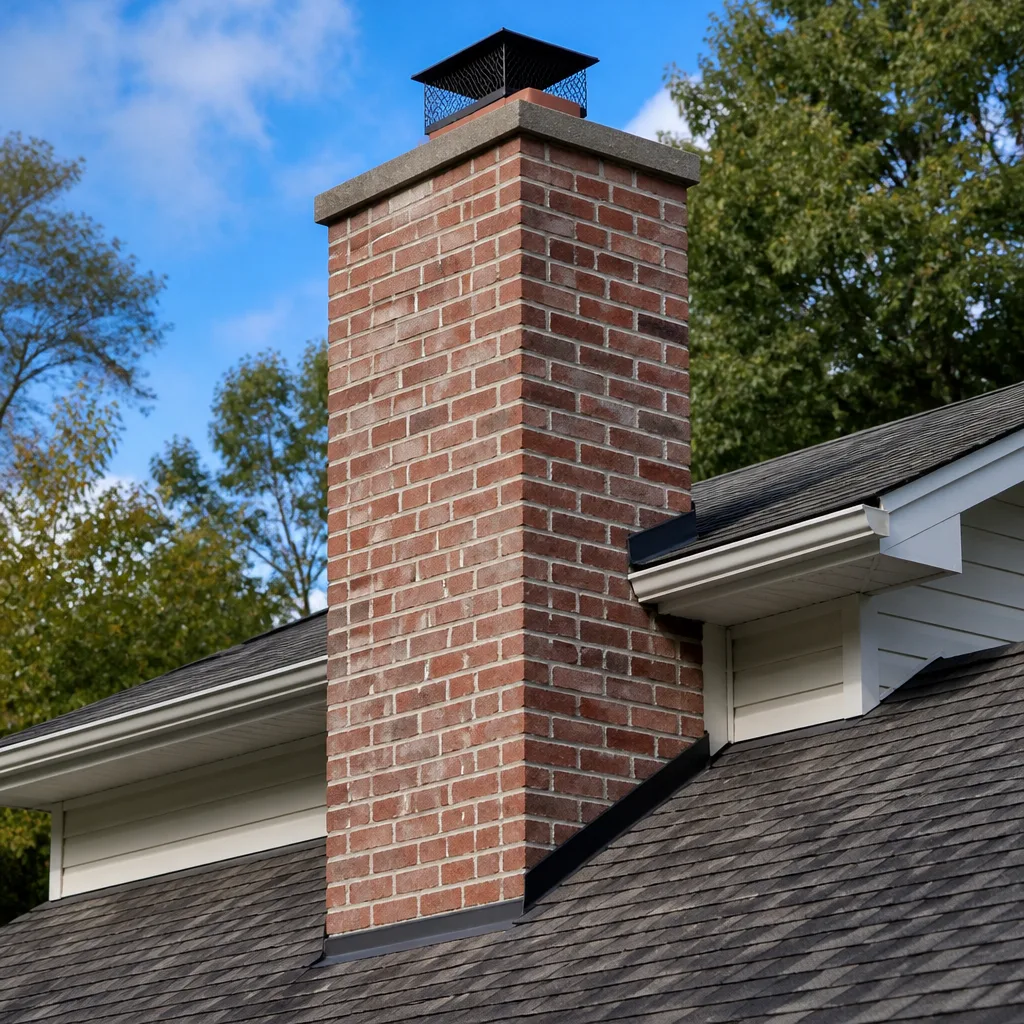 Masonry repair
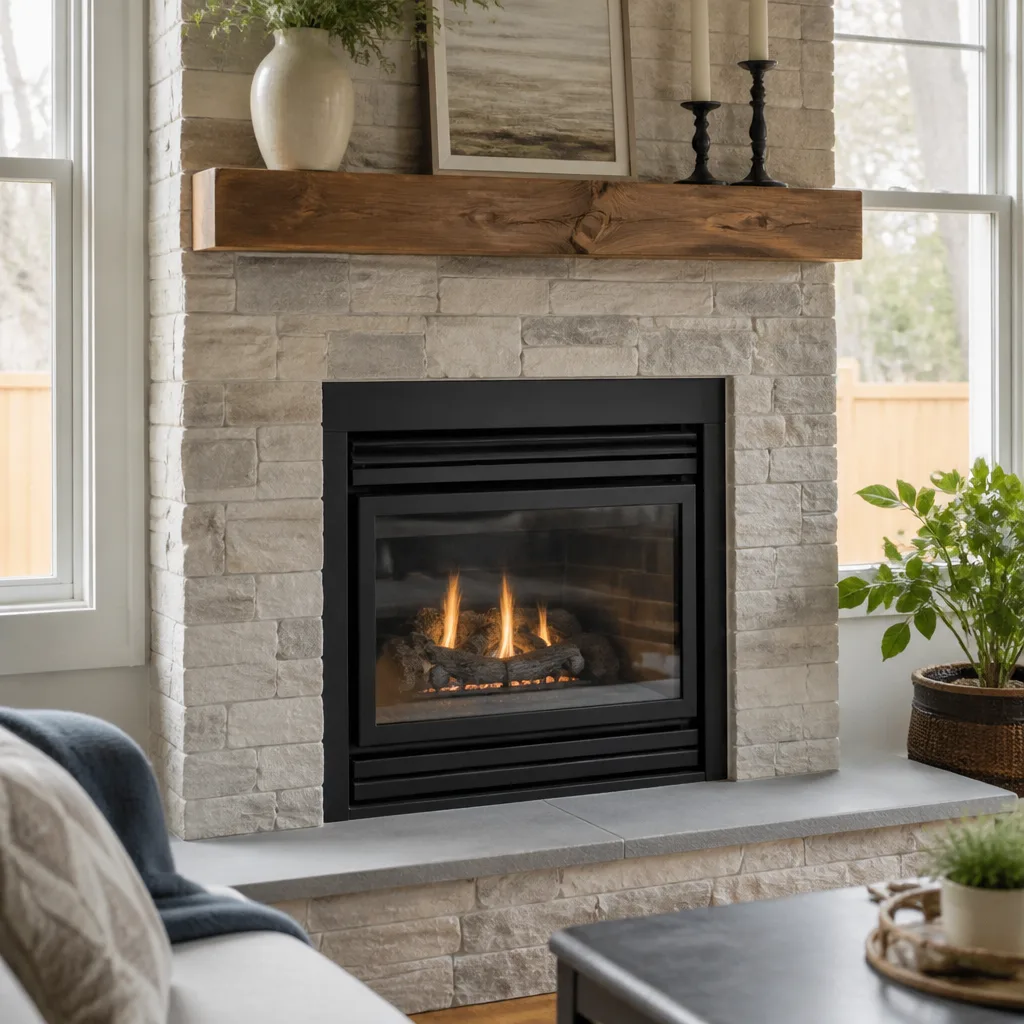 Gas fireplace service
Level 1 sweep and inspection to the NFPA 211 annual standard - flue, crown, cap, and flashing checked and photographed
Chimney sweep logs do not sweep chimneys. They loosen some creosote - which then falls where a brush and vacuum still have to collect it.
Chimney Sweep Maintenance Schedule: What to Do and When
The standard “get your chimney swept once a year” guidance was written for a fireplace used 20 times a season. If you burned 60 cords last winter, or you ran a gas insert every night from October through March, that schedule is already behind. A single annual brush-off is the floor of chimney care, not the ceiling. What actually keeps a flue safe depends on what you burn, how often you burn it, and what Highlands Ranch weather does to the masonry and liner between burns. This guide lays out a month-by-month maintenance calendar built around those realities, so you know what to check, when to schedule it, and which warning signs mean picking up the phone today rather than waiting for autumn.
Quick Answer
Most Highlands Ranch homes should schedule one professional chimney sweep and inspection per year, ideally in September before the first burn of the season. Homes with heavy wood use (three or more fires a week through winter) need a mid-season check in December or January, and every home with a masonry chimney should get a post-season structural assessment in April after freeze-thaw has done its work. Gas inserts need liner and carbon monoxide inspection once a year whether or not you see visible soot, and pellet systems need their venting cleared of compacted ash before spring.
Styles & brands we work with
- Sweep & inspection
- Caps & crowns
- Flue relining
- Masonry repair
- Gas fireplace service
Table of Contents
- Why the Standard Once-a-Year Rule Falls Short in Highlands Ranch
- The Highlands Ranch Seasonal Calendar: Month-by-Month
- Maintenance by Fuel Type: Wood, Gas, and Pellet
- What an Annual Inspection Should Actually Include
- Freeze-Thaw Cycles and What They Do to Masonry
- When to Skip the Calendar and Call Right Away
- The Other Vent That Belongs on Your Schedule
Why the Standard Once-a-Year Rule Falls Short in Highlands Ranch
That once-a-year figure comes from the sweep industry’s old rule of thumb: clean when you’ve accumulated an eighth of an inch of creosote in the flue. For a household running a fire a few evenings a week through the coldest months, one cleaning per season resets the flue before that layer builds. But Highlands Ranch doesn’t behave like a mild-climate suburb. Nights drop well below freezing and daytime temperatures can climb above it for weeks at a stretch, so the outside of your chimney expands and contracts hundreds of times each year. That cycle opens hairline cracks in mortar and around the crown, and those cracks let water in where a Midwest or Southern chimney would stay sealed.
The National Fire Protection Association recommends that chimneys, fireplaces, and vents be inspected annually and cleaned as needed. The “as needed” is the part that varies. A Highlands Ranch household burning two evenings a week through winter is probably fine with one September sweep. A household burning every night, or burning unseasoned wood, or running a wood stove as a primary heat source, can build creosote faster than a September-to-September schedule can catch. That’s the gap a real calendar closes.
We tell customers the same thing at Grafton Chimney Sweep: the schedule is a starting point, not a substitute for looking. Once you know what your burning habits are, you can stretch or tighten the calendar to fit. What you can’t do is treat the chimney like a roof – forget it’s there until something leaks.
The Highlands Ranch Seasonal Calendar: Month-by-Month
Here’s the framework we recommend for a typical Highlands Ranch masonry fireplace or a home with a wood insert. Print it out, tape it inside a cabinet door, adjust for your actual burn rate.
- September – pre-season sweep and inspection. Book this before your first fire of the year. The sweep clears last season’s creosote and the inspection catches anything that shifted or cracked over the summer. A September appointment also lets you schedule any needed repair with time to spare before cold weather, rather than discovering a problem in November when nobody has an open slot. This is the single most important date on the calendar.
- October – first-burn check. Before you light up for the first time, do a visual once-over. Look up the flue from inside with a flashlight. Open the damper fully. Confirm the cap is still on the chimney crown. If the first fire back-puffs smoke into the room, stop and call – a blocked flue or a cracked liner after freeze-thaw can push carbon monoxide into the house.
- December or January – mid-season check for heavy users. If you burn three or more fires a week, get the flue checked again around the holidays. Creosote builds fastest in the coldest weeks, and a mid-season glance catches glazed creosote before it gets hard to remove. Light users can skip this step.
- February – watch for chimney fires you may have missed. Chimney fires don’t always announce themselves with a roar. A “puff” sound from the firebox, a shower of black flakes on the roof, or a sudden draft change can mean a small fire burned in the flue and damaged the liner. If you notice any of that, call for inspection regardless of your calendar.
- March – last burn and burnout. At the tail end of the season, let the fire burn cleanly and don’t damper down for long overnight burns as much as you did in mid-winter. A hot final burn won’t replace a sweep, but it can help loosen soft soot.
- April – post-season structural assessment. After the freeze-thaw season ends, inspect the exterior: crown, mortar joints, flashing, cap. This is the timing that catches water intrusion before spring rains do. If your April inspection shows a cracked crown, you have the whole dry season to fix it. If you wait until September, you’re repairing in the rain.
- May through August – repair window. If anything was found in April, get it done now. Liner resurfacing, crown repair, and flashing work all go more smoothly in dry weather and, frankly, when the trades aren’t slammed with pre-season calls.
Maintenance by Fuel Type: Wood, Gas, and Pellet
The biggest scheduling mistake we see in Highlands Ranch is homeowners applying the wood-burning calendar to a gas or pellet appliance, or the reverse. They’re three different maintenance problems.
Wood-Burning Fireplaces and Inserts
Wood is the fuel that produces creosote, and creosote accumulation is the thing that determines your sweep frequency. Three variables speed it up: unseasoned or green wood, restricted air flow from a damper run too tight, and a flue that’s cooler than the fire (common in exterior chimneys in Highlands Ranch winters). If any of those apply, plan on more frequent cleaning. If none do, one sweep per season is usually enough. The October visual check and the April structural check still matter for the chimney shell regardless of burn rate.
Gas Inserts and Gas Logs
Gas fireplaces don’t produce creosote the way wood does, so a lot of homeowners assume they need no maintenance. They do, just different maintenance. A gas appliance vents combustion byproducts, including carbon monoxide. If the liner has failed, or the venting has come loose at a joint, or the termination cap is blocked by a bird’s nest, that gas has nowhere to go but back into the room. An annual inspection checks the liner and the venting connection, confirms the cap is clear, and verifies that the appliance is burning cleanly. If the liner is failing, we often can restore it with HeatShield resurfacing rather than pulling the whole thing, which is a repair option many sweep-only companies can’t offer.
Pellet Stoves and Pellet Inserts
Pellet appliances burn cleanly but produce a lot of ash, and ash compacts. It can settle into horizontal vent sections and, over a season, restrict the exhaust enough that the appliance stops drafting properly. Pellet venting needs to be cleared of ash on a schedule tied to bag count, not to the calendar, but a pre-season inspection in September plus a post-season vent clearing in April is a sensible frame. If you go through several tons of pellets a winter, have the vent cleared mid-season too.
What an Annual Inspection Should Actually Include
An annual inspection is more than a sweep running a brush up the flue. The cleaning removes what’s built up. The inspection is what tells you whether the chimney is structurally safe to use next season. When we inspect a Highlands Ranch chimney, we check six things:
- The flue and liner. We look for cracks, gaps, missing mortar in the joints, and evidence of previous chimney fires. This is where carbon monoxide risk lives. Camera inspection matters here – a hairline crack in a clay tile liner can be invisible from the firebox but obvious on camera.
- The smoke chamber. The sloped area above the damper that funnels smoke into the flue. If the corbeling is rough or has gaps, it catches creosote and is hard to sweep. We can smooth it with HeatShield, which is one reason we keep the product on hand.
- The damper. Does it open fully? Does it close snugly when the fireplace isn’t in use? A damper stuck open lets conditioned air escape all summer.
- The crown. The concrete cap on top of the masonry that sheds water away from the flue. Cracks here are the single most common cause of water intrusion in Colorado masonry chimneys. We fix crowns.
- The flashing. The metal where the chimney meets the roof. If the flashing is lifting or the sealant has failed, water finds its way to the ceiling drywall fast.
- The cap and spark screen. Does it cover the flue opening, keep animals out, and still let gas escape? A missing cap is one of the easier-to-fix items on the list and one of the more common causes of spring animal blockages.
Every one of those items is a repair we handle in-house, which is why we can inspect and, if something’s found, fix it without sending you looking for a second contractor. That matters when the calendar is tight.
Freeze-Thaw Cycles and What They Do to Masonry
Colorado’s Front Range gets a lot of freeze-thaw action. Every time the temperature drops below 32°F and climbs back above it, water that has worked its way into a mortar joint or a small crack in the crown does what water does when it freezes – it expands. That expansion widens the joint slightly. Over the course of a season, that adds up to visible spalling: flaking brick faces, crumbling mortar, hairline cracks in the crown that become wide ones.
What makes Highlands Ranch masonry different from masonry in a milder climate is the frequency. The cycle repeats dozens of times each winter, not a handful. A chimney in Atlanta might see a dozen freeze-thaw cycles in a bad year. A chimney here sees far more, and that’s why our calendar treats the April structural assessment as non-optional. A crown that looks fine in October, before the freeze-thaw season has run its course, can show new cracking by March.
Catching it in April means the repair happens in May or June, when the weather is dry and the work will cure properly. Catching it in September means you’re racing the first snow. And catching it after the water has already found the interior framing, several seasons down the road, means repair costs that dwarf what a crown patch would have been. We’re not telling you this to sell crown repairs. We’re telling you because a crown patch in May is a small job and water damage to framing is not.
If you live in a Highlands Ranch home whose chimney faces west or north, add another line to the calendar: after any late-spring or early-fall hail storm, glance up at the crown and cap. Hail pocks the crown surface, and pocked surfaces hold water.
When to Skip the Calendar and Call Right Away
The calendar assumes everything is normal. When one of the following shows up, normal is over and you should call for inspection regardless of where you are in the schedule.
- Strong draft down the chimney when the fireplace is off. This can indicate a blocked flue or a neighbor’s chimney drafting into your flue through a shared stack. Either is a carbon monoxide risk.
- Visible soot or creosote flakes on the roof or in the firebox that weren’t there before. That’s a sign the flue has been disturbed, either by a small chimney fire or by a structural crack.
- Smoke rolling into the room when the fireplace is burning. Some occasional smoke at first light is normal. Smoke on every burn is not. Stop using the fireplace until it’s checked.
- A chemical or asphalt smell from a gas insert. Combustion byproducts aren’t reaching the outside air. Turn the appliance off and call.
- Water staining on the ceiling or wall near the chimney. The flashing or crown has failed. This can wait a few days, but not a season.
- A “whoosh” or “puff” sound during a burn, or a sudden drop in draft. These can be the sounds of a small chimney fire. Inspect before burning again.
- Birds or animals in the firebox or on top of the cap. Wait until the animal has left, then call. Don’t burn with an obstructed flue.
None of these require waiting for the annual appointment. We can get to most of them fast; a Highlands Ranch chimney problem that involves draft or CO risk is not something we’d ask a homeowner to sit on.
The Other Vent That Belongs on Your Schedule
Fires that start in the chimney get the headlines, but a clogged dryer vent is one of the more common causes of residential house fires, and it belongs on the same maintenance calendar. The warning signs are easy to miss: clothes that take two cycles to dry, a dryer that feels hot to the touch on the outside, a vent flap outside that doesn’t open freely when the dryer runs. Lint accumulates faster than most homeowners expect, and the run from the dryer to the outside wall in a typical Highlands Ranch home can include elbows that trap it.
We schedule dryer vent cleaning alongside chimney service because the logic is the same – one vent system cleaning per year, timed for the pre-season, before the household is running hard. If you haven’t had yours done, add it to the September slot on the calendar. It’s a 30-minute job in most homes and one of the simplest fire-safety steps you can take.
Common Mistakes to Avoid
- Treating September as optional because “we hardly burned last year.” Even a light-use season leaves soot in the flue, and the September inspection is as much about checking the structure as the soot. Skipping it in a light year is how a small crown crack becomes water damage.
- Burning green or unseasoned wood to save money. Green wood produces far more creosote per cord than seasoned wood, which means your sweep is overdue by the time you notice. Season your wood for at least a year before burning; it’s cheaper than an additional sweep.
- Assuming a gas insert needs no maintenance. Gas appliances vent carbon monoxide, and a failed liner or loose vent joint is a serious risk. A gas insert needs an annual inspection even if the firebox looks spotless.
- Ignoring the exterior of the chimney. The April structural check on crown, mortar, and flashing is what catches Highlands Ranch freeze-thaw damage while it’s still a small repair. A homeowner who only has the flue swept is missing half the maintenance.
- Waiting for the once-a-year sweep when the fireplace is smoking. Smoke rolling into the room, or a sudden draft change, is a same-day call. Don’t burn through it and hope it settles.
- Paying for a sweep that doesn’t include inspection or a camera check. If a sweep will brush the flue and leave without looking at the liner, you can’t know whether the chimney is actually safe. Ask what the inspection covers before booking.
- Forgetting the dryer vent. Lint fires are preventable and the vent check takes less time than the chimney sweep. Put both on the same September day.
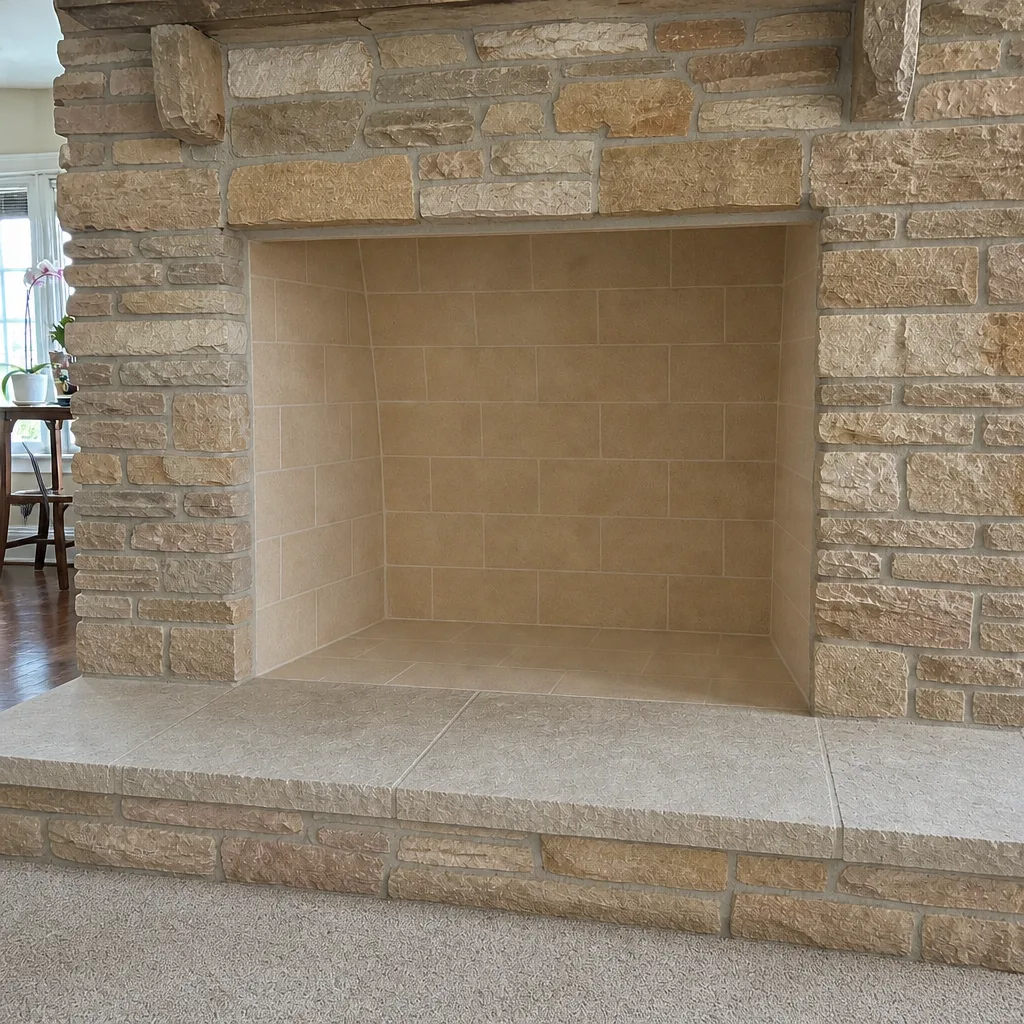
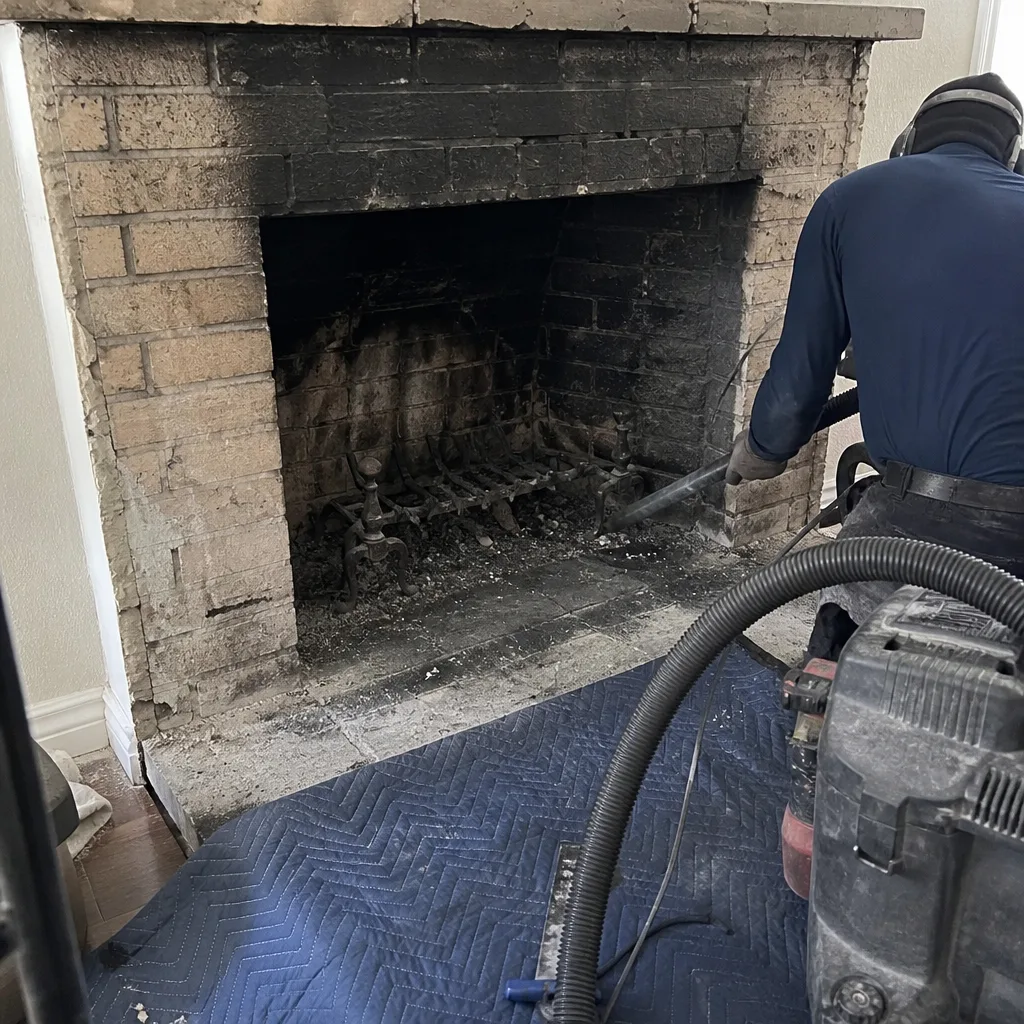
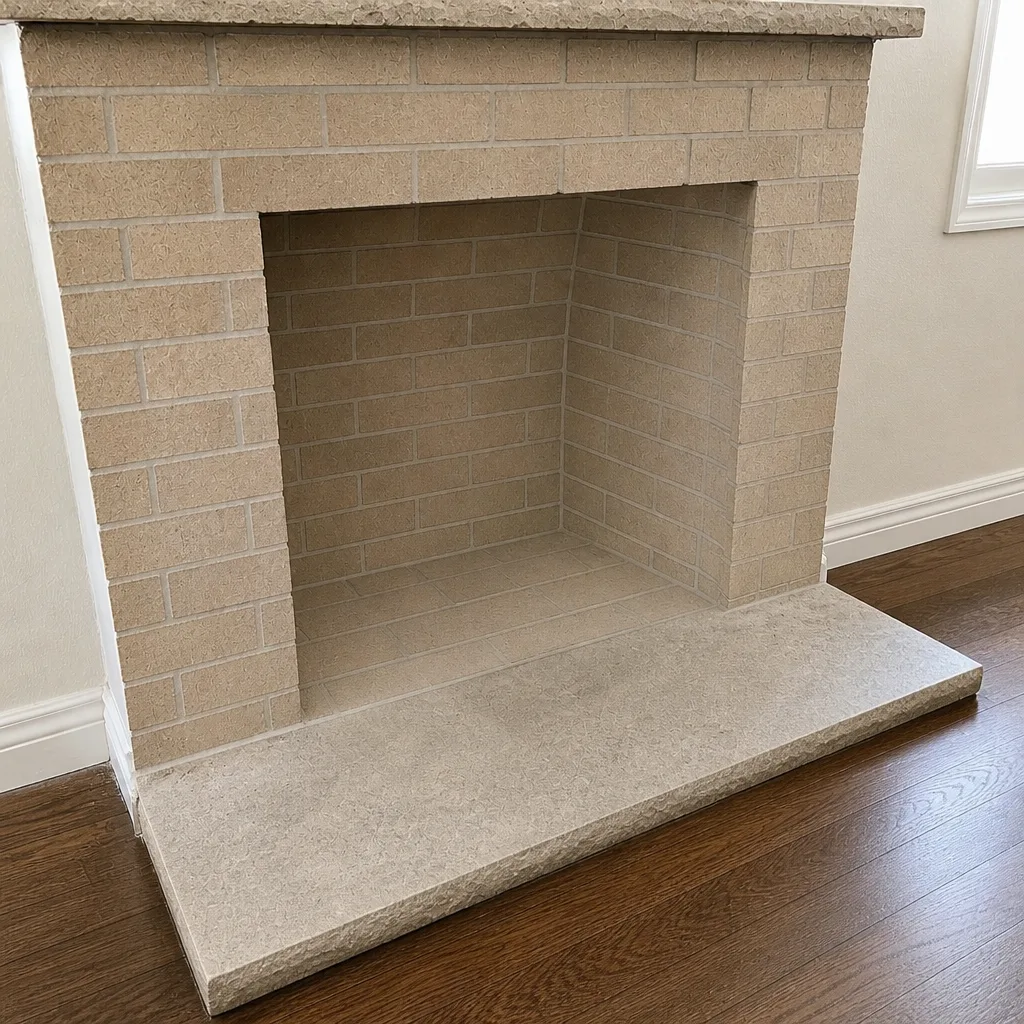
See the difference
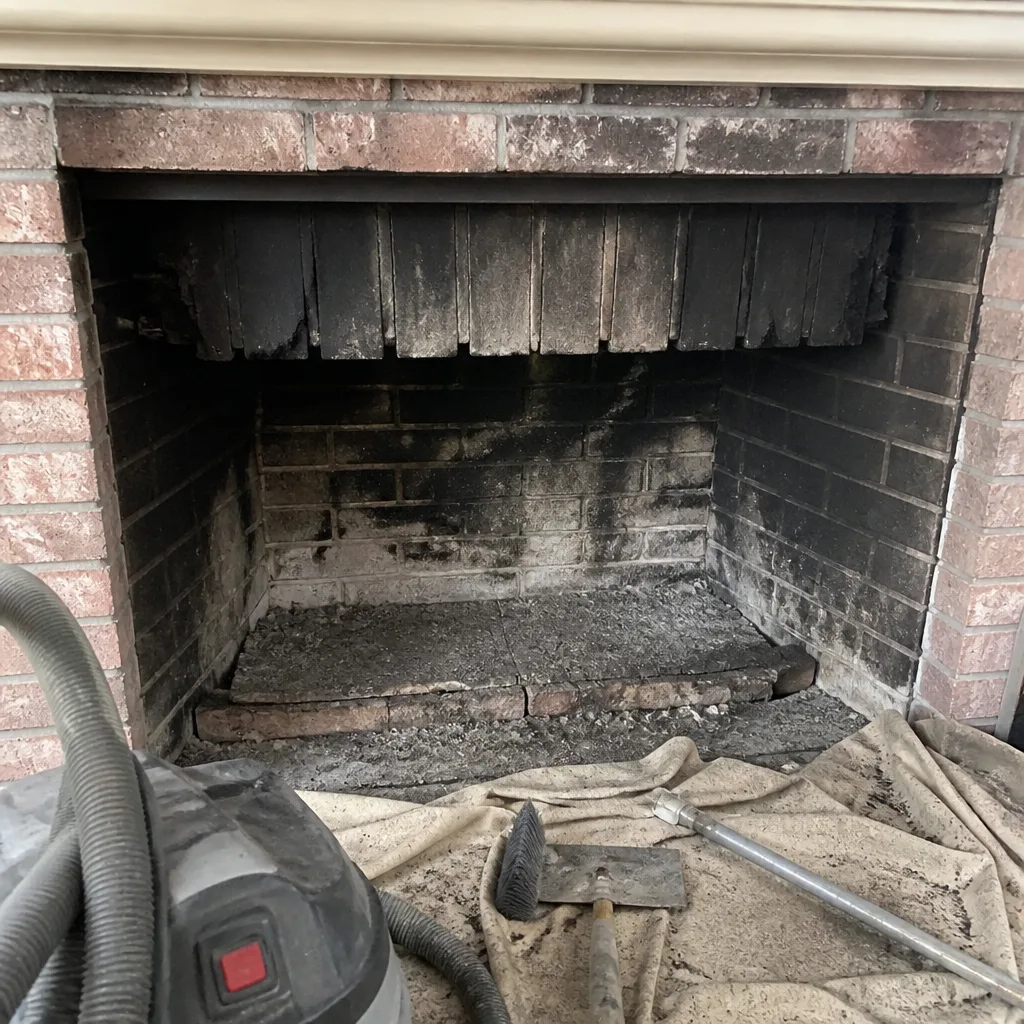 Before
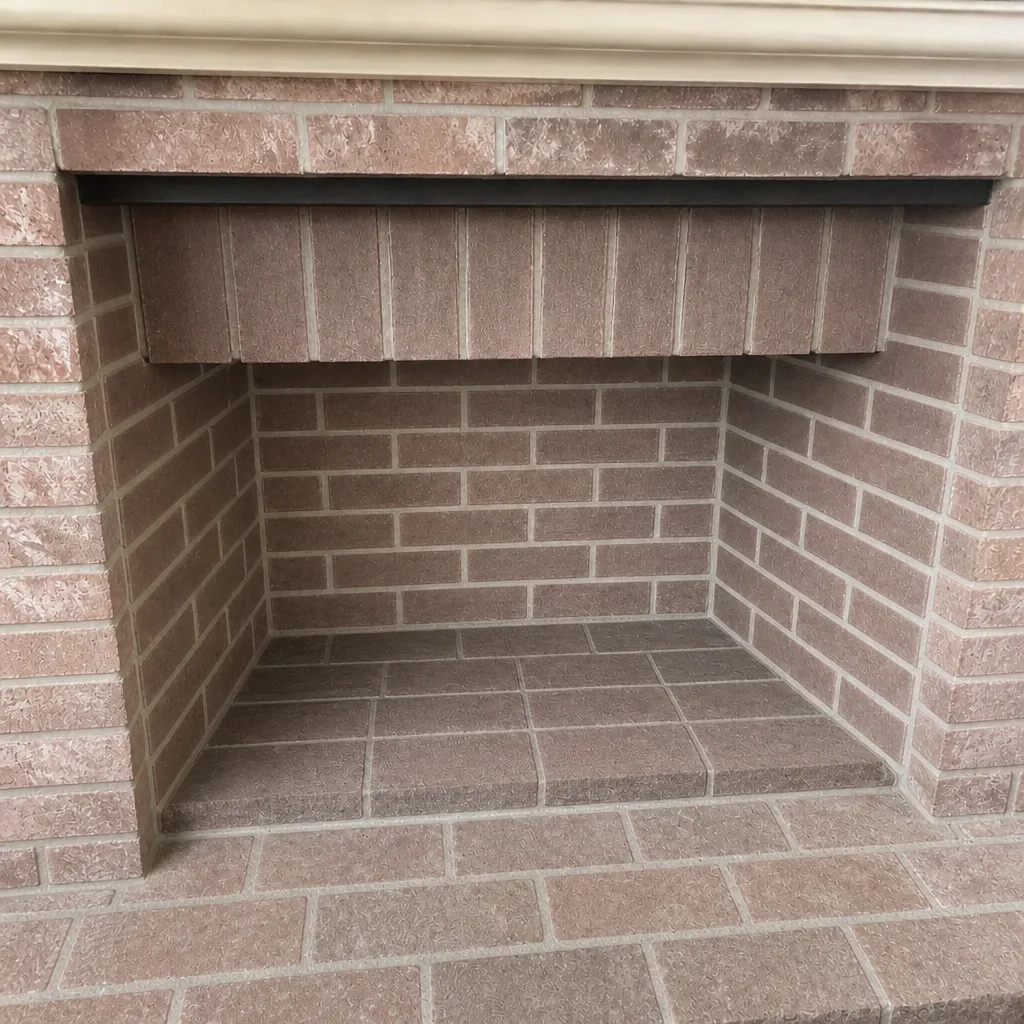 After
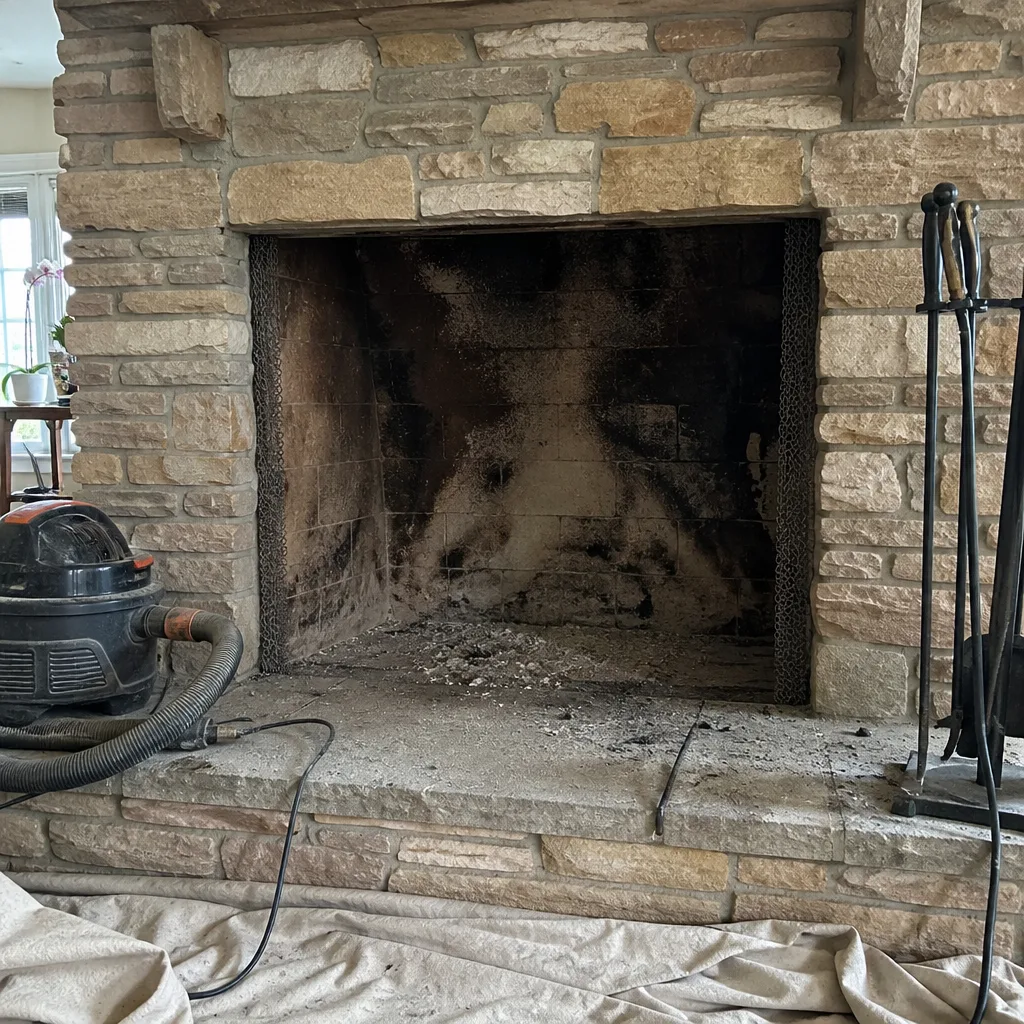 Before
 After
 Before
 After
When to Call a Professional
Call a professional for any of the following: the annual pre-season sweep and inspection in September, the mid-season check in December or January if you’re a heavy burner, the post-season structural assessment in April, and anything on the “red flags” list above, immediately. Call us before you burn if the flue hasn’t been cleaned in a year or more, if you’ve noticed a draft change, if you’re seeing water stains near the chimney, or if the fireplace has developed a smoke problem. Call before lighting the first fire of the season, even if you’re not sure you need a sweep – the inspection is what tells you. Grafton Chimney Sweep offers free estimates in Highlands Ranch – call (833) 749-6226. We answer 24/7. Fast dispatch from 7am to 7pm, Sunday through Friday.
Frequently Asked Questions
Once a year for most homes, ideally in September before the heating season. If you burn three or more fires a week through winter, add a mid-season check in December or January. Gas inserts need an annual inspection, and pellet systems need venting cleared of ash based on use, not just the calendar.
A sweep removes creosote and soot from the flue. An inspection checks the flue, liner, smoke chamber, damper, crown, flashing, and cap for structural problems. You need both, and a good sweep always includes an inspection. If someone offers to brush the flue without looking at the liner or crown, call someone else.
Yes. Gas appliances don’t produce creosote the way wood does, but they vent carbon monoxide, and a failed liner or a vent joint that’s come loose can push that gas into the room. An annual inspection is the only way to know the venting is intact. If the liner is failing, resurfacing with HeatShield can often restore it without a full replacement.
Colorado’s Front Range sees a lot of freeze-thaw action, which expands water trapped in mortar joints and crown cracks over and over through winter. That makes the April structural check – crown, mortar, flashing – as important as the autumn sweep. Catching damage in April means repairing it before the next winter, not racing the first snow.
Smoke rolling into the room on every burn, a strong draft down the chimney when the fireplace is off, soot or creosote flakes on the roof, a chemical smell from a gas insert, water staining near the chimney, or a “whoosh” sound during a burn. Any of those means call before your next fire, not at the annual appointment.
Yes. Dryer vent lint is one of the more common causes of home fires, and it accumulates at a similar pace to chimney soot in a busy household. Scheduling both together in September keeps the whole home ventilation system on one annual cycle. We handle chimney sweep and dryer vent cleaning on the same visit when homeowners ask, which makes the whole thing a single appointment. Call (833) 749-6226 for an exact quote – estimates are free.
The Bottom Line
The annual sweep is the floor, not the whole plan. Build a schedule around your actual fuel and burn rate: September pre-season sweep and inspection, a mid-season check in December or January if you’re a heavy wood burner, April post-season structural assessment to catch freeze-thaw damage on crown and mortar, and a repair window from May through August. Factor in the dryer vent on the same annual cycle. Use the red-flag list to know when the calendar gets paused for a same-day call. And when something needs repair – a resurfaced liner, a new flexible liner, a rebuilt crown – we do the work ourselves with professional-grade materials, so a found problem and a fixed problem are the same appointment. Our technicians have up to 15 years of experience with the materials and the climate that make Highlands Ranch chimneys behave the way they do.
Call (833) 749-6226 for a free estimate. We answer 24/7. Fast dispatch from 7am to 7pm, Sunday through Friday.
Written by the team at Grafton Chimney Sweep.