
Last updated November 15, 2026
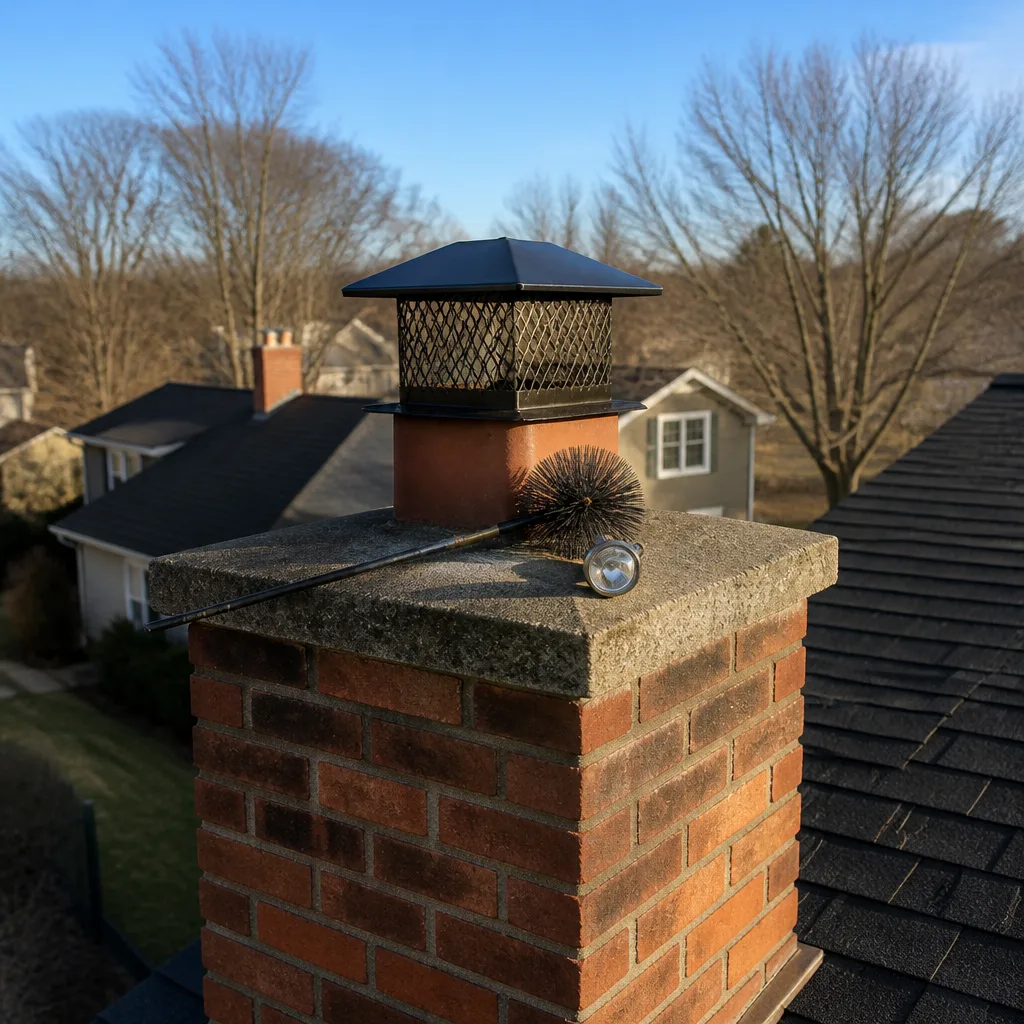 Sweep & inspection
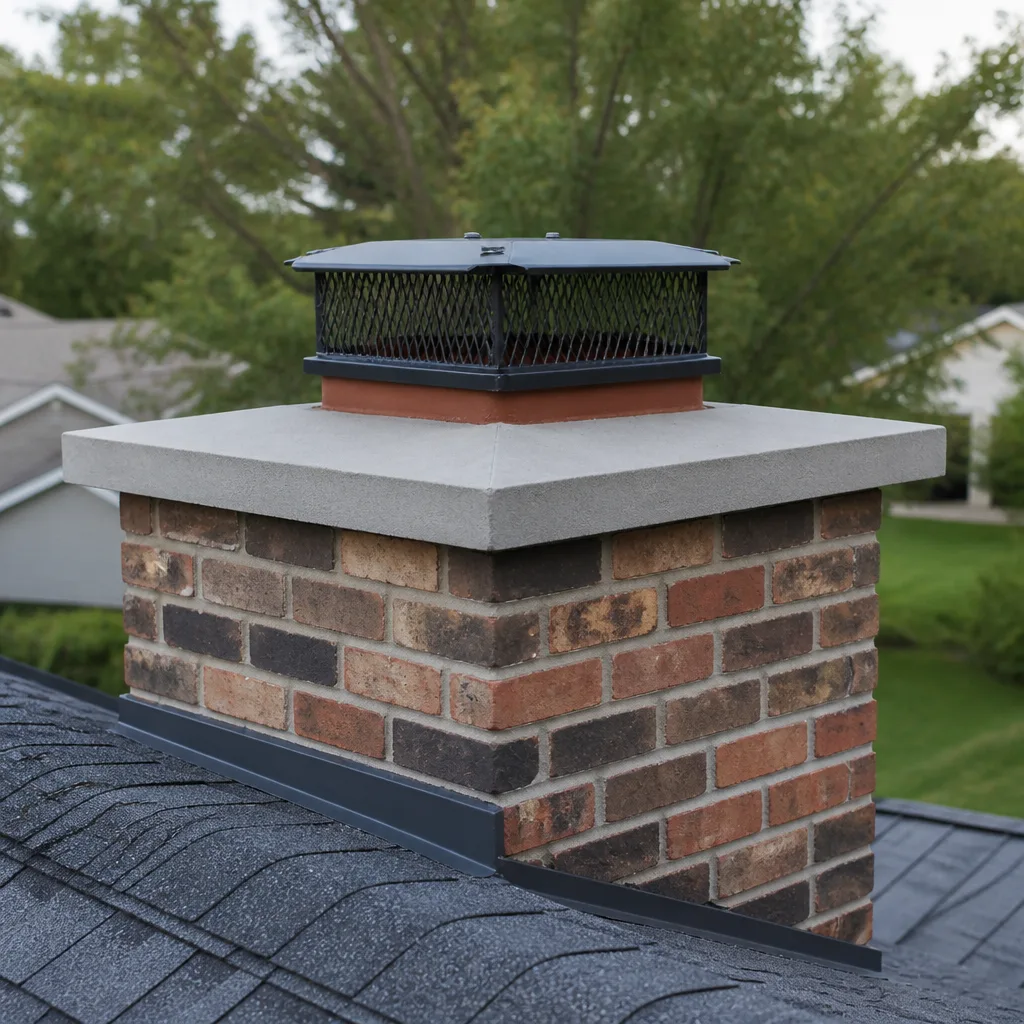 Caps & crowns
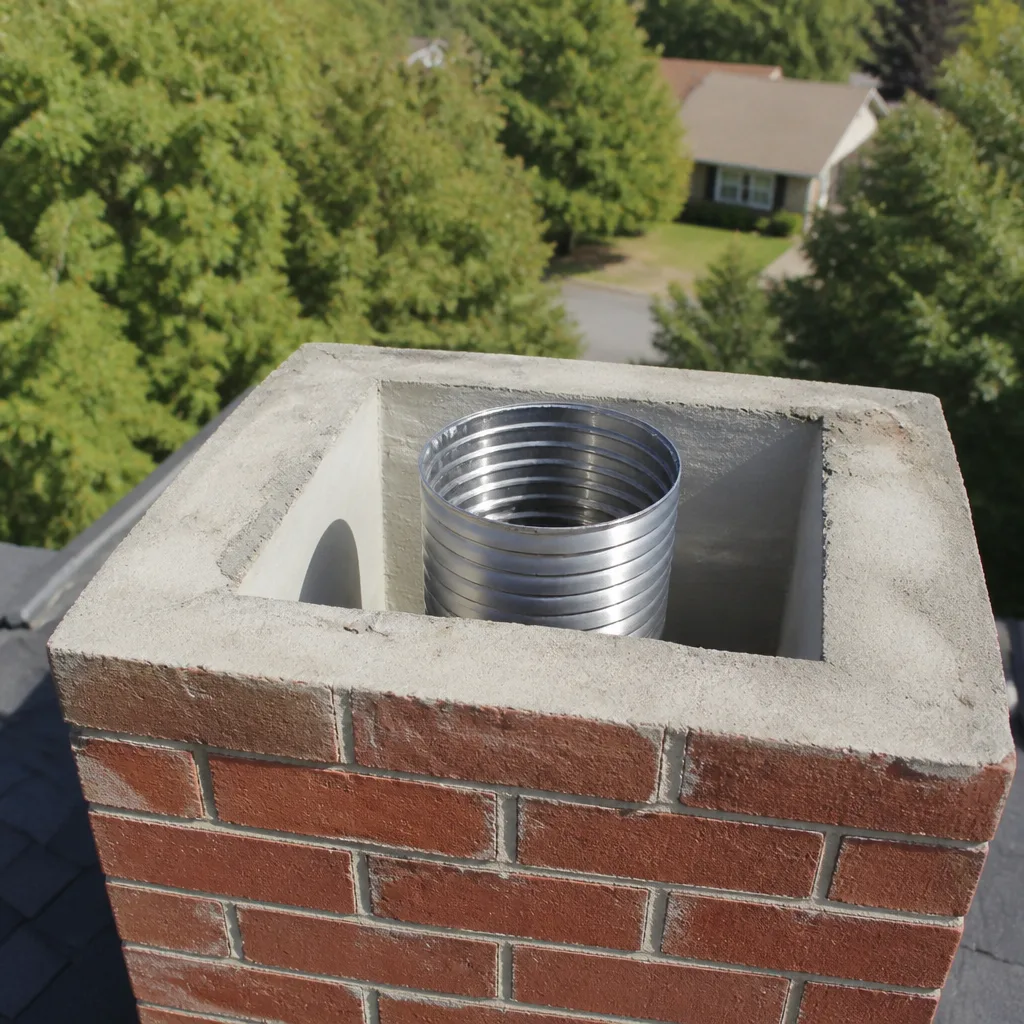 Flue relining
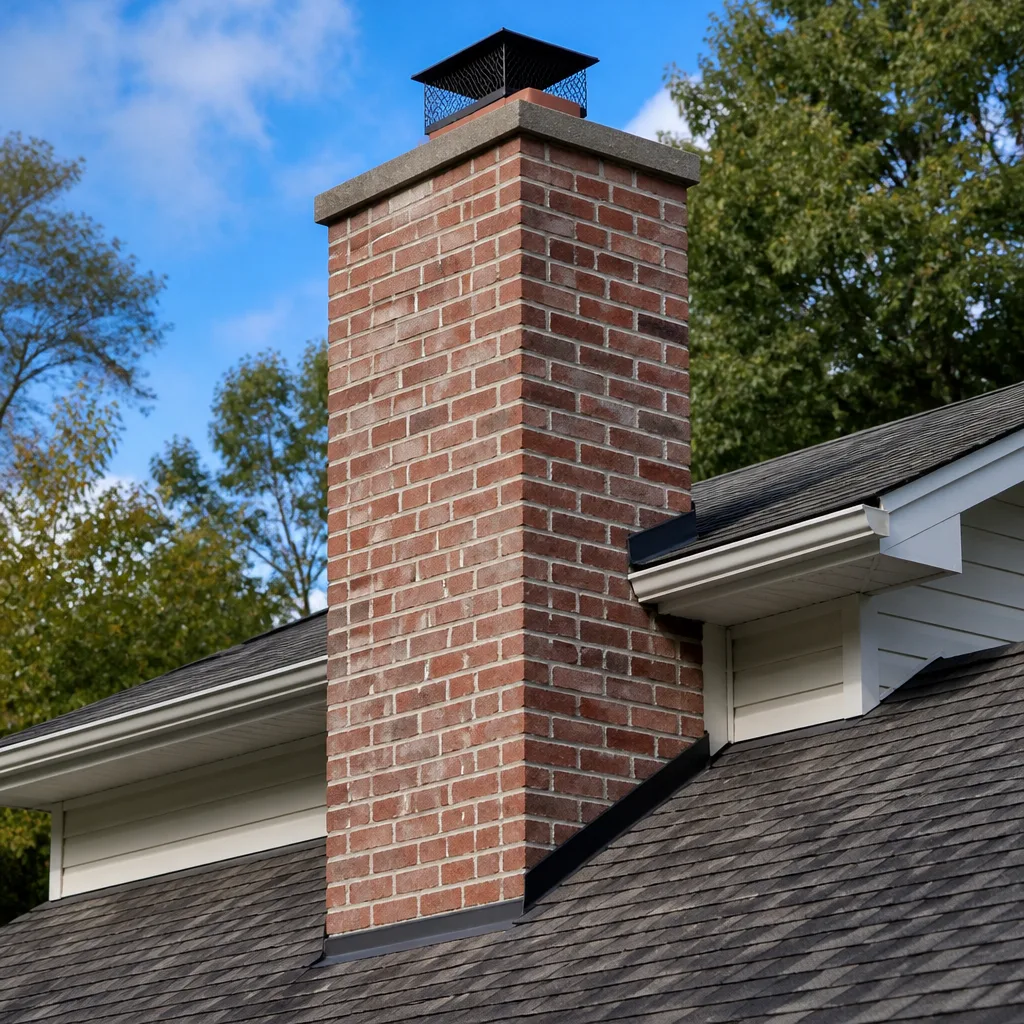 Masonry repair
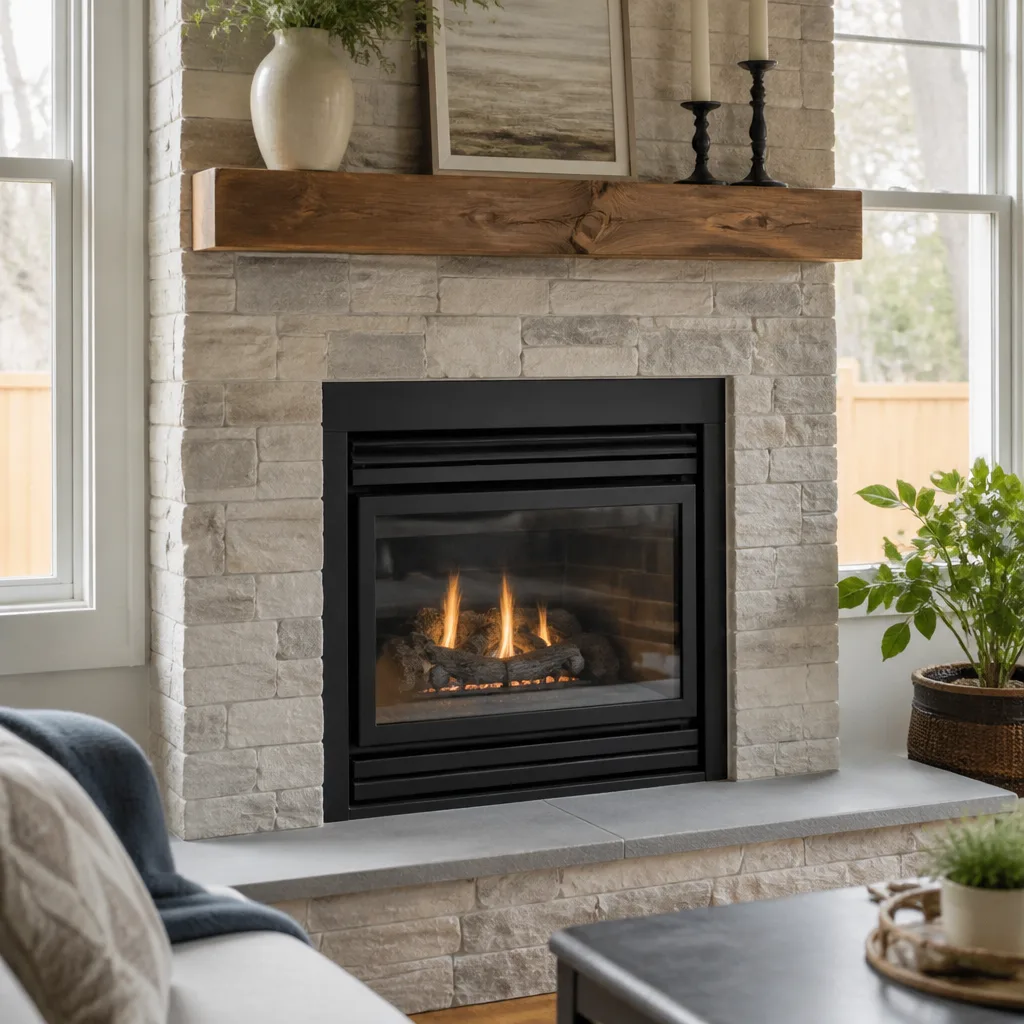 Gas fireplace service
Level 1 sweep and inspection to the NFPA 211 annual standard - flue, crown, cap, and flashing checked and photographed
Chimney sweep logs do not sweep chimneys. They loosen some creosote - which then falls where a brush and vacuum still have to collect it.
Chimney Sweep Troubleshooting in Highlands Ranch: Common Problems and How to Fix Them
Smoke curling into your living room doesn’t always mean your flue is dirty. In Highlands Ranch, some of the most common chimney complaints we hear trace back to something else entirely: the way these homes are built. Tight, energy-efficient construction holds conditioned air inside, and that changes how a chimney breathes. Chase the wrong cause and you’ll pay for a cleaning that doesn’t solve the problem, while the real hazard stays exactly where it was. This guide maps symptoms to causes. We’ll walk through backdraft, odor without smoke, slow draw, altitude effects, gas versus wood venting, and which fixes you can handle yourself versus which need a professional on the roof.
Quick Answer
Most chimney problems in Highlands Ranch fall into three symptom clusters: smoke backing into the room (usually a draft or pressure problem, not just a dirty flue), odor with no visible smoke (often creosote, moisture, or a blocked cap), and a slow-drawing fire (frequently altitude, blockage, or an undersized or damaged flue). A professional inspection that also repairs on the spot – rather than handing you a checklist and leaving – is the fastest way to identify which cluster you’re in and fix it before your next fire.
Styles & brands we work with
- Sweep & inspection
- Caps & crowns
- Flue relining
- Masonry repair
- Gas fireplace service
Table of Contents
- The Three Symptom Clusters: What Each One Really Means
- Smoke Coming Into the House: Backdraft and Pressure Problems
- Why Highlands Ranch’s Altitude Changes Everything
- Odor Without Smoke: What Your Chimney Is Telling You
- Gas Fireplace Venting vs. Wood-Burning Flues
- What You Can Safely Check Yourself (and What You Can’t)
- Why Diagnose-and-Fix in One Visit Matters
- Don’t Forget the Dryer Vent
The Three Symptom Clusters: What Each One Really Means
Chimney trouble shows up in three broad families, and each one points to a different part of the system. Knowing which cluster you’re dealing with narrows the diagnosis before anyone climbs on the roof.
Cluster 1: Smoke intrusion. Smoke enters the room during lighting, during the burn, or when another appliance kicks on. This is a draft or pressure issue. Possible causes include a cold flue, a blocked or undersized flue, negative pressure from exhaust fans or a tightly sealed house, or a cap that’s obstructed. If smoke appears only when you first light the fire, a cold-flue draft problem is likely. If it happens throughout the burn, suspect blockage or pressure.
Cluster 2: Odor without smoke. You smell something – smoky, acrid, or musty – but no fire is burning. Creosote buildup, moisture in the flue, a blocked cap, or animal debris are common causes. A gas fireplace with a draft problem can also push exhaust odor back into the room.
Cluster 3: Slow or weak draw. The fire struggles, smokes at the top of the firebox, or refuses to get going. Here the flue isn’t moving enough air. Altitude, blockage, a flue that’s too small for the opening, or a damaged liner are the usual suspects.
Airflow restriction is one of the leading drivers behind chimney fires, which is why the National Fire Protection Association recommends annual chimney inspections and regular sweeping. In Highlands Ranch, the balance between these three clusters skews heavily toward draft and pressure issues because of how tightly the housing stock is built. Call (833) 749-6226 if you recognize your problem in one of these clusters – we answer 24/7, with fast dispatch from 7am to 7pm, Sunday through Friday.
Smoke Coming Into the House: Backdraft and Pressure Problems
Backdraft is the single complaint homeowners misdiagnose most often. Smoke rolling into the living room feels like a dirty-chimney problem. Frequently it isn’t. Backdraft means the chimney is pulling air in through its top instead of up and out, and there are several reasons that happens in a Highlands Ranch home.
Start with these possible causes:
- Negative pressure in the house. Bathroom fans, kitchen exhaust hoods, and clothes dryers all pull air out of a home. In a tightly sealed new build, that escaping air has to come from somewhere – often down the chimney.
- A cold flue. A flue that’s the same temperature as the outdoor air fights to start drafting. This is why the first few minutes of a fire are the smokiest.
- A blocked or undersized flue. Debris in the flue, a collapsed liner section, or a flue that’s too small for the fireplace opening restricts flow.
- Cap or screen obstruction. Bird nests, leaves, or a warped screen at the cap choke the outlet.
- Stack effect reversal. When indoor and outdoor temperatures are close, the house loses its natural upward push and the chimney stops drawing.
Here’s the sequence we recommend before you assume you need expensive repair:
- Crack a nearby window slightly and light the fire. If smoke stops, the problem is house pressure, not the chimney itself.
- Turn off exhaust fans and the dryer while you burn, then re-test over a couple of fires.
- Check that your damper is fully open and that the throat isn’t blocked with ash or debris.
- Have the flue inspected to confirm there isn’t a hidden blockage or liner failure upstream of the firebox.
If opening a window fixes the smoke, you’ve learned something important – but the underlying pressure imbalance still needs proper attention. It usually points to a combustion air or draft solution that a technician can set right. You can learn more about what our chimney sweep visit covers before you book.
Why Highlands Ranch’s Altitude Changes Everything
Highlands Ranch sits around 5,800 feet above sea level, and that changes chimney physics in ways that sea-level troubleshooting guides completely miss. Air is thinner up here. There’s less oxygen per cubic foot to feed a fire, and less mass in the air column for a chimney to move. Draft – the pressure difference that pulls smoke up and out – depends partly on the density of air inside the house versus outside. Thin the air and that force shrinks.
What that means for a Highlands Ranch chimney:
- A fire needs more air up here to burn as hot as it would at sea level. Warmer flue gases draft better, but a fire starved of air burns cooler and struggles to start the draft in the first place.
- Standard flue-sizing charts are calibrated for lower elevations. A flue that “should” be adequate at sea level can be marginal at 5,800 feet.
- Weak draw and smoky starts are more common up here, not because something’s broken, but because the physics is asking more of the chimney.
- Cold, dry Front Range winters can add cracking stress to masonry and mortar joints as freeze-thaw cycles work on any moisture trapped in the structure.
This is why advice you find online – “just open a window and crack the damper,” “it’s probably your wood” – only takes you so far in Highlands Ranch. The right diagnosis starts with recognizing that altitude is one of the variables, not a footnote. If your fire has always felt like it fought the chimney, the flue may simply be undersized or damaged for this climate. Our technicians have up to 15 years of experience working Front Range chimneys and know exactly what to look for.
Odor Without Smoke: What Your Chimney Is Telling You
A chimney that smells without smoke is a chimney with something in it that shouldn’t be there. The smell is the symptom; the cause is almost always one of the following:
- Creosote buildup. Creosote is a byproduct of incomplete combustion, and it smells acrid and smoky. In high-altitude Highlands Ranch, cooler or under-fed fires produce more creosote, so it accumulates faster than you’d expect.
- Moisture. A leaking cap, cracked crown, or failed flashing lets water into the flue. Wet creosote and mortar smell musty and sour.
- Blocked cap or screen. Nests, leaves, dead insects, and debris decay in the flue and give off odor.
- Gas fireplace backdraft. A gas log set that isn’t venting properly can push combustion byproducts and odor back into the room.
An odor complaint deserves a closer look than a rag and a can of air freshener. If you smell something sour or chemical coming from a gas fireplace, treat it as a priority and stop using the appliance until it’s been inspected. Carbon monoxide is odorless, but a combustion problem that produces smell is often the same problem producing CO.
A proper cleaning is often the fix. In many cases, a sweep plus a cap or crown repair eliminates the smell entirely. Creosote buildup is also the fuel for the most destructive chimney fires, so odor isn’t a minor annoyance – it’s a signal worth acting on. For a broader look at what regular maintenance catches, see our Grafton Chimney Sweep service overview.
Gas Fireplace Venting vs. Wood-Burning Flues
Gas and wood fireplaces fail in different places, which is why homeowners who’ve lived with wood and switch to gas often misread new symptoms. Here’s how the two venting systems differ, and what to watch on each.
Gas fireplace venting
- Gas fireplaces come as direct-vent (a sealed two-pipe system) or natural-draft (a B-vent or open flue). Direct-vent systems pull combustion air from outside, so pressure problems inside the house affect them less.
- Natural-draft gas systems are more vulnerable to backdraft from exhaust fans and tight-house pressure.
- “Cold hearth” complaints – odor when the fireplace is off – often trace to a blocked or damaged cap, or to a draft issue pulling cold air down the vent.
- A damaged vent or blocked termination can trap combustion byproducts. If you smell anything unusual near a gas fireplace, have it inspected before relighting.
Wood-burning flues
- Wood fireplaces draw room air, so house pressure directly affects their draft.
- Creosote buildup is a wood-burning problem specifically – gas produces no creosote.
- Wood-burning flues need a properly sized, unobstructed liner so gases can rise cleanly. A damaged or warped liner is a common cause of slow draw and smoke.
- Masonry fireboxes can develop cracks and spalling with freeze-thaw cycling. Repairs here shouldn’t wait, since cracks can let heat reach framing.
When a flue is damaged, we don’t just report it and walk away. We can restore many liners with HeatShield resurfacing, or re-line with a DuraFlex flexible stainless system when resurfacing won’t hold. Both are professional-grade materials, and both keep the repair in a single engagement instead of sending you to a second company.
What You Can Safely Check Yourself (and What You Can’t)
Some troubleshooting you can handle without a ladder. Some of it can put you in a genuinely dangerous spot, and it’s worth knowing the difference before you decide to climb up there.
Safe to do yourself
- Open the damper fully before every fire, and confirm it moves freely.
- Clear ash and debris from the firebox floor and the throat of the fireplace.
- Close windows and check that bathroom and kitchen exhaust fans are off while you burn, then re-observe.
- Look up at the cap from the ground with binoculars to spot obvious nesting or a missing cap.
- Keep a chimney brush on hand for the flue? For most homeowners, no – that’s a professional job, and we’d rather you didn’t risk it.
Call a professional instead
- Crumbling or missing debris at the cap. Nests and obstructions inside the flue aren’t something to fish out with a pole from the roof.
- Working on a stepladder near the roof edge or on a steep pitch. Falls are the injury you don’t want.
- Climbing into the flue or firebox to check for cracks. Only a trained technician belongs in the flue.
- Any hint of backdraft or carbon monoxide. Stop burning and get an inspection.
If you can’t confidently tell whether the flue is clear, or if the fire has ever smoked continuously, that’s your cue to book an inspection. Chimney work is a rooftop and enclosed-space job. The right tools and training matter, and so does knowing when to stop.
Why Diagnose-and-Fix in One Visit Matters
A chimney inspection that ends with a problem list and a shrug isn’t much help. It leaves you holding three questions you can’t answer: Is the problem really this bad? Do I need the whole liner, or just a repair? And who do I call who can actually do the work without another round of inspections?
That’s why we do diagnose and repair in the same visit. When a sweep turns up a liner issue, we can often resolve it the same day – resurfacing with HeatShield or re-lining with DuraFlex flexible stainless. We install Gelco and Olympia Chimney components too, so you’re not handed a report and referred elsewhere.
Here’s how a full-service visit typically goes:
- Clean. A proper sweep removes creosote and soot so the flue can actually be inspected.
- Inspect. We check the firebox, damper, flue, cap, crown, and flashing – up top and down below.
- Repair. Where we find damage, we fix it with professional-grade materials rather than handing you a list and a second appointment.
- Explain. We walk through what we found and what we did, so you can see the fix for yourself.
What if you’re dealing with a company that only documents problems and refers you out? Ask directly whether they do liner work themselves or subcontract it. A sweep-only provider has no reason to say “this can wait” – a full-service one does, because we repair what we find, and only what it needs. If you live in Highlands Ranch, you can book a visit that covers diagnosis and repair together.
Don’t Forget the Dryer Vent
The chimney gets all the attention, but the dryer vent runs the same risk in a different form. Lint buildup in a clogged dryer vent is a leading cause of residential house fires, and it’s easy to skip because it doesn’t smell like smoke or look like a chimney.
Signs your dryer vent needs attention:
- Clothes take much longer to dry, or feel unusually hot at the end of a cycle.
- The exterior vent flap doesn’t open strongly, or doesn’t open at all.
- Lint accumulates around the dryer or behind it faster than usual.
- You smell something slightly scorched after a cycle.
We clean dryer vents as part of our fire-safety work alongside chimney sweeping, and it’s the kind of appointment worth bundling with your annual sweep. If you can’t remember the last time either one was done, that’s the answer. Our dryer vent cleaning covers the full run of the vent, not just the surface.
Common Mistakes to Avoid
- Assuming smoke means a dirty flue. In Highlands Ranch’s tight, efficient homes, backdraft and negative pressure are just as likely as creosote. Test the pressure first or you’ll pay for an unnecessary cleaning.
- Using sea-level troubleshooting. “Just open a window” works only if you understand why it worked. At 5,800 feet, flue sizing and air requirements are different, so a marginal flue may need an actual fix rather than a crack of the window.
- Burning unseasoned or wet wood. It burns cool, produces more creosote, and aggravates the draft issues that cause smoke. Dry, seasoned wood makes the whole chimney perform better.
- Skipping the annual inspection. The NFPA recommends a yearly inspection, and in Front Range freeze-thaw conditions, cracks and mortar damage develop between visits. A once-a-year check catches them before they’re expensive.
- Relighting a gas fireplace that smells wrong. Stop and get it inspected. An odor from a gas appliance is a combustion-venting issue, not an odor control problem.
- Accepting a problem list without a fix. If a company won’t repair what they find, you’re left guessing whether the work is even necessary. Ask for the fix in the same visit.
- Overlooking the dryer vent. It’s part of home fire safety, and in a busy Highlands Ranch household it clogs faster than the chimney does.
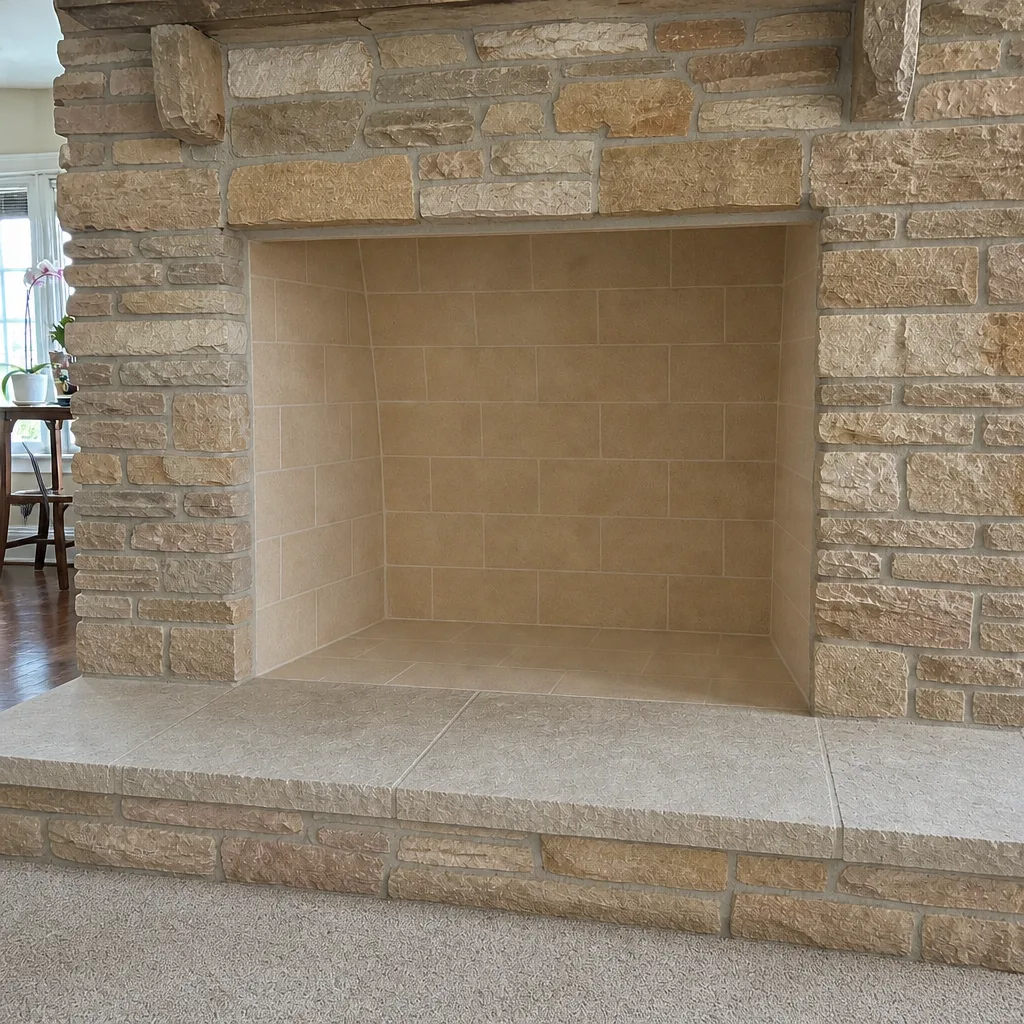
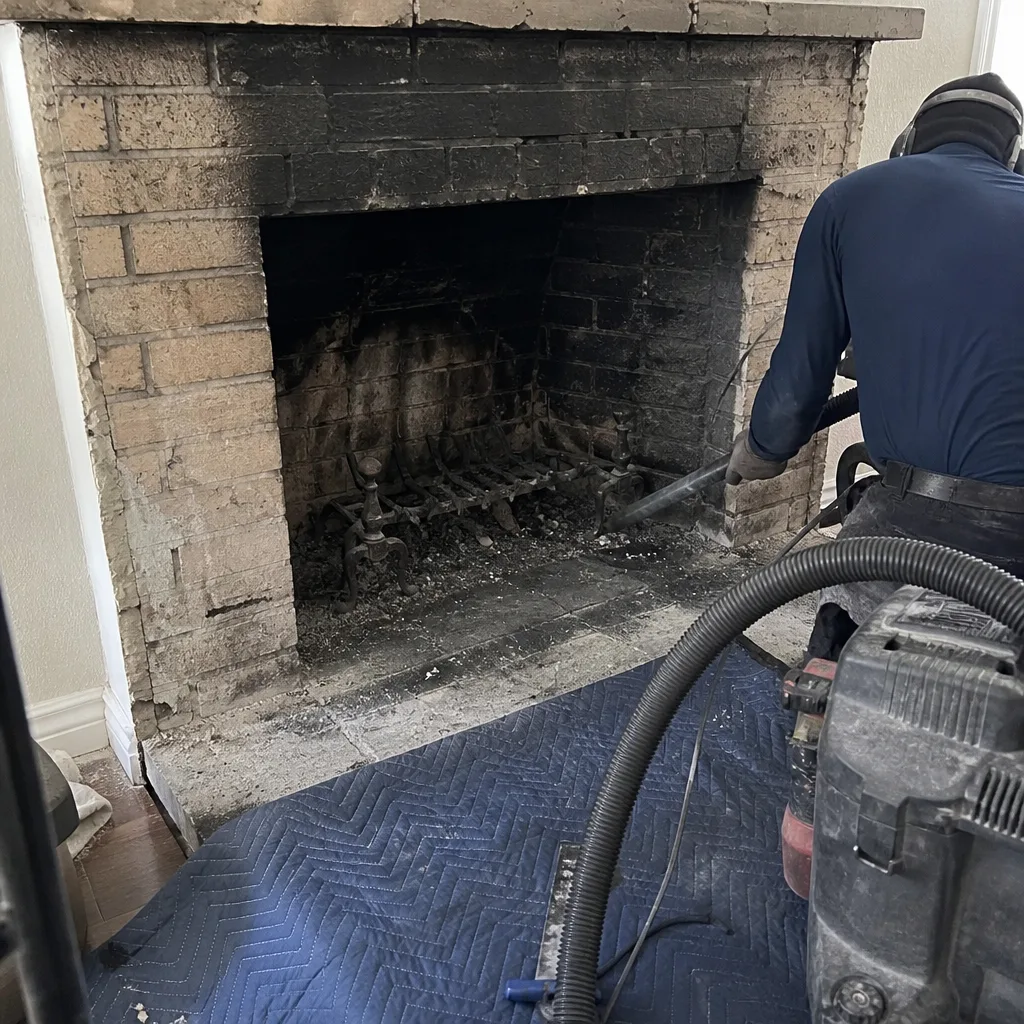
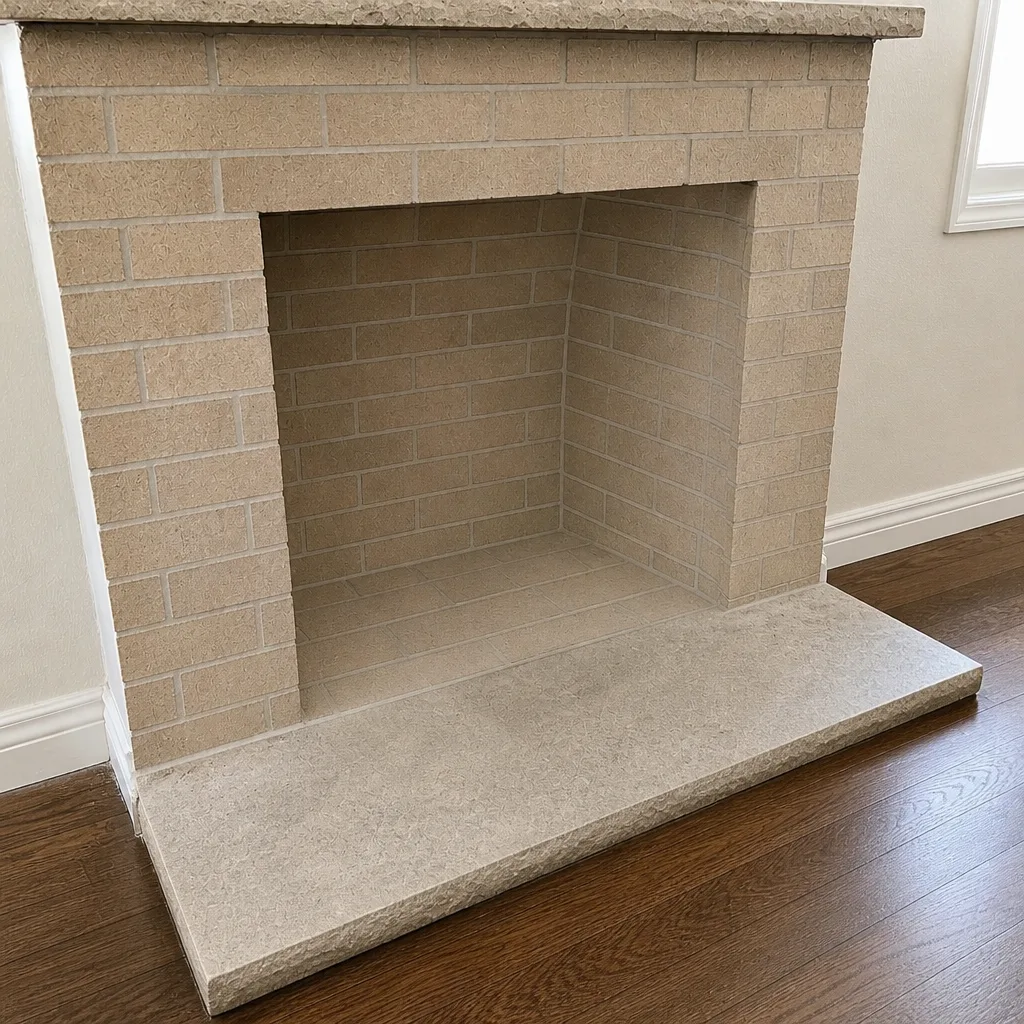
See the difference
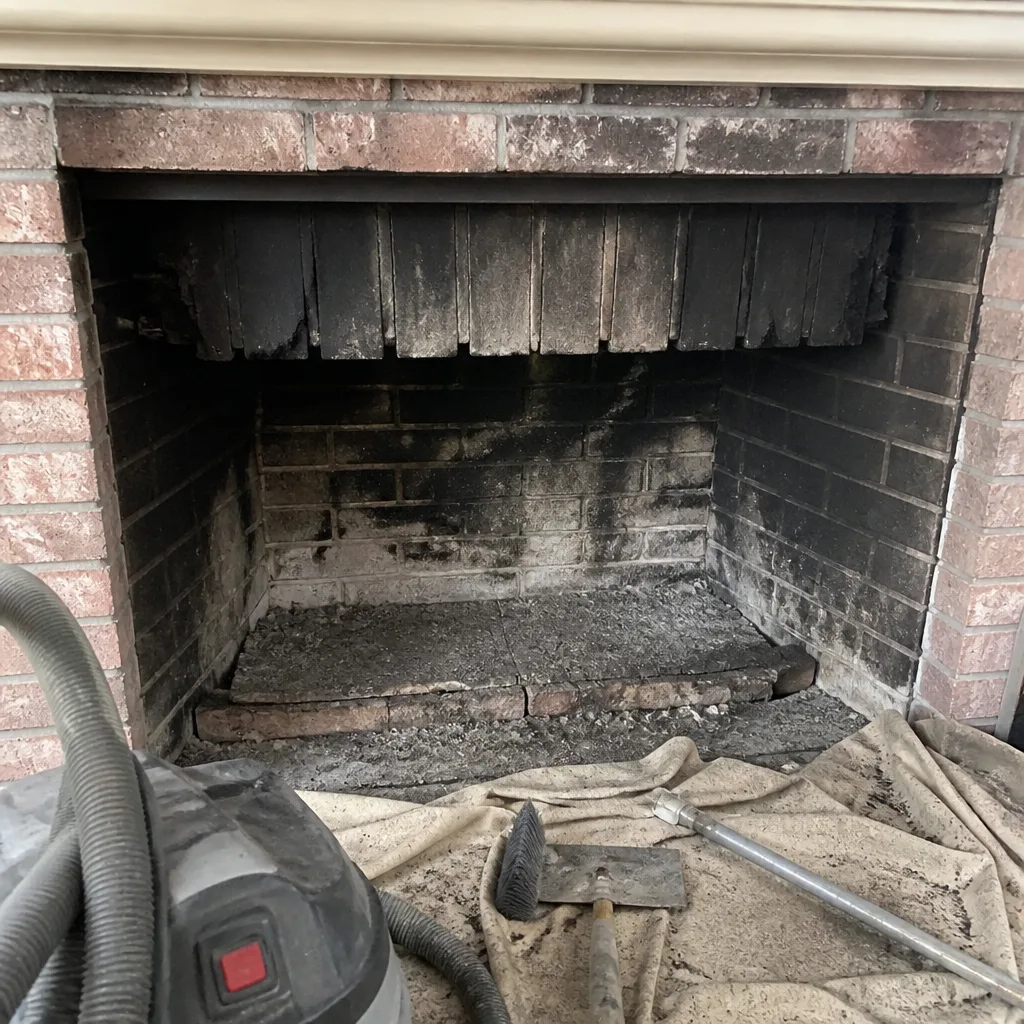 Before
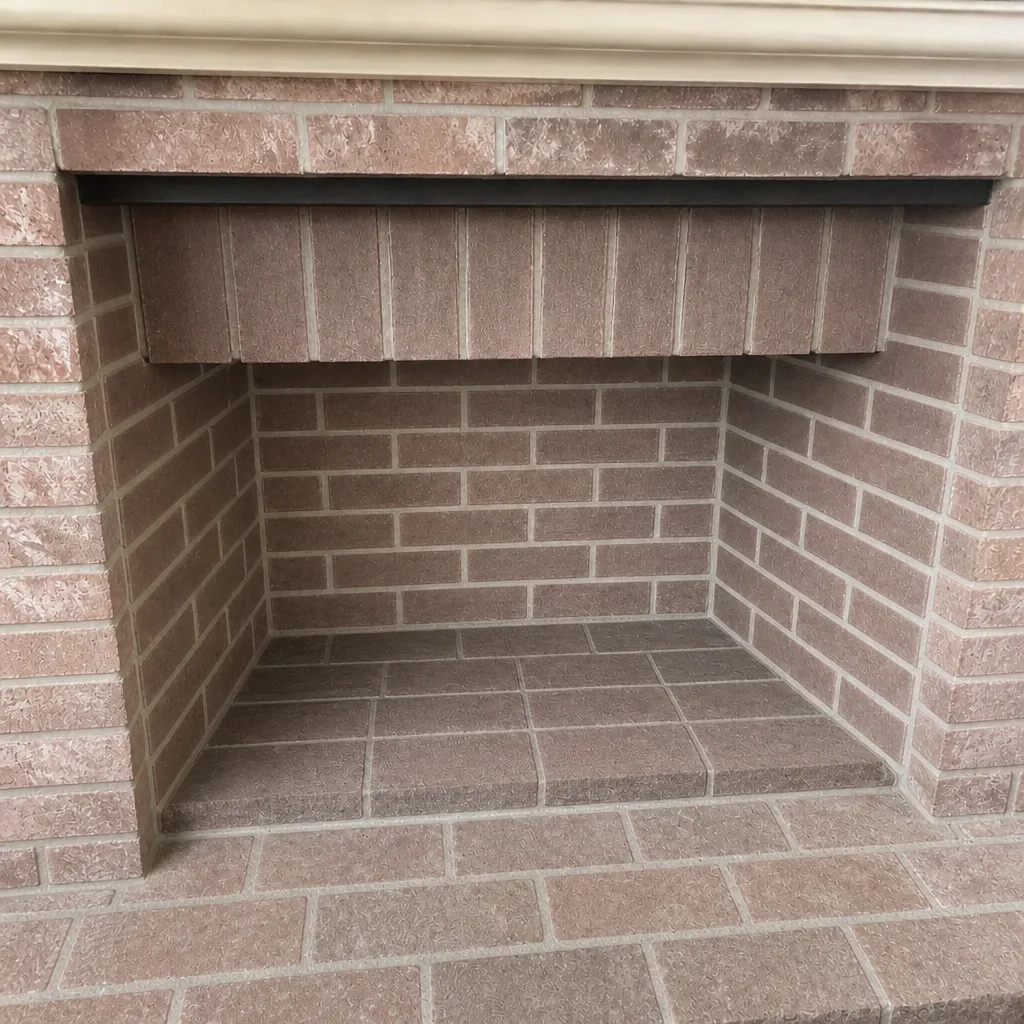 After
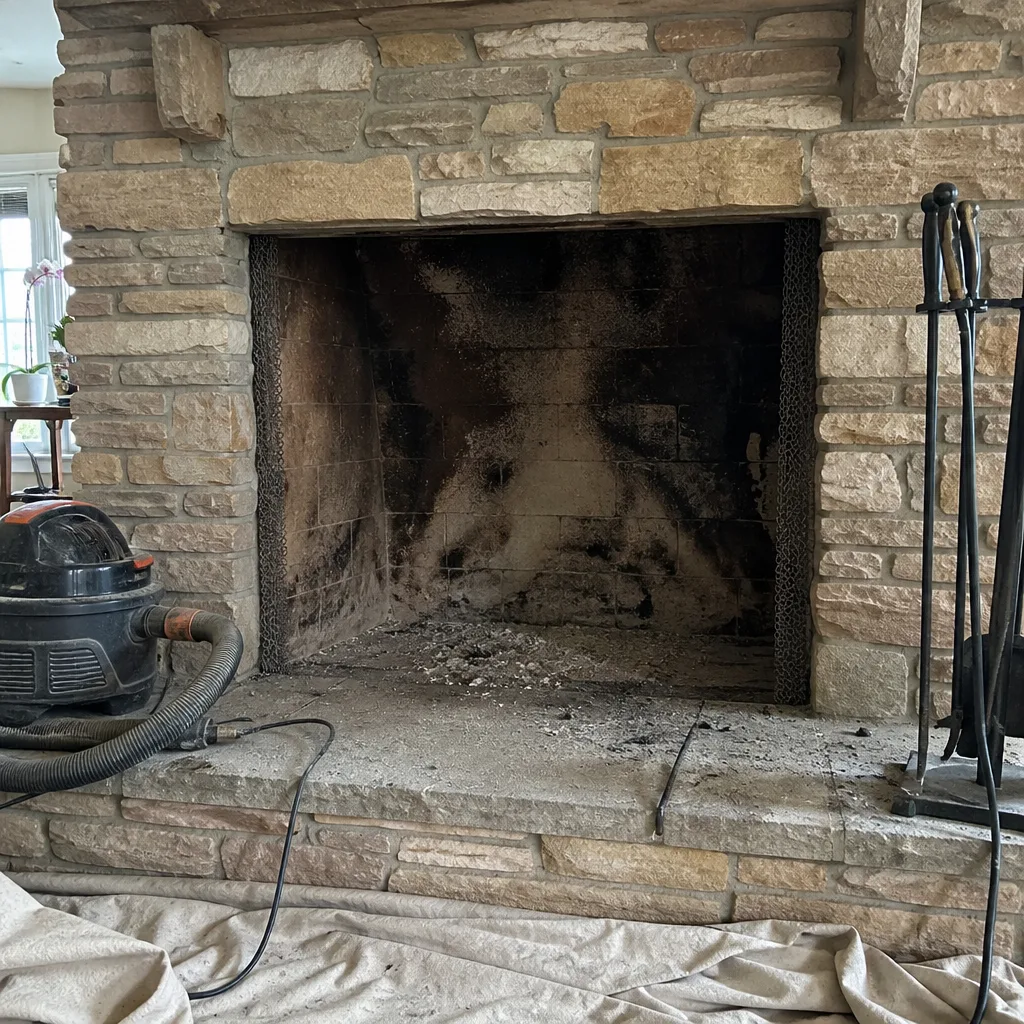 Before
 After
 Before
 After
When to Call a Professional
Call a professional if you see or smell smoke coming into the room, if a fire struggles to draw, if you notice odor from a gas appliance, or if you haven’t had the flue inspected in the last year. Call immediately if you suspect a flue blockage, a damaged liner, or a buildup you can see. And call if your fire has ever behaved inconsistently, since draft problems often hide until the worst possible moment.
Grafton Chimney Sweep offers free estimates in Highlands Ranch – call (833) 749-6226. We answer 24/7. Fast dispatch from 7am to 7pm, Sunday through Friday.
Frequently Asked Questions
Because cleaning and drafts are different problems. A just-cleaned flue with a negative-pressure house, cold flue, or undersized chimney will still backdraft. Smoke that persists after a sweep usually points to pressure, flue sizing, or a blocked cap rather than creosote. Call (833) 749-6226 for an exact diagnosis – estimates are free.
Yes. At roughly 5,800 feet, air is thinner, which reduces draft force and changes the air a fire needs. Fires struggle to start and smoky starts are more common up here, and flue sizing that works at sea level can be marginal at altitude. A technician who works Front Range chimneys will size and check your flue with that in mind.
A dirty chimney has creosote and soot buildup but intact structure. A damaged one has a cracked flue, a failed liner, a compromised cap or crown, or a blockage it can’t clear. The symptom might look the same – smoke, odor, poor draw – but the fix is different. Only a proper inspection tells you which one you have. Call (833) 749-6226 for a free estimate.
Only if you can see and safely reach it, which usually means no. Reaching a cap means a ladder and a roof edge, and that’s a fall risk most homeowners shouldn’t take. An inspection clears the obstruction safely and confirms nothing is left behind. Call (833) 749-6226 – estimates are free.
A cold-hearth odor from a gas fireplace usually means a draft pulling air down the vent, or a blocked or damaged cap or termination. It could also signal a venting problem, so stop using the appliance until it’s inspected. A technician can trace which one it is and correct it.
The NFPA recommends an annual chimney inspection, and sweeping is done when the inspection calls for it. Dryer vents should be checked at least once a year, more often in a busy household. In Highlands Ranch’s freeze-thaw climate, a yearly inspection catches cracking and moisture damage before it grows. Call (833) 749-6226 for an exact quote – estimates are free.
The Bottom Line
Most chimney problems in Highlands Ranch come down to three things: draft and pressure, creosote and moisture, or blocked and undersized flues. Altitude and tight home construction make the first cluster more common than you’d expect, so the sea-level advice you find online won’t always get you to the right fix. The safe move is a proper inspection that also repairs what it finds – not a problem list and a second appointment. We repair what we find, using professional-grade materials, and we’ll tell you when work can wait.
Call (833) 749-6226 for a free estimate. We answer 24/7. Fast dispatch from 7am to 7pm, Sunday through Friday.
Written by the team at Grafton Chimney Sweep.