
Last updated November 15, 2026
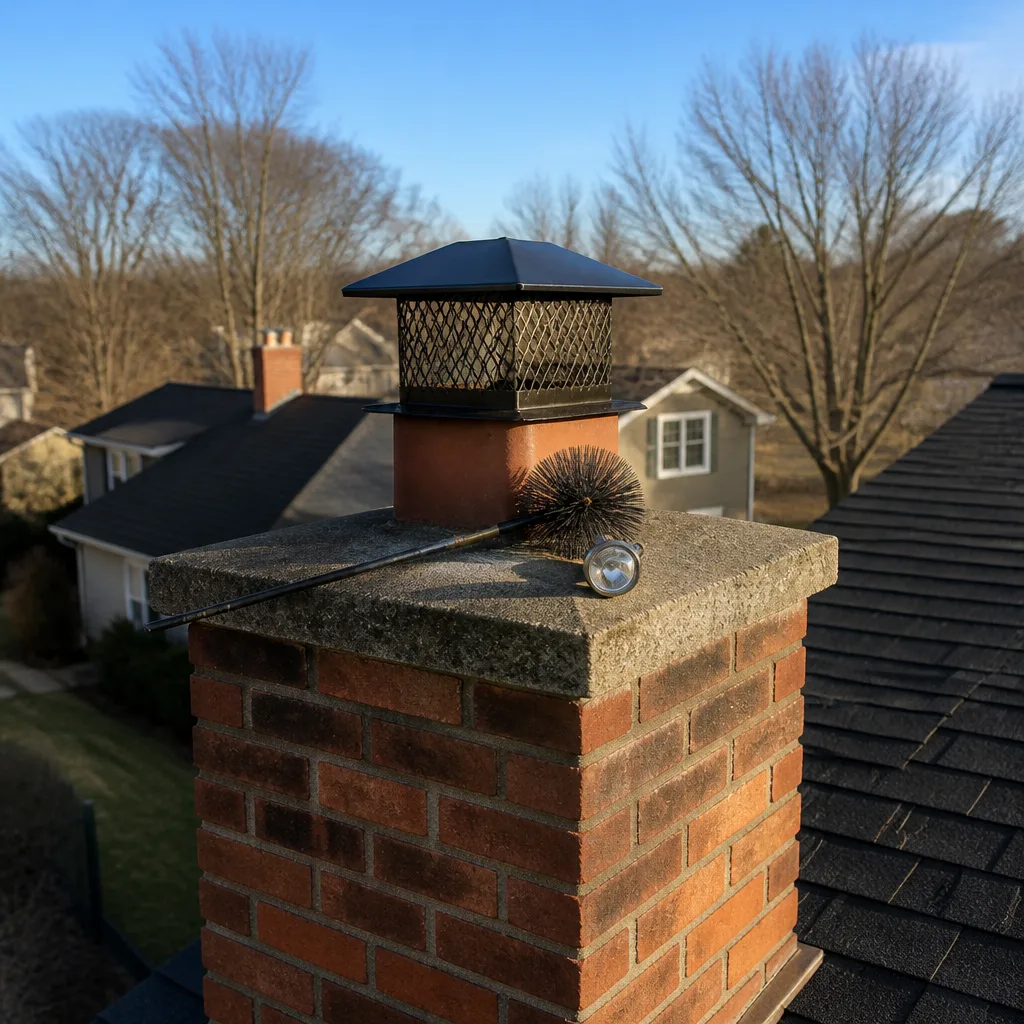 Sweep & inspection
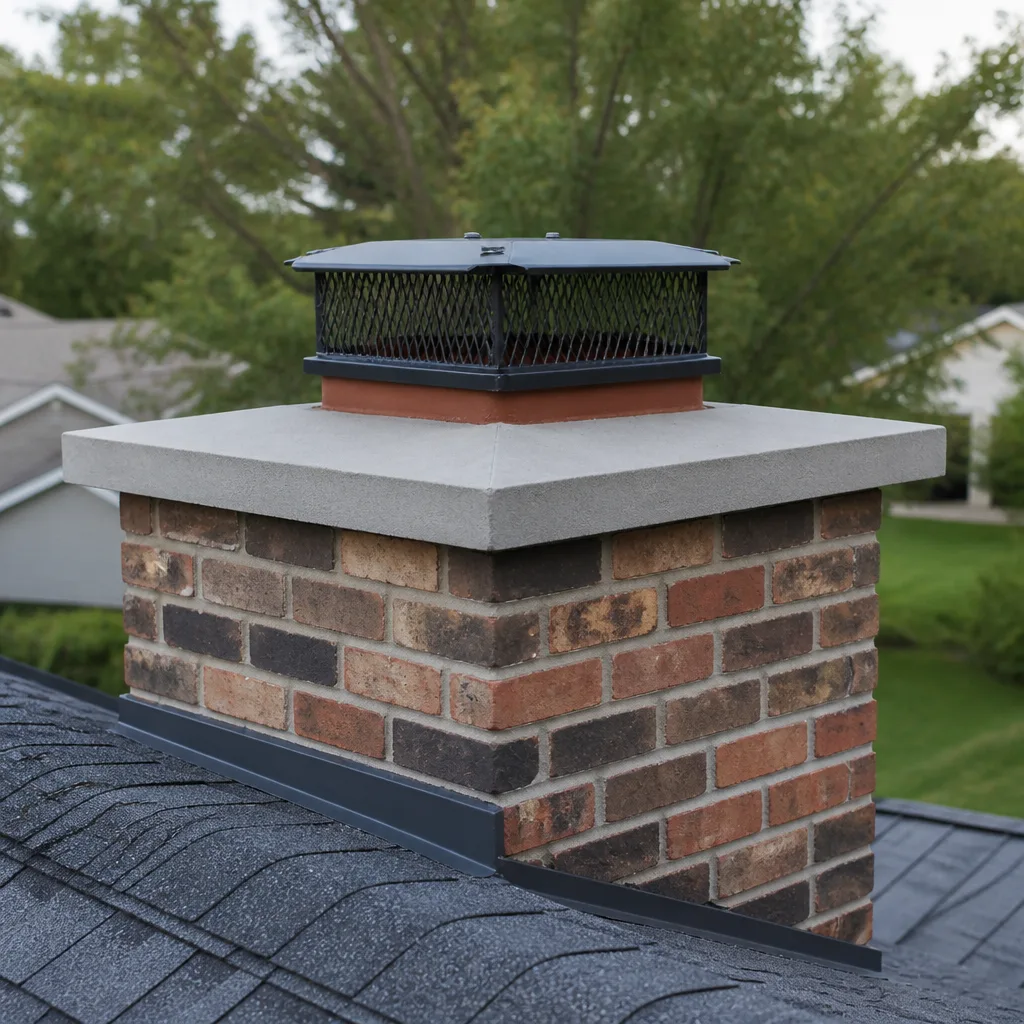 Caps & crowns
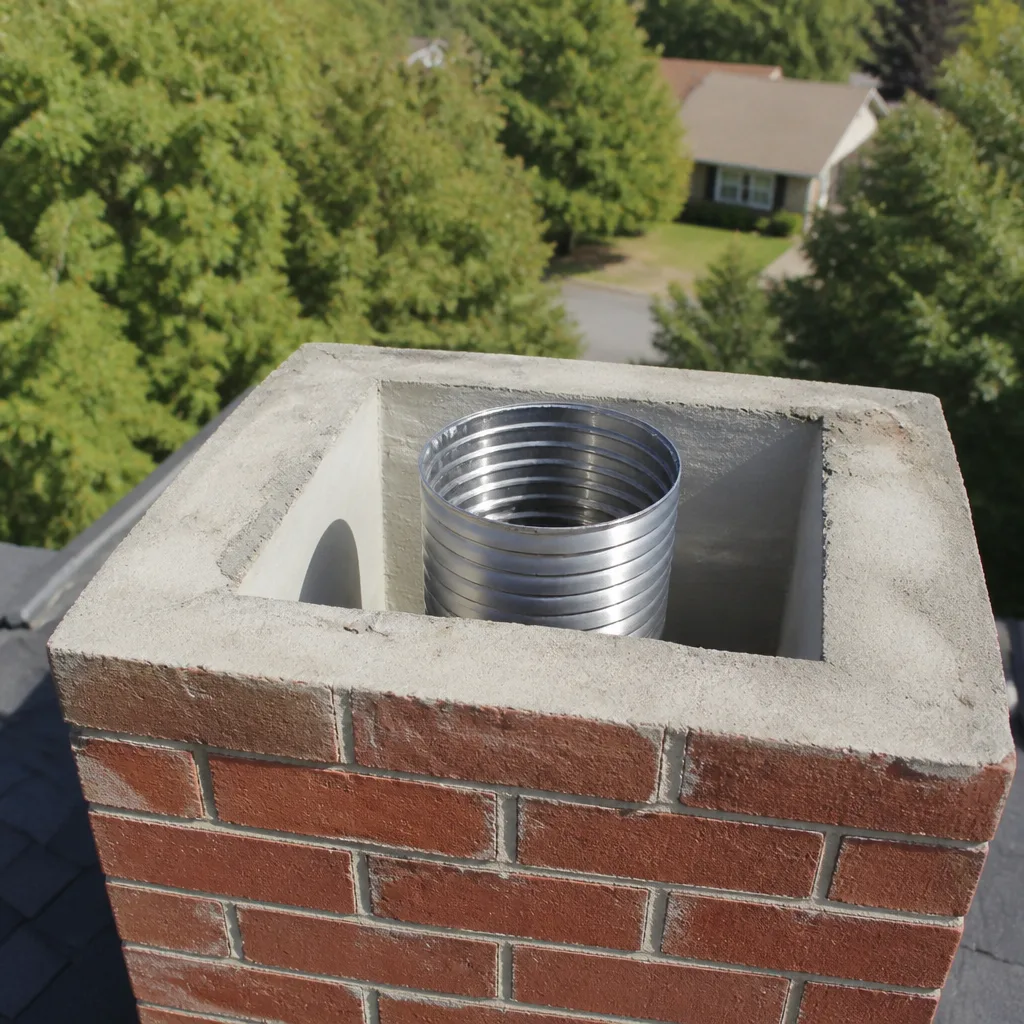 Flue relining
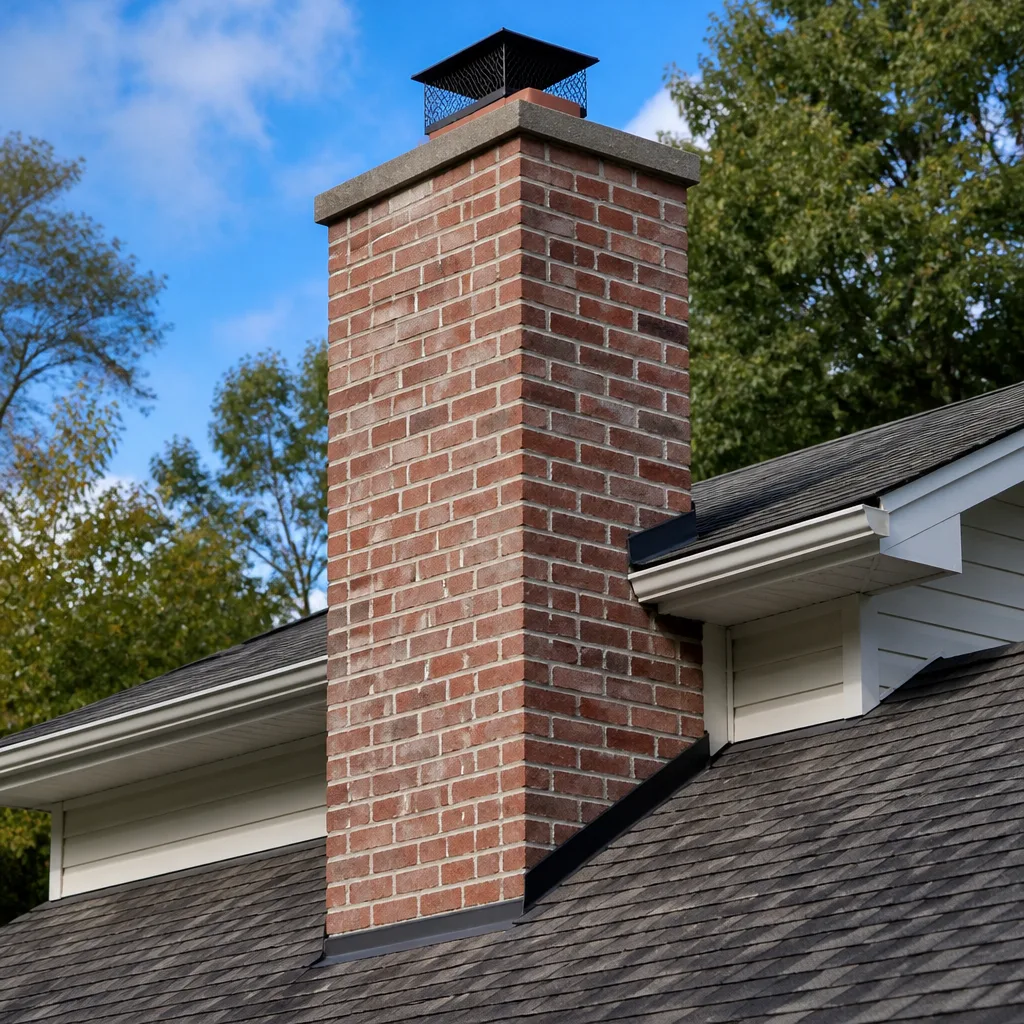 Masonry repair
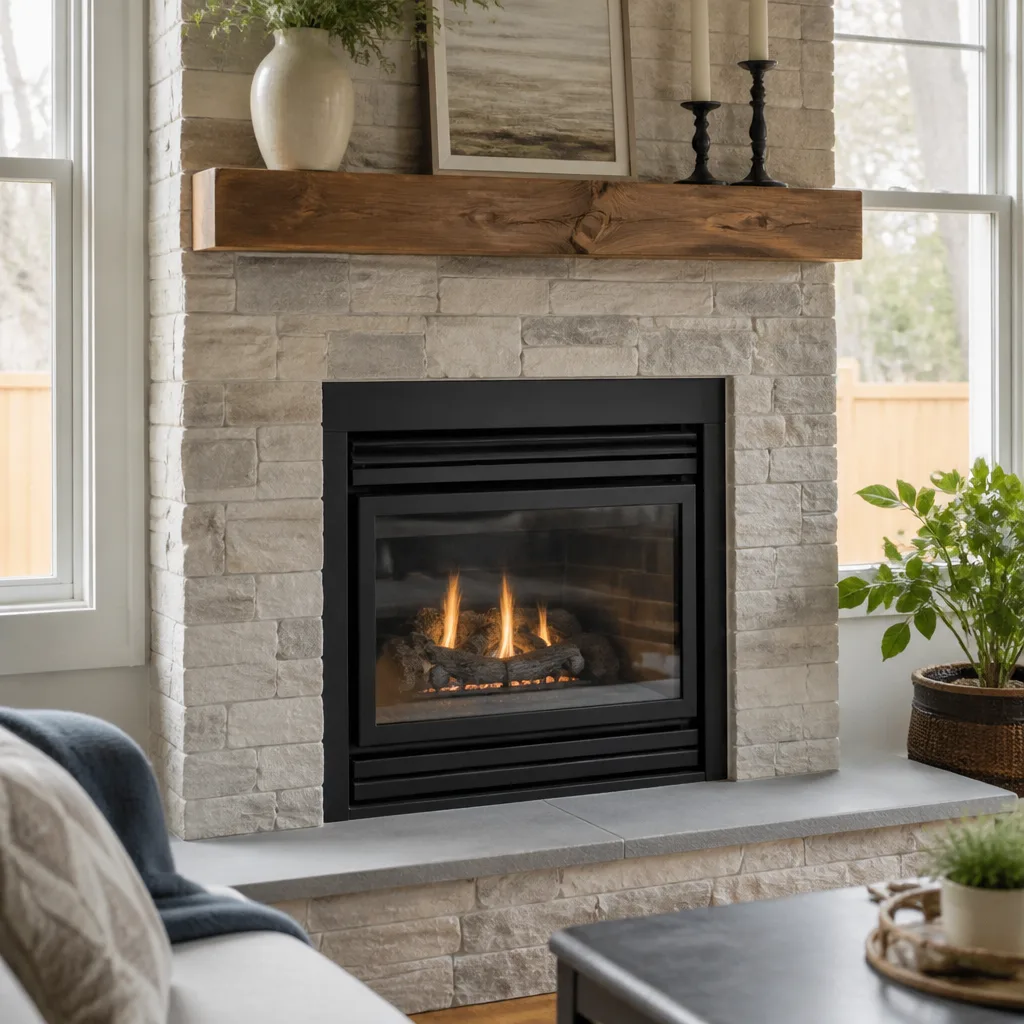 Gas fireplace service
Level 1 sweep and inspection to the NFPA 211 annual standard - flue, crown, cap, and flashing checked and photographed
Chimney sweep logs do not sweep chimneys. They loosen some creosote - which then falls where a brush and vacuum still have to collect it.
Chimney Cleaning Warning Signs: A Highlands Ranch Homeowner’s Reference Guide
A smoky fireplace doesn’t automatically mean a dirty chimney. In Highlands Ranch, we see plenty of homes where the flue is clean and the fireplace still rolls smoke into the room, because the problem isn’t soot at all. It’s pressure. It’s wind. It’s a house sealed tight enough that it competes with the chimney for air. This guide breaks down the symptoms Highlands Ranch homeowners actually describe on the phone and translates each one into what’s likely happening inside the flue. You’ll learn which signs point to a cleaning, which point to a repair, and which mean you should stop using the fireplace. We’ll also cover what you can check yourself from the driveway.
Quick Answer
The core warning signs that a chimney needs cleaning are a strong creosote smell, visible soot or debris falling into the firebox, smoke rolling into the room instead of going up, a weak draft, and a blackened or crusty chimney cap. Some of those signs mean the flue needs a sweep. Others mean it needs a repair. Telling the difference before you book saves money and fixes the actual problem.
Styles & brands we work with
- Sweep & inspection
- Caps & crowns
- Flue relining
- Masonry repair
- Gas fireplace service
Table of Contents
- Why Chimney Warning Signs Get Misread in Highlands Ranch Homes
- Symptom by Symptom: What Each Sign Actually Indicates
- Warning Signs That Are Structural, Not Cleaning Issues
- Cleaning vs. Repair: The Distinction That Saves You Money
- Warning Signs You Can See From Outside the Home
- When to Stop Using the Fireplace vs. Schedule a Sweep Soon
- What a Proper Sweep Actually Reveals
- Keeping Watch Between Sweeps
Why Chimney Warning Signs Get Misread in Highlands Ranch Homes
Highlands Ranch sits high on the Front Range, and the wind here is not gentle. Houses on open lots facing the ridge get a steady push of air against the chimney that can overcome a weak draft. When that happens, smoke backs into the room even when the flue has barely any soot in it. Homeowners understandably assume the chimney is dirty, book a sweep, and the smoke problem persists because nothing was wrong with the flue to begin with. That pattern is common enough that we now ask about wind exposure before we ask about the last sweep date.
The second half of the equation is the house itself. Homes in Highlands Ranch tend to be tightly built and well sealed. That’s good for energy bills and bad for chimney draft. A fireplace needs makeup air to replace the air it sends up the flue. In a house sealed up tight, the furnace or bath fan can pull harder on the air supply than the chimney does, and the chimney loses. You get cold air spilling down, a lazy fire, and smoke that hovers near the top of the firebox instead of leaving. No amount of sweeping fixes a house that isn’t letting air in.
Here’s what we’re getting at: the first question in a diagnostic isn’t “how much creosote is there?” It’s “what is the symptom, and what’s causing it?” A warning sign is a clue, not a diagnosis. The same smoke rollout can come from a soot-clogged flue, a cracked liner, or a pressure imbalance. Getting it right the first time is the whole point of a proper inspection. To understand what a routine visit involves before we go further, read our guide to a chimney sweep in Highlands Ranch.
Symptom by Symptom: What Each Sign Actually Indicates
Most homeowners describe the same handful of complaints. They sound like normal fireplace quirks, but each one points at something specific. Here’s the translation.
- Smoke rolling into the room. The most common cause is a draft problem, not a dirty flue. Cold flue, strong wind, or a tight house will all pull smoke inward. If smoke rolls in even right after a sweep, that’s your answer. Persistent smoke from a flue that’s been cleaned means a pressure or structural issue.
- Slow draft or a fire that won’t catch. Weak draft usually means cold air is sitting in a tall flue, or the flue is too short or too mismatched to the firebox opening. Soot buildup can slow it too, but if you’ve just had a cleaning and the draft is still flat, it wasn’t soot.
- Odors when the fireplace isn’t in use. A strong creosote smell in warmer months is typically creosote absorbing moisture and off-gassing. A different smell, sharper and like ozone, can be wash-down from the cap. An occasional damp, earthy smell close to the firebox is just a cold flue. The one that matters is the persistent thick creosote smell; that’s a real signal.
- Visible soot or debris falling into the firebox. Loose flakes are usually normal creosote sloughing. Chunks of masonry or gray grit that look like mortar mean spalling, which is a repair sign.
- Blackened or crumbling cap. A cap is a wear item. If it’s cracked, spalling, or missing part of its mesh, water is getting into the flue.
- Animal sounds. Birds and squirrels love Highland Ranch caps in spring. Not a cleaning issue, but a flue-blocking hazard and worth a service call.
- A black or very dark firebox. Heavy sooting near the damper or on the firebrick walls tells you the fire isn’t breathing. Sometimes it’s creosote, sometimes it’s air supply.
If you can match your symptom to one of these, you’ve already narrowed it down. The next section sorts out which ones get fixed by cleaning and which don’t.
Warning Signs That Are Structural, Not Cleaning Issues
Some of Highland Ranch’s chimney complaints have nothing to do with soot. Here are the ones that look like cleaning calls but aren’t:
- Downdrafts. Cold air spilling down a chimney on a windy day is a pressure and wind issue. Highlands Ranch’s wind exposure makes this more common than in sheltered neighborhoods. A cap can help. A sweep won’t.
- Cold air coming down when the fireplace is off. This is normal if the damper is open. If it happens with the damper closed, the damper plate may not be sealing. A chimney service can free a stuck damper or spot a gap. That’s a repair, not a cleaning.
- Animal activity. Birds, squirrels, or raccoons in the flue need removal, then a proper cap installed. Cleaning comes after they’re gone.
- Water intrusion. Rust in the firebox, damp firebrick, or musty smells after storms mean the chimney crown, flashing, or cap is letting water in. Sweeping dries nothing out.
- Chimney has a lean or a visible crack in the crown. Structural. Get it inspected before lighting another fire.
- Smoke smells that won’t leave the room even when the flue is clean. Suspect a liner leak or a joint that’s failed. Camera inspection finds it. A sweep alone won’t.
- A fire that smokes only on certain days. Wind direction. Highland Ranch sits in a corridor where sustained westerly wind pushes against chimney caps on exposed lots. Directional caps exist for exactly this.
These are the calls where a sweep-only company can leave you empty-handed. We handle both, so if we find a failed liner joint or a damaged crown, the fix stays in the same visit. That’s why we offer liner resurfacing through HeatShield and complete relining with DuraFlex flexible liner systems. When the structural sign is real, the repair is what actually resolves it.
Cleaning vs. Repair: The Distinction That Saves You Money
The most expensive mistake homeowners make is booking a sweep for a problem that needs repair, or accepting a repair recommendation when a cleaning would have fixed it. Both directions cost you, and both are avoidable with a proper look at the flue.
Here’s the rule we work from: a cleaning addresses only what can be removed from the flue. That means creosote, soot, and obstructive debris. A repair addresses anything built into the chimney that’s failed. The two overlap when a sweep reveals a damaged liner, a cracked crown, or a broken cap. That’s a repair finding, not a cleaning finding.
To sort one from the other, think about what your symptom is doing:
- Cleaning handles: A thick creosote smell, visible soot buildup, a fire that’s smoking more than usual, and animals that have moved in (after they’re removed).
- Repair handles: Persistent smoke that survives a cleaning, water intrusion, cracked or spalling brick, a failed or missing liner, a crumbling cap, or a damper that won’t seal.
- Both together: When a cleaning reveals damage a camera inspection picks up, we fix it in the same visit. You don’t get an inspection report and a phone number for a different contractor.
In our experience, the confusion is real and it runs both ways. A homeowner sees smoke and assumes dirty chimney, when the actual problem is a failed liner joint. Or a technician recommends a liner replacement when the flue only needed scraping. The safe answer is always the same: look before you conclude. That means a camera inspection, not a guess. Our approach to keeping the fix in-house means a cleaning and any repair happen on the same visit, using the same professional-grade materials, not a commodity part pulled from a hardware store shelf.
Warning Signs You Can See From Outside the Home
You don’t need a ladder to spot half the serious warning signs. Walk the property and look up. These are the checks you can run yourself, safely, from the ground:
- Spalling brick. Flaking, crumbling, or missing pieces on the exterior chimney indicate moisture damage. Bricks that shed their face are failing.
- White staining on the brick. A powdery white residue (efflorescence) is salt-mineral migration from water moving through masonry. It’s a water problem, not a soot problem.
- Cracked or tilted chimney crown. The crown is the sloped concrete cap at the top. Cracks let water in and should be repaired before they get worse.
- Damaged cap or missing mesh. A cap with torn screen or missing panels invites birds and rain. A good cap keeps both out.
- Rust or water streaks on the firebox face. Visible from outside through the firebox opening. Rust streaks point to water getting past the crown or flashing.
- Loose flashing at the roofline. The metal flashing where the chimney meets the roof should be tight. Gaps mean leaks.
- Trees, vines, or debris touching the stack. Vegetation against a chimney holds moisture. Keep it clear.
None of these are things you fix from the ground. They’re the things you note, then call about. Spalling brick and crown cracks in particular are worth a professional look because Highlands Ranch’s freeze-thaw cycles accelerate water damage once it starts. Water gets in, freezes, expands, opens the crack further, and the cycle repeats through the winter. Catching it in a walk-around is the cheapest repair you’ll ever get.
If you spot any of these and you’re not sure whether it’s cosmetic or serious, have someone look. Our technicians have up to 15 years of experience diagnosing exactly these exterior signs. Call (833) 749-6226 for a free estimate before the next freeze.
When to Stop Using the Fireplace vs. Schedule a Sweep Soon
Some warning signs are “stop now.” Others are “book soon.” Getting the tier right is the whole safety conversation, so here’s how we rank them.
Stop using the fireplace and call:
- You smell gas at any time. Turn off the supply and call.
- Smoke fills the room every time you light a fire, and you can’t clear it.
- You see a visible crack in the flue liner, or the liner is missing in places.
- You hear animal sounds and can’t confirm the flue is clear.
- There’s water actively coming down the chimney.
- Your carbon monoxide detector has gone off.
- The chimney is leaning, or the crown is visibly broken through.
Schedule a sweep or inspection soon:
- A strong creosote smell when the fireplace is off.
- Soot or debris falling into the firebox.
- A fire that struggles to catch and stays lazy.
- It’s been a full season since the last sweep and you burn regularly.
- New to the house and you have no idea when it was last cleaned. Highlands Ranch sees a lot of resale homes with unknown chimney history.
Carbon monoxide deserves a direct word. A blocked or damaged flue can push combustion gases into the living space. That’s the real risk behind the “cleaning warning signs,” and it’s why a CO detector on each level of a Highlands Ranch home is worth the small cost. If yours has ever triggered while a fire was burning, stop using the fireplace and have the flue inspected before relighting. That one isn’t negotiable.
What a Proper Sweep Actually Reveals
A sweep isn’t just a brush on a rod. A proper visit is a diagnostic, and it’s where most warning signs get resolved. Here’s the sequence we run:
- Exterior walk-around. Crown, cap, flashing, brick, and vegetation. Anything visible from the ground gets noted first.
- Firebox and damper inspection. Firebrick, damper operation, and the firebox-to-flue transition.
- Camera inspection of the flue. A small camera runs the length of the liner. This is where failed joints, gaps, cracked tiles, and blockages show up. We show you the footage so you can see it yourself.
- Sweeping. The flue is brushed to remove creosote and soot. Drop cloths protect the room.
- Second look after cleaning. Camera again to confirm the flue is clear and to re-check any joints the soot was covering.
- Findings and options. If repair is needed, you get a written estimate. If liner resurfacing with HeatShield is the right call, it’s offered as a real option, not a full replacement upsell. If a full reline with DuraFlex is the better answer, you’re told why.
The reason we do this in one visit is simple: split visits cost homeowners time and money. The old model was sweep, then a report, then a call to a different company for the repair. Our model keeps it together. Repairs are our work, and the professional-grade brands we install – Copperfield, DuraFlex, HeatShield, Gelco – are the same ones we’d want in our own homes. If your sweeping visit reveals a liner problem, you get a solution that day, not a referral.
The other benefit is verification. Every finding comes with a photo or camera view. You don’t have to take our word for what’s in the flue. You see it. That’s the whole point, especially for homeowners worried about being told to buy a repair they can’t confirm.
Keeping Watch Between Sweeps
You don’t need to inspect your chimney between professional visits. You do need to notice when something changes, and that means knowing your baseline. Here’s what we tell Highlands Ranch homeowners to watch:
- Note the burn. If your fire used to light quickly and now struggles, that’s a change worth noting. It’s often the first clue of a draft or airflow problem.
- Smell the room when the fireplace is cold. A faint creosote smell after a rainstorm is a moisture signal. A strong one is a sweep signal.
- Look at the firebox after each fire. Normal soot is fine. Flaking masonry, rust streaks, or heavy crust near the damper are not.
- Watch the cap. A glance from the yard costs nothing. Cracks, rust-through, or missing mesh are easy to spot early.
- Check the CO detector. Press the test button monthly. If it triggers during a fire, stop using the fireplace and get inspected.
- Book a sweep every burn season. If you burn regularly through the winter, an annual cleaning is the standard. If your use is occasional, an inspection will tell you when it’s actually due.
One thing we’d flag for Highlands Ranch specifically: houses on exposed lots near the ridge get more wind-driven moisture into a chimney than sheltered neighborhoods. That means exterior issues (crown cracks, flashing gaps, spalling brick) tend to show up faster on those homes. A sweep every year is a chance to catch them early, before a small crown repair becomes a masonry job. If you’re also running the dryer regularly, pair the sweep with a dryer vent cleaning. Lint buildup in the vent is another fire hazard in the same home-safety category, and it’s worth a look during the same service window.
Common Mistakes to Avoid
- Assuming smoke means “clean me.” Smoke rollout often means a draft or pressure problem, and a sweep won’t fix it. Diagnose the cause before booking the work.
- Skipping the camera inspection because the sweep is cheap. The camera is where real problems are found. A sweep without one is only half the visit.
- Accepting a liner replacement without seeing evidence. Ask for the photos. Liner resurfacing via HeatShield fixes some failing liners without a full replacement. If you’re told you need a reline, ask why.
- Burning unseasoned wood. Green or wet wood builds creosote fast. Season wood properly and you’ll sweep less often.
- Ignoring the exterior. Cracks in the crown, spalling brick, and loose flashing look cosmetic. In Highlands Ranch’s freeze-thaw winters, they escalate quickly.
- Forgetting the dryer vent. Chimney safety and dryer vent safety are the same conversation. Both need attention, and the vent is the one most homeowners skip.
- Going a season without a CO detector test. A blocked flue is a carbon monoxide problem before it’s a fire problem. Test the detectors, don’t ignore the beep.
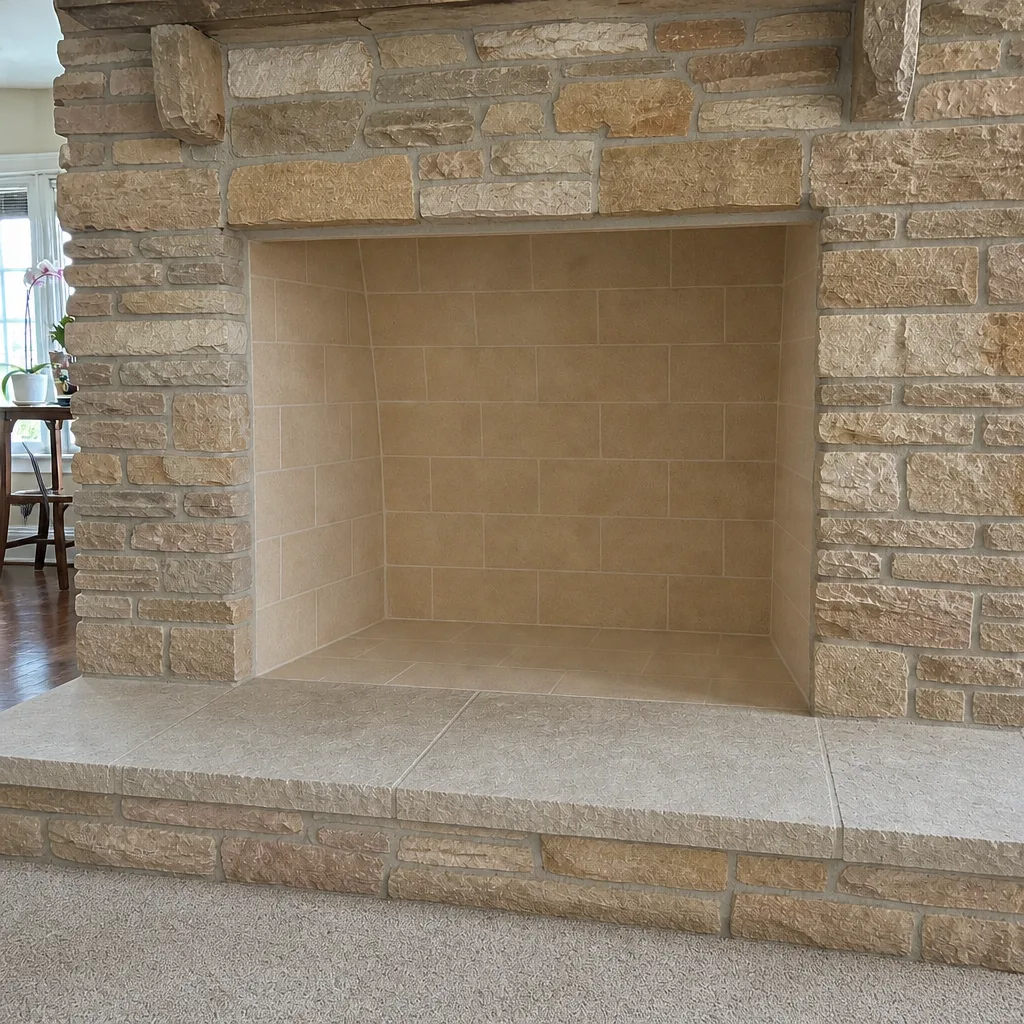
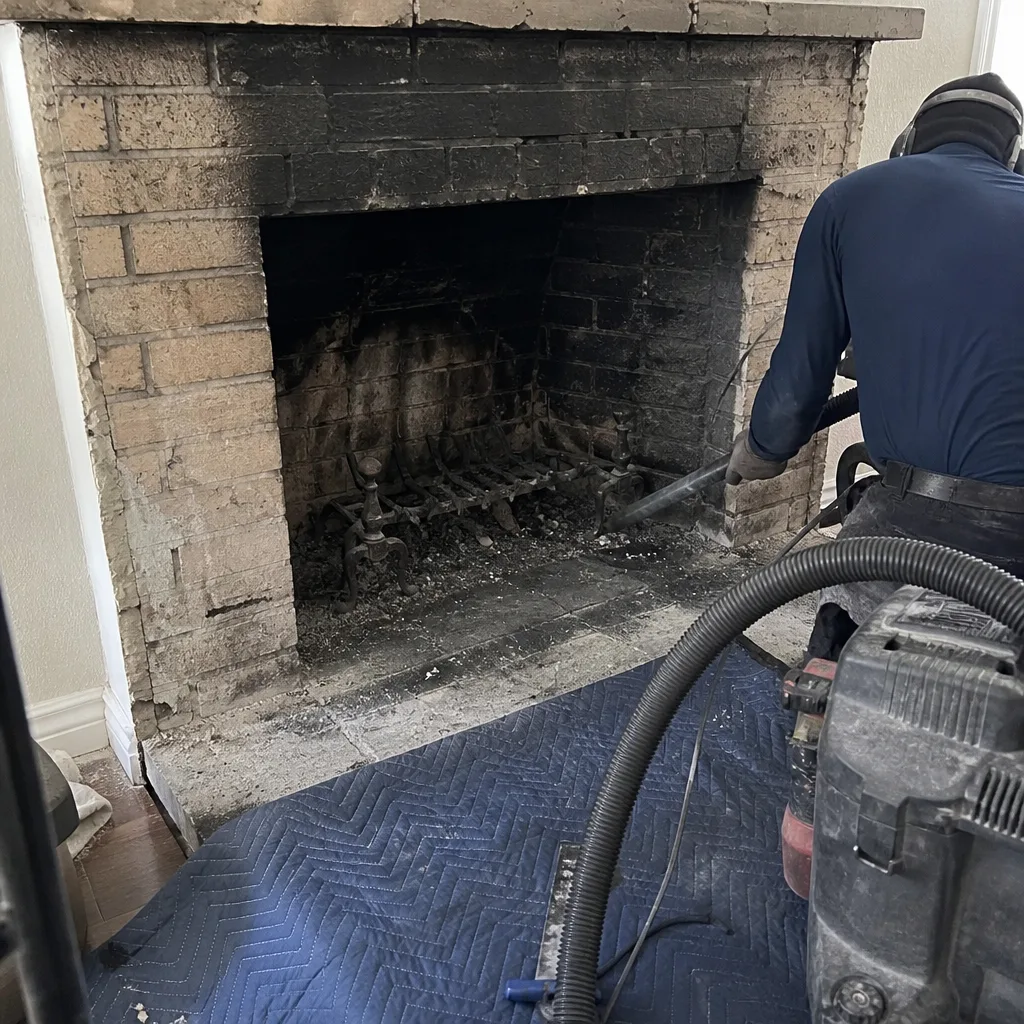
See the difference
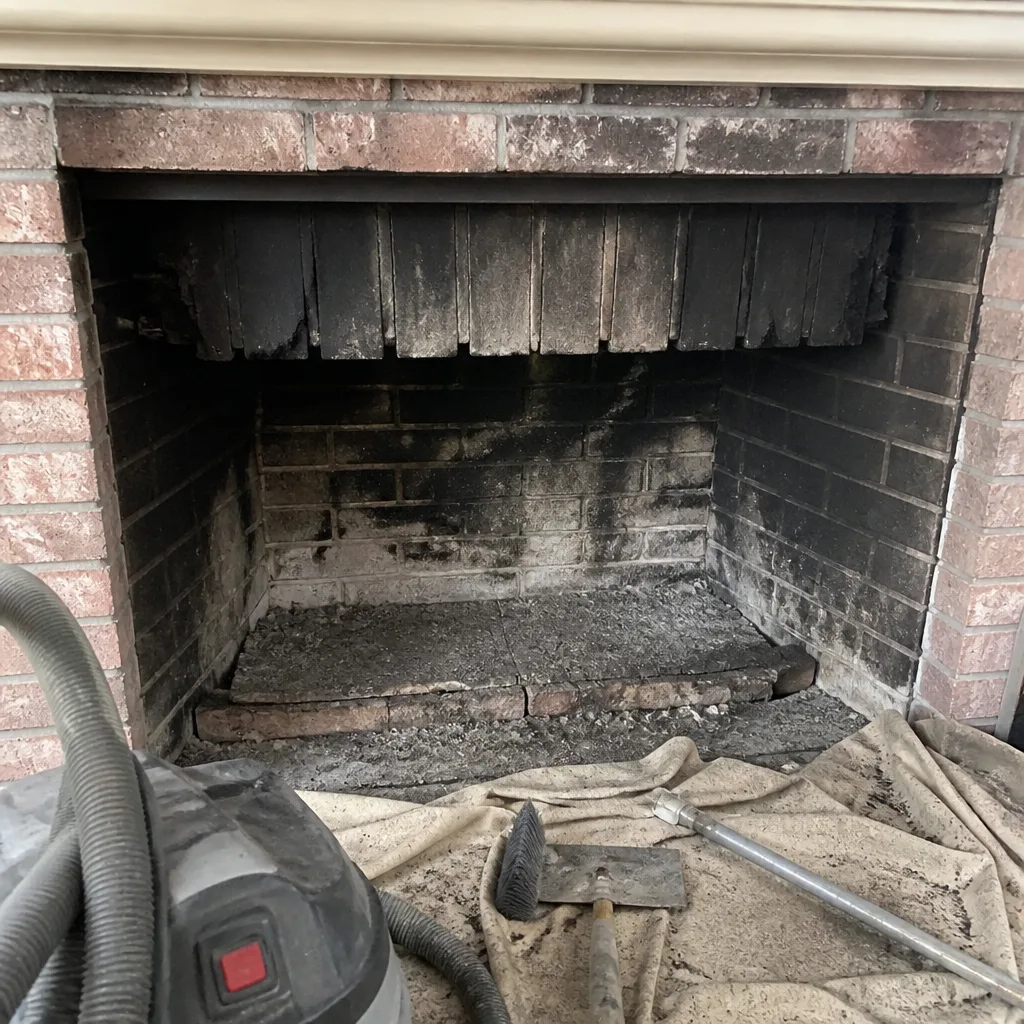 Before
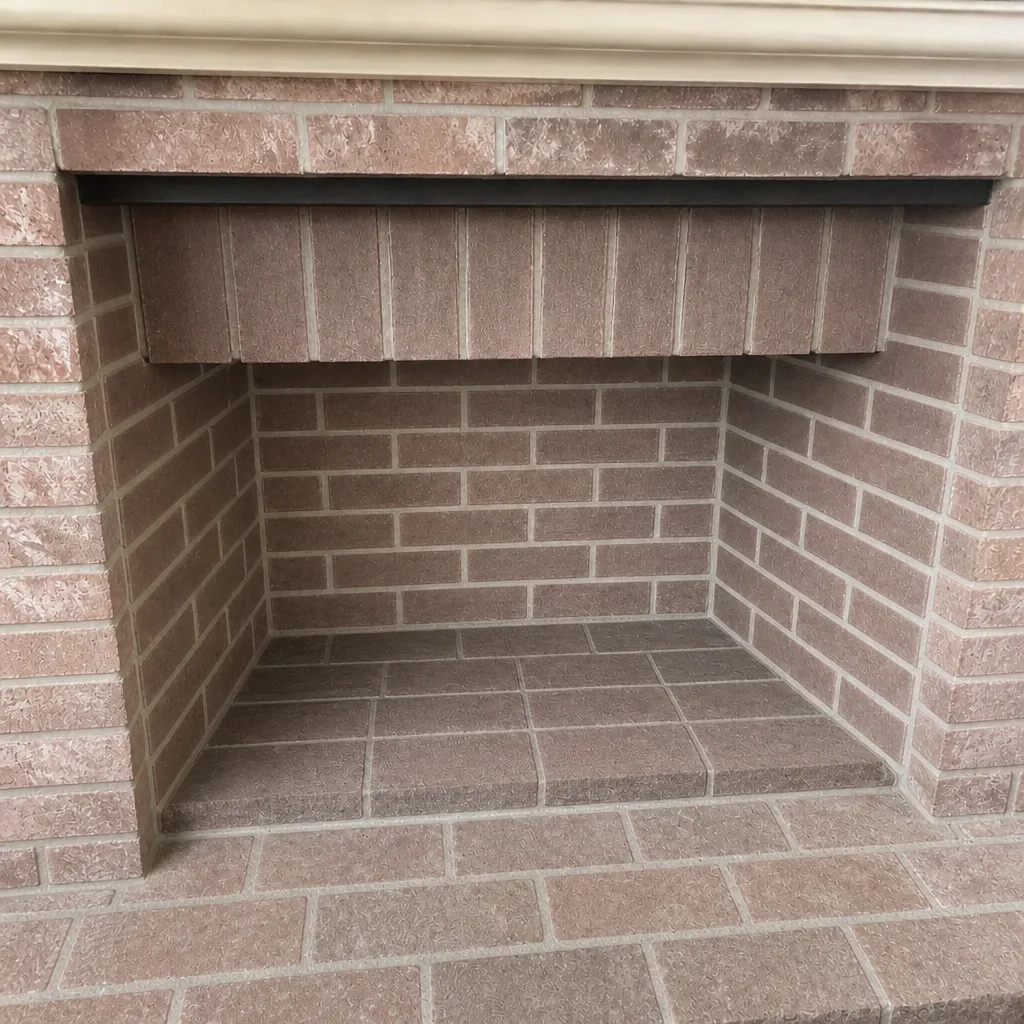 After
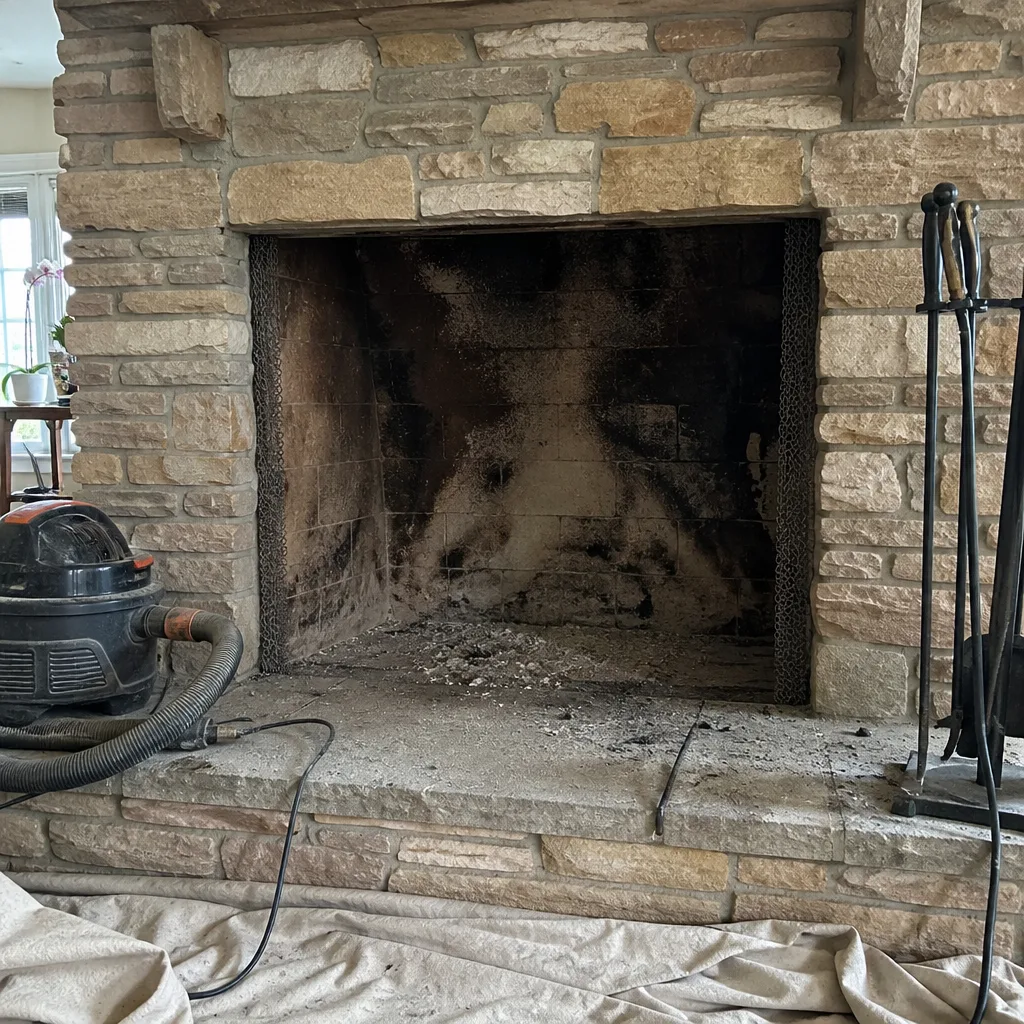 Before
 After
 Before
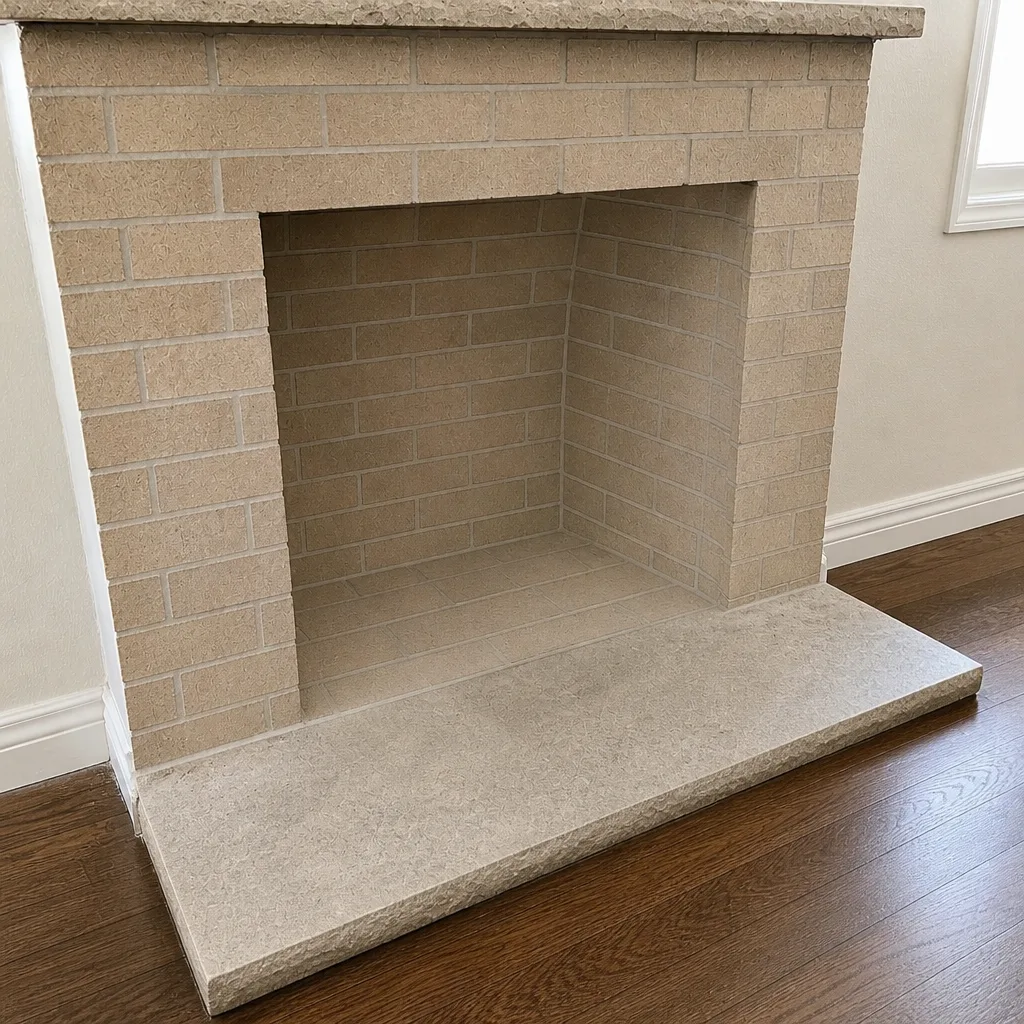 After
When to Call a Professional
Call a professional if you smell gas, see a visible liner crack, have water coming down the chimney, hear animals in the flue, or if your CO detector has ever triggered while a fire was burning. Call if you’ve lived in a Highlands Ranch home through a full burn season and can’t remember the last sweep. Call if your fire has changed the way it burns. And call if you’ve done a walk-around and spotted spalling brick, white staining, or a damaged cap. Those are all scenarios where a professional look resolves the question quickly and gives you a written estimate before any work proceeds. Grafton Chimney Sweep offers free estimates in Highlands Ranch. Call (833) 749-6226. We answer 24/7, with fast dispatch from 7am to 7pm, Sunday through Friday.
Frequently Asked Questions
Most chimneys used regularly through the winter should be swept once a year. If you burn occasionally, an annual inspection will tell you whether cleaning is actually due. Creosote buildup is what drives the schedule, and that depends on how much and what you burn. Call (833) 749-6226 for an honest answer on your specific chimney.
Because smoke rollout is usually a pressure or draft problem, not a soot problem. Highlands Ranch’s wind exposure and tightly sealed homes both contribute. A cold flue, a strong wind on the cap, or a house that isn’t letting in makeup air can each cause it. A cleaning won’t fix a draft issue. An inspection will identify it. Call (833) 749-6226 if smoke persists after a clean.
It usually means creosote in the flue is absorbing moisture and off-gassing, especially in warmer months or after rain. A faint smell right after a fire is normal. A persistent, thick, sharp smell means the layer is thick enough to clean. If you’re getting that smell in July, schedule a sweep before next season. Call (833) 749-6226 for a free estimate.
It depends on what the camera shows. HeatShield liner resurfacing is a real option for some damaged or deteriorating flues and can restore them without a full liner replacement. A full reline with a DuraFlex flexible stainless liner is the right call when the flue is too compromised for resurfacing. Neither is recommended without camera evidence you can see. Call (833) 749-6226 and we’ll walk you through the options honestly.
Creosote keeps building with each fire, and at high enough levels it’s a real chimney-fire risk. Blockages can also push carbon monoxide into the living space. The danger grows quietly, which is why missing one season is usually not catastrophic but missing several is. If it’s been a few years, book an inspection before the next fire. Call (833) 749-6226 to schedule.
Yes, from the ground. Look for spalling brick, white staining, a cracked crown, or a damaged cap. You can also note a lazy fire, smoke rollout, or a creosote smell. What you shouldn’t do is get on the roof or into the flue. Height work and flue interiors need a trained professional. If you see any of these signs, call (833) 749-6226 for a free estimate.
The Bottom Line
Most chimney warning signs get misread, and the cost of the misread is either money spent on a sweep that didn’t fix the problem or a repair missed because the symptom looked routine. The symptom-to-cause map is the whole game: smoke rollout and weak draft are usually drafting and pressure issues, creosote smells and soot mean a cleaning, and cracks, water stains, spalling brick, and capped flues mean a repair. You can check the exterior yourself. You can’t safely check the flue, and that’s where the camera inspection earns its keep. We do the sweep, the inspection, and the repair in one visit, with professional-grade materials and evidence you can see. For homeowners in Highlands Ranch, that means one call and one answer. Start with Grafton Chimney Sweep.
Contact
If you’ve noticed a warning sign and want a straight answer, call Grafton Chimney Sweep at (833) 749-6226 for a free estimate. We handle sweeping, dryer vent cleaning, and chimney repair in the same visit, using professional-grade materials from DuraFlex, HeatShield, Gelco, Olympia Chimney, Famco, and Copperfield. We answer 24/7. Fast dispatch from 7am to 7pm, Sunday through Friday. If you call outside dispatch hours, we’ll book you into the next opening.
Written by the team at Grafton Chimney Sweep.