
Last updated November 15, 2026
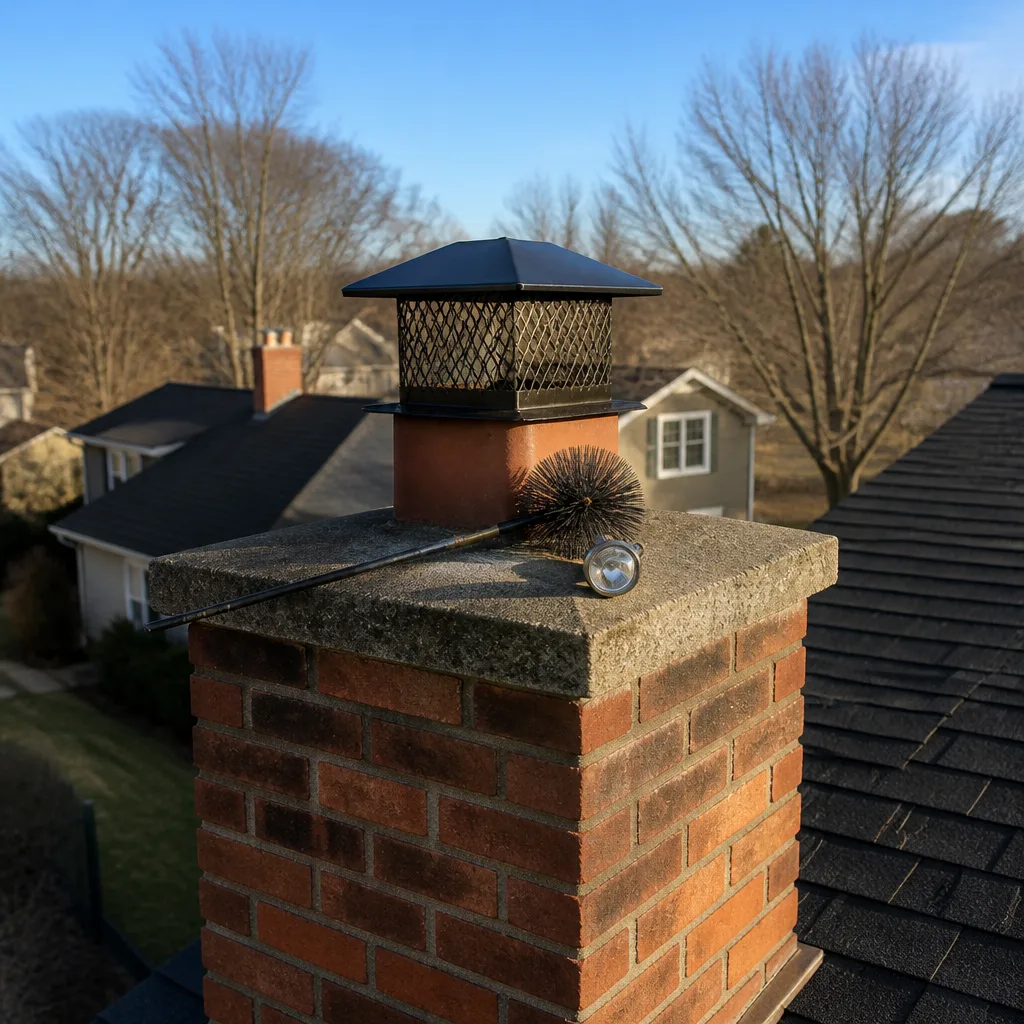 Sweep & inspection
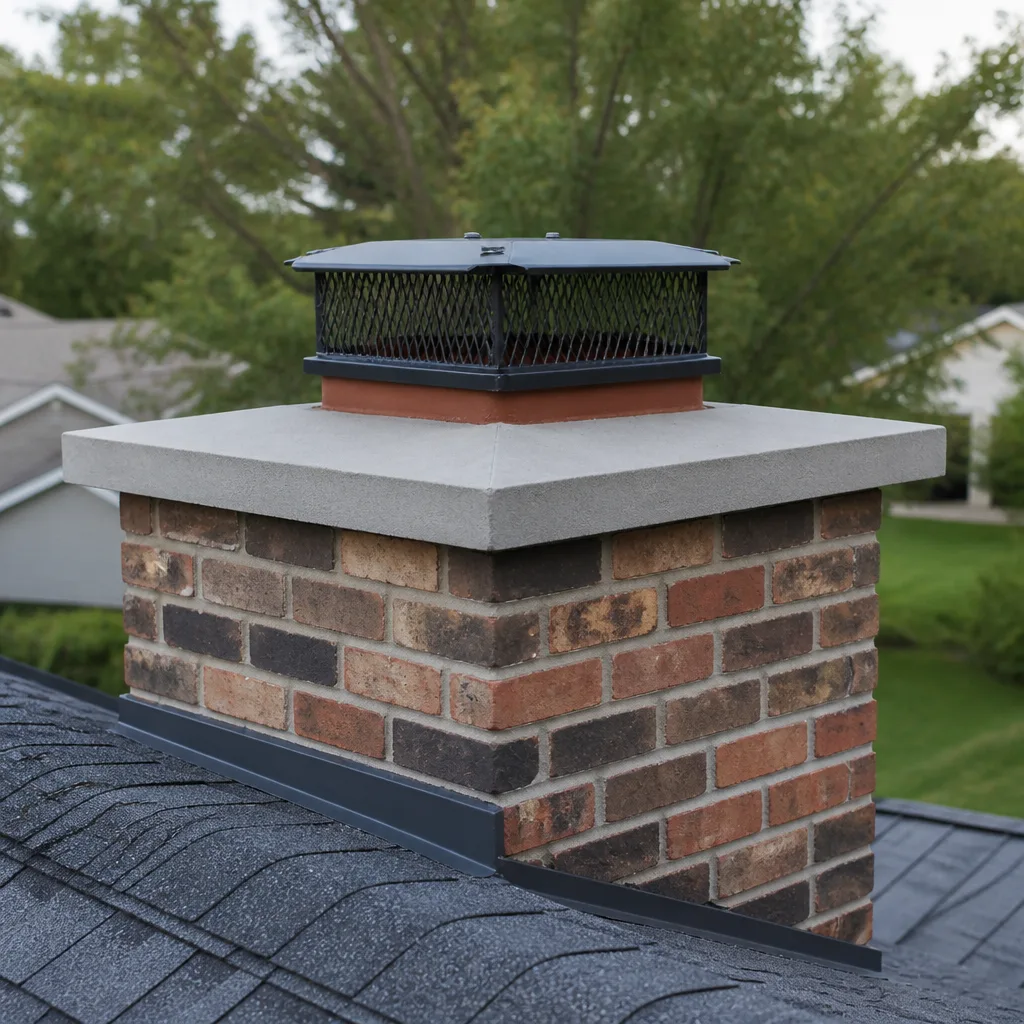 Caps & crowns
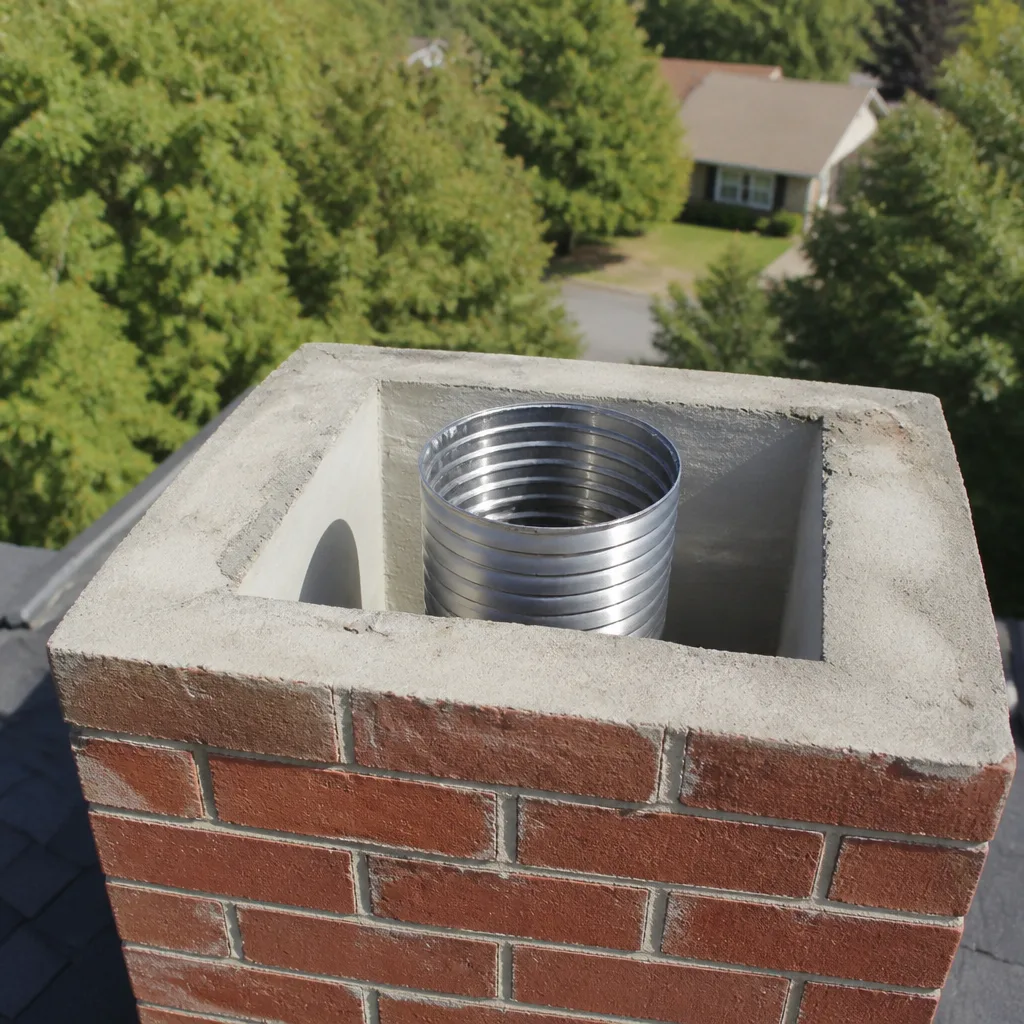 Flue relining
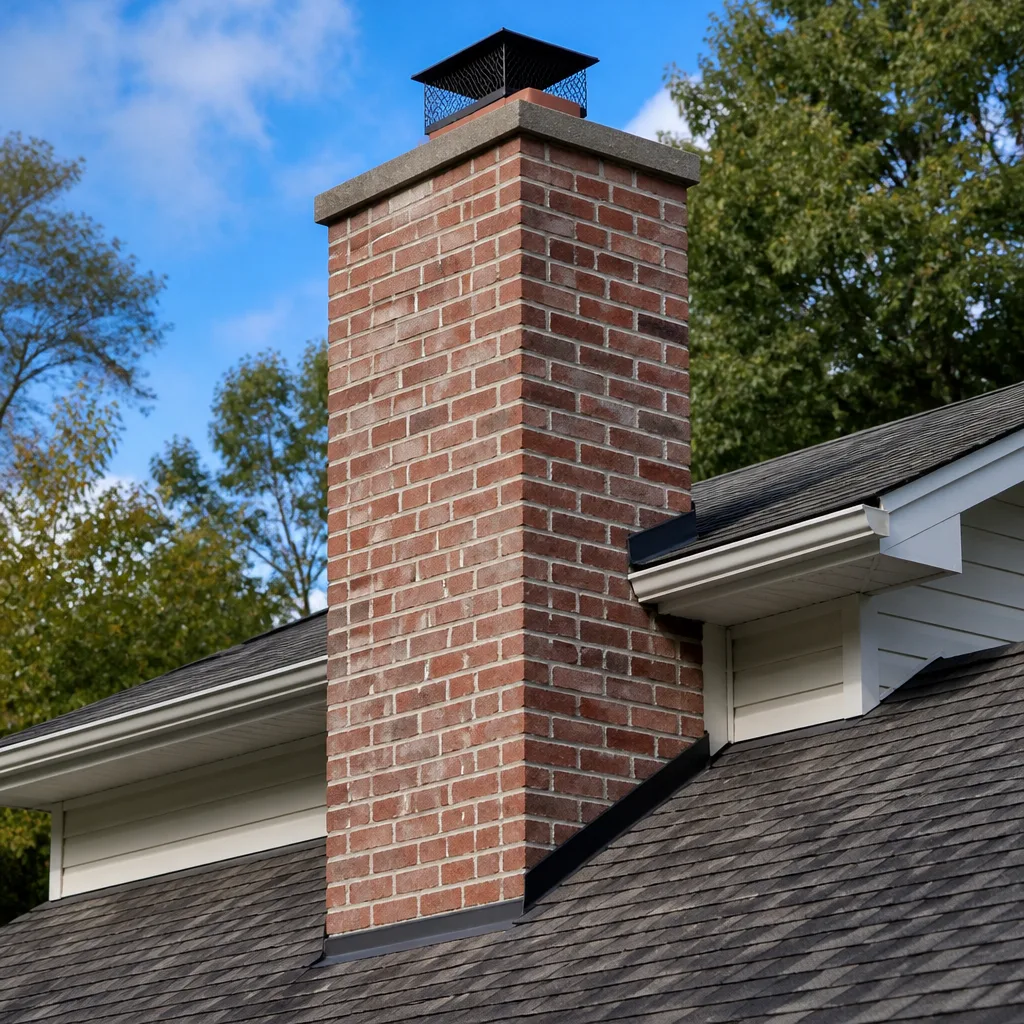 Masonry repair
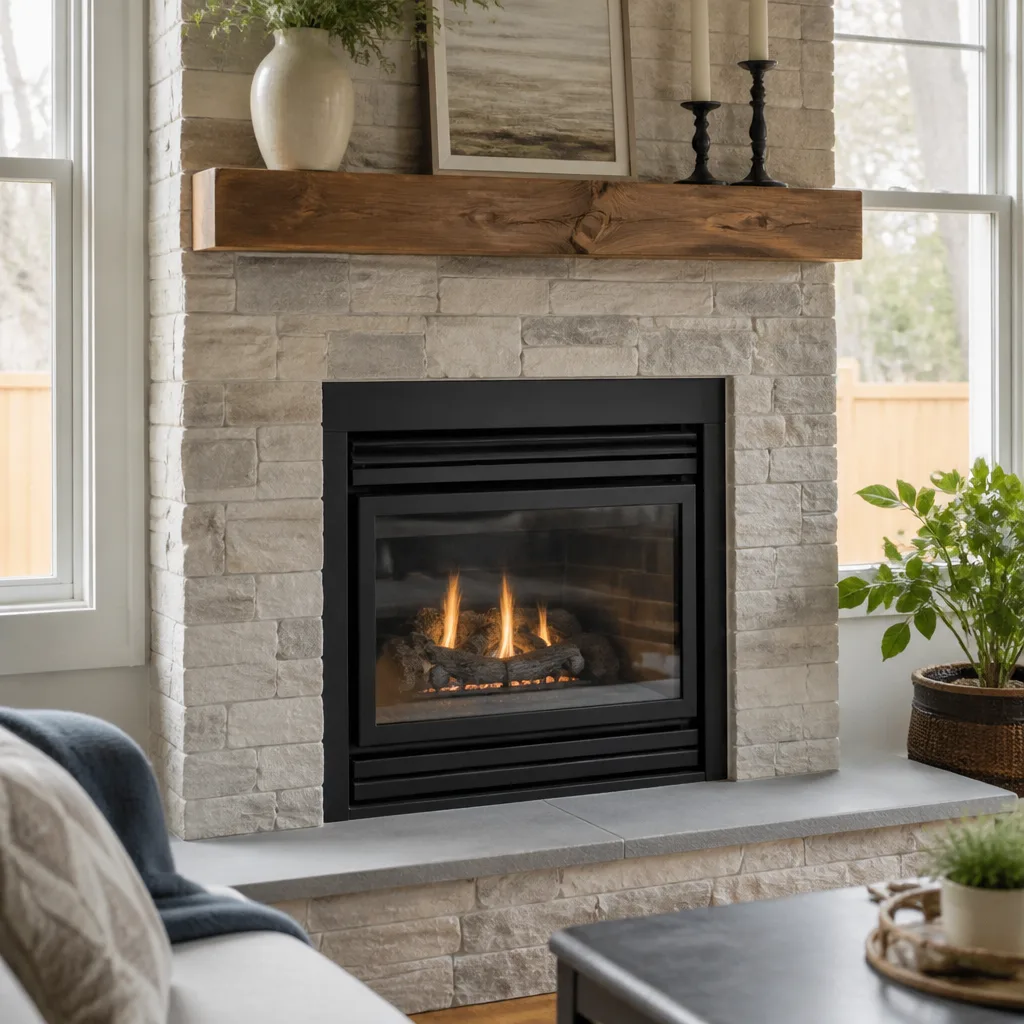 Gas fireplace service
Level 1 sweep and inspection to the NFPA 211 annual standard - flue, crown, cap, and flashing checked and photographed
Chimney sweep logs do not sweep chimneys. They loosen some creosote - which then falls where a brush and vacuum still have to collect it.
Chimney Sweep Maintenance Checklist for Highlands Ranch Homeowners
Most chimney checklists floating around the internet were written for drafty old houses with masonry fireplaces and wood-framed flues. Highlands Ranch isn’t that. The homes here went up during a fast building boom from the 1990s through the 2010s, which means most fireplaces are factory-built units with metal flues, most chimneys have a chase cover instead of a hand-laid crown, and the failure points are different from what a 1920s Denver foursquare deals with. The single most neglected item on almost every roofline here is the chimney cap. It’s cheap, it’s small, and when it goes, it opens the door to water, debris, and animals that turn a routine sweep into a repair bill. This guide gives you a task-by-task checklist organized by who does the work and how often, so you know what to handle yourself and what to leave to a pro.
Quick Answer
A chimney maintenance checklist for a Highlands Ranch home should cover four things: an annual professional sweep and inspection, a homeowner visual check of the cap and chase cover several times a year, dryer vent cleaning on your own schedule, and a written record of condition you update every year. Most 1990s through 2010s factory-built fireplaces need sweeping based on how much you burn, not on a fixed calendar date, but an annual inspection is the simplest way to catch problems early.
Styles & brands we work with
- Sweep & inspection
- Caps & crowns
- Flue relining
- Masonry repair
- Gas fireplace service
Table of Contents
- Why Highlands Ranch Chimneys Fail Differently
- The Homeowner Checklist: What You Can Safely Do
- The Professional Checklist: What Requires a Trained Technician
- How Often Should Each Task Happen?
- Ground-Level Inspection vs. Professional Inspection
- Documenting Chimney Condition Year Over Year
- What Becomes a Mandatory Disclosure in Colorado Real Estate
- The Dryer Vent Belongs on This Checklist Too
Why Highlands Ranch Chimneys Fail Differently
The building boom that shaped Highlands Ranch left a specific fingerprint on the housing stock. Large stretches of the community went up between the early 1990s and the late 2010s, and the fireplaces installed during that window were overwhelmingly factory-built units, not masonry. That matters because factory-built systems have thinner metal flue liners, a chase enclosure rather than a masonry stack, and a chase cover on top instead of a poured concrete crown. Each of those components ages on its own timeline, and each one fails in a predictable way.
Factor in the local climate and the picture sharpens. Highlands Ranch sits at high elevation along the Front Range, which means intense sun exposure, wide temperature swings between day and night, and a freeze-thaw cycle that works on sealants and metal fasteners year after year. Summer hail is a real stressor on chase covers. Winter freeze-thaw opens seams. Spring wind drives debris against caps and into flue openings. Through all of it, the fireplace sits unused for months at a time, which is exactly when small failures go unnoticed.
The practical result is that Highlands Ranch chimneys tend to fail at the top before they fail anywhere else. A chase cover that loses its seal lets water in at the roof line. A cap that rusts through lets birds and squirrels nest in the flue. A spark arrestor screen that tears lets embers onto the roof. None of these are dramatic. All of them are expensive once they’ve been ignored for a few seasons. The checklist below is built around catching them at the top of the list, before they work their way down.
If you want the short version of what a professional visit looks like in this community, our chimney sweep page covers the sweep and inspection process in detail.
The Homeowner Checklist: What You Can Safely Do
There’s a real line between what a homeowner can safely check and what requires a trained technician on the roof. Everything below can be done from the ground with binoculars, from a ladder at the eaves, or from inside the house. Nothing on this list requires you to climb onto the roof or reach into the firebox beyond the damper.
- Look at the chimney cap from the ground with binoculars. Check whether the cap is still sitting square on top of the flue, whether the screen is intact, and whether any rust is visible on the metal. A cap that’s tilted, missing, or rusted through needs attention.
- Inspect the chase cover and flashing from the ground. The chase cover is the metal or framed top of the chimney enclosure on a factory-built system. Look for standing water, rust streaks, or lifting sealant along the edges. The flashing where the chimney meets the roof is a common leak point.
- Check the firebox and damper before each burn season. Open the damper and confirm it moves freely. Shine a flashlight up into the firebox and look for cracked refractory panels, loose brick, or heavy creosote buildup on the walls.
- Confirm you have working carbon monoxide detectors on every level of the home. This is a general home safety task, but it matters more once you’re burning regularly.
- Keep the area around the hearth clear. Furniture, rugs, and decorations within a few feet of the firebox are a fire risk, and a blocked hearth also restricts airflow to the fireplace.
- Clear debris from around the chimney base and roofline. Branches, leaves, and anything else that touches the exterior of the chimney enclosure holds moisture against it.
- Note the date and result of every visual inspection. A few lines in a notebook or a note on your phone gives you a written history, which we’ll explain in detail below.
Those seven tasks take about fifteen minutes total, and doing them a few times a year is enough to catch most problems while they’re still small.
The Professional Checklist: What Requires a Trained Technician
Some of this checklist genuinely should not be done by a homeowner. That’s not a sales line, it’s a safety fact. Chimney interiors channel hot gases and creosote deposits, roof work at height is a fall hazard, and diagnosing a flue liner requires tools and training most people don’t have. The items below belong to a trained technician on every visit.
- Full flue sweep. Removal of creosote, soot, and any debris from the flue, done with proper brushes sized to the flue type and a containment system to keep dust out of your home.
- Camera inspection of the flue interior. A camera run shows the condition of the liner from firebox to cap. This is where cracked liners, separated joints, and hidden creosote glazing get caught.
- Cap and chase cover assessment. The technician confirms from the roof what you can only guess at from the ground, including whether the cap is properly sized, whether the chase cover seal has failed, and whether flashing is sound.
- Damper and firebox inspection. The damper mechanism, refractory panels, and firebox seams get checked for cracks and wear.
- Creosote staging assessment. Creosote is classified by degree of glazing and hardness. Knowing which stage you’re at tells you whether a standard sweep handles it or whether more is needed.
- Dryer vent cleaning and inspection. Lint accumulation in the dryer vent is a known fire cause, and it belongs on the same whole-home fire prevention visit.
- Written report and photo documentation. Everything found should be documented so you have a record and can see the condition yourself.
The advantage of working with a full-service team is that the items on that list don’t have to wait for a second appointment. If the inspection turns up a cracked flue liner, the repair can often be handled in the same engagement rather than being handed off to a different company. We repair what we find, using professional-grade materials from makers like HeatShield for liner resurfacing and DuraFlex for full flexible liner systems.
How Often Should Each Task Happen?
Frequency depends on three things: what you burn, how much, and what kind of system you have. A wood-burning fireplace used heavily all winter needs a sweep more often than a gas fireplace used a few times a month. Below is a general frequency table organized by task, with some Highlands Ranch-specific context.
- Professional sweep and inspection: Annually is the standard recommendation for any fireplace in regular use. If you burn heavily through the season, or you’ve had a lot of creosote buildup in the past, a check mid-season helps too.
- Ground-level cap and chase cover check: Three to four times a year. Fall, mid-winter, and spring at minimum. Add a check after any hail event, since hail on the Front Range does real damage to chase covers.
- Firebox and damper check: Before each burn season, and again mid-season if you’re burning regularly.
- Dryer vent cleaning: Depends on household size and lint load. Larger families and households that run the dryer frequently need it more often than households running a machine a couple times a week. Every year or two is a reasonable starting point for most homes, with more frequent cleaning where lint builds up fast.
- Carbon monoxide detector check: Monthly test, battery replacement on the detector manufacturer’s schedule.
- Written condition record: Updated at every professional visit, and after every homeowner visual check if you notice something worth noting.
One thing that doesn’t matter much in Highlands Ranch: the calendar alone. A fireplace that’s never been lit doesn’t need a sweep, so if you moved into a home with a fireplace you’ve never used, the first step is an inspection, not a sweep. Start there.
Ground-Level Inspection vs. Professional Inspection
Here’s the honest line. From the ground, you can see the top of the chimney, the cap, the chase cover, and the flashing. You cannot see inside the flue, you cannot see the firebox interior clearly beyond the damper, and you cannot assess the condition of the liner without a camera. So the ground-level check is a filter that catches obvious trouble early, not a substitute for a professional inspection.
The table below lays out what typically belongs at each level.
- Ground level (homeowner): Cap present, straight, and screening intact. Chase cover and flashing visible and not obviously rusted or lifted. No standing water or obvious damage to the chimney top. No nests or debris visible against the chimney enclosure.
- Firebox level (homeowner): Damper moves freely. No visible cracks in refractory panels. No heavy soot on firebox walls. Hearth clear and safe.
- Roofline (professional): Chase cover seal integrity, flashing condition, cap fit and sizing, spark arrestor condition, and any storm damage not visible from below.
- Flue interior (professional): Liner condition, joint integrity, creosote stage and quantity, obstruction or nesting, and the flue-to-fireplace connections where a factory-built unit links to its venting.
The reason this distinction matters in Highlands Ranch specifically is that the home styles here make ground-level inspection genuinely useful. Most chimneys are visible from the street or from your own driveway, so a homeowner with binoculars can catch a missing cap or a rusted chase cover without climbing anything. That’s not true in every community, and it’s a real advantage here. Use it. If you’re in another part of the metro, our page on Highlands Ranch explains what’s specific to this area.
What ground-level checking cannot do is tell you whether your liner is cracking from the inside, which is the failure that most often surprises homeowners. That’s the work of the camera.
Documenting Chimney Condition Year Over Year
Slow deterioration is the hardest thing to catch because there’s no single moment where it becomes obvious. A chase cover seal weakens over several seasons. A liner cracks gradually. A cap rusts from the inside out. Each individual change is small, which is exactly why a written record changes the picture.
Here’s a simple documentation routine that works well for Highlands Ranch homeowners:
- Keep a single folder or note for chimney and vent records. One place, always the same place.
- After each professional visit, file the written report and photos. If the technician takes photos of the flue interior, the cap, and the chase cover, save them all with the date.
- Photograph the chimney top from the ground a few times a year using the same angle and zoom. Date the photos. Comparing this year’s photo to three years ago tells you whether the chase cover has aged faster than expected.
- Note any homeowner observation that seems off with the date. A rust streak that wasn’t there last fall is worth writing down.
- Bring the folder to the next visit. Giving the technician the history speeds the assessment and lets them focus on what’s changed.
This isn’t bureaucracy. It’s how you catch a structural problem while it’s still a repair rather than a replacement. A chase cover that’s repairable this year can be a full chimney top rebuild in a couple more seasons if water has been getting in unchecked. The written record is how you know which way the trend is going.
What Becomes a Mandatory Disclosure in Colorado Real Estate
This is the part most checklists skip, and it matters if you might sell your Highlands Ranch home at some point. Colorado uses a seller’s property disclosure form, and material defects known to the seller have to be disclosed. A chimney problem that a seller knows about and doesn’t disclose can become a real problem at closing, sometimes after the inspection has already flagged it.
The practical version of this for chimney maintenance: if your professional inspection turns up a cracked liner, a failing chase cover, or a creosote condition that needs repair, and you decide to sell later, that becomes part of the disclosure conversation. This is a strong reason to keep the documentation described above. It’s also a strong reason to treat small findings as something to handle, not something to defer indefinitely.
On the buyer side, a pre-purchase chimney inspection is one of the most valuable things you can commission before closing on a Highlands Ranch home. Factory-built systems from the building boom years are now old enough that liners, caps, and chase covers are all in the window where they need real assessment, not a visual glance. If the inspection turns up an issue, having a contractor who can also quote and perform the repair is far more useful than a report with no path forward. We handle both the inspection and the repair in-house, which is unusual among chimney companies.
One local note: Highlands Ranch sits in Douglas County, and permit requirements for chimney and venting work can vary depending on the scope. For any repair or liner work, it’s worth confirming with the county what permits, if any, apply to your specific job. We can talk through that with you during the estimate.
The Dryer Vent Belongs on This Checklist Too
A chimney maintenance checklist that stops at the fireplace misses half of the home’s fire risk. Dryer vents are one of the leading causes of residential house fires, and the failure mode is invisible: lint accumulates along the inside of the vent run, restricts airflow, raises exhaust temperatures, and creates the conditions for ignition. You don’t see it because you can’t see inside the vent.
The warning signs that a dryer vent cleaning is overdue are worth knowing:
- Clothes take noticeably longer to dry than they used to.
- The dryer feels hot to the touch on the outside of the cabinet.
- The exterior vent flap doesn’t open fully or doesn’t open at all when the dryer runs.
- Lint is visible around the vent connection behind the dryer.
- The laundry room feels more humid than it should after a dryer cycle.
Any of those is reason to have the vent professionally cleaned and inspected. In a Highlands Ranch home built during the 1990s-2010s window, the vent runs may also have aged in ways that make cleaning especially useful. Flexible foil or plastic venting, which was sometimes used in older construction, is vulnerable to kinking and crushing, and has less resistance to heat than rigid metal. If the vent cleaning turns up that condition, upgrading to rigid metal venting is a worthwhile repair.
The reason we present chimney and dryer vent on the same checklist is simple. They’re both fire-safety items, they’re both typically invisible to the homeowner until something goes wrong, and they both benefit from being on a schedule instead of being handled reactively. Treating them together is a whole-home approach to fire prevention, not a bundle of unrelated services.
Common Mistakes to Avoid
- Assuming a gas fireplace doesn’t need maintenance. Gas fireplaces and inserts still vent combustion gases and still need inspection. A factory-built gas fireplace that hasn’t been checked in years can have vent issues that are invisible until they cause a problem.
- Skipping the check on an unused fireplace. A fireplace that’s never been lit doesn’t need a sweep, but it does need an inspection if you’re moving in or if it’s been sitting for years. Nests, debris, and damaged caps happen to fireplaces nobody’s using.
- Treating a missing chimney cap as a minor cosmetic issue. The cap is the first line of defense against moisture, animals, and debris. A cap that’s been gone for a season or two can mean nesting material in the flue and water damage at the roof line.
- Confusing “the sweep happened” with “the chimney was inspected.” A sweep removes creosote. An inspection, with a camera, tells you what the flue looks like. If your last service didn’t include a camera inspection, you have condition information but not condition knowledge.
- Deferring a chase cover repair because the fireplace still works. Deterioration at the top of a factory-built chimney doesn’t affect how the fireplace burns until it suddenly does. By then water has usually been getting in for a while.
- Letting the dryer vent stretch to “next year” indefinitely. Lint accumulation is slow and invisible, which is exactly why it’s easy to push off. It’s also why it’s a leading cause of residential fires.
- Not keeping records. A written history of condition is what turns a series of one-off service visits into a picture of how your chimney is actually aging. It’s also useful at resale time.
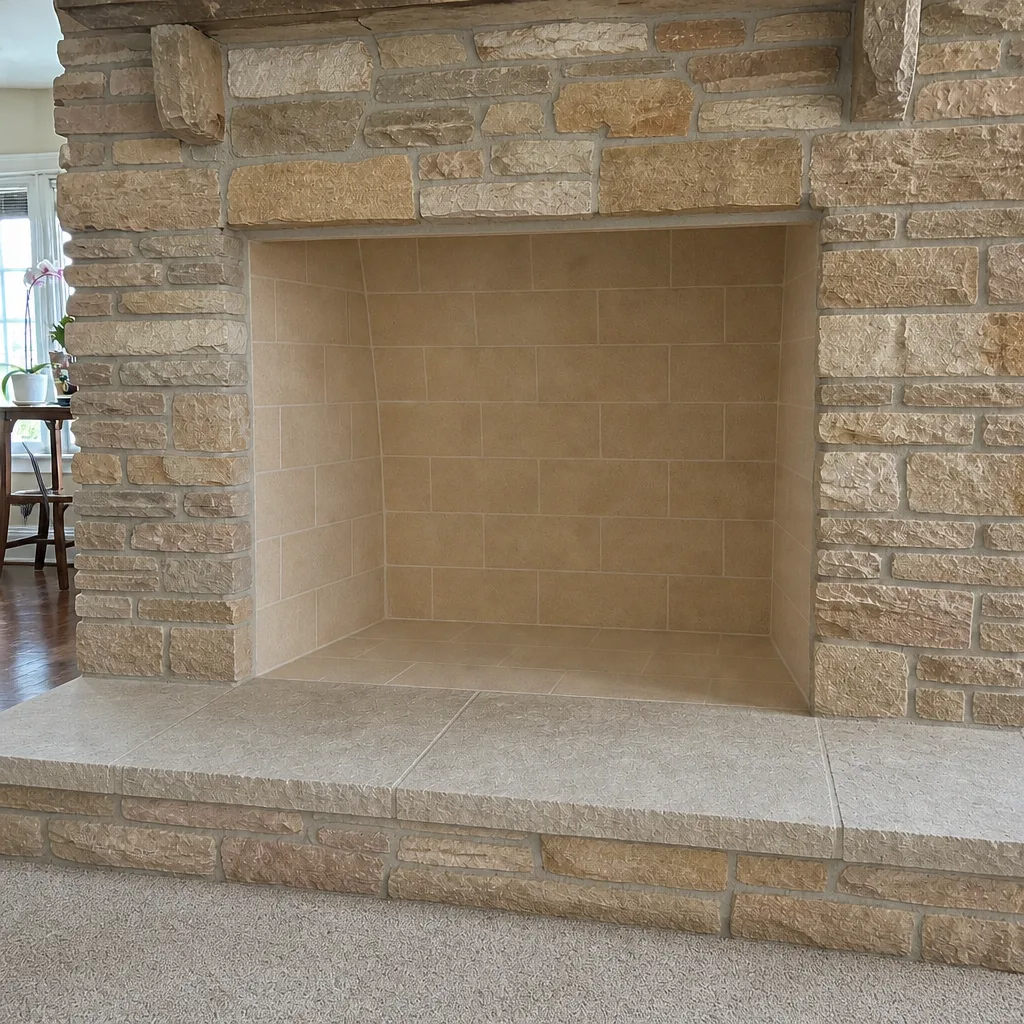
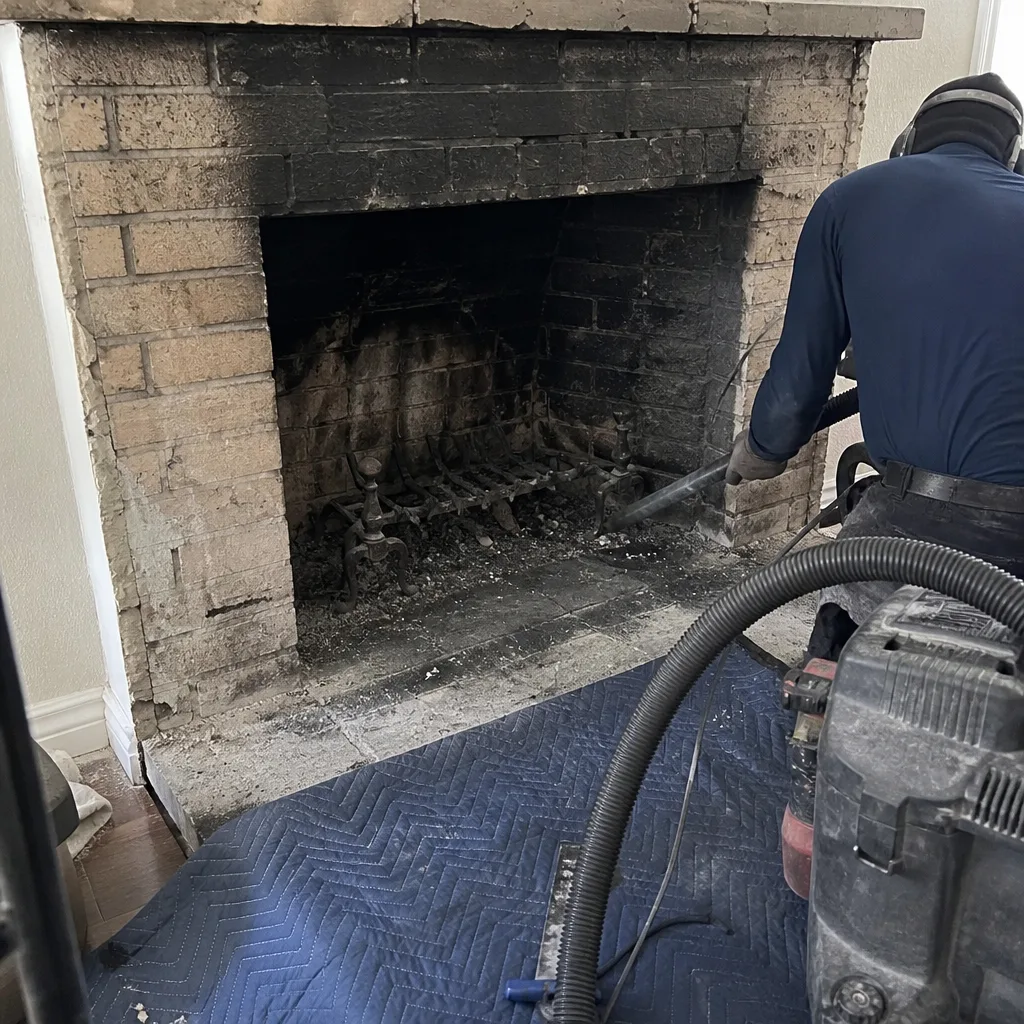
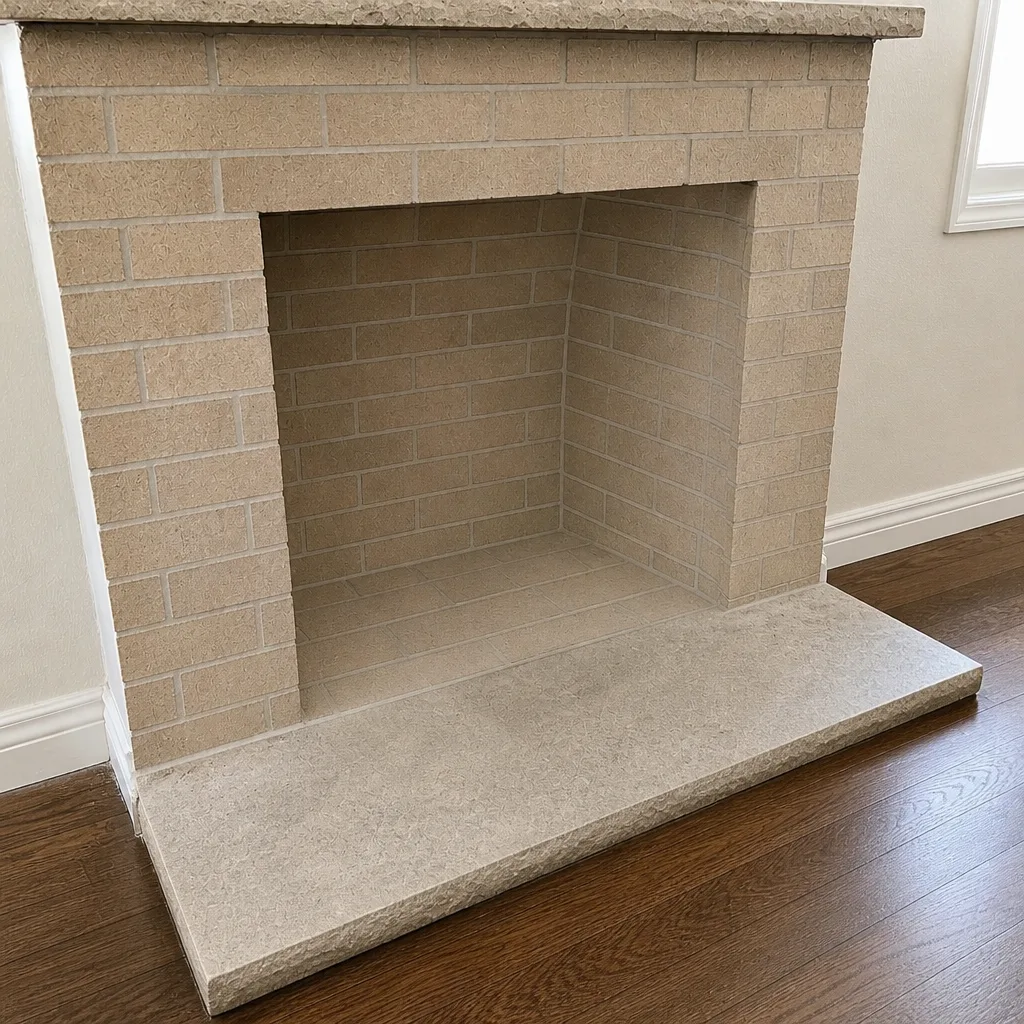
See the difference
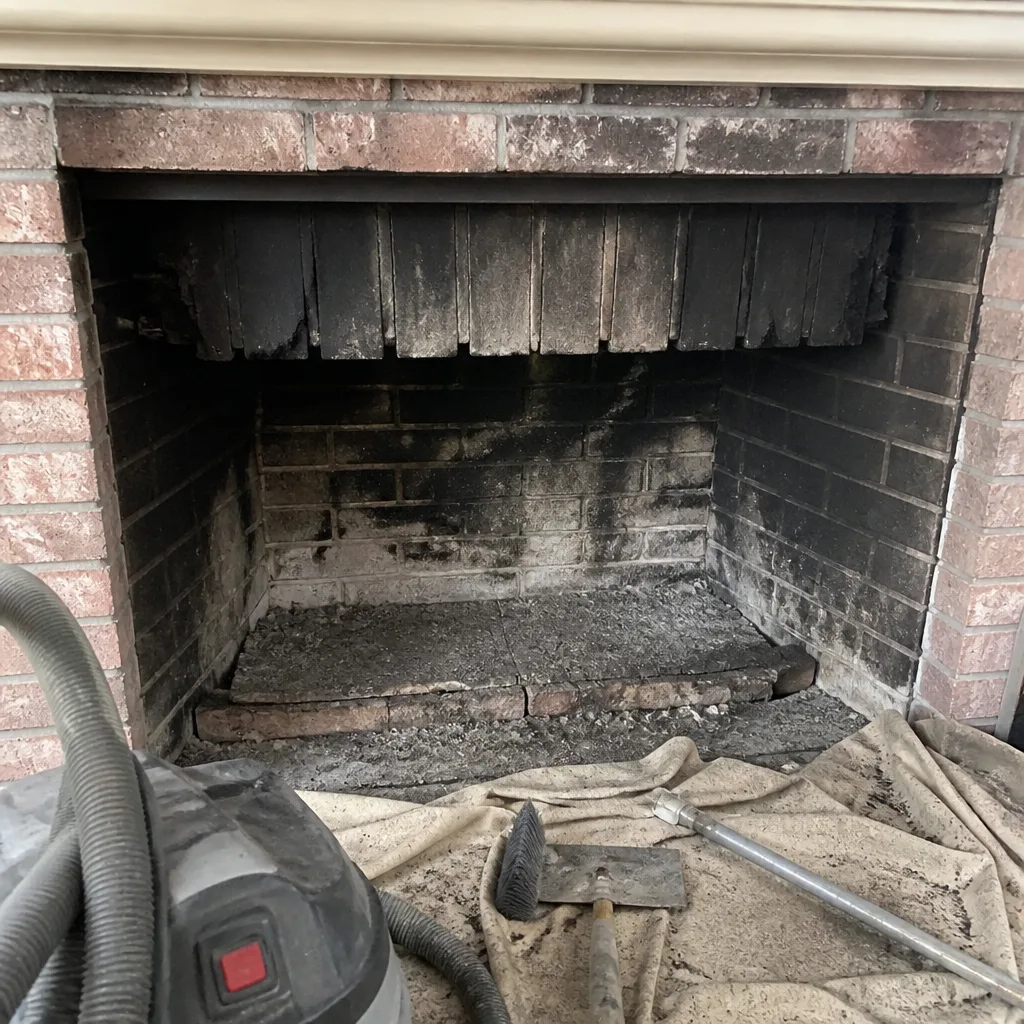 Before
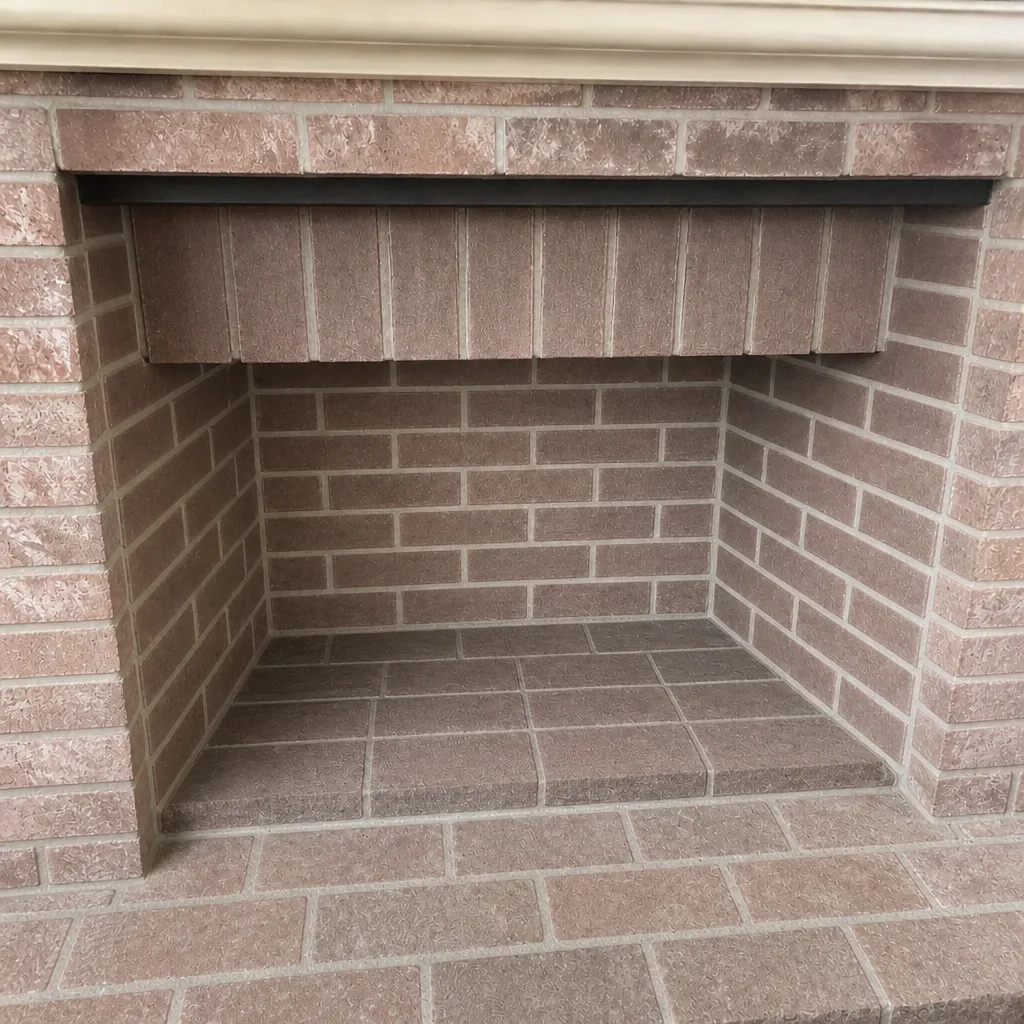 After
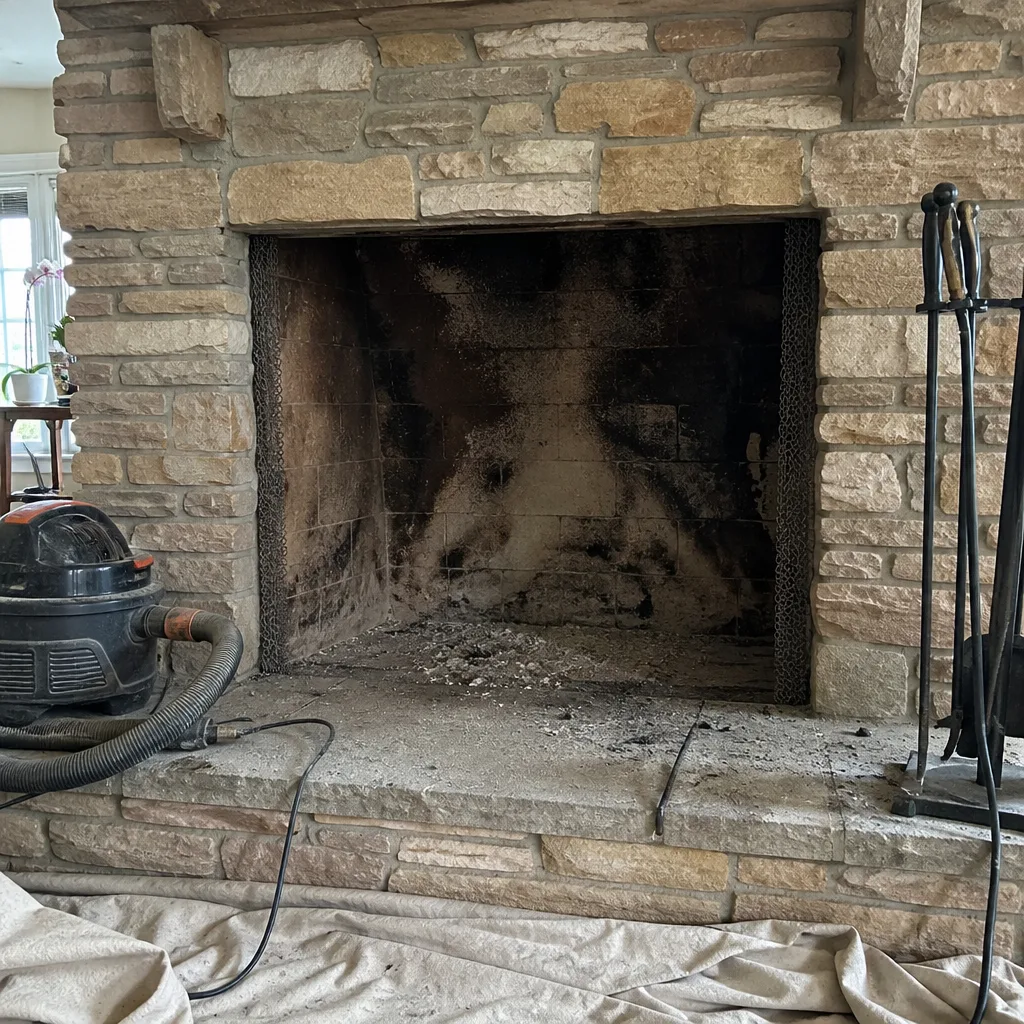 Before
 After
 Before
 After
When to Call a Professional
Call us if any of the following apply: you’ve never had the chimney professionally inspected, the cap or chase cover is visibly damaged, you’re planning to sell or buy a Highlands Ranch home, you’ve noticed creosote buildup or a strong smell from the firebox, your dryer is taking noticeably longer to dry clothes, or you suspect a liner problem. Any of those is enough reason to schedule a visit and get real condition information. Grafton Chimney Sweep offers free estimates in Highlands Ranch – call (833) 749-6226. We answer 24/7. Fast dispatch from 7am to 7pm, Sunday through Friday. If you’d like to understand our approach before scheduling, our main page as Grafton Chimney Sweep explains the full-service model.
Frequently Asked Questions
Most chimney sweeps in the Highlands Ranch area run in the $180 to $350 range for a standard sweep and inspection on a factory-built fireplace, with liner inspections and dryer vent cleaning priced separately or included depending on the scope. The written estimate sets the final price, and estimates are free. Call (833) 749-6226 for an exact quote – estimates are free.
Once a year is the standard recommendation for any fireplace in regular use, though it depends on how much you burn and how much creosote builds up. An annual inspection catches problems before they become repairs. Call (833) 749-6226 for an exact quote – estimates are free.
Not always. A cracked or deteriorated liner can sometimes be restored with a resurfacing application rather than a full replacement, and a flexible liner system is only necessary when resurfacing won’t work. We make that determination from a camera inspection, not a guess, and we handle both the assessment and the repair. Call (833) 749-6226 for an exact quote – estimates are free.
Creosote continues to accumulate, which raises the risk of a chimney fire; water can get in through a failed cap or chase cover, which leads to structural damage over time; and small liner problems progress from repairable to requiring replacement. None of this is dramatic the first year, which is why skipping it becomes expensive by year three or four. Call (833) 749-6226 for an exact quote – estimates are free.
Yes, from the ground with binoculars. You can check the cap, the chase cover, and the flashing. What you can’t do safely is climb the roof or inspect the flue interior, which requires a technician. The homeowner checklist on this page covers what’s safe. Call (833) 749-6226 for an exact quote – estimates are free.
Colorado doesn’t mandate a chimney inspection at resale, but sellers are required to disclose known material defects, and a chimney problem you’ve discovered and not disclosed can become a real issue at closing. A pre-listing inspection is one of the most useful things a seller can do. Call (833) 749-6226 for an exact quote – estimates are free.
The Bottom Line
The chimney maintenance checklist that actually works for a Highlands Ranch home is shorter than most lists suggest, but it’s more specific. Catch problems at the top first, since caps and chase covers are what fail first here. Do the ground-level visual check yourself a few times a year. Have the flue professionally swept and camera-inspected annually. Keep written records so slow deterioration gets caught before it becomes structural. Put the dryer vent on the same schedule as the chimney, because both are invisible fire risks with the same solution: a professional who can see what you can’t. And when a repair is needed, work with a team that handles it in-house rather than handing you a list and a referral.
If you’re ready to start the checklist this season, call (833) 749-6226 for a free estimate. We answer 24/7. Fast dispatch from 7am to 7pm, Sunday through Friday. Closed Saturday. Our technicians have up to 15 years of experience and install professional-grade materials from makers including HeatShield, Gelco, and Olympia Chimney, so the repair and the cleaning are handled by the same team.
Written by the team at Grafton Chimney Sweep.